Mom's Best Recipes
Recipe

Classic Baked Cheesecake

Creamy center, buttery graham crust, and a low-drama method that helps prevent cracks. A bakery-style cheesecake you can absolutely pull off at home.

Author By Matt Campbell
4.8
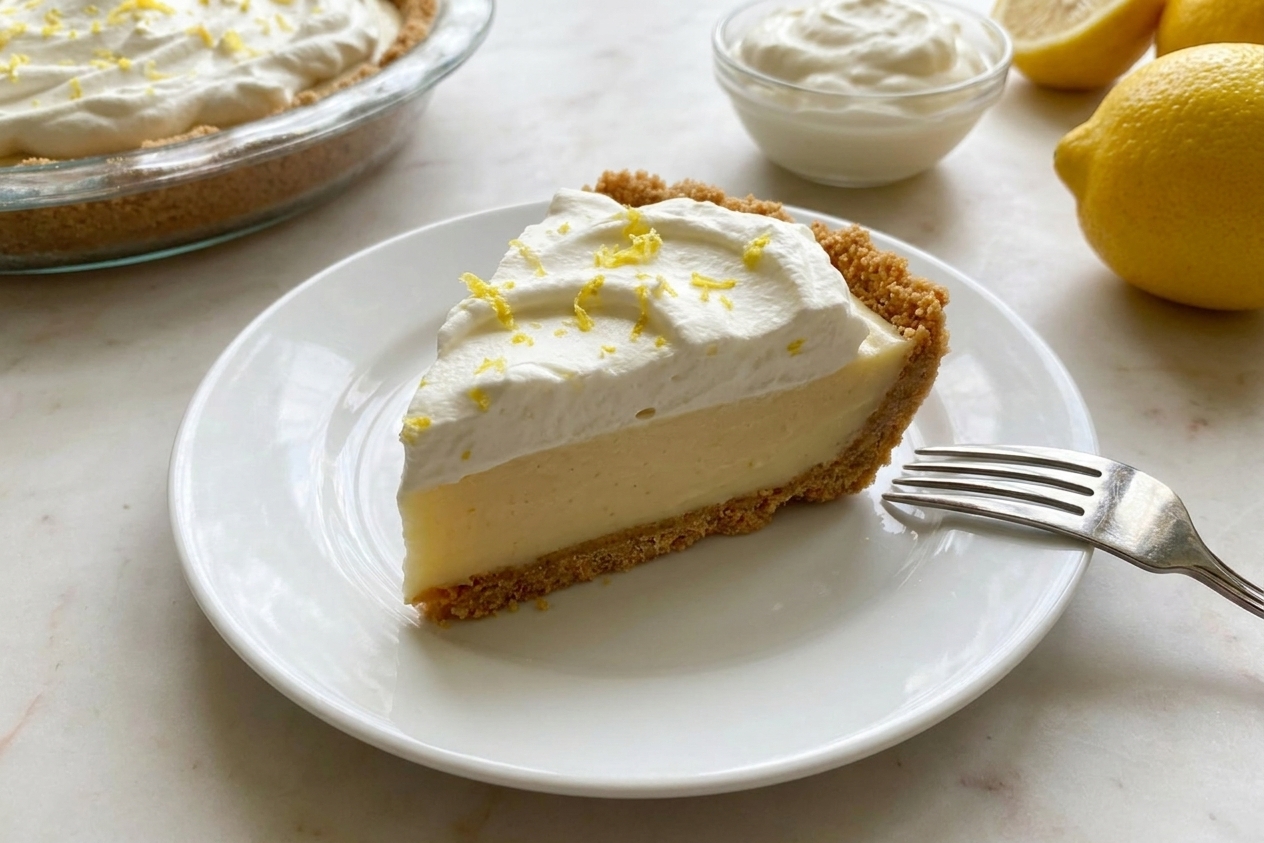
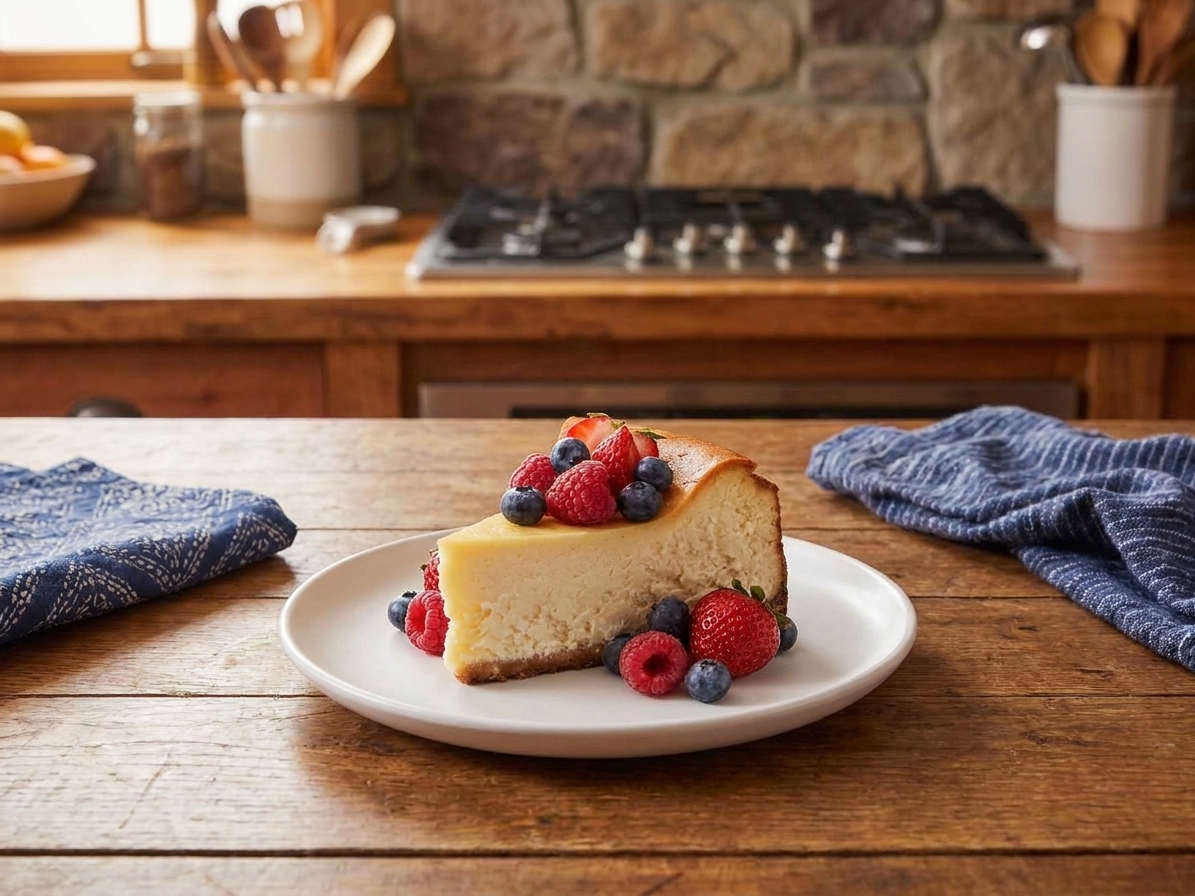
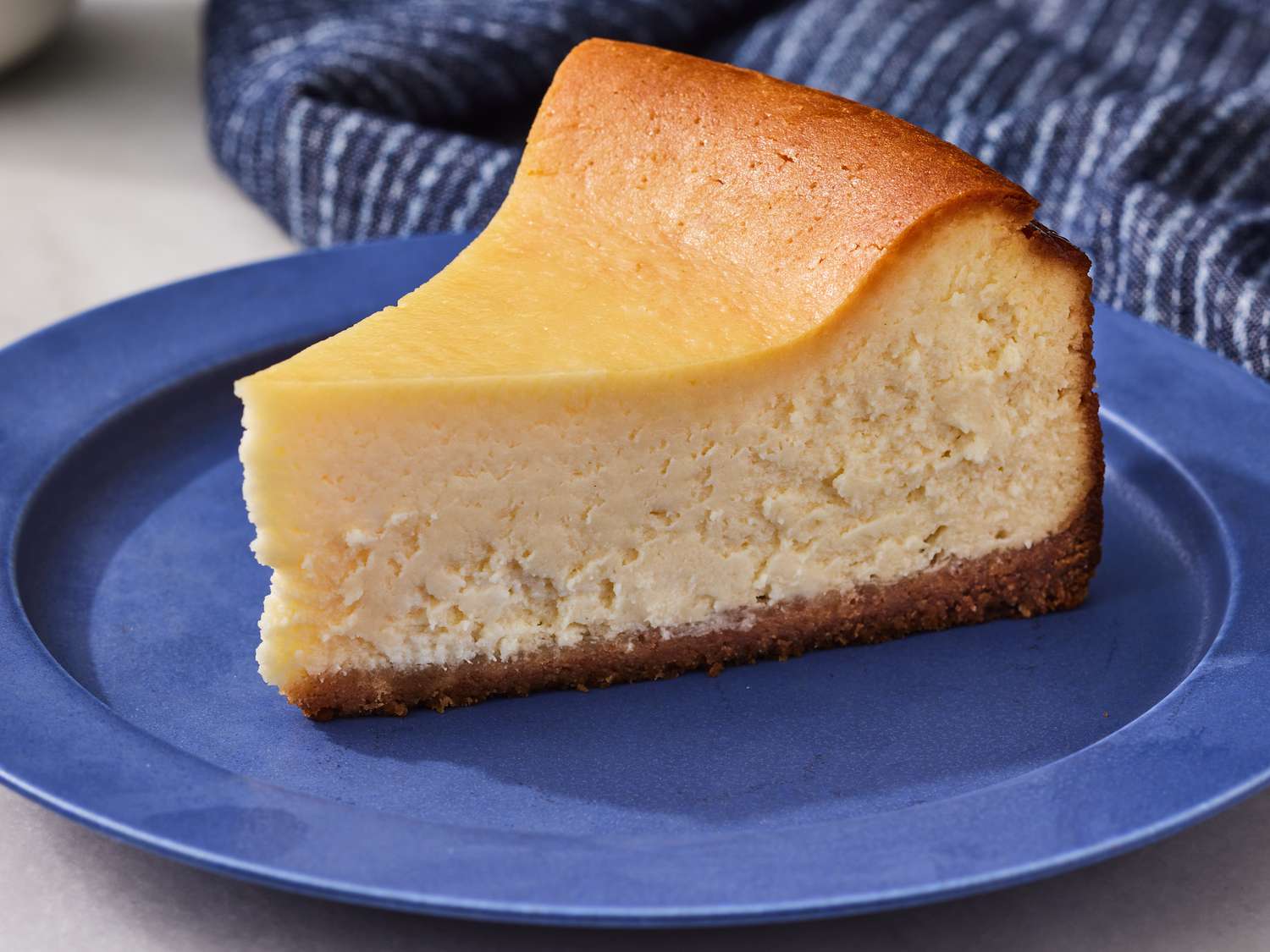
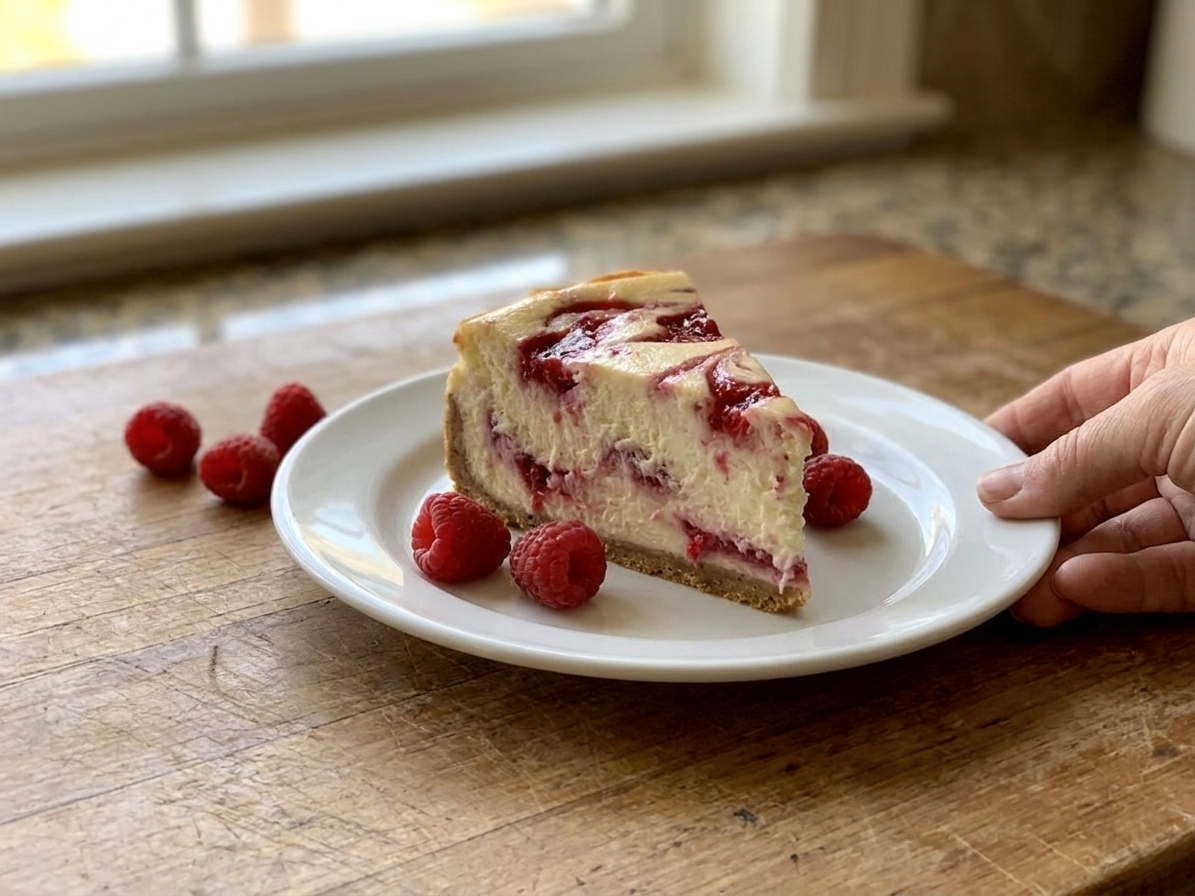
A single slice of classic baked cheesecake with a graham cracker crust on a white dessert plate, creamy interior visible, on a simple wooden table setting with soft natural light

Baked cheesecake has one job: be ridiculously creamy without turning into a cracked, dry heartbreak. This one nails it. Think dense-but-silky filling, a buttery graham crust with crisp edges, and that subtle tang that makes you go back for “just a second sliver” three times.

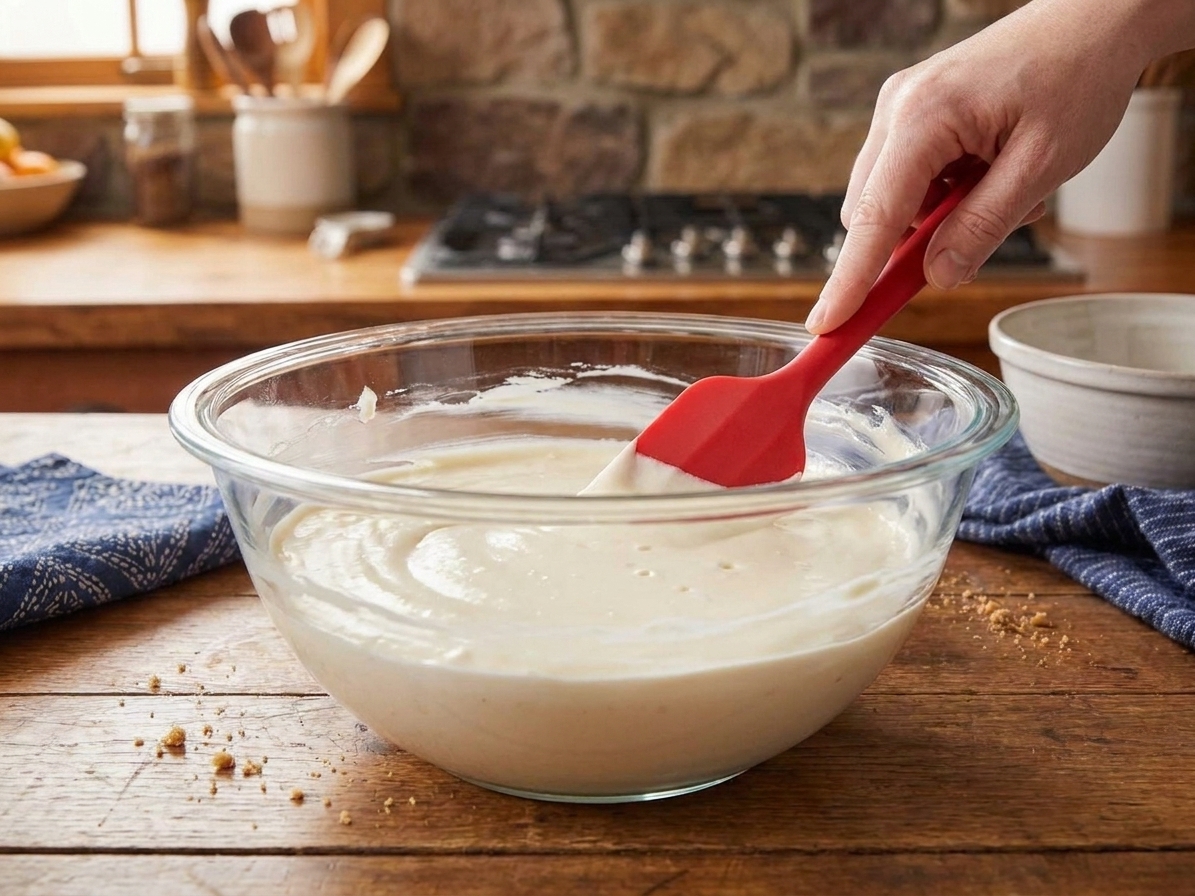
We are keeping ingredients easy to find and steps painfully clear. You do not need fancy pastry school vibes. You need softened cream cheese, a little patience, and the confidence to stop mixing as soon as it is smooth. That is how we get the plush texture without whipping in a bunch of air, which can make the cheesecake rise, then sink, and sometimes crack.
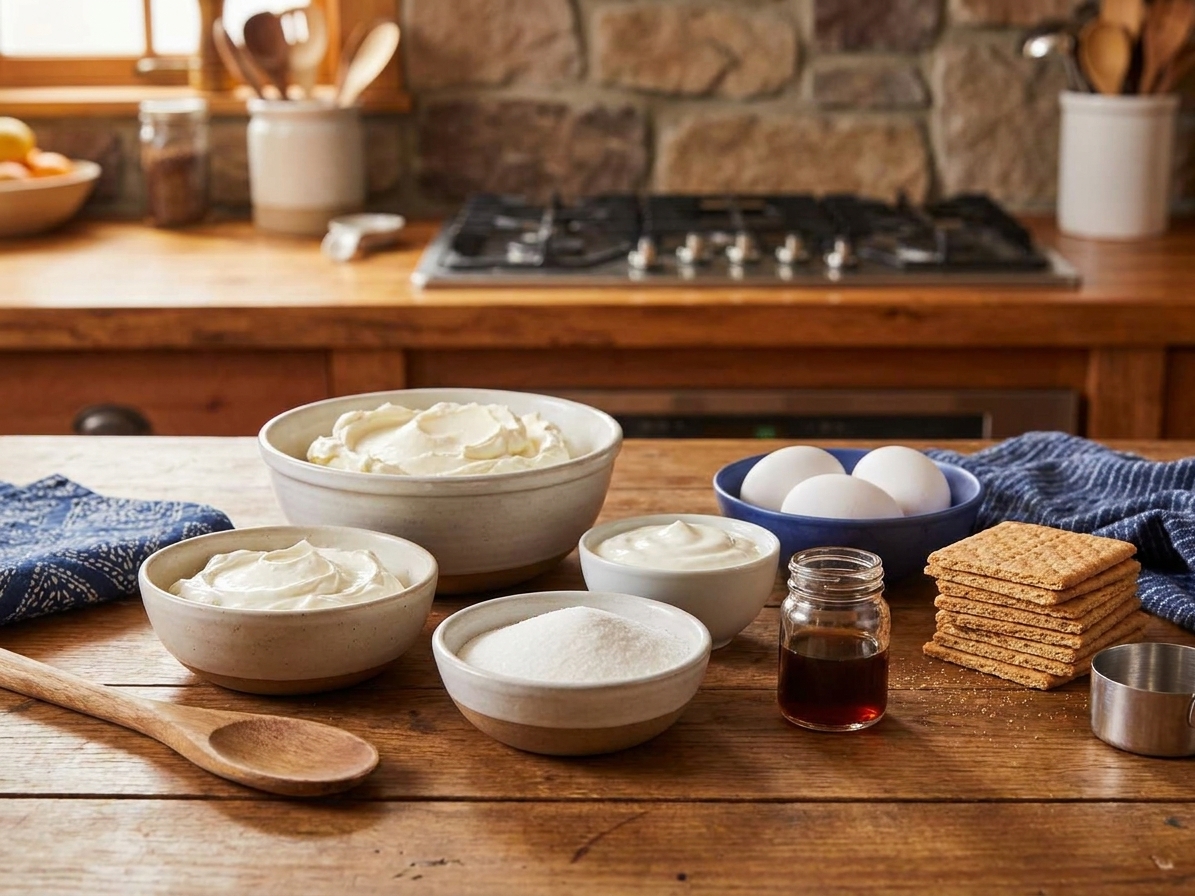
A kitchen counter with bowls of softened cream cheese, sour cream, sugar, eggs, vanilla, and graham crackers laid out neatly in a warm home kitchen

Why It Works

What You’ll Get

  • True classic texture: creamy, rich, and sliceable without being heavy like a brick.
  • Crack-resistant top: thanks to low mixing, a gentle bake, and a slow cool.
  • Make-ahead friendly: tastes even better after a night in the fridge.
  • Accessible technique: a water bath that is simple and not scary.

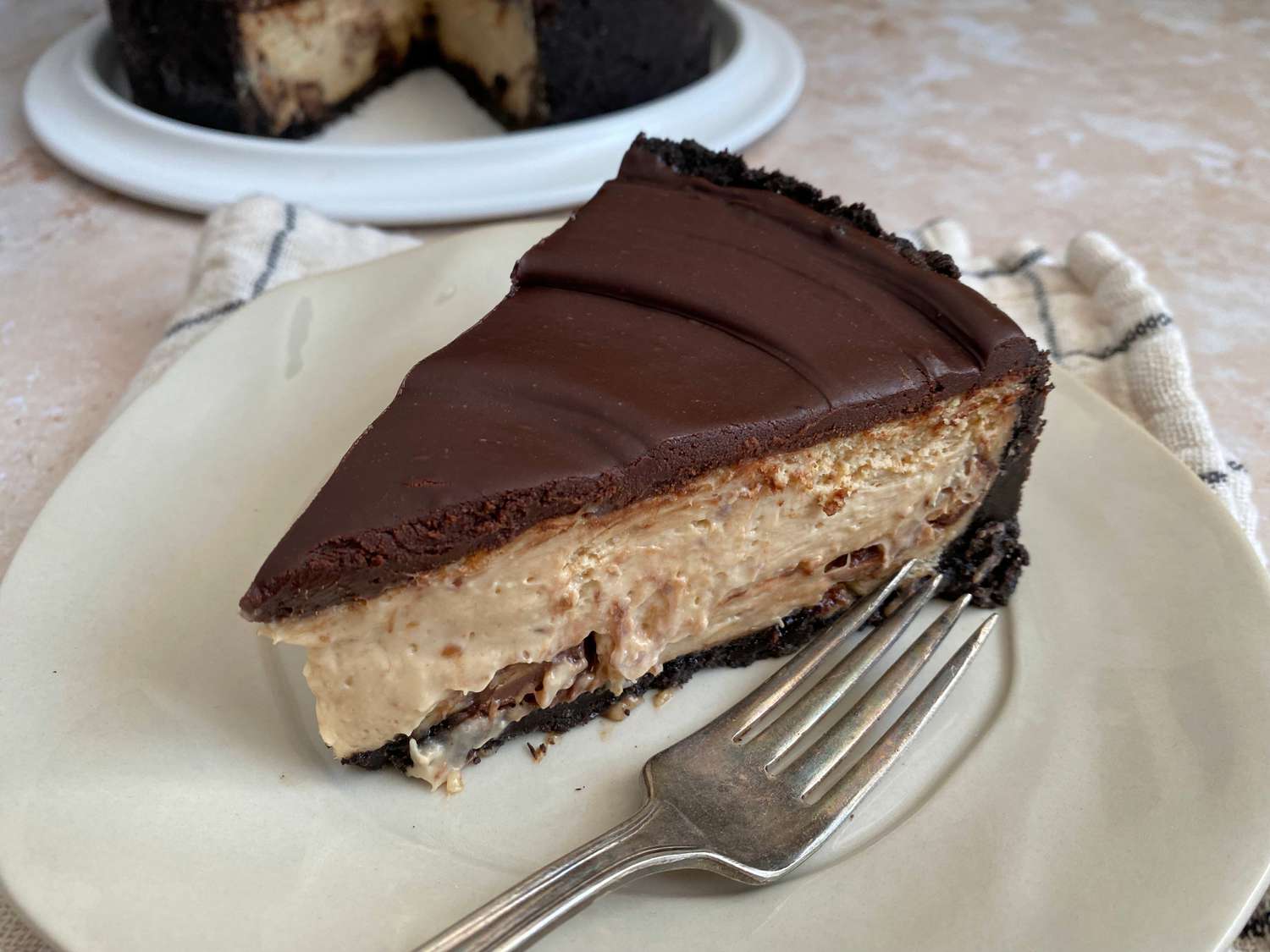
Flavor note: This is a vanilla-forward classic. Dress it up with berries, lemon curd, chocolate ganache, or keep it plain and let the tang do the talking.

Pairs Well With

Storage Tips

Refrigerator: Cover the cheesecake (still on the springform base is fine) and refrigerate for up to 5 days. For best texture, press plastic wrap gently against any cut sides, then wrap the whole thing.

Freezer: Freeze whole or in slices for up to 2 months (many kitchens happily go longer, but this is the sweet spot for best texture). Chill first until fully set, then wrap in plastic wrap and a layer of foil. Thaw overnight in the fridge.

Make-ahead tip: Cheesecake loves time. Baking it a day before you serve it is not cheating. It is strategy.

Common Questions

Common Cheesecake Questions

Do I have to use a water bath?

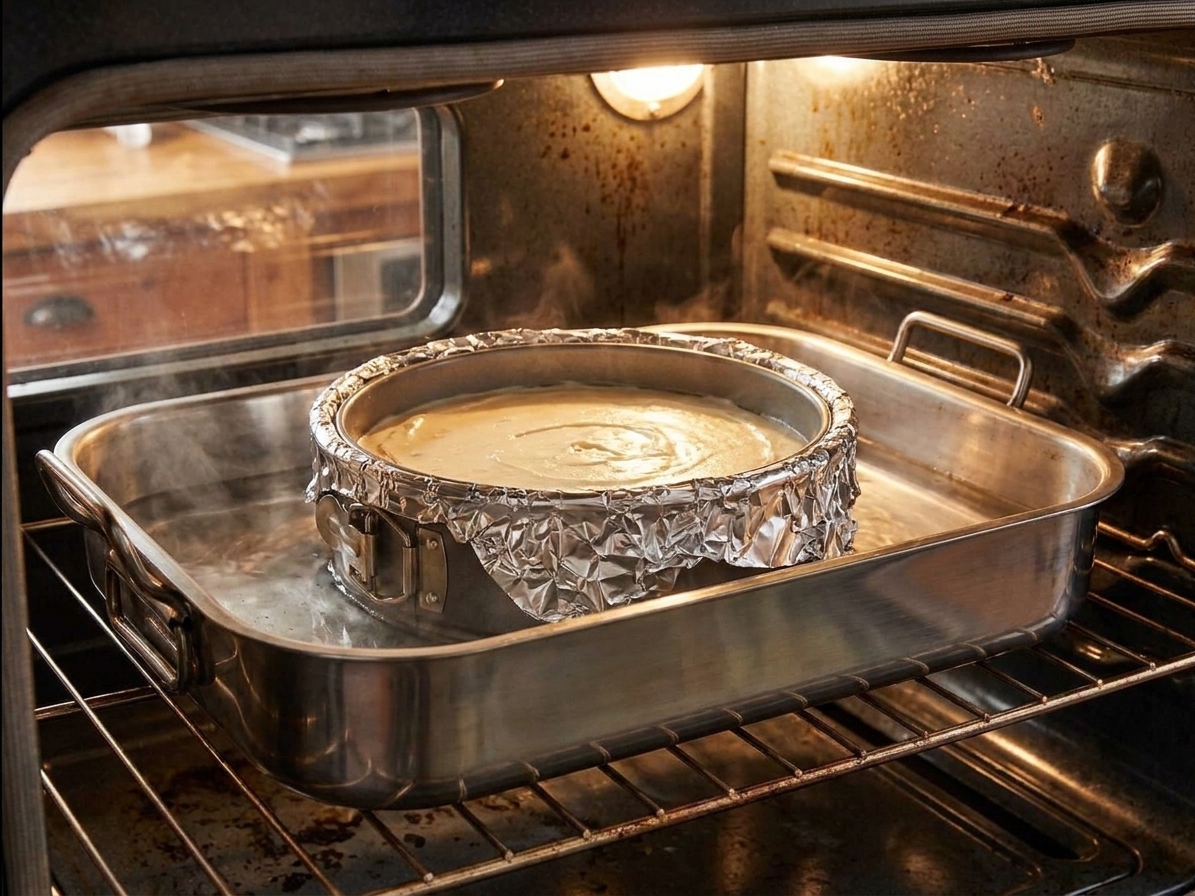
You do not have to, but it is the easiest way to get a creamy bake and reduce cracks. The steam keeps the oven environment gentle, and the water helps prevent the edges from overcooking before the center sets.

How do I know when baked cheesecake is done?

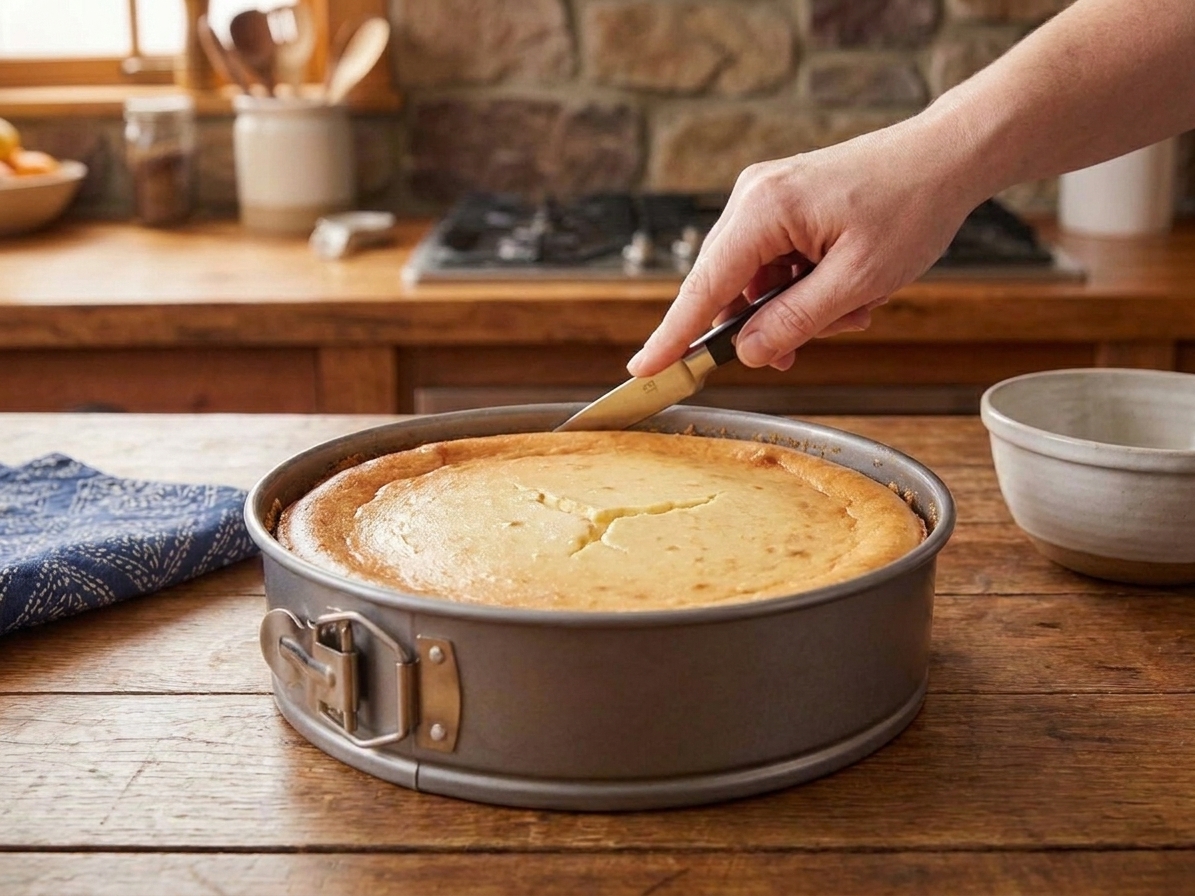
Look for a set edge and a center that still has a wobble. About a 3-inch circle in the middle should jiggle like Jell-O when you nudge the pan. It will finish setting as it cools. If you like using a thermometer, many bakers pull it around 150°F to 155°F for extra-creamy texture, knowing carryover heat will keep the temperature climbing as it cools. Others prefer closer to 160°F for a firmer set. Either way, do not bake until the center is totally stiff.

Why did my cheesecake crack?

The usual suspects are: overmixing (too much air), too-hot baking, skipping the slow cool, or overbaking until the center is totally firm. Extra air can make the cheesecake puff up, then sink as it cools, which invites cracks. The good news is cracks are cosmetic. Cover with whipped cream and keep living your life.

Can I make this without sour cream?

Yes. Swap the sour cream for the same amount of full-fat Greek yogurt. The flavor is slightly tangier, and the texture stays creamy.

Can I use a different crust?

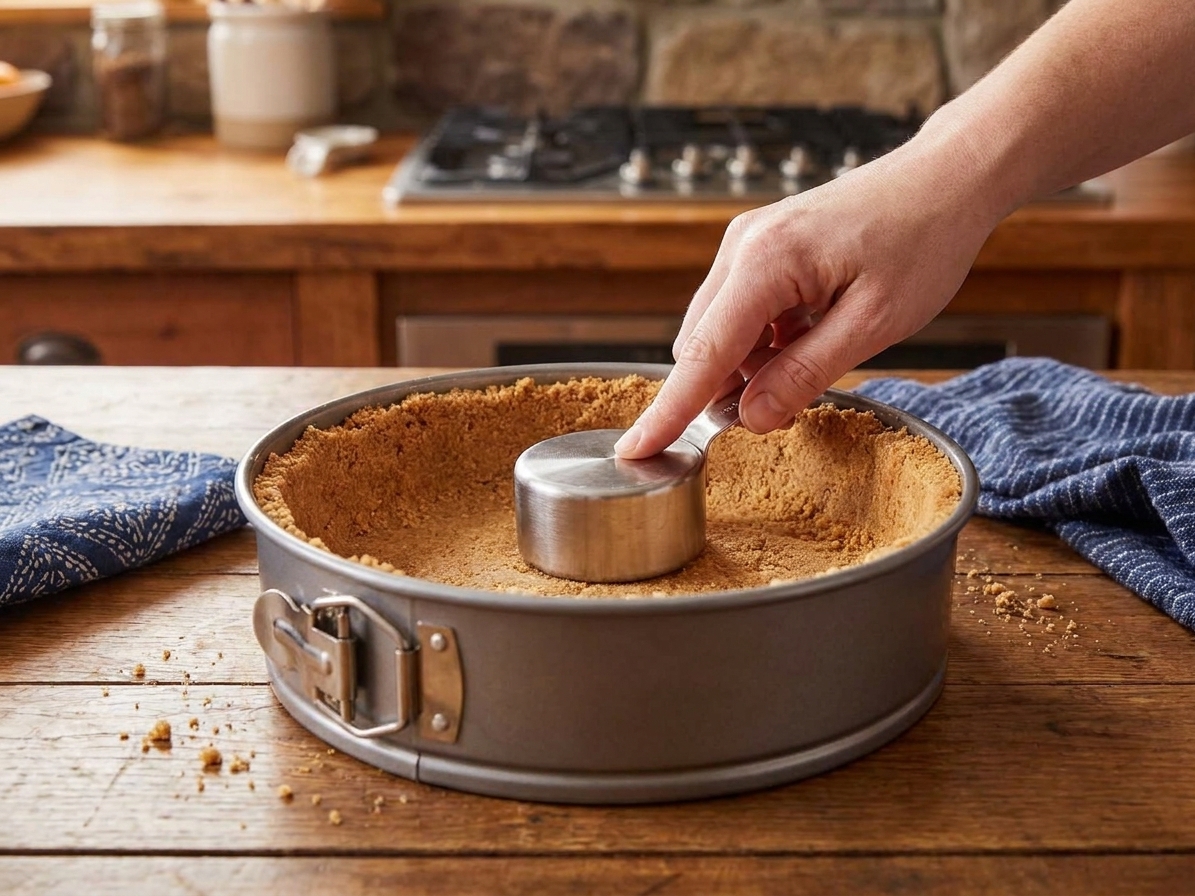
Absolutely. Swap graham crackers for crushed vanilla wafers, Biscoff cookies, or chocolate sandwich cookies (scrape filling if you want it less sweet). Keep the butter amount the same and press firmly.

A springform pan wrapped in foil sitting inside a large roasting pan with hot water poured around it, shown on an oven rack in a home kitchen

I used to think cheesecake was one of those “restaurant-only” desserts, like it required a secret handshake and a $400 oven. Then I started chasing the texture I actually wanted: creamy, tangy, and not whipped like a mousse. The moment it clicked was also the moment I stopped trying to beat the batter into submission. Mix less, bake gentler, cool slower. Suddenly cheesecake went from stressful to satisfying, which is exactly the kind of kitchen energy I am trying to keep in my life.