Mom's Best Recipes
Recipe

Classic Beef Stew

Tender beef, hearty vegetables, and a rich, savory broth that tastes even better the next day.

Author By Shari Shidate
4.8
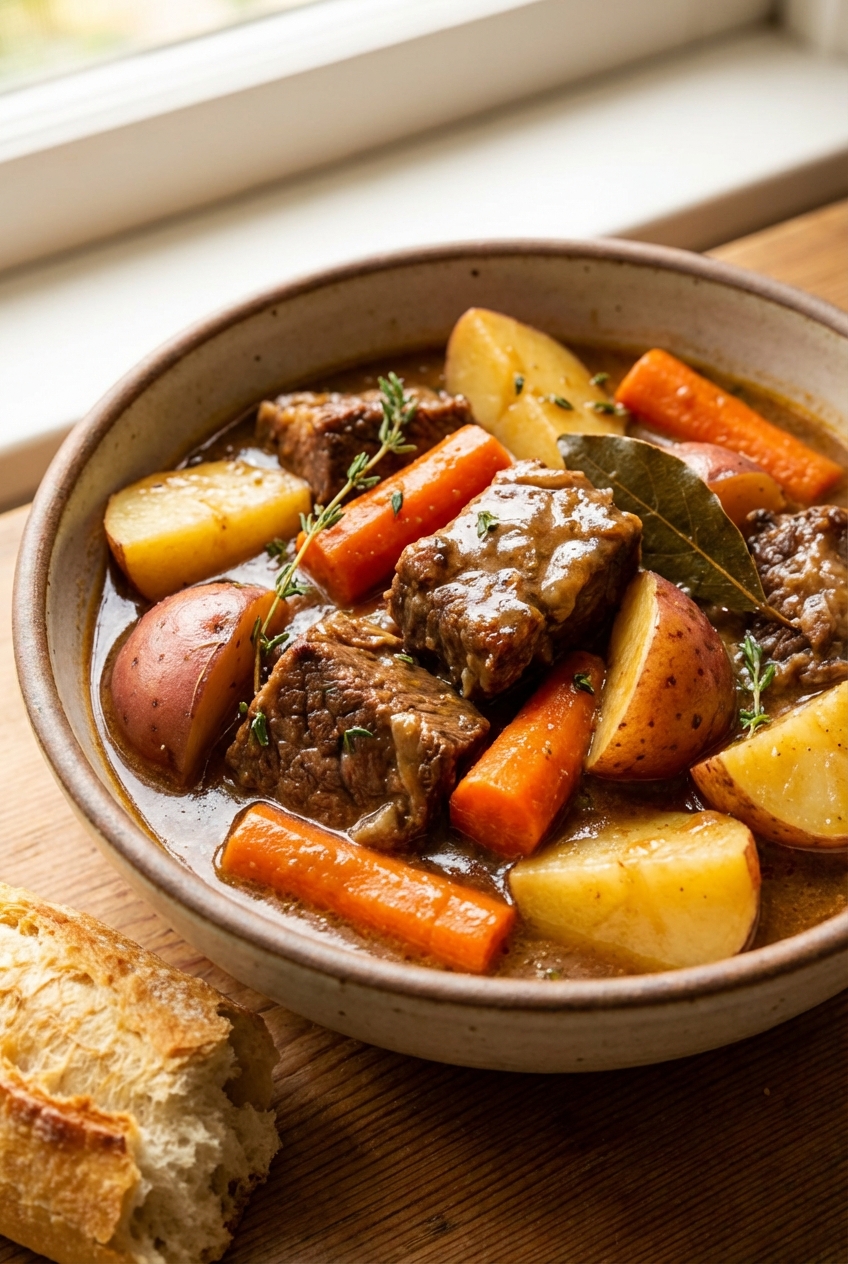
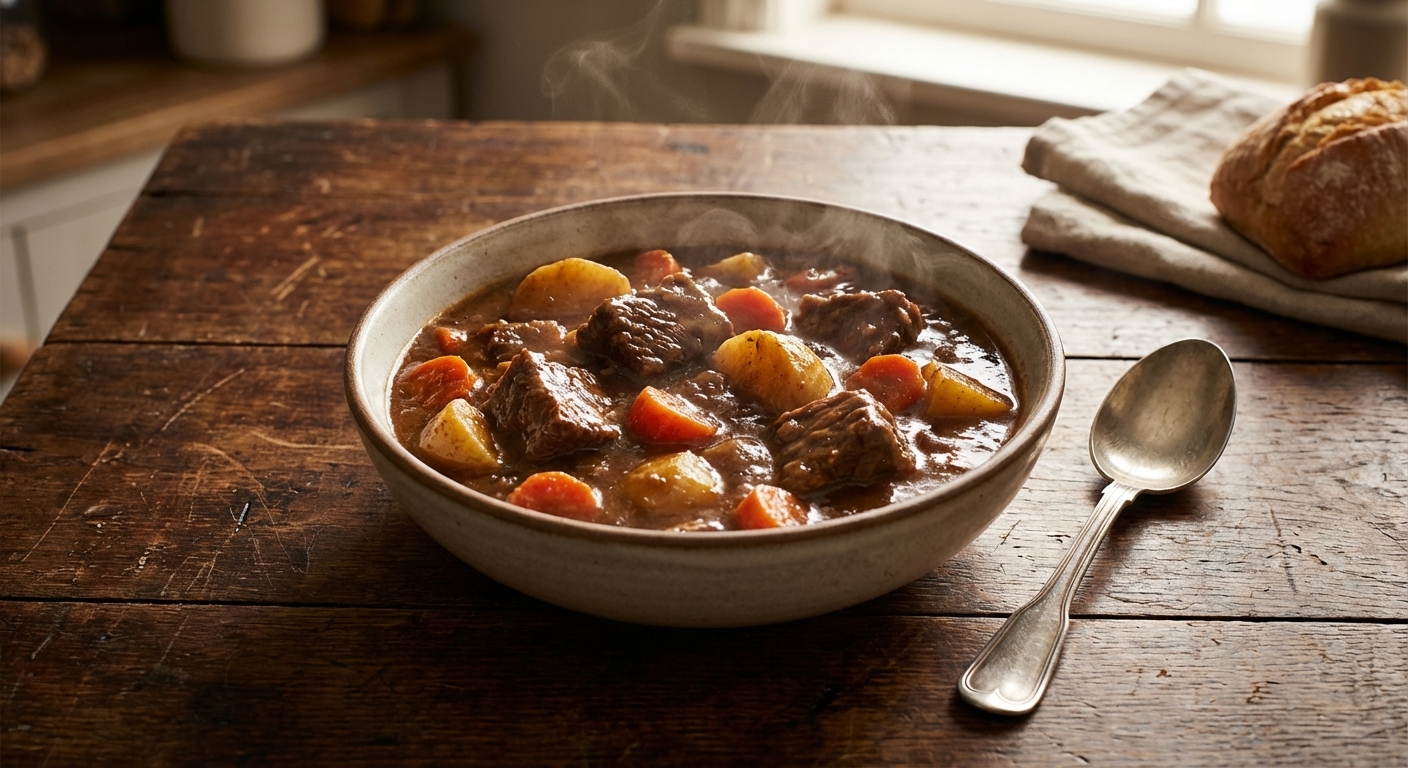
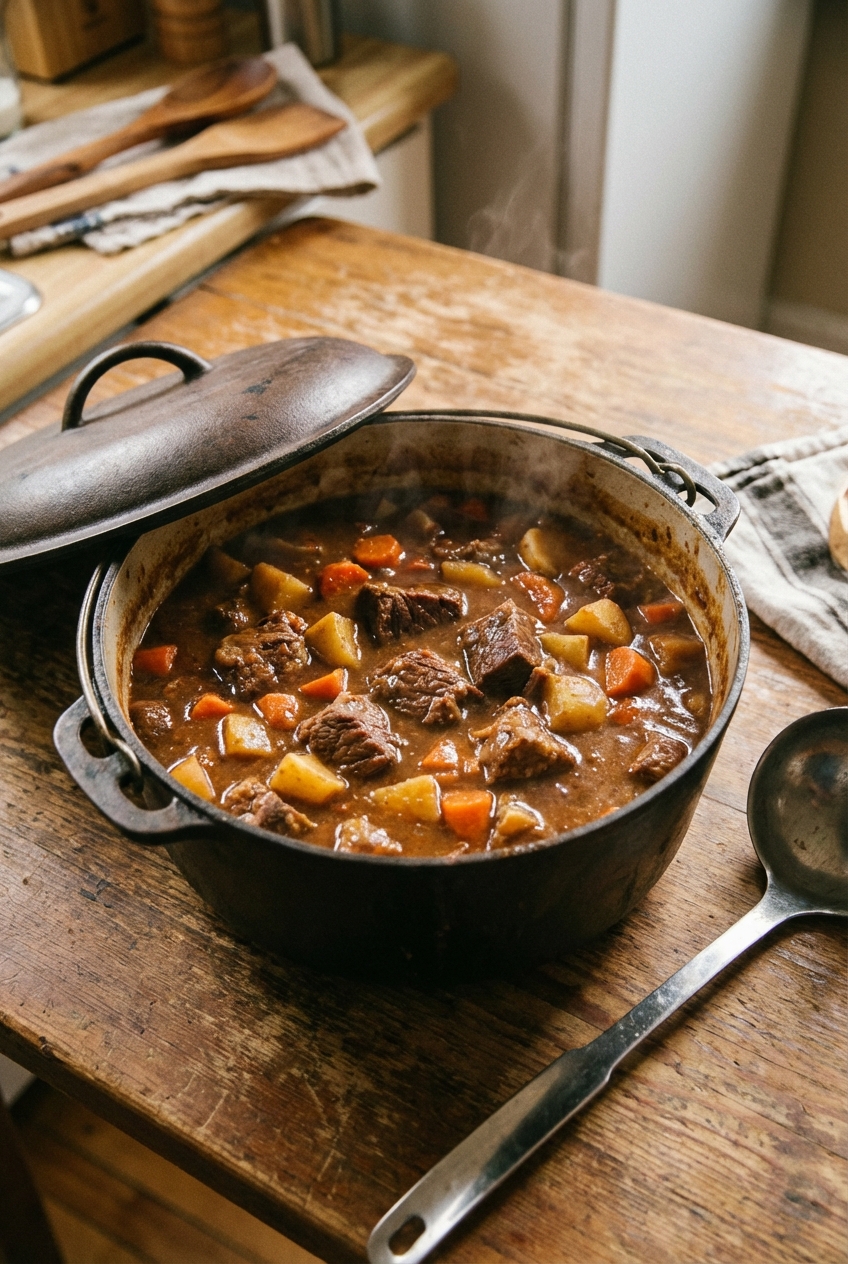
A steaming bowl of classic beef stew with tender beef chunks, carrots, potatoes, and herbs in a rich brown broth on a rustic wooden table

Classic beef stew is the kind of meal that makes a kitchen feel instantly warmer. It is simple, deeply satisfying, and surprisingly forgiving, which is exactly what many of us need on a busy weeknight or a slow weekend afternoon. With the right steps, you get spoon-tender beef, vegetables that hold their shape, and a glossy broth that tastes like it simmered all day.

From a wellness perspective, I love stew because it is a balanced one-pot meal: protein from beef, fiber and micronutrients from vegetables, and fluid from the broth. Small, consistent habits compound into remarkable results over time, and cooking at home is one of the most powerful habits you can build. This recipe helps you do it with confidence.

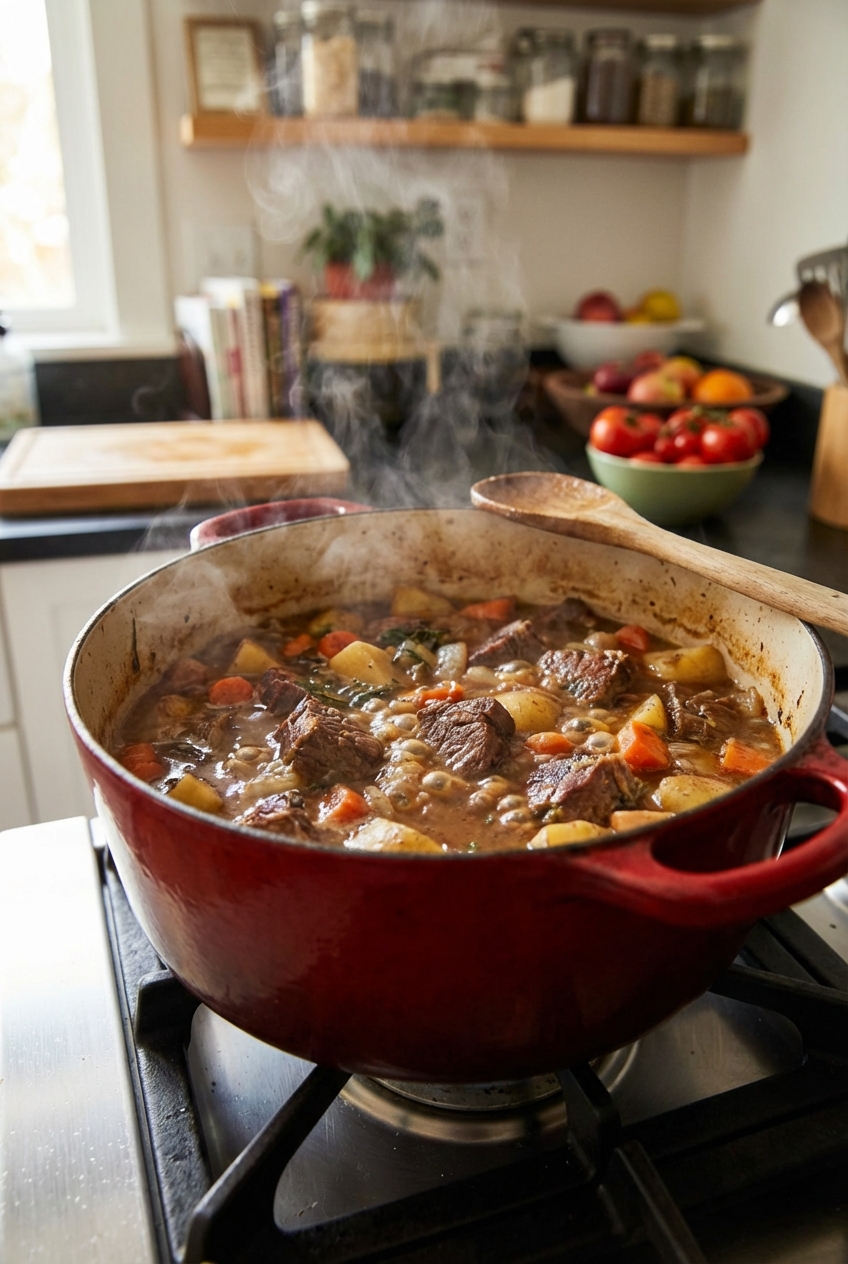
A Dutch oven on a stovetop with beef stew gently simmering, showing bubbles at the surface and a ladle resting on the rim

Why It Works

Deep flavor without complicated techniques. Browning the beef creates savory compounds that make the broth taste richer. A small amount of tomato paste and Worcestershire add depth without making the stew taste like either ingredient.

Tender beef, not dry beef. Using a well-marbled cut like chuck and giving it enough time at a gentle simmer allows connective tissue to break down into gelatin, which makes the meat tender and the broth silky.

Vegetables that do not turn to mush. Adding potatoes and carrots after the initial braise keeps them pleasantly hearty. Peas go in at the end for color and freshness.

A naturally thicker broth. A light flour coating on the beef plus a brief uncovered simmer at the end gives you that classic stew consistency, no cornstarch slurry needed.

Storage Tips

Beef stew is a gift to your future self. The flavors continue to develop as it rests.

Refrigerator

  • Cool quickly, then store in an airtight container for up to 4 days.
  • Tip: Refrigerate overnight and skim any solidified fat from the top if you prefer a lighter finish.

Freezer

  • Freeze in freezer-safe containers or bags for up to 3 months.
  • Leave a little headspace because the liquid expands as it freezes.
  • Thaw overnight in the refrigerator for best texture.

Reheating

  • Stovetop: Warm over medium-low heat, stirring occasionally, until bubbling and hot throughout.
  • Microwave: Heat in a covered bowl in 60 to 90-second bursts, stirring between rounds.
  • If it thickens too much after chilling, add a splash of broth or water and warm gently.

Glass meal prep containers filled with beef stew cooling on a kitchen counter, lids nearby

Common Questions

What cut of beef is best for stew?

Beef chuck roast is the classic choice because it has enough connective tissue and marbling to become tender during a long simmer. Avoid very lean cuts, which can turn dry.

Why is my beef stew meat tough?

Tough stew usually needs more time, not less. Collagen needs a long, gentle simmer to break down. Keep the pot at a low simmer and give it another 20 to 40 minutes, checking periodically.

Can I make beef stew in a slow cooker?

Yes. Brown the beef first for best flavor, then transfer everything except peas to the slow cooker. Cook on low 7 to 8 hours or high 4 to 5 hours. Stir in peas during the last 10 minutes.

How can I thicken beef stew?

Simmer uncovered for 10 to 15 minutes to reduce. You can also mash a few potato chunks against the side of the pot and stir them in. If you want a quicker fix, whisk 1 tablespoon flour with 2 tablespoons water, stir in, and simmer 5 minutes.

Is beef stew healthy?

It can absolutely be part of a balanced pattern. To nudge it in a lighter direction, use chuck but skim excess fat after chilling, add extra vegetables, and serve with a side salad instead of bread if that fits your goals.

When the weather turns cool, beef stew is the dish I come back to again and again. Early in my career, I noticed how often people assumed “healthy” meant complicated or bland. This stew became one of my go-to examples of a meal that is both nourishing and comforting. I would make a pot on Sunday, then enjoy it for lunches through the week, adding a handful of greens or an extra splash of broth each time. It is a reminder that steady, practical routines are what make healthy eating feel doable.