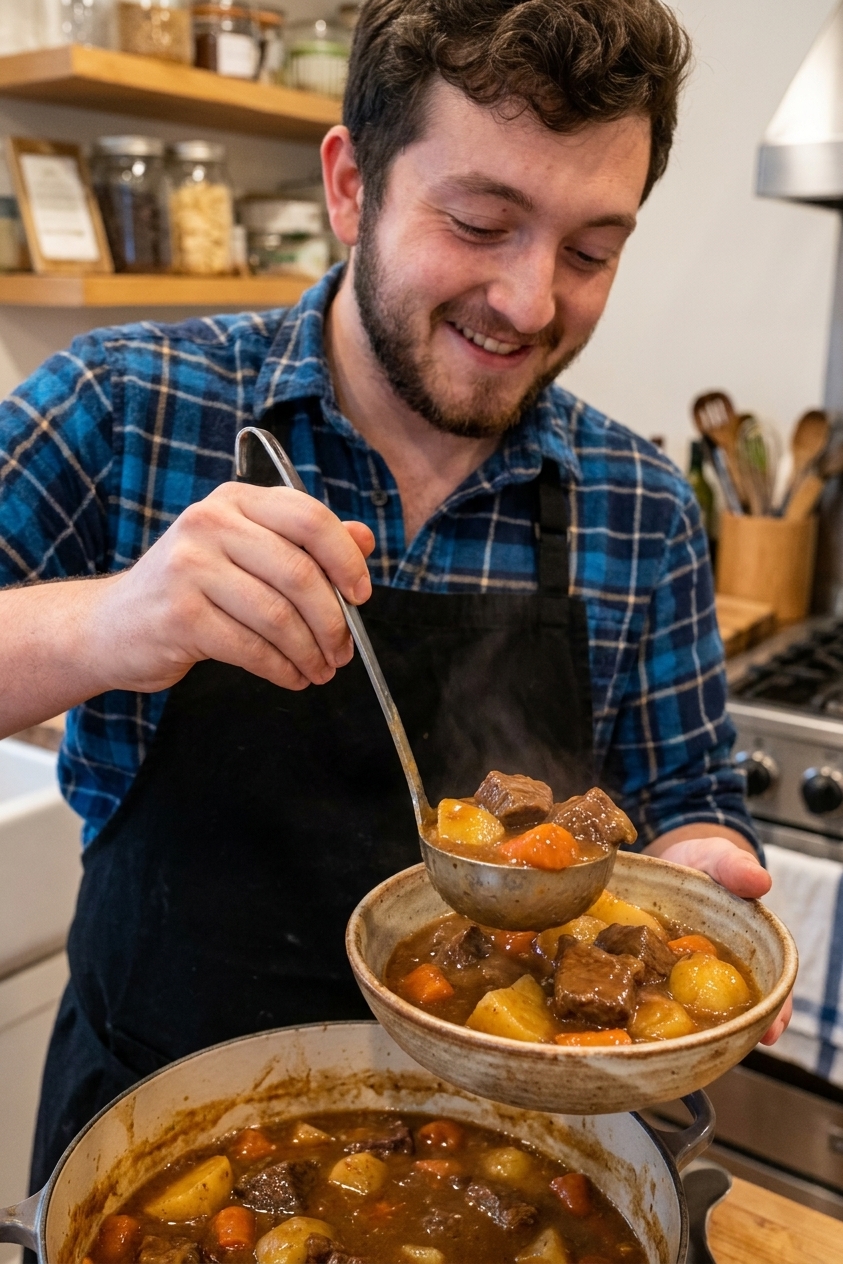
Mom's Best Recipes
Recipe

Classic Beef Stew

Tender beef, hearty vegetables, and a rich gravy-style broth. Cozy, reliable, and perfect for leftovers.

Author By Matt Campbell
4.8
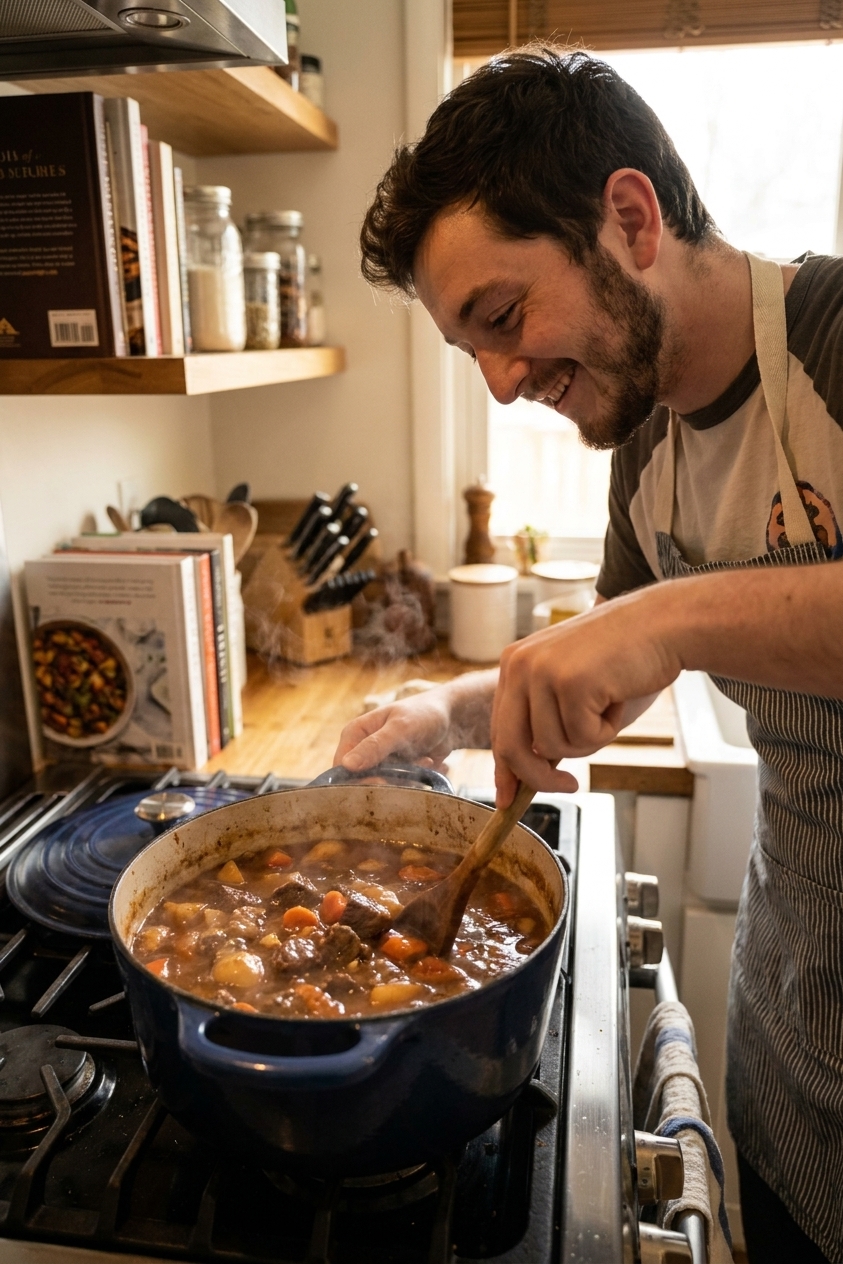
A real photograph of a bubbling Dutch oven filled with classic beef stew, showing tender beef chunks, carrots, and potatoes in a glossy brown gravy on a stovetop in a home kitchen
Jump to Recipe

Beef stew is one of those meals that makes the whole house smell like you’ve got your life together, even if the sink is full and someone just asked for a snack while you’re holding a knife. This version is my go-to for tender beef, cozy potatoes, and that deep, savory broth that turns into gravy with a few smart steps and a low, steady simmer.

We’re keeping the ingredients accessible and the steps clear, but we’re not skipping flavor. The big wins here are: browning the beef, letting tomato paste get a quick toast in the pot, and giving everything enough time to simmer until the meat relaxes and the vegetables soak up the good stuff.
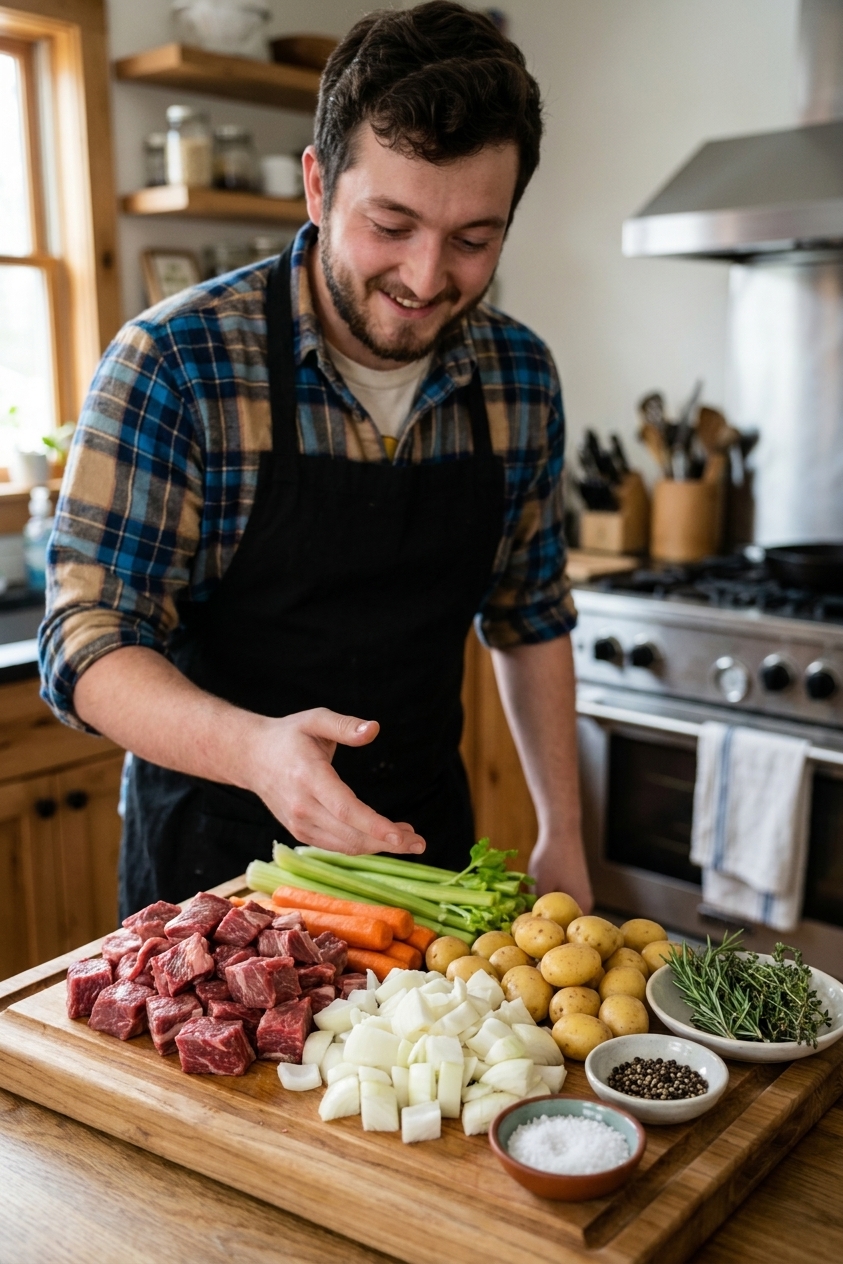
A real photograph of raw stew beef cubes, chopped onions, carrots, celery, and baby potatoes arranged on a wooden cutting board with small bowls of salt, pepper, and herbs in a home kitchen

Why It Works

  • Fall-apart tender beef thanks to a low, steady simmer and the right cut (chuck is the move).
  • Thick, glossy broth that eats like gravy, made with a simple flour step and a short reduction at the end if you want it even thicker.
  • Hearty, kid-friendly veggies that hold their shape best when you keep the simmer gentle and cut the potatoes into larger chunks.
  • Make-ahead friendly flavor that actually improves overnight.

Pairs Well With

Storage Tips

How to Store Beef Stew

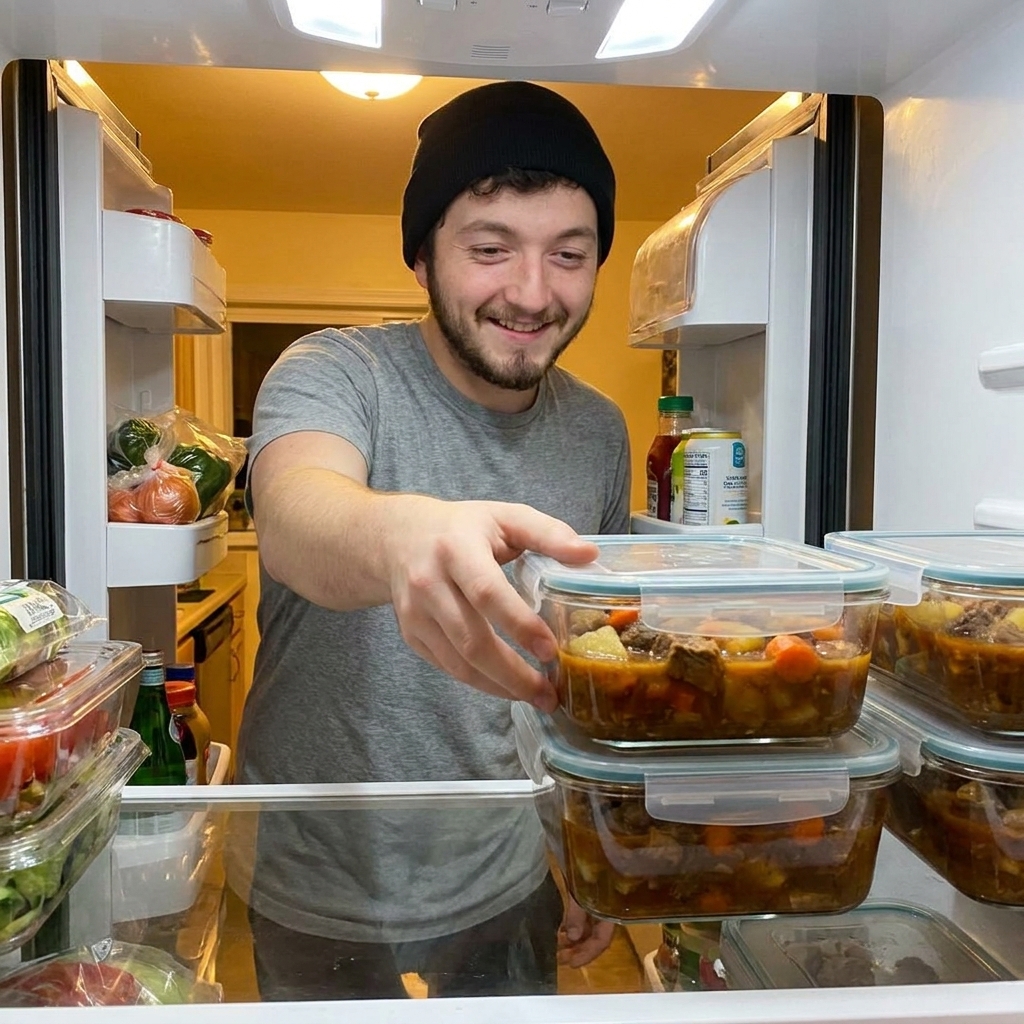
  • Fridge: Cool stew down, then store in airtight containers for 3 to 4 days. The gravy thickens as it chills, which is honestly a bonus.
  • Freezer: Freeze in freezer-safe containers or bags for up to 3 months. Leave a little headspace because liquids expand. Note: potatoes can soften a bit after freezing and reheating, but the flavor still holds up.
  • Reheat: Warm gently on the stovetop over medium-low heat, stirring occasionally. Add a splash of beef broth or water if it’s thicker than you want.
  • Food safety tip: Get leftovers into the fridge within 2 hours of cooking. If you made a huge pot, split it into smaller containers so it cools faster.

A real photograph of portioned beef stew in clear airtight containers stacked on a refrigerator shelf

Common Questions

Common Questions

What is the best cut of beef for stew?

Beef chuck roast is the classic choice because it has enough marbling and connective tissue to turn buttery with a long simmer. Cut it into 1 to 1 1/2-inch cubes. Avoid super-lean cuts here, they tend to go dry and chewy.

Why is my beef stew meat tough?

Tough usually means one of two things: it needs more time or it was cooked at too hard a boil. Keep it at a gentle simmer and give it another 20 to 40 minutes. Chuck gets tender when collagen breaks down, and that takes patience, not higher heat.

How do I thicken beef stew?

This recipe starts with flour, which does most of the thickening. If you want it thicker at the end, simmer uncovered for 10 to 15 minutes. You can also mash a few potatoes right in the pot for a quick, no-extra-ingredient thickener.

Can I make this in a slow cooker?

Yes, but don’t skip the browning step. Brown the beef and sauté the aromatics in a skillet first, then transfer to the slow cooker. Cook on low 8 hours or high 4 to 5 hours. Add peas in the last 15 minutes. If it needs thickening, stir in a cornstarch slurry (start with 1 tablespoon cornstarch + 2 tablespoons water, then add more if needed) and cook 10 more minutes.

Can I add red wine?

Absolutely. Swap 1 cup of the beef broth for dry red wine. Let it simmer briefly after you add it to cook off some of the alcohol and soften the wine’s edge, then continue as written.

Does beef stew freeze well?

Yes. Just know that potatoes can get a little softer or slightly grainy after freezing and reheating. It’s still very good, just more “cozy stew” than picture-perfect chunks.

I started making beef stew when I realized I wanted “restaurant cozy” on a regular Tuesday, not just when I had time to do something dramatic. The first time I nailed it, it was because I stopped rushing the browning step and actually let the pot do its thing. Now it’s my favorite kind of dinner: low-drama, big payoff, and the leftovers are better than the original. That’s basically the holy grail when you’re feeding people who suddenly have opinions about potatoes.