
Mom's Best Recipes
Recipe

Classic Beef Stew

Tender beef, soft potatoes, and carrots in a thick, savory gravy with bright little pops of herbs.

Author By Matt Campbell
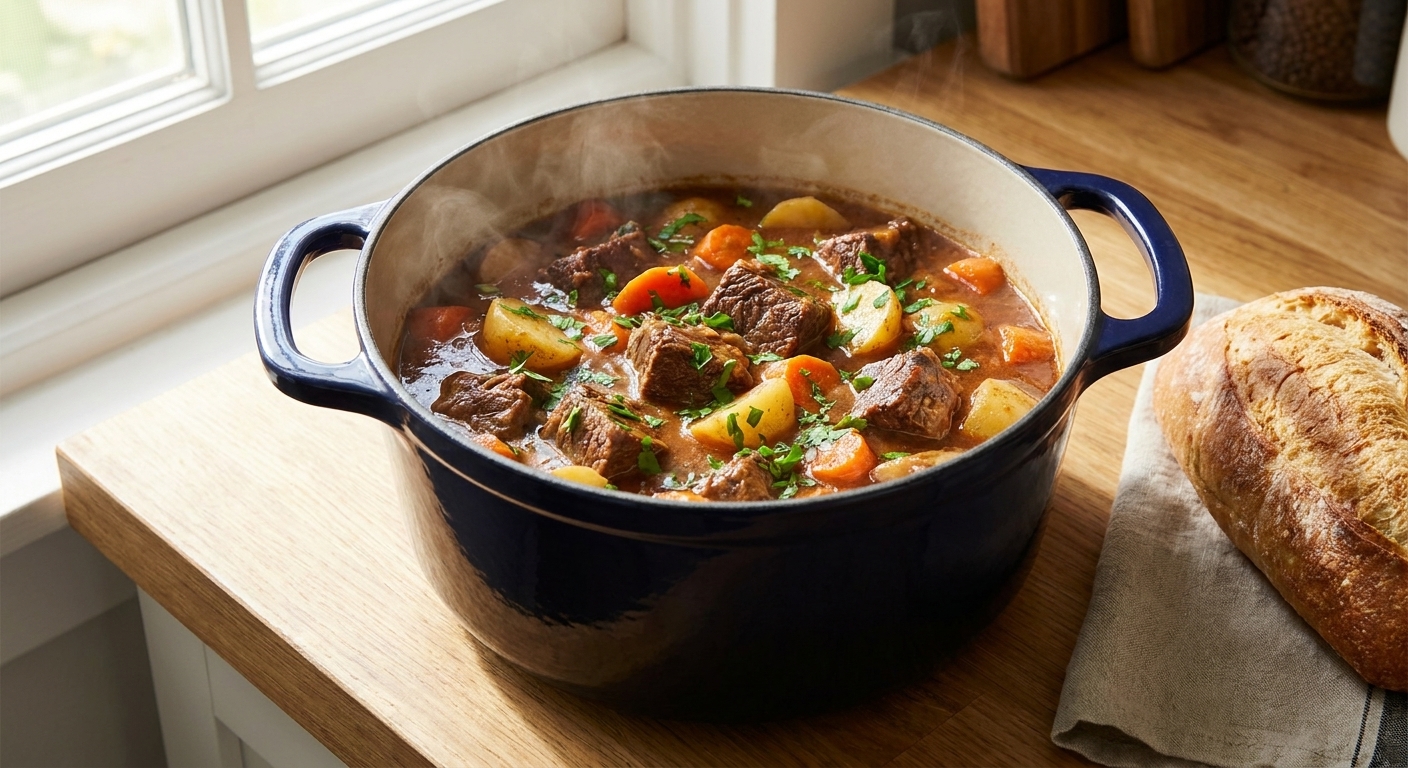
A steaming Dutch oven of classic beef stew with tender beef chunks, carrots, potatoes, and fresh parsley on top, photographed on a cozy kitchen counter with warm natural light
Jump to Recipe

Beef stew is one of those recipes that feels like a warm blanket that also feeds everyone without drama. It's rich, cozy, and forgiving, which is exactly what I want on nights when the day has already asked me 900 questions and dinner is about to ask another.

This version keeps things classic and accessible, but it isn't bland. We build flavor fast with a proper sear, tomato paste, a splash of something acidic, and enough simmer time to turn tough beef into tender, spoon-cut chunks. The gravy lands thick and glossy, the vegetables stay hearty, and the whole pot tastes even better the next day. That's not an accident. That's the plan.
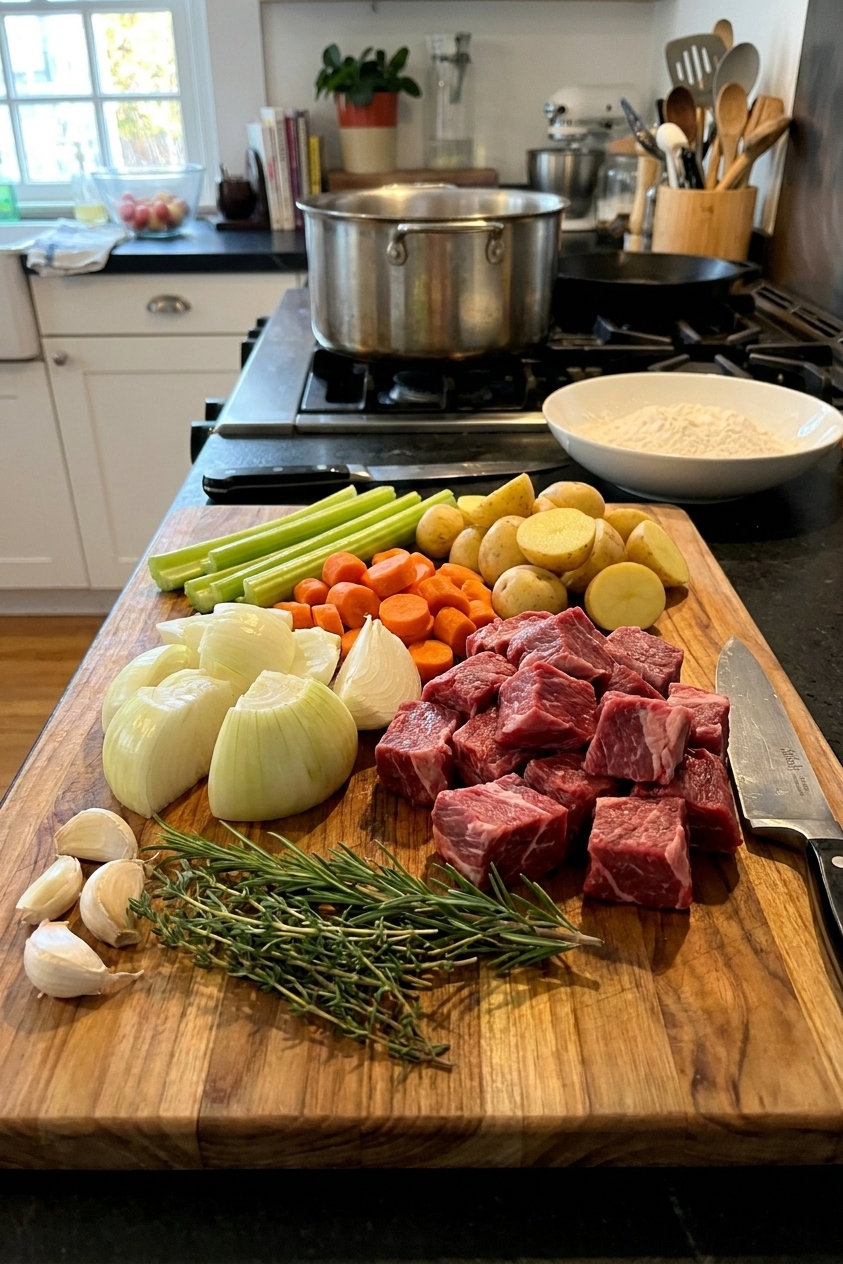
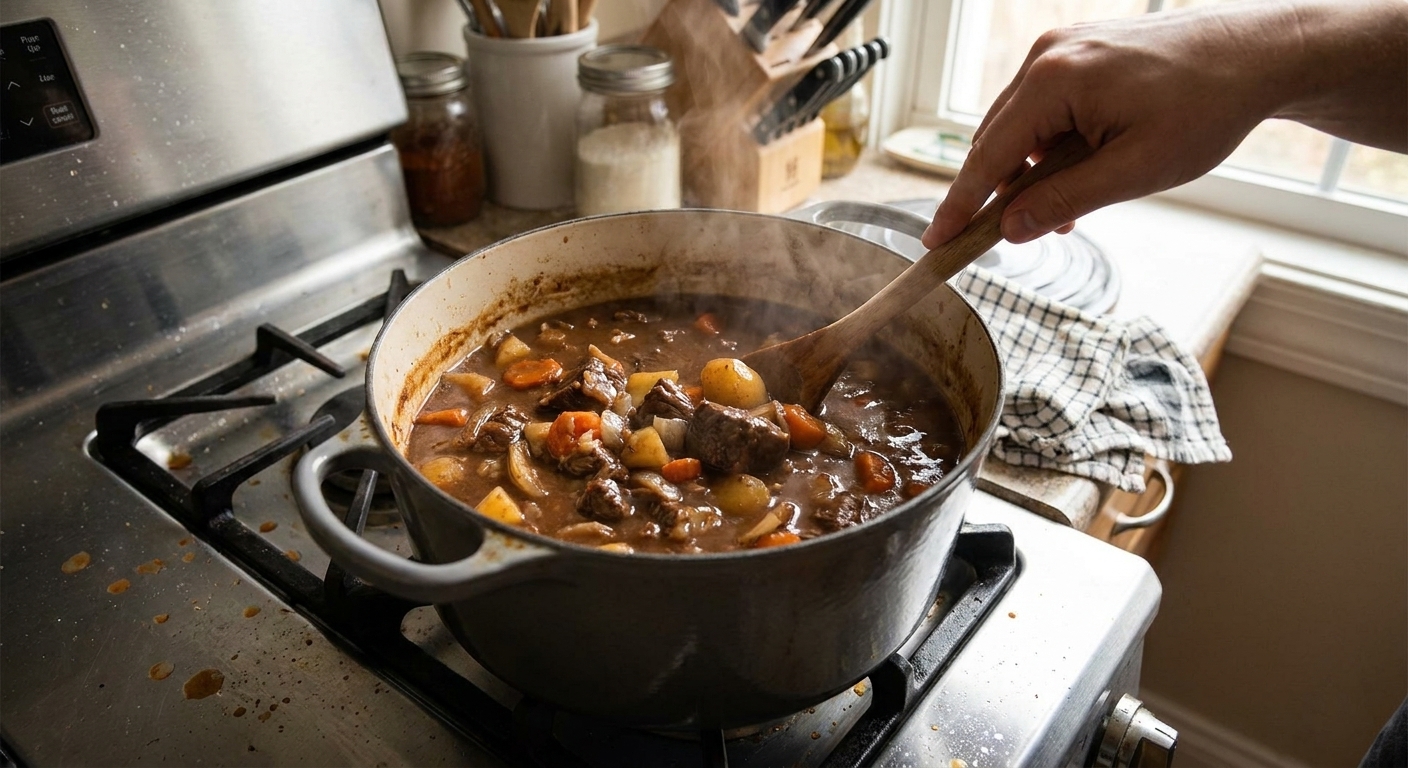
Beef chuck cubes, chopped onions, carrots, celery, potatoes, garlic, and herbs arranged on a wooden cutting board in a home kitchen, real photo style

Why It Works

  • Tender beef without babysitting: Chuck roast plus a low simmer gives you that fall-apart texture without fancy cuts.
  • Thick, savory gravy: A flour dusting, tomato paste, and long simmer create a stew that actually clings to your spoon.
  • Vegetables that taste like the stew, not like boiled sadness: Added at the right time so they get soft but not mushy.
  • Leftovers that improve: Resting overnight deepens the flavor and thickens the broth naturally.

Pairs Well With

Storage Tips

How to Store Beef Stew

In the fridge

Cool the stew quickly, then store in an airtight container for up to 4 days. The fat may rise and set on top. You can stir it back in for extra richness or lift some off if you want it lighter.

In the freezer

Freeze in portioned containers for up to 3 months. Potatoes can soften a bit after freezing, but it's still delicious. If you know you're freezing most of the batch, you can swap potatoes for parsnips or add potatoes fresh when reheating, but that's optional.

Reheating

  • Stovetop: Reheat gently over medium-low, stirring occasionally. Add a splash of broth or water if it's too thick.
  • Microwave: Cover loosely and heat in 60 to 90 second bursts, stirring between rounds.

Flavor rescue tip: If leftovers taste a little flat, add a pinch of salt and a tiny squeeze of lemon or a teaspoon of vinegar right before serving. Brightness wakes everything up.

Common Questions

Common Questions

What is the best meat for beef stew?

Chuck roast is the go-to. It has enough fat and connective tissue to turn buttery after a long simmer. Avoid lean pre-cut stew meat if you can. It dries out and stays chewy.

Why is my stew meat tough?

It usually needs more time, not more heat. Keep the stew at the gentlest simmer you can manage and cook until the beef yields easily when pressed with a spoon. For chuck, that's often about 2 to 3 hours total, depending on your cut and simmer.

How do I thicken beef stew?

This recipe uses flour to start, but you can also thicken at the end by simmering uncovered for 10 to 15 minutes. If you need a quick fix, stir together 1 tablespoon cornstarch + 1 tablespoon cold water, add it to the simmering stew for 1 to 2 minutes, then add more in small amounts if needed.

Can I make beef stew in a slow cooker?

Yes. You still want to sear the beef and cook the aromatics first for best flavor. Then transfer to a slow cooker and cook on LOW for 7 to 8 hours or HIGH for 4 to 5 hours. Add potatoes and carrots when there are about 2 to 3 hours left on LOW (or until tender) so they do not turn to mush.

Can I make it without wine?

Absolutely. Use extra beef broth plus 1 tablespoon balsamic vinegar or 2 teaspoons Worcestershire to bring the same depth.

What vegetables work besides potatoes and carrots?

Great options: mushrooms, parsnips, turnips, peas (stir in at the end), or sweet potatoes (softer and sweeter, but still good).

I started making beef stew when I realized I wanted one pot that could handle real life. Something that could simmer while I reset the kitchen, help with homework, or just stand there eating pickles out of the fridge like a person with no plans. The first time I nailed the sear and actually scraped up all those browned bits, the stew went from “fine” to “wait, why is this so good?” Now it's my cold-weather default, and I make it with the same energy every time: relaxed, hungry, and fully committed to extra gravy.