
Mom's Best Recipes
Recipe

Classic Beef Stew

Tender beef, hearty vegetables, and a rich gravy that tastes like you babysat it all day.

Author By Matt Campbell
4.8
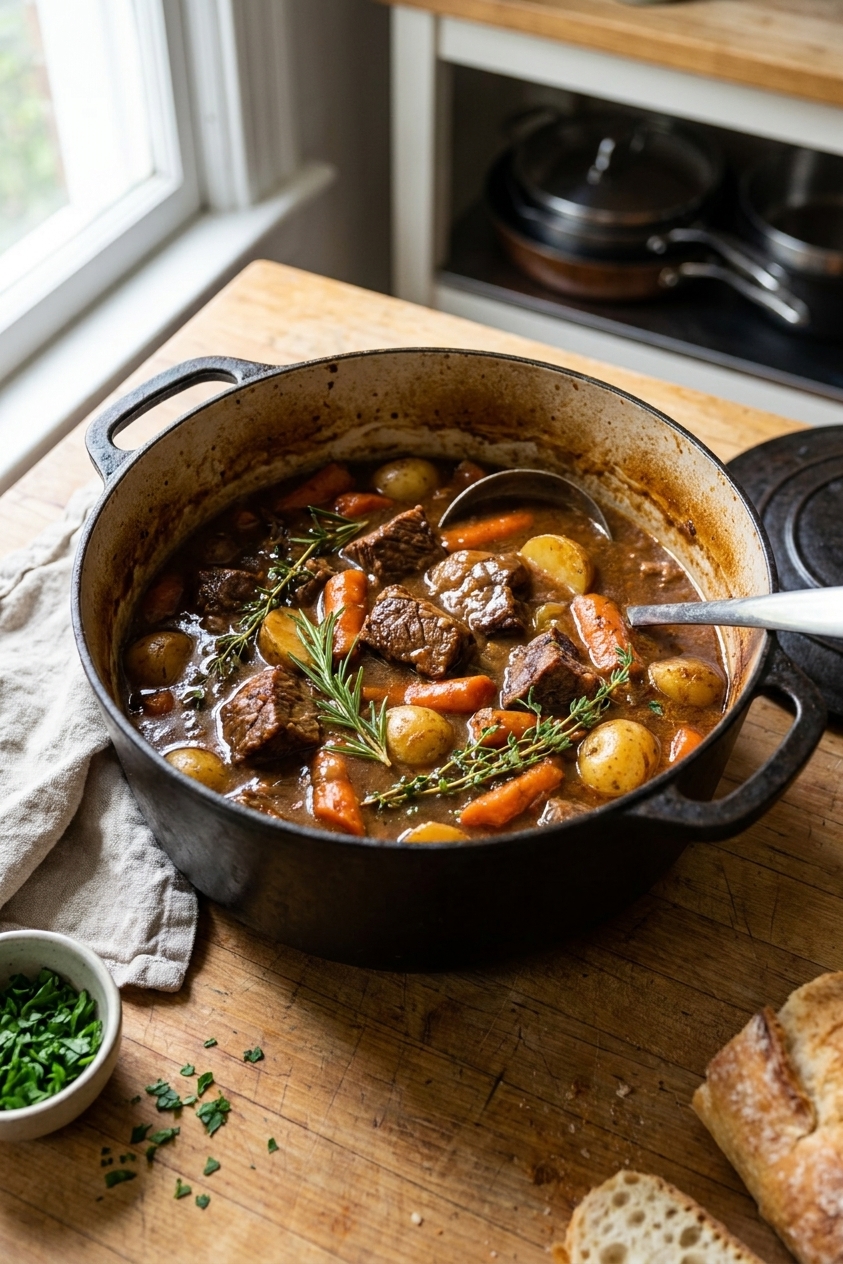
Dutch oven filled with beef stew with browned beef chunks, carrots, potatoes, and herbs in a glossy rich gravy on a wooden kitchen counter
Jump to Recipe

Beef stew is that dinner that makes the whole house smell like you have your life together, even if you are currently wearing mismatched socks and negotiating with a kid about what counts as a vegetable.

This is my go-to classic beef stew when I want tender, spoonable beef, potatoes that actually hold their shape, and a broth that turns into a silky gravy without getting weird or gluey. We are using accessible ingredients, one big pot, and a couple of low-drama tricks that make a huge difference. You can do it on a weeknight with a little planning, or make it on Sunday and live like royalty on Monday.
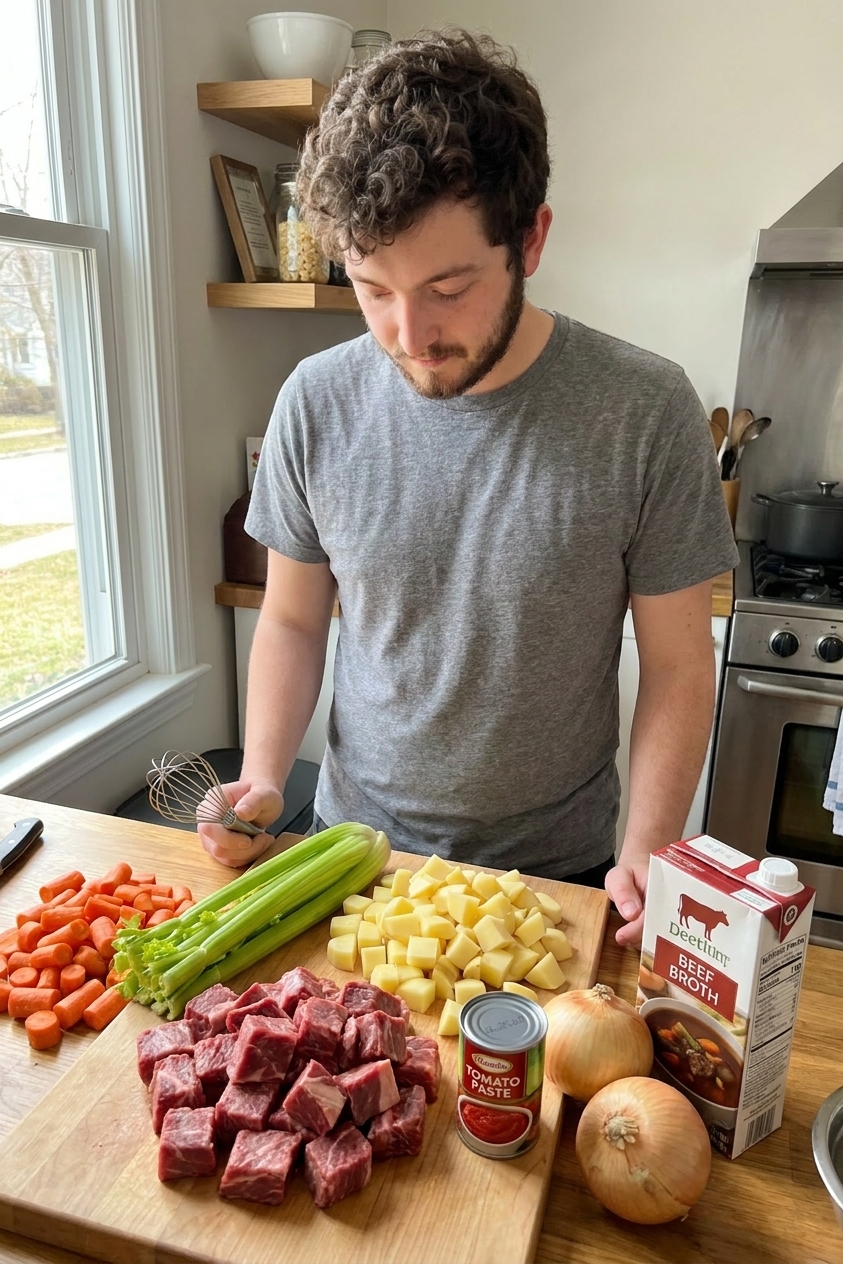
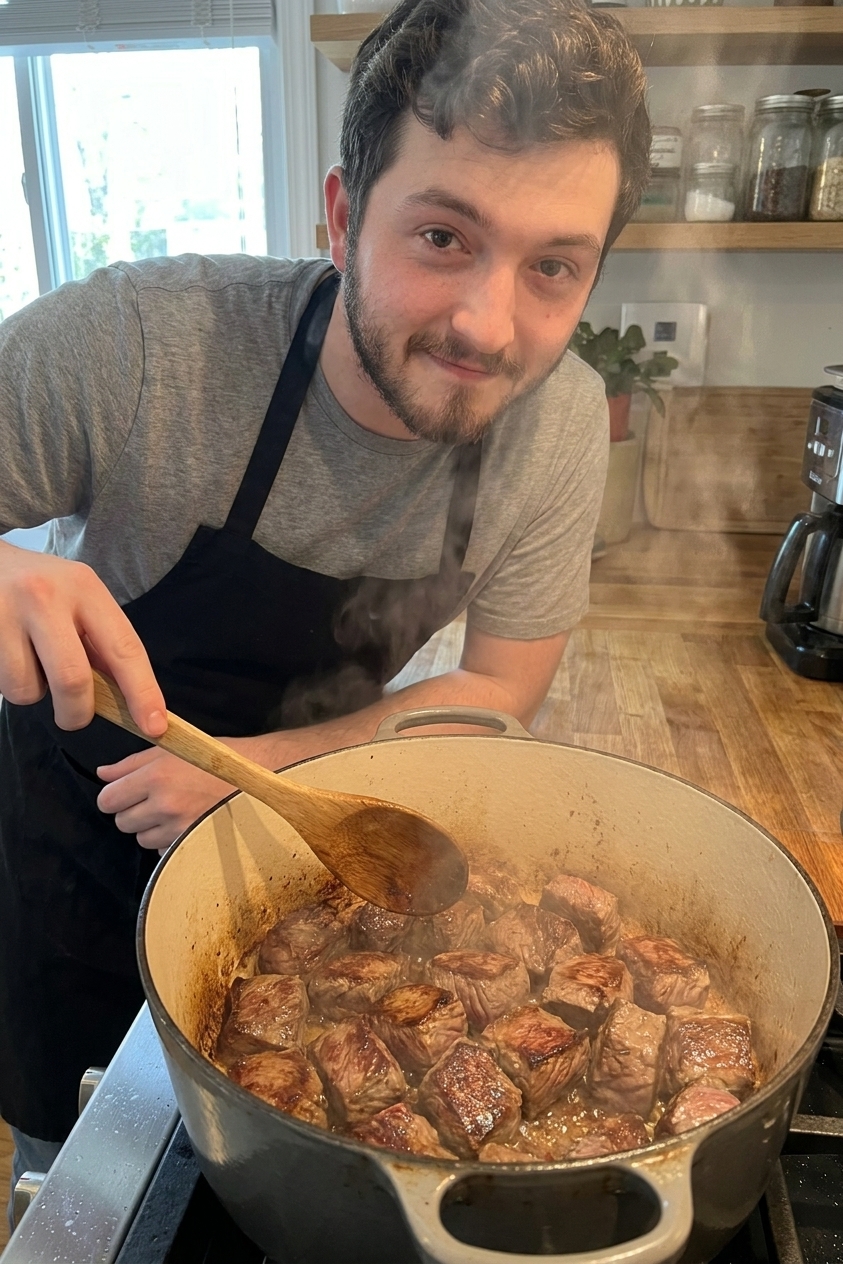
Beef stew ingredients including chuck roast cubes, carrots, onions, celery, potatoes, tomato paste, and beef broth arranged on a kitchen counter

Why It Works

  • Big beef flavor: We brown the meat properly, then let it simmer low and slow so it turns tender instead of tough.
  • Rich, glossy gravy: A light flour coating plus tomato paste and simmer time builds body without needing a packet mix.
  • Vegetables that do not disintegrate: Potatoes and carrots go in at the right time so they are soft, not mush.
  • Make-ahead friendly: Like chili, it gets better overnight as the flavors settle in.

Pairs Well With

Storage Tips

How to Store Leftovers

Beef stew is a leftovers superstar. The gravy thickens as it chills, so do not panic when it looks extra cozy the next day.

Food safety note: Cool leftovers quickly and refrigerate within 2 hours. For fastest cooling, use shallow containers and leave the lid slightly cracked until steam stops (then seal and chill).

Refrigerator

  • Store in an airtight container for 3 to 4 days.
  • Reheat gently on the stovetop over medium-low heat, adding a splash of broth or water to loosen.

Freezer

  • Freeze in portioned containers for up to 3 months for best quality.
  • Thaw overnight in the fridge if you can, then reheat on the stovetop. If reheating from frozen, use low heat and stir often so the bottom does not scorch.

Tip for make-ahead

If you know you are freezing it, slightly undercook the potatoes by a few minutes so they stay nicer after reheating.

Common Questions

Common Questions

What is the best cut of beef for stew?

Chuck roast is the classic choice. It has enough fat and connective tissue to turn fork-tender after simmering. Avoid very lean cuts unless you want a drier, less velvety result.

Why is my stew meat tough?

Tough stew usually means one of two things: it did not cook long enough, or it boiled too hard. Keep it at a gentle simmer and give it time. Chuck goes from tough to tender in that magical 90 to 120 minute window (give or take, depending on your pieces).

How do I thicken beef stew?

This recipe uses flour on the beef plus a simmer to thicken naturally. If you want it thicker at the end, mash a few potatoes into the broth or stir in a cornstarch slurry (1 tablespoon cornstarch mixed with 1 tablespoon cold water) and simmer 2 minutes.

Can I make this in a slow cooker?

Yes. Brown the beef and sauté the onion and tomato paste on the stove first for better flavor. Then cook on low 8 hours or high 4 to 5 hours. Add the potatoes and carrots during the last 2 to 3 hours on low so they do not turn to mush.

Can I skip the wine?

Totally. Use more beef broth. If you want that little pop of brightness wine gives, add 1 teaspoon of red wine vinegar or balsamic at the end, to taste.

I started making beef stew when I realized it is basically the culinary version of putting on a hoodie. It forgives you if you are a little distracted, it makes the kitchen smell like comfort, and it somehow turns a handful of humble ingredients into a dinner that feels like a win. My favorite part is the moment you stir after the long simmer and the broth has gone from “soupy” to “silky.” That is when I taste, add one last pinch of salt, and feel like I just pulled off a small magic trick.