Mom's Best Recipes
Recipe

Classic Beef Stew

Tender beef, potatoes, and carrots in a rich, savory gravy that tastes like you cooked all day (even if you did not).

Author By Matt Campbell
4.8
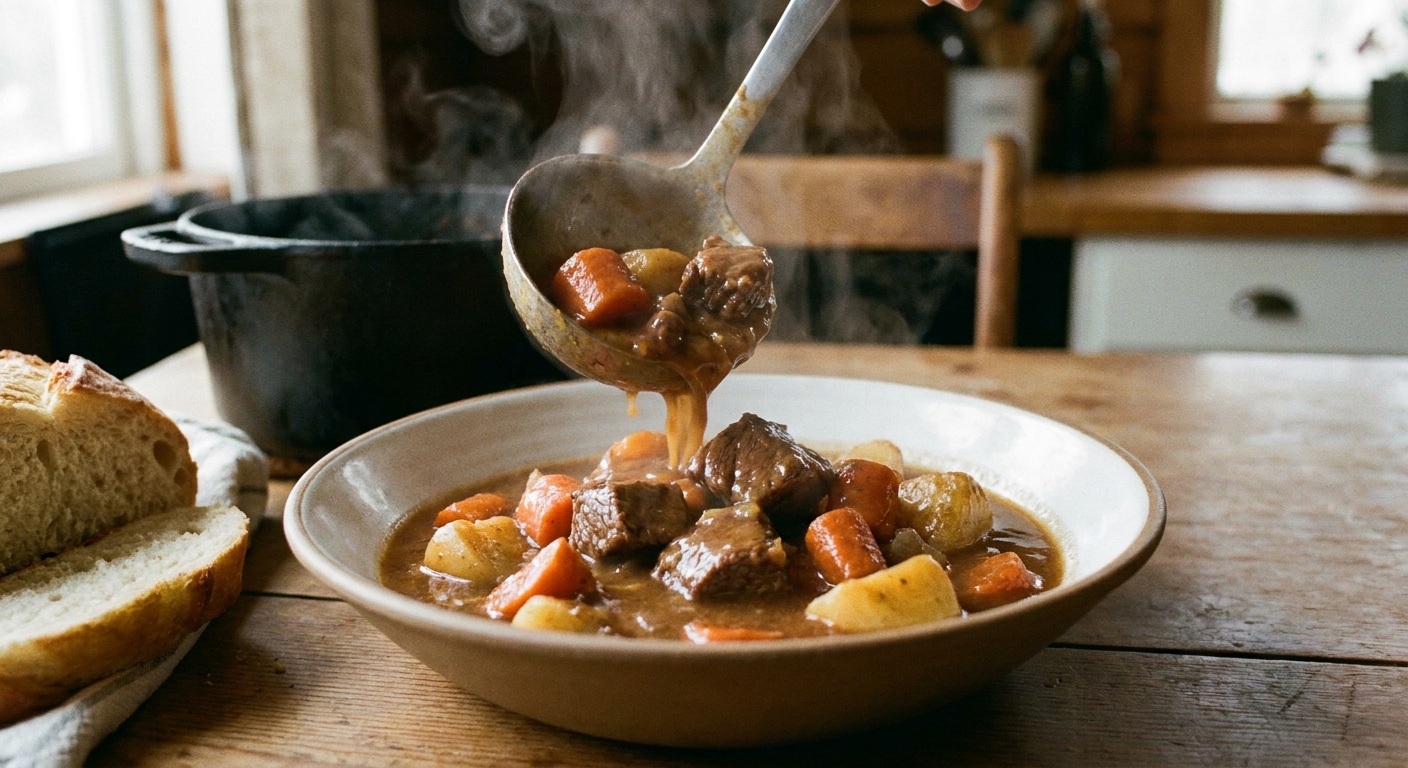
A real photograph of a Dutch oven filled with classic beef stew, showing tender chunks of beef, carrots, and potatoes in a glossy brown gravy with steam rising in a cozy kitchen setting
Jump to Recipe

Beef stew is one of those dinners that makes the whole house feel calmer. It is warm, it is filling, and it does that magical thing where it tastes even better the next day. This is my go-to classic beef stew recipe for when I want something cozy but still practical for real life.

We are keeping it straightforward: accessible ingredients, clear steps, and a few small tricks that make a big difference. Think deep browning for flavor, tomato paste for richness, and a little flour to help the broth turn into that glossy, spoon-coating gravy everyone fights over.

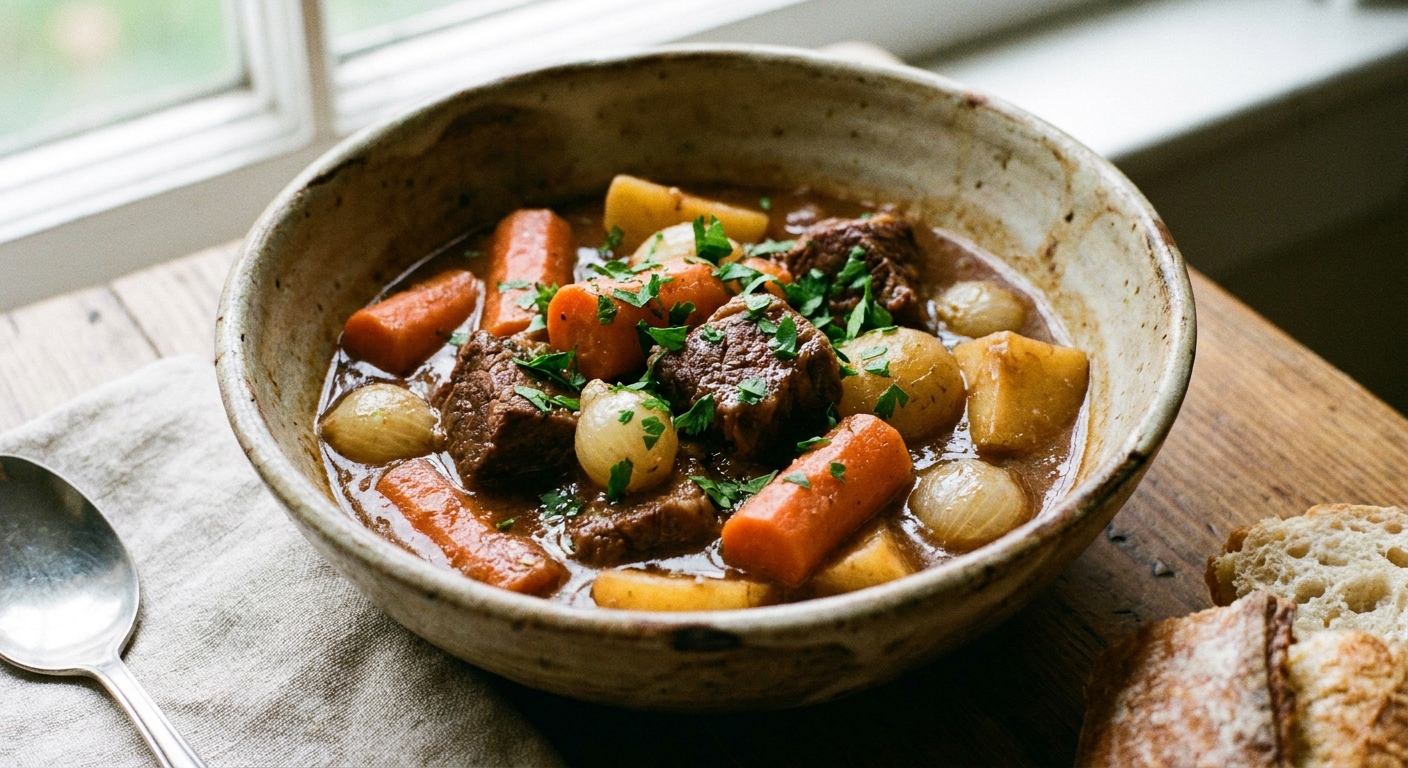
A real photograph of a ladle pouring thick beef stew into a wide bowl, with visible chunks of beef, carrots, potatoes, and a rich brown gravy

Why It Works

  • Big flavor with simple steps: Browning the beef and cooking the tomato paste for a minute builds the deep, savory base.
  • Fork-tender beef: A low simmer gives you that melt-in-your-mouth texture without fancy techniques.
  • Thick, cozy gravy: A light flour coating and a gentle simmer thicken the stew naturally.
  • Family-friendly: Classic flavors, not spicy, and easy to adjust for picky eaters.
  • Leftovers that improve overnight: The kind of meal prep win that tastes like a reward.

Pairs Well With

Storage Tips

How to Store Beef Stew

  • Fridge: Cool briefly, then refrigerate promptly (within about 2 hours) in airtight containers for up to 4 days. The fat may rise and solidify, which is normal. You can skim it or stir it back in when reheating.
  • Freezer: Freeze in freezer-safe containers for up to 3 months. Leave a little headspace because it expands.
  • Reheat: Warm gently on the stovetop over medium-low, stirring occasionally. Add a splash of broth or water if it thickens too much.
  • Make-ahead tip: If you know you will freeze it, consider cooking the potatoes slightly less so they hold their shape better after thawing.

Common Questions

Common Questions

What is the best cut of beef for stew?

Chuck roast is the classic choice because it has enough fat and connective tissue to turn tender after a long simmer. Look for good marbling and cut it into even pieces.

Why is my stew meat tough?

It usually needs more time, not more heat. Tough beef often means the connective tissue has not broken down yet. Keep it at a gentle simmer and give it another 20 to 40 minutes. (Sometimes chuck just wants closer to 2 1/2 to 3 hours total, depending on your pot, your simmer, and the size of your chunks.)

How do I thicken beef stew?

This recipe uses flour on the beef plus a simmer to thicken. If you want it thicker at the end, mash a few potato chunks into the broth, or simmer uncovered for 5 to 10 minutes to reduce. You can also stir in a slurry made from 1 tablespoon cornstarch + 1 tablespoon cold water and simmer 2 minutes.

Can I make this in a slow cooker?

Yes. Follow the same early steps on the stove: coat the beef with flour, brown it, then sauté the onion, garlic, and tomato paste in the same pot. Deglaze with wine or broth, then transfer everything to the slow cooker and cook on LOW 7 to 8 hours or HIGH 4 to 5 hours. Add the carrots and potatoes later so they do not turn mushy: add carrots for the last 4 to 5 hours on LOW (or last 2 to 3 on HIGH), and add potatoes for the last 3 to 4 hours on LOW (or last 2 on HIGH).

Can I make it without wine?

Absolutely. Swap the wine for extra beef broth plus 1 teaspoon apple cider vinegar to keep the flavor bright. If you love Worcestershire, you can add an extra 1 teaspoon, but keep in mind the recipe already includes it.

Can I add peas or mushrooms?

Yes. Add mushrooms with the onions. Add frozen peas in the last 5 minutes so they stay sweet and green.

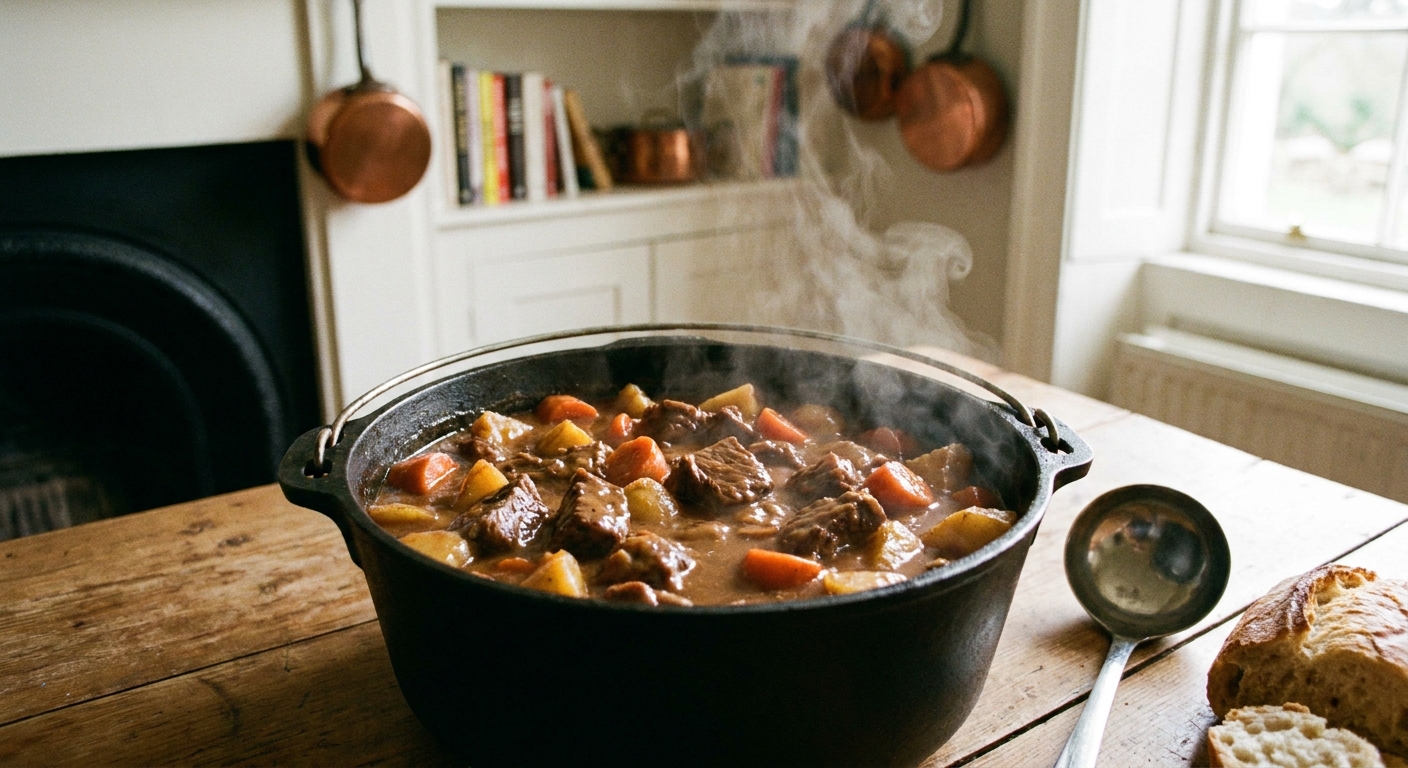
I love beef stew because it is equal parts comfort and strategy. On the first night, it is a cozy bowl with steam and soft potatoes. On the second night, it turns into this deeper, richer thing that tastes like you secretly had a personal chef hanging out in your kitchen. I started making stew when I realized I could take one affordable cut of beef, treat it with a little patience, and end up with a dinner that feels like a hug and feeds everyone without drama. Also, I will admit it. I always toast bread just to chase the last swipe of gravy around the bowl.