Is bibimbap always spicy?
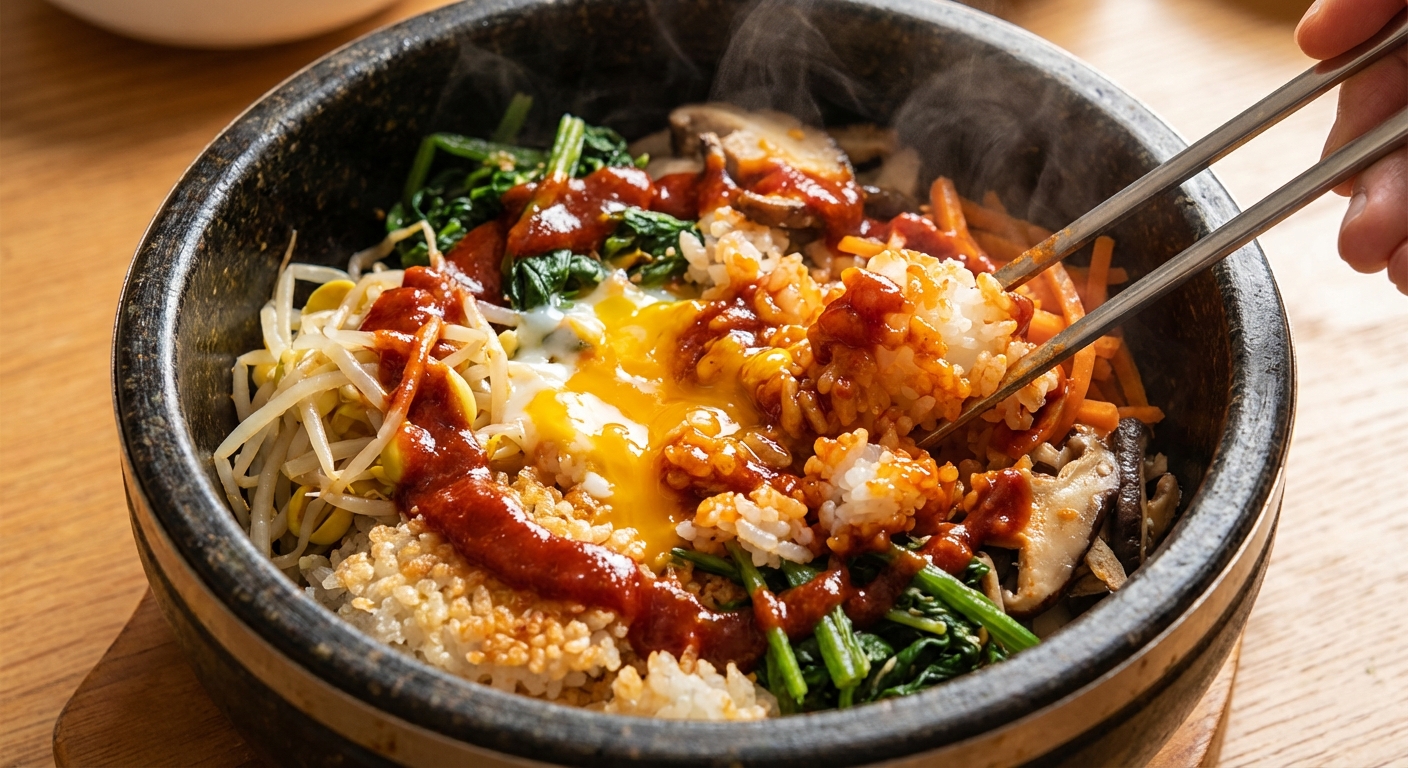
No. The heat mostly comes from gochujang. You can make the sauce mild by using less gochujang and adding a little extra sesame oil and honey to keep it balanced.
What makes bibimbap “classic”?
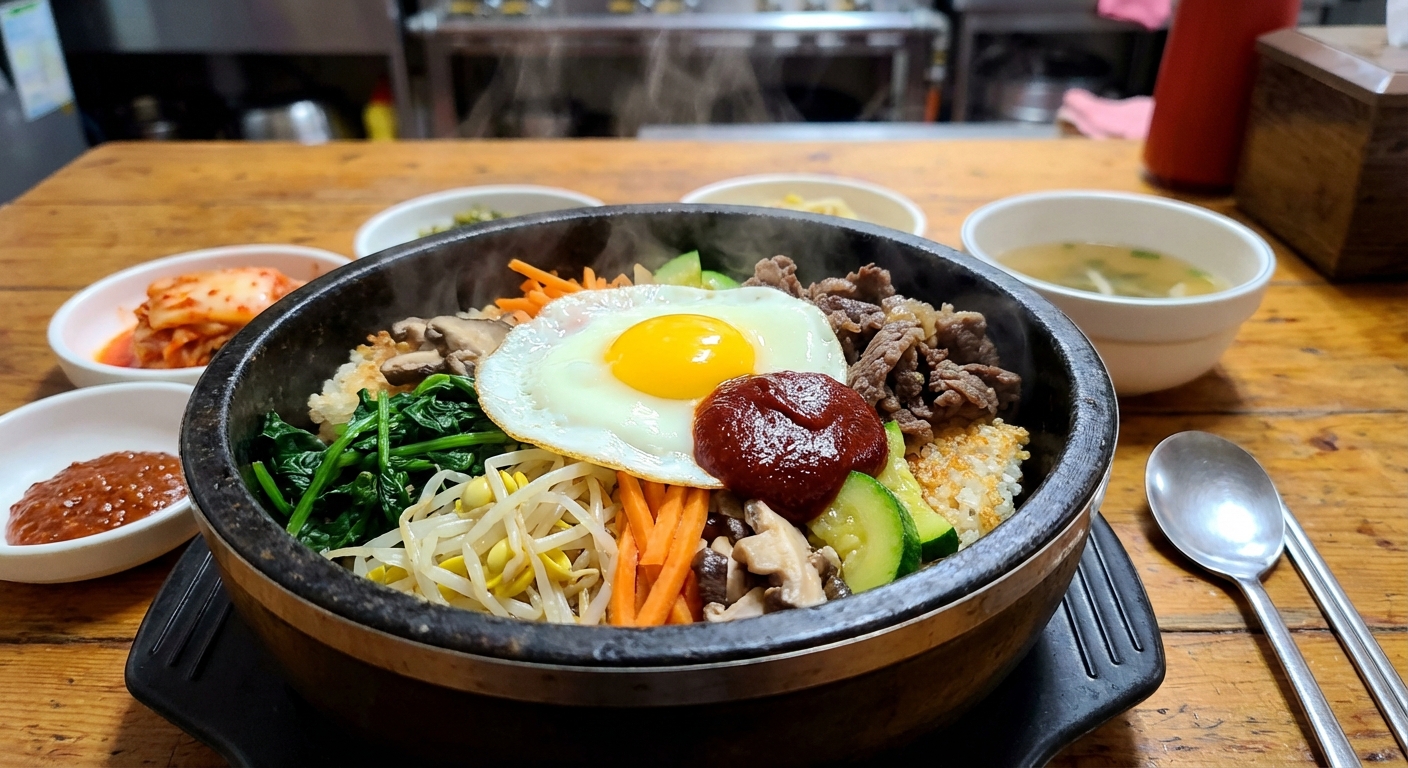
The spirit is the same: warm rice, assorted seasoned toppings (often namul-style veggies), gochujang-based sauce, and mixing it all together right before eating. There are regional and household variations, so “classic” is more about the flavor profile and method than one strict ingredient list.
Note: Some traditional additions include gosari (fernbrake), doraji (bellflower root), or radish salad. This version keeps the flavors true while using easier-to-find toppings.
Do I need a dolsot (stone bowl)?
No. A regular bowl is great. If you want that signature crispy rice, use a well-oiled cast iron skillet or small nonstick pan to crisp the rice before assembling.
What protein works best?
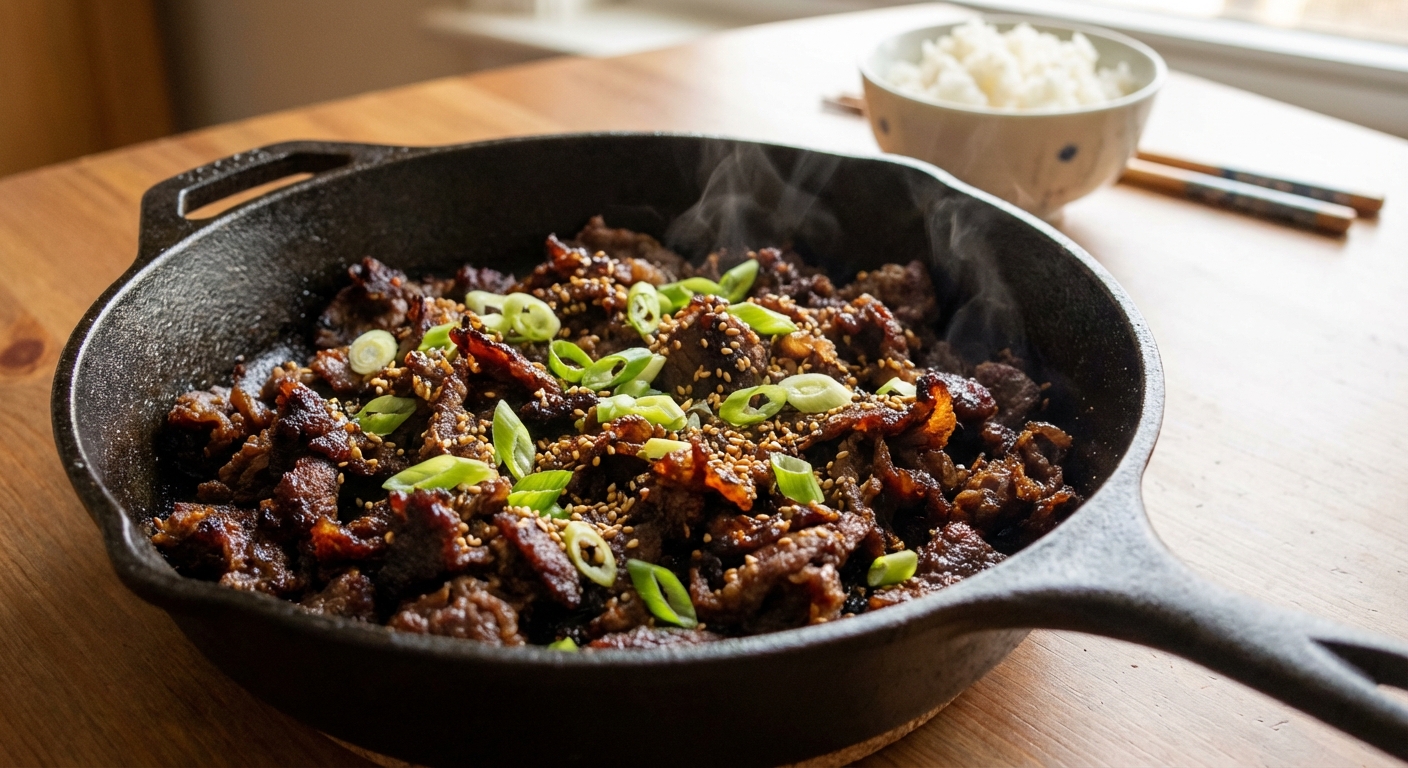
Thinly sliced beef is classic, but ground beef, chicken, shrimp, or tofu all work. The sauce is the real star, so pick what fits your week.
Can I use leftover rice?
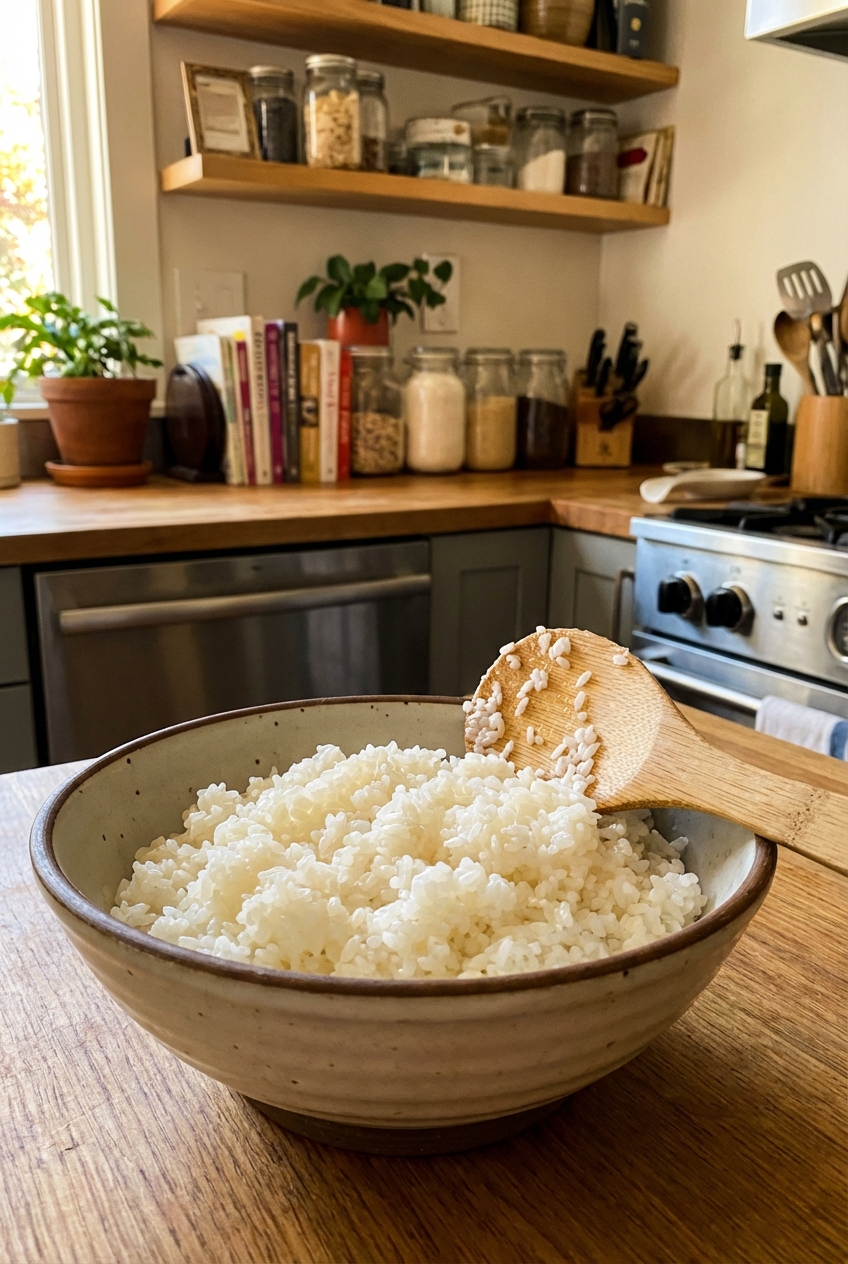
Yes, and it is honestly ideal for crispy rice. Day-old rice is a little drier, which helps it brown instead of steaming.
Does gochujang vary by brand?
Yes. Some brands are sweeter, saltier, or hotter than others. Start with the listed amount, then adjust with a little more honey for sweetness, vinegar for tang, or water to soften the heat.