Mom's Best Recipes
Recipe

Classic Bolognese (Rich and Meaty)

Slow-simmered meat sauce with a splash of milk, a kiss of tomato, and deep savory flavor that clings to pasta like it means it.

Author By Matt Campbell
4.9
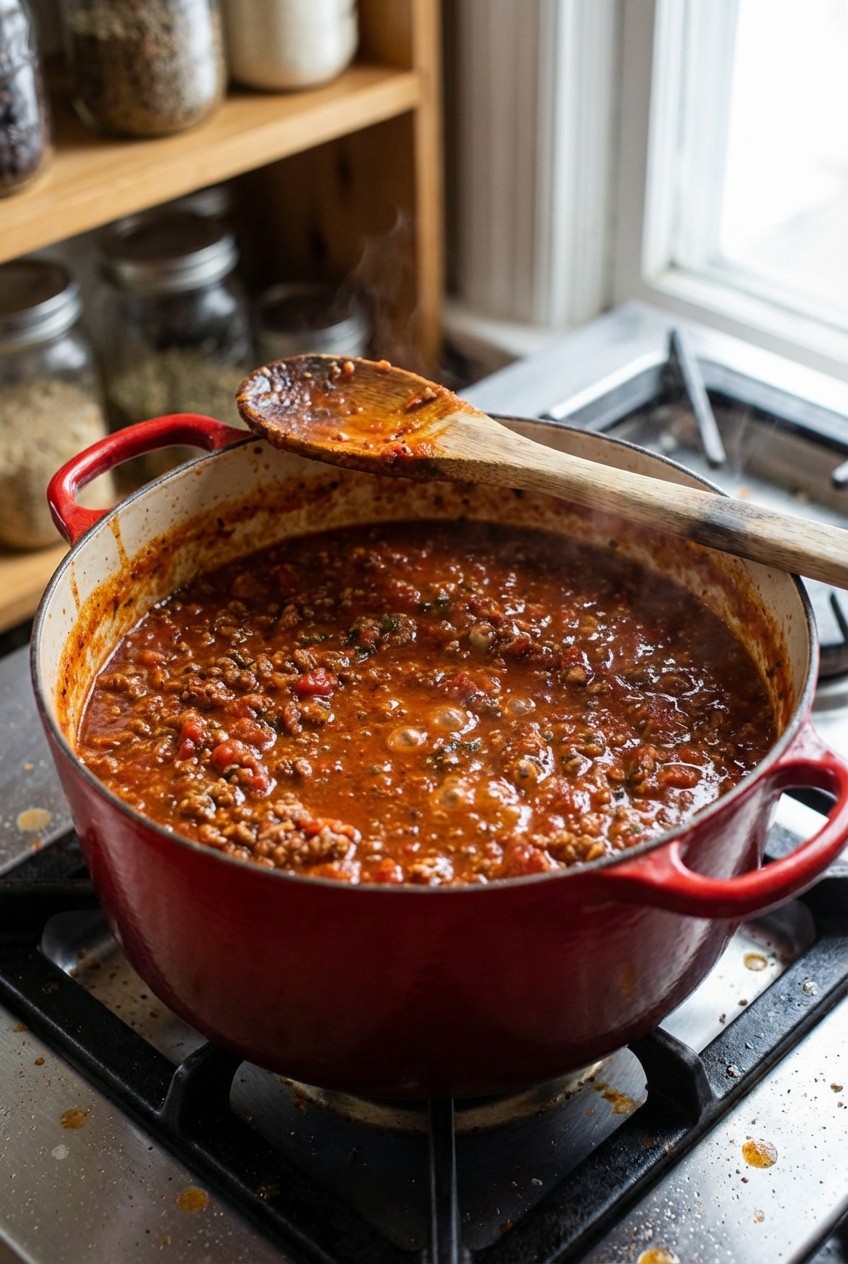
Dutch oven filled with rich bolognese sauce simmering on a stovetop with a wooden spoon resting on the rim

If you have ever ordered bolognese at a restaurant and wondered why yours at home tastes like regular spaghetti sauce with ground beef, you are not alone. A true classic bolognese is less about big tomato energy and more about patient browning, gentle simmering, and building layers until the whole pot tastes like it has been working all day.

This version is rich, meaty, and cozy in the best way. It uses accessible ingredients, clear steps, and a couple of small tricks that make a huge difference: brown the meat properly, let the soffritto get sweet, and finish with milk for that silky, restaurant-style depth.

Pasta note: Wider noodles like tagliatelle and pappardelle cling to this sauce beautifully, but spaghetti still works and nobody is mad about it.
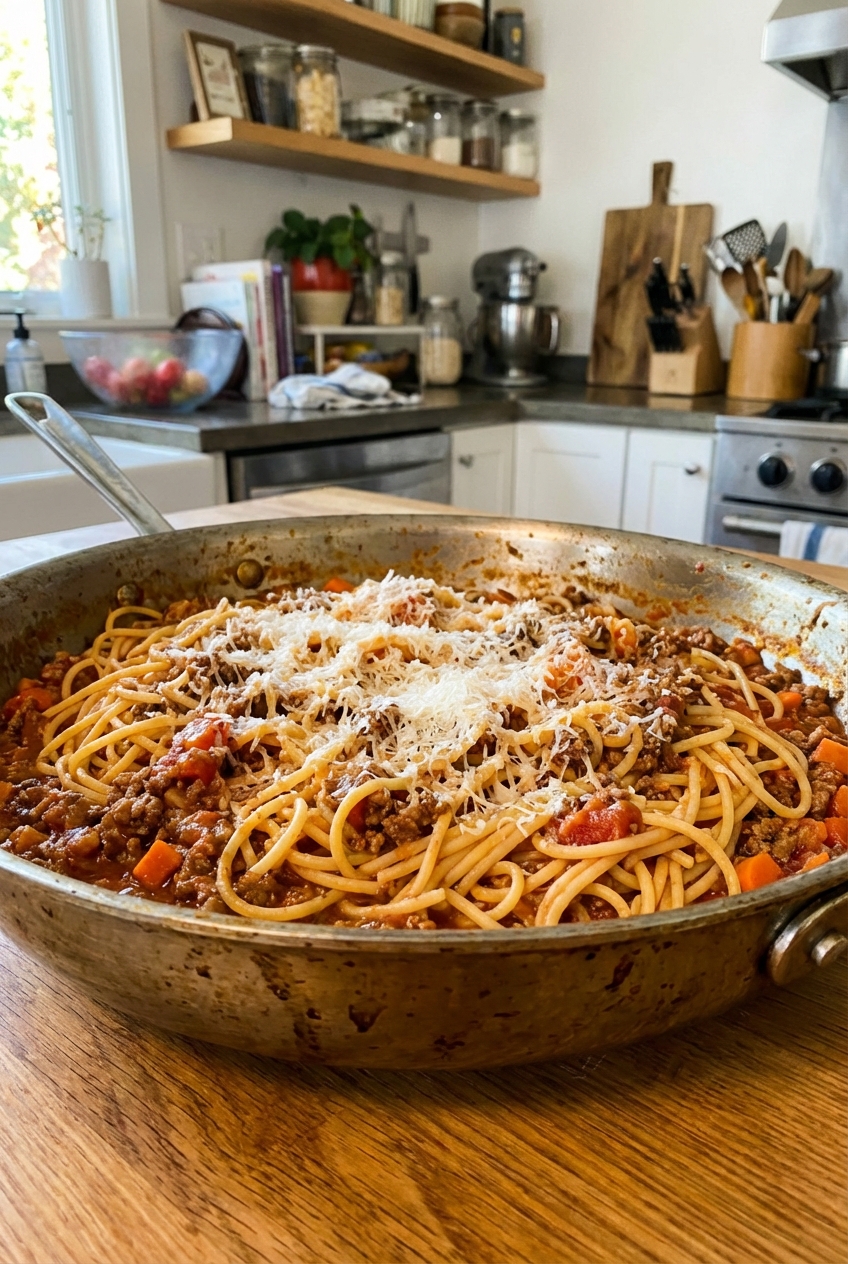
Spaghetti tossed with bolognese in a large pan with grated Parmesan on top

Why It Works

  • Deep, savory flavor from browning the meat until it actually browns, not just turns gray.
  • Silky texture thanks to milk added during the simmer, which softens acidity and rounds everything out.
  • Thick, clingy sauce that coats noodles instead of sliding to the bottom of the bowl.
  • Make-ahead friendly and honestly better the next day, which is the kind of kitchen win I live for.

Pairs Well With

Pairs Well With

  • Pasta: tagliatelle is classic, pappardelle is luxurious, rigatoni is a sauce-trap (in a good way). Spaghetti works too, especially if you finish it in the sauce with a splash of pasta water.
  • Salad: crisp romaine with lemony vinaigrette to cut the richness.
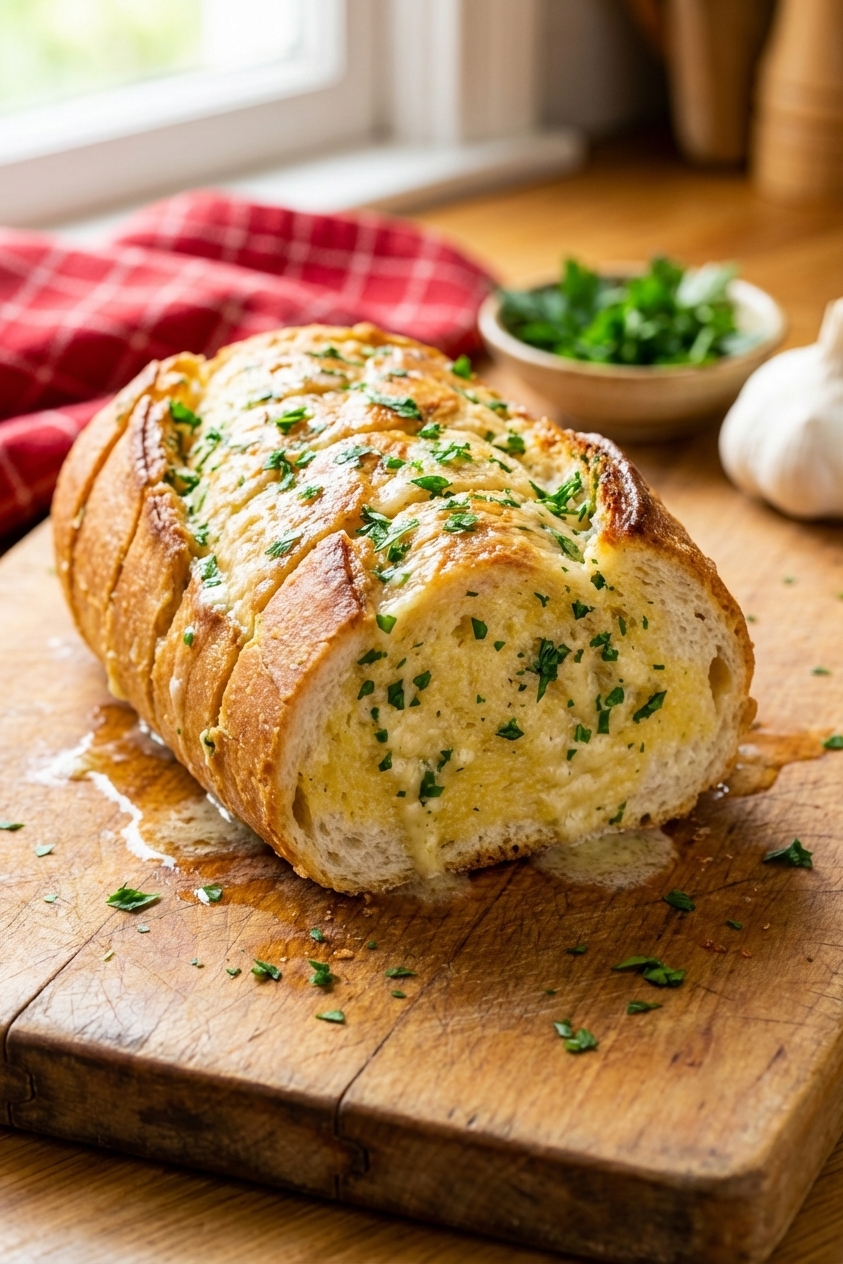
  • Bread: warm crusty bread or garlic bread for the last swipe of sauce.
  • Cheese: Parmigiano-Reggiano, or Pecorino if you like it saltier and sharper.
  • Wine: Sangiovese or Barbera. If you are skipping wine, sparkling water with lemon is a surprisingly great palate reset.

Storage Tips

Fridge: Cool sauce down, then store in an airtight container for up to 4 days. The flavor gets deeper overnight.

Freezer: Freeze in portions for up to 3 months. I like using quart freezer bags laid flat so they stack like files.

Reheat: Warm gently in a saucepan over medium-low with a splash of water or broth. If it looks tight or oily, stir in 1 to 2 tablespoons of water and keep going until it turns glossy again.

Best move: Store sauce and pasta separately if you can. If it is already mixed, it still reheats fine, but add a splash of water and stir often.

Common Questions

Is bolognese supposed to have a lot of tomato?

Classic bolognese is more meat-forward than tomato-forward. Think tomato as a backdrop: a little tomato paste plus a smaller amount of crushed tomatoes for body and sweetness, not a full marinara situation.

Why add milk?

Milk softens the acidity and helps create that mellow, velvety finish. It also helps the sauce stay tender and cohesive during a long simmer.

Can I make it without wine?

Yes. Swap the wine for beef broth plus 1 teaspoon balsamic vinegar (optional) to mimic the depth wine adds.

White wine or red wine?

Either works. White wine keeps things a little brighter and more classic to many traditional approaches. Dry red wine brings deeper, darker notes. Use what you like, just keep it dry.

What if I do not have whole milk?

Half-and-half works great. In a pinch, use 2 percent. Avoid heavy cream unless you want it noticeably richer.

What is the best meat for bolognese?

A mix is best: beef for beefy flavor, and pork for richness. If you want extra luxury, add a little pancetta.

My sauce tastes flat. How do I fix it?

Add salt in small steps first. Then try one of these: a pinch of chili flakes, an extra tablespoon of Parmesan, or 1 teaspoon tomato paste toasted in a small corner of the pot for 30 seconds before stirring in.

The first time I made bolognese the “right” way, I was shocked by how unglamorous it looked at the beginning. Just a pot of chopped vegetables and meat doing its thing. But about an hour in, the kitchen smelled like a serious place. Now it is my favorite Sunday simmer, the kind of recipe that lets you cook with a little chaos while still feeling wildly in control. Also, it is basically guaranteed future-you happiness when there is a container of it waiting in the fridge.