Mom's Best Recipes
Recipe

Classic Boneless Leg of Lamb

Rustic, homestyle roast lamb with garlic, rosemary, and a bright pan sauce. Crispy edges, juicy slices, and zero special-occasion stress.

Author By Matt Campbell
4.8
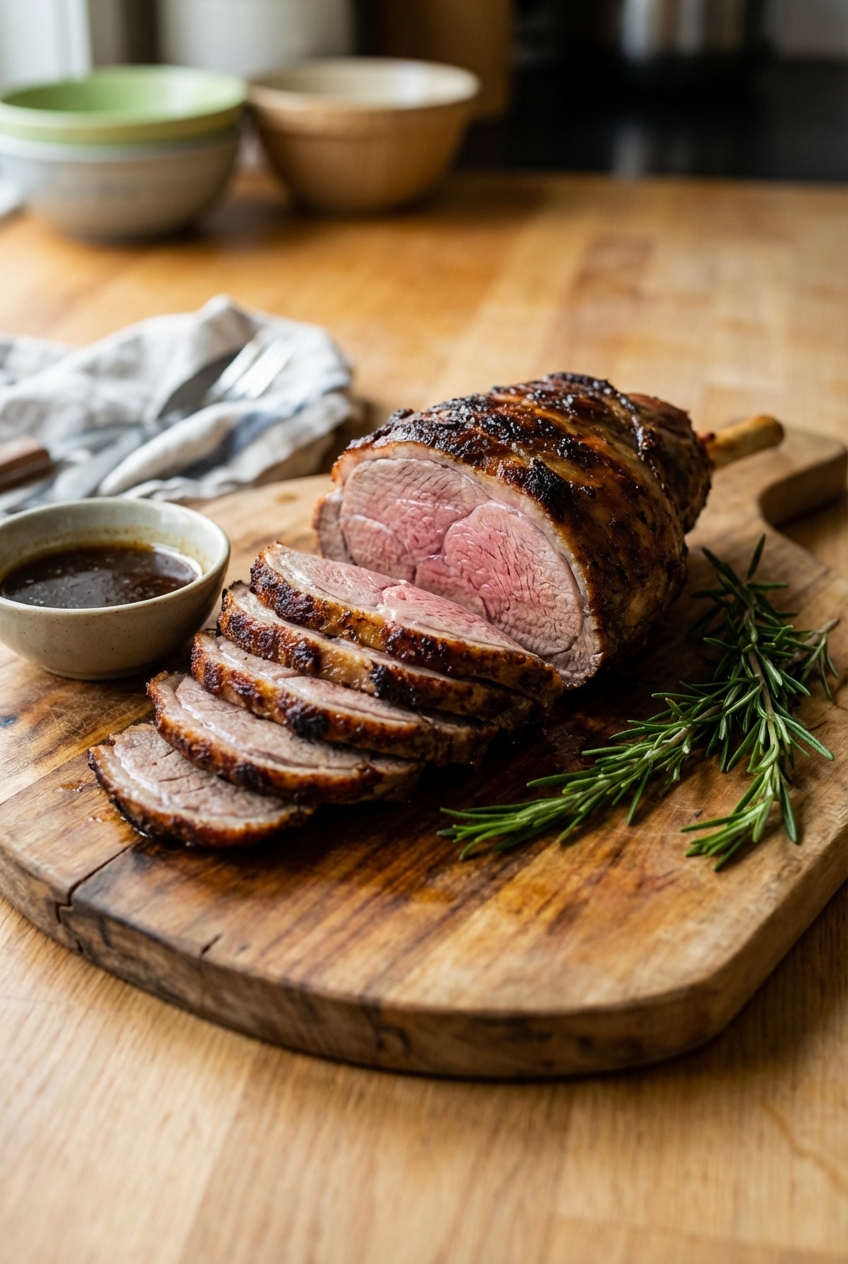
A sliced boneless leg of lamb on a wooden cutting board with crispy browned edges, rosemary sprigs, and pan juices nearby

If you have ever thought roast lamb sounds like a “fancy restaurant” thing, I am here to lovingly disagree. A boneless leg of lamb is basically the weeknight chicken’s cooler cousin. It is forgiving, it loves bold seasoning, and it rewards you with those crispy browned edges that make everyone hover in the kitchen pretending they are “just getting water.”

This is my classic, rustic, homestyle version: garlic and rosemary rubbed right into the meat, a hot start for color, then a gentler roast so the inside stays juicy. We finish with a bright little pan sauce that tastes like you tried harder than you did. Accessible ingredients, clear steps, and lots of tasting as you go, because you are the boss of your own dinner.
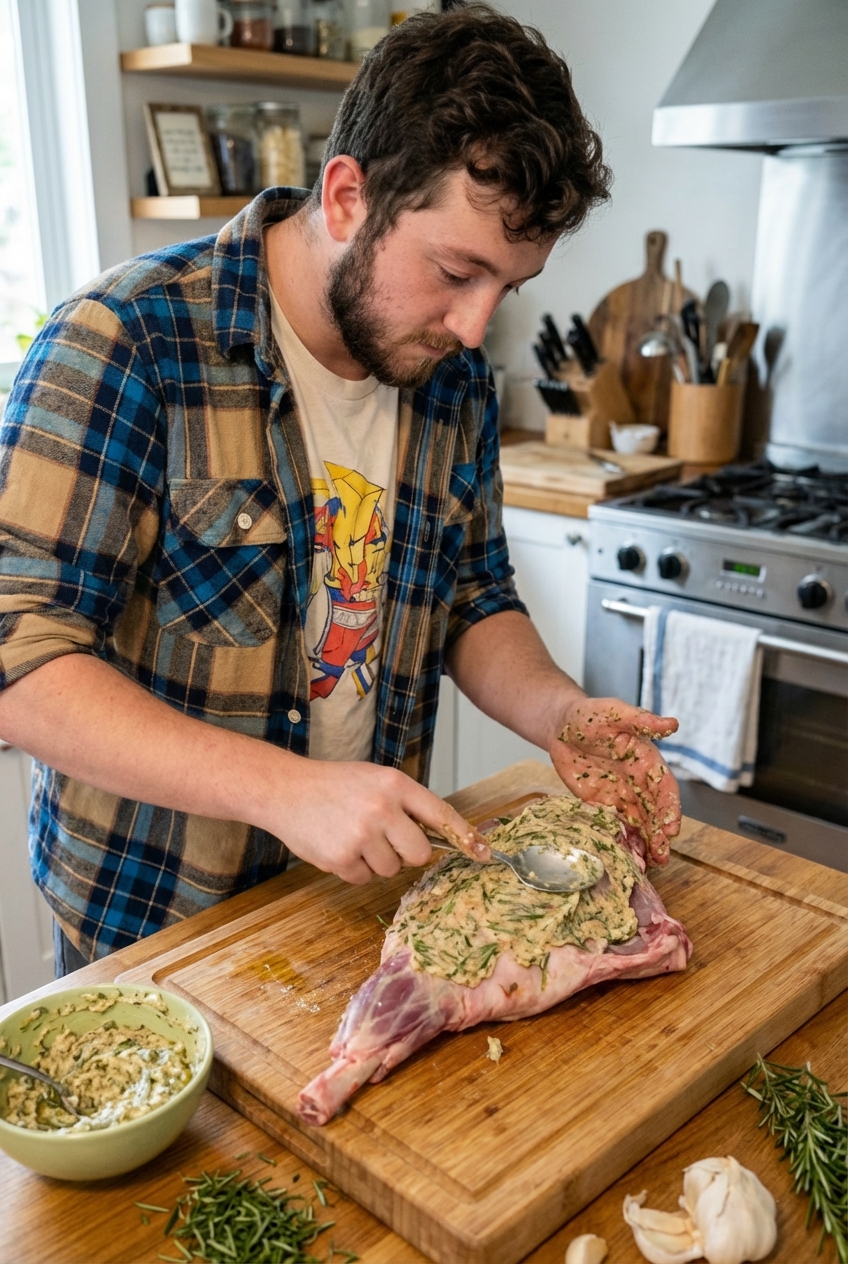
A raw boneless leg of lamb laid open on a cutting board while someone spreads a garlic rosemary paste over the surface

Why It Works

  • Big flavor with simple ingredients: garlic, rosemary, lemon, and Dijon do the heavy lifting.
  • Juicy slices, crisp edges: high heat at the beginning builds color, then the oven finishes the roast gently.
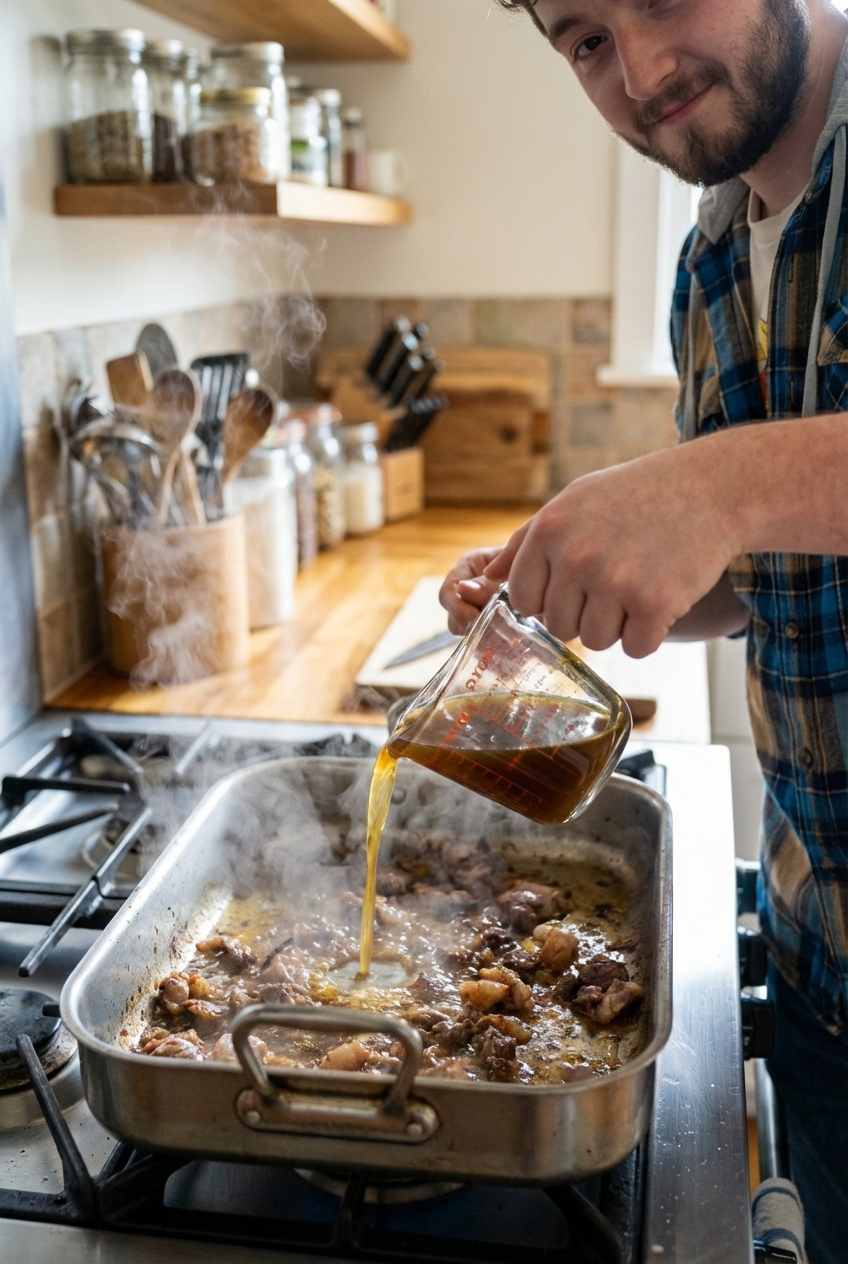
  • Pan sauce that saves the day: a quick deglaze turns browned bits into a glossy, savory sauce in minutes.
  • Flexible doneness: easy temperature targets from rare through medium well, with pull temps clearly marked.

Pairs Well With

Storage Tips

Refrigerate: Cool lamb within 2 hours. Store sliced or whole in an airtight container for up to 4 days.

Freeze: Wrap tightly, then place in a freezer bag. Freeze up to 2 months. Thaw overnight in the fridge.

Reheat without drying it out: Add a splash of broth or water to a baking dish, cover with foil, and warm at 300°F until just heated through. For a few slices, a covered skillet on low with a spoonful of pan sauce works great.

Leftover ideas: lamb pita with tzatziki, chopped salad with feta, or a crispy lamb and potato hash with a fried egg.

Common Questions

What internal temperature should lamb be?

Use the thermometer and think in terms of pull temperature (when you take it out) versus final temperature (after resting). Resting usually adds about 5°F to 10°F.

  • Rare: pull 120°F, final about 125°F
  • Medium rare: pull 125°F to 130°F, final about 130°F to 140°F
  • Medium: pull 135°F to 140°F, final about 140°F to 150°F
  • Medium well: pull 150°F, final about 155°F to 160°F

If you like lamb on the more done side, aim for medium or medium well. Many people find the flavor a bit milder there too.

Do I have to tie a boneless leg of lamb?

It helps a lot. Tying (trussing) makes the roast cook more evenly and gives you prettier slices. If your lamb comes netted or tied, you are set. If it is butterflied and loose, a few loops of kitchen twine are worth the 2 minutes.

Should I leave the netting on while it roasts?

Yes. If your lamb comes in elastic netting, you can roast it in the netting so it holds its shape. Remove the netting after resting, right before slicing.

Can I marinate it overnight?

Yes. This garlic rosemary rub is basically a marinade. Rub it on, cover, and refrigerate up to 24 hours. Bring the lamb toward room temp for 30 to 45 minutes before roasting so it cooks more evenly.

What if I do not love “lamby” flavor?

Use the lemon zest and Dijon, and do not skip the pan sauce. Also, buy good-quality lamb and trim excess surface fat. Medium doneness (not too rare) can taste milder to some people.

Can I make this without wine?

Absolutely. Deglaze the pan with broth plus a squeeze of lemon. You still get a great sauce.

The first time I made a boneless leg of lamb, I treated it like a museum exhibit. I was scared to touch it, scared to season it, and definitely scared to overcook it. Then I did what I always end up doing when I am nervous in the kitchen: I added garlic, herbs, and enough salt to make the flavor actually show up. It came out with those crisp little edges and a juicy center, and suddenly lamb stopped being “special occasion only.” Now it is my go-to when I want dinner to feel like a warm, rustic Sunday, even if it is a random Tuesday and the sink is full of dishes.