Mom's Best Recipes
Recipe

Classic Bouillabaisse

A restaurant-style, bouillabaisse-inspired Provençal seafood stew with saffron broth, firm white fish, shellfish, and quick rouille served with crusty bread.

Author By Matt Campbell
4.8
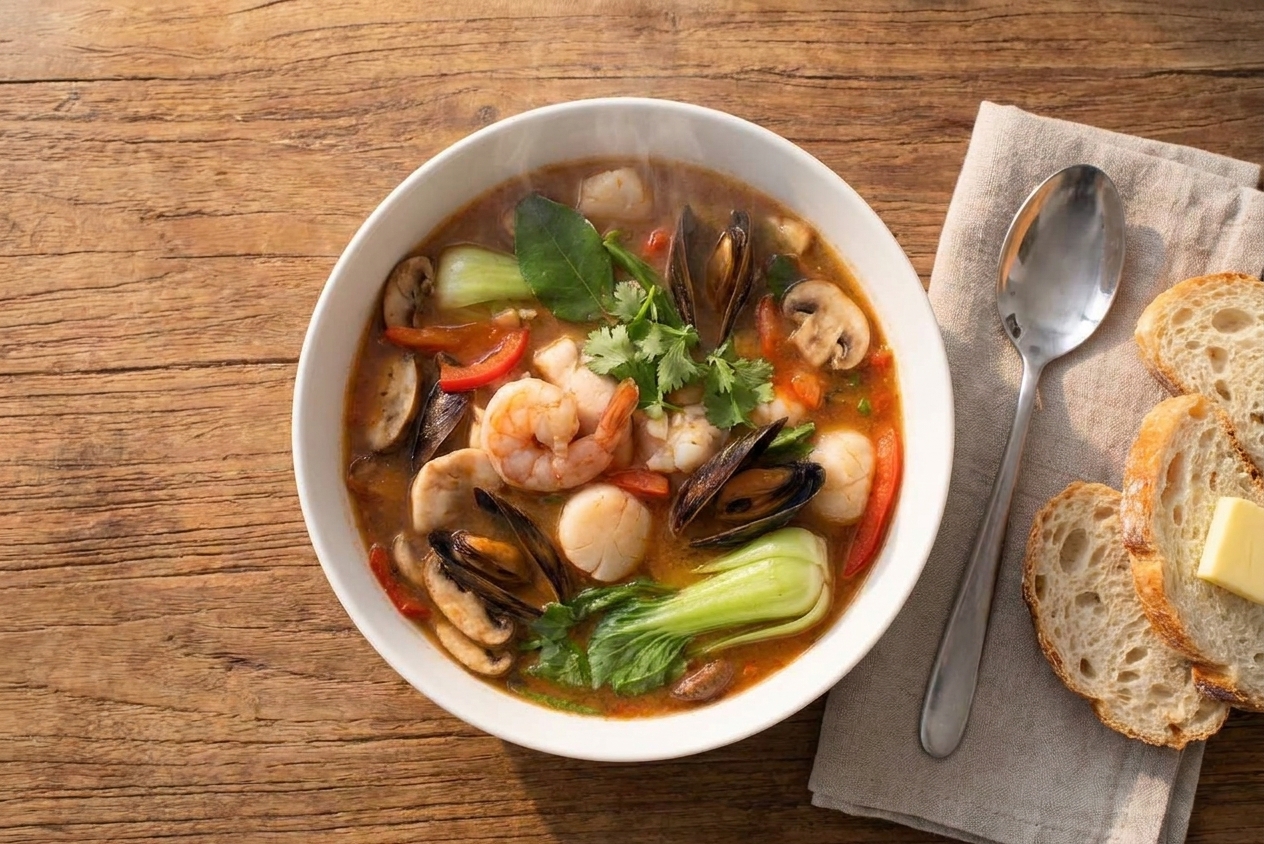
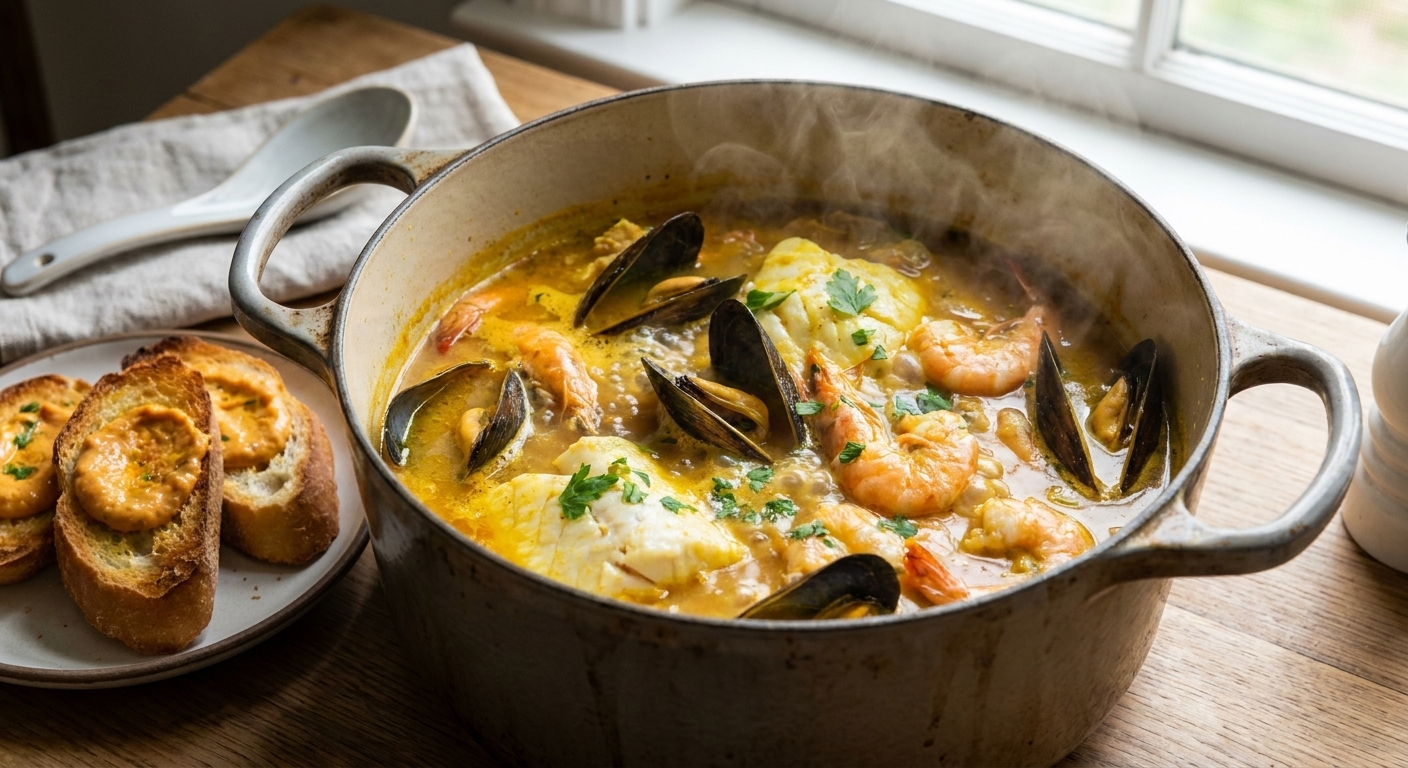
A steaming pot of classic bouillabaisse with saffron-tinted broth, mussels, shrimp, and chunks of white fish, served with toasted bread on the side, natural light food photography

Bouillabaisse is one of those dishes that sounds like it requires a chef coat, a seafood dock, and a French grandmother watching your every move. In reality, it’s a very sensible idea: make a seriously flavorful broth, then cook the seafood in the right order so everything hits the table tender, not overcooked.

Quick note for the culinary sticklers: traditional Marseille bouillabaisse often features specific Mediterranean rockfish and a more formal serving style. This is a classic-style, weeknight-friendly take that keeps the signature flavors (saffron, fennel, tomato, citrus, olive oil) and uses accessible seafood you can find at most stores.

This version is restaurant-style, with a saffron-kissed tomato and fennel broth, firm white fish, shellfish, and the real secret weapon: rouille, a garlicky, peppery sauce that turns crusty bread into an edible spoon. We’re keeping ingredients accessible, steps clear, and the vibes relaxed. Taste as you go. Make it yours. Just don’t boil the fish into confetti.

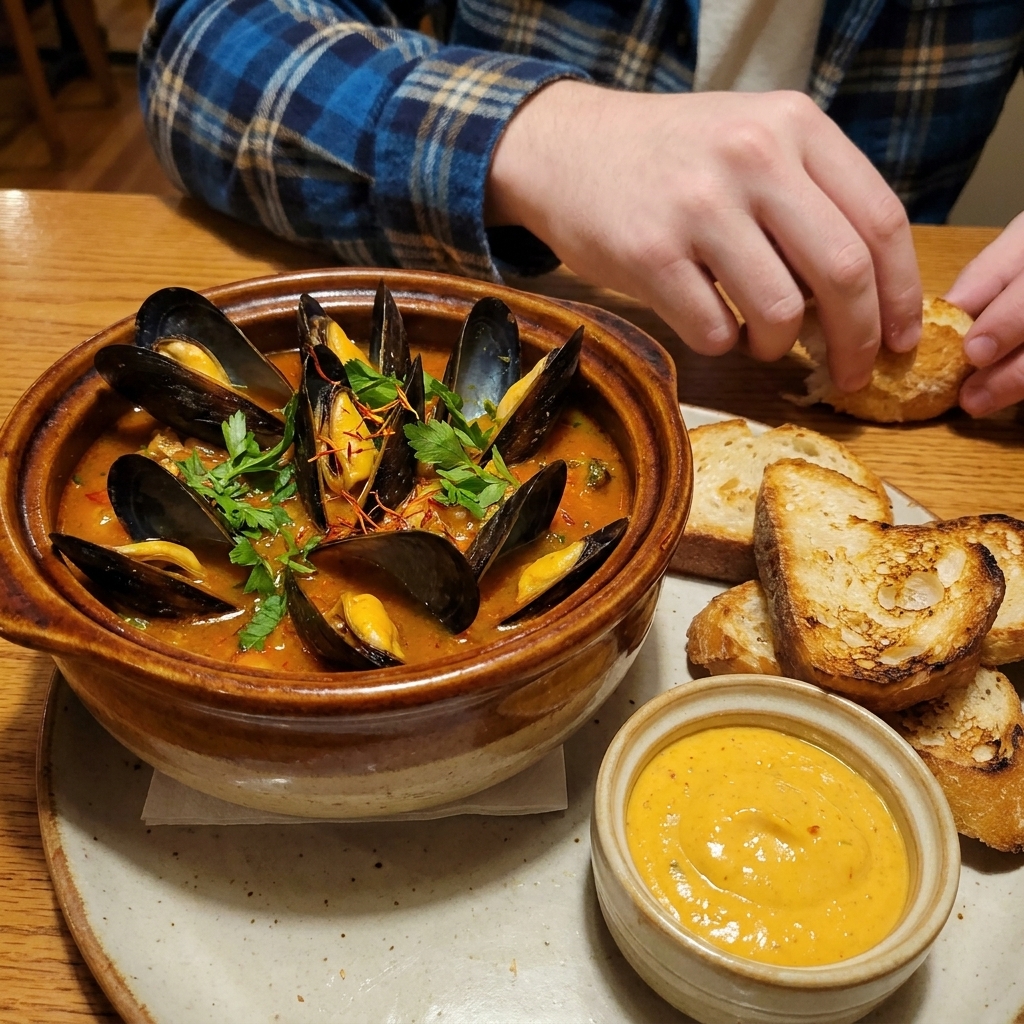
A bowl of bouillabaisse topped with mussels and herbs beside a small dish of rouille and sliced crusty bread on a wooden table, close-up food photography

Why It Works

  • Deep, layered broth without the drama: sautéed aromatics, tomato, white wine, saffron, and a quick simmer create that signature Provençal flavor.
  • Perfect seafood texture: you’ll add fish and shellfish in stages, so nothing overcooks while you wait for something else to catch up.
  • Make-ahead friendly: the broth can be made a day or two early, which is honestly the move if you want “restaurant” results on a weeknight schedule.
  • Rouille + bread = the whole point: the stew is great, but the garlicky rouille smeared on toasted bread and dipped into the saffron broth is where people go quiet mid-bite.

Pairs Well With

Storage Tips

How to Store Leftovers

Bouillabaisse is best the day it’s made, but leftovers can still be great if you treat them gently.

Refrigerator

  • Best method: If you can, strain out the seafood and store it separate from the broth. Keep both in airtight containers.
  • Timing: Refrigerate up to 2 days.

Reheating

  • Warm the broth first over medium heat until steaming.
  • Add seafood back in just long enough to heat through, usually 2 to 4 minutes. Avoid boiling.

Freezing

  • Freeze the broth only. Seafood gets rubbery and grainy after freezing.
  • Freeze up to 3 months, then thaw overnight in the fridge.

Common Questions

Common Questions

Is this a traditional Marseille bouillabaisse?

It’s classic-style and home-cook friendly. Traditional bouillabaisse often uses specific Mediterranean rockfish (like rascasse), sometimes makes stock from fish heads and bones, and may be served in separate courses. This version keeps the spirit (saffron, fennel, tomato, citrus, rouille, staged seafood) with ingredients you can actually find on a normal shopping trip.

What fish is best for bouillabaisse?

Choose firm white fish that holds its shape: cod, halibut, sea bass, monkfish, or haddock. If you can find collagen-rich fish like monkfish, it’s especially great here. Avoid delicate fish like sole or flounder, since it flakes fast and can turn the stew cloudy and mushy.

Do I have to use saffron?

Saffron is part of bouillabaisse’s signature flavor and color. You can make a good fish stew without it, but it won’t taste quite like bouillabaisse. If you skip it, add a pinch of smoked paprika for warmth and color, and lean on citrus zest at the end.

Can I make the broth ahead of time?

Yes, and it’s encouraged. Make the broth up to 2 days ahead, chill, then reheat and cook the seafood right before serving. The flavor improves as it rests.

What is rouille and is it mandatory?

Rouille is a garlicky Provençal sauce, often made like an aioli-style emulsion with chile and sometimes saffron (and in some versions, bread or potato for body). Is it mandatory? No. Will everyone be happier if you make it? Yes. This quick version uses mayonnaise so you can get there fast.

Why do recipes say “do not boil” after adding fish?

Boiling aggressively toughens seafood and can shred fish into bits. Keep the stew at a gentle simmer, like lazy bubbles, not a jacuzzi.

What if my broth tastes flat?

Fix it in this order: salt, then acid (lemon juice), then a small drizzle of good olive oil. Those three are the “turn the lights on” switches for seafood broth.

How do I handle mussels safely?

Before cooking, discard any mussels with cracked shells. If a mussel is open, tap it. If it doesn’t close within a minute, discard it. After cooking, discard any mussels that don’t open.

Can I swap the shellfish?

Absolutely. Sub clams for mussels, skip scallops, add more shrimp, or go fancy with lobster. If you’re skipping shellfish entirely, add more fish and taste the broth again at the end, since shellfish can add a little extra salinity.

The first time I tried to make bouillabaisse, I treated it like a normal soup and tossed all the seafood in at once. Ten minutes later, the shrimp were overcooked, the mussels were still arguing with me, and the fish looked like it had lost a fight. Lesson learned.

Now I think of bouillabaisse like a tiny dinner service at home. Broth is your prep. Seafood timing is your ticket line. Rouille is your flex. When you do it in stages, it stops being intimidating and becomes the kind of meal that makes a random Tuesday feel like you accidentally booked a table in Marseille.