Mom's Best Recipes
Recipe

Classic Cappuccino

Bold espresso topped with creamy steamed milk and a thick, spoonable foam cap.

Author By Matt Campbell
4.8
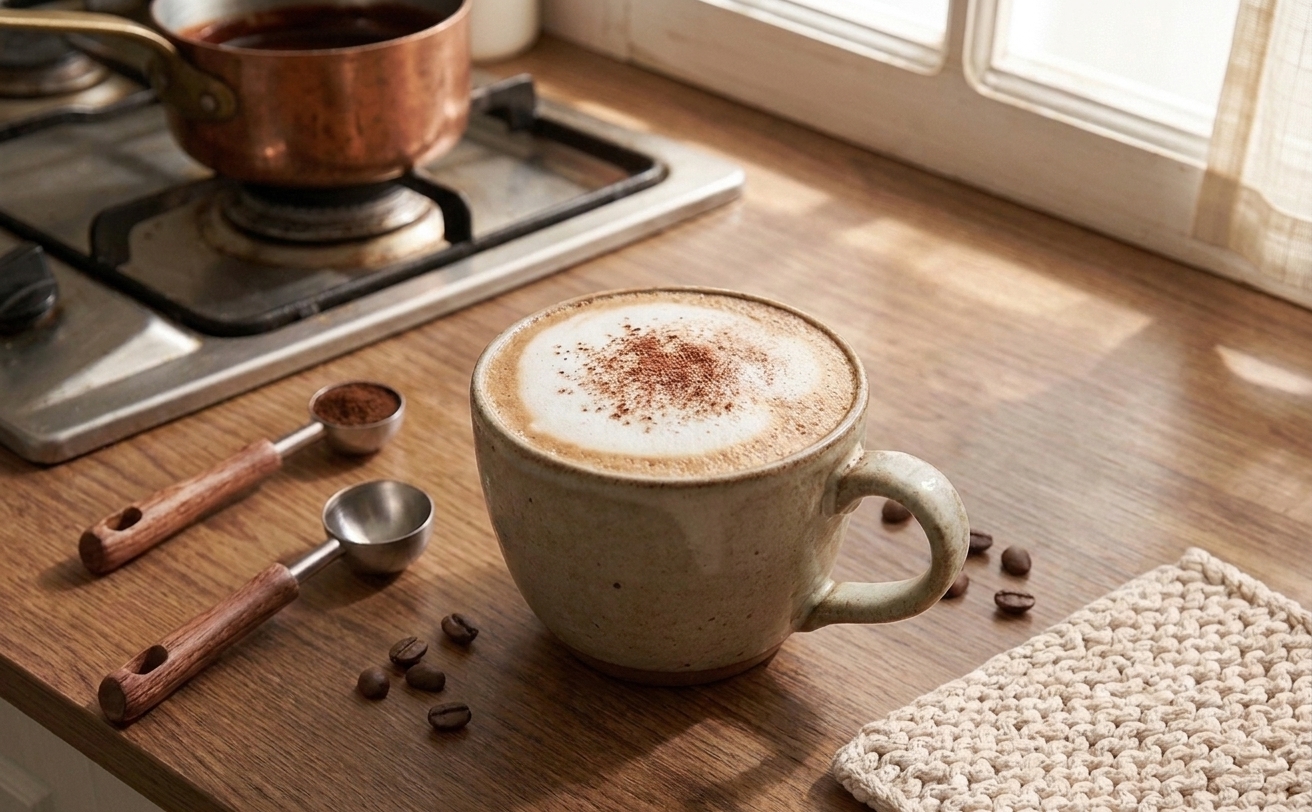
A freshly made cappuccino in a small ceramic cup on a kitchen counter, with a thick layer of foam and a light dusting of cocoa powder

Cappuccino is one of those drinks that feels fancy, but it is really just a smart little balance: strong espresso, warm milk, and a foam cap that holds heat and makes every sip feel like a hug. The trick is not a complicated ingredient. It is texture.

This recipe gives you the classic cafe-style build (about equal parts espresso, steamed milk, and foam), plus options if you are working with a moka pot, French press, or a jar and some determination. No judgment here. If you can make hot coffee and froth milk, you can make a cappuccino.

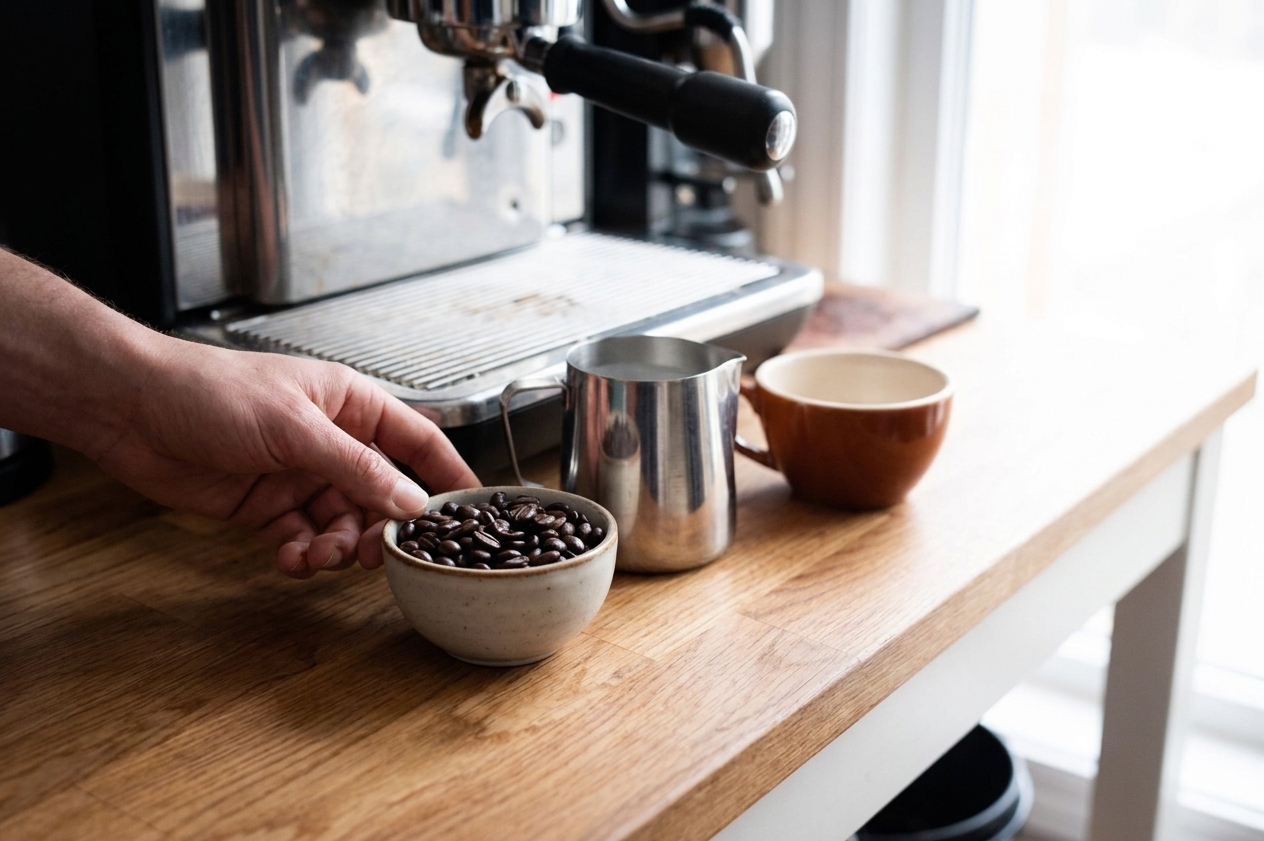
A stream of espresso flowing from a portafilter into a small glass on a home espresso machine

Why It Works

  • Big coffee flavor that still tastes rounded and creamy.
  • Thick, stable foam you can actually spoon, not the sad bubble bath situation.
  • Flexible method: works with espresso machine, moka pot, or strong brewed coffee in a pinch.
  • Clear ratios so you can scale it up for two cups without guessing.

Pairs Well With

Storage Tips

Cappuccino is best right after you make it. Foam is a short-lived celebrity.

Leftover espresso

  • Cool and refrigerate in a sealed container for up to 3 days.
  • Quality note: it tastes best within 24 hours because espresso oxidizes fast and gets stale.
  • Use it for iced lattes, tiramisu vibes, or to level up boxed brownie mix.

Leftover steamed milk or foam

  • Not really worth storing. Once it cools, the foam collapses and the milk gets a cooked flavor.
  • If you must, refrigerate up to 1 day and reheat gently, then re-froth.

Common Questions

What is the difference between a cappuccino and a latte?

A cappuccino has more foam and a smaller, punchier cup. A latte has more steamed milk and a thinner layer of foam on top. Cappuccino feels airier and more espresso-forward.

What is the classic cappuccino ratio?

Traditionally it is about 1:1:1: espresso, steamed milk, and foam. For a 5 to 6 ounce cup, a simple home target is 2 oz espresso + about 2 oz steamed milk + about 2 oz foam.

This recipe uses 4 oz milk in the pitcher so you have enough to steam and texture properly, then you pour only what you need and spoon the rest as foam. In other words, you are not dumping 4 oz of liquid milk into the cup unless you are intentionally making it more latte-leaning.

Do I need an espresso machine?

No. An espresso machine is the easiest route, but you can make a very good “home cappuccino” with a moka pot or even strong brewed coffee. For milk, a handheld frother, French press, or a jar can get you surprisingly close.

Why is my milk foam too bubbly?

Usually the milk was not stretched gently. Keep the tip just under the surface for a few seconds to add air, then submerge slightly to create a smooth whirlpool. Also, skim milk foams big and can get bubbly. It gives you lots of volume, just less of that creamy microfoam feel. Whole milk gives smaller, creamier foam.

What milk works best for cappuccino?

Whole milk is the classic because it tastes sweet and makes silky microfoam. For dairy-free, barista-style oat milk is the most consistent for thick foam.
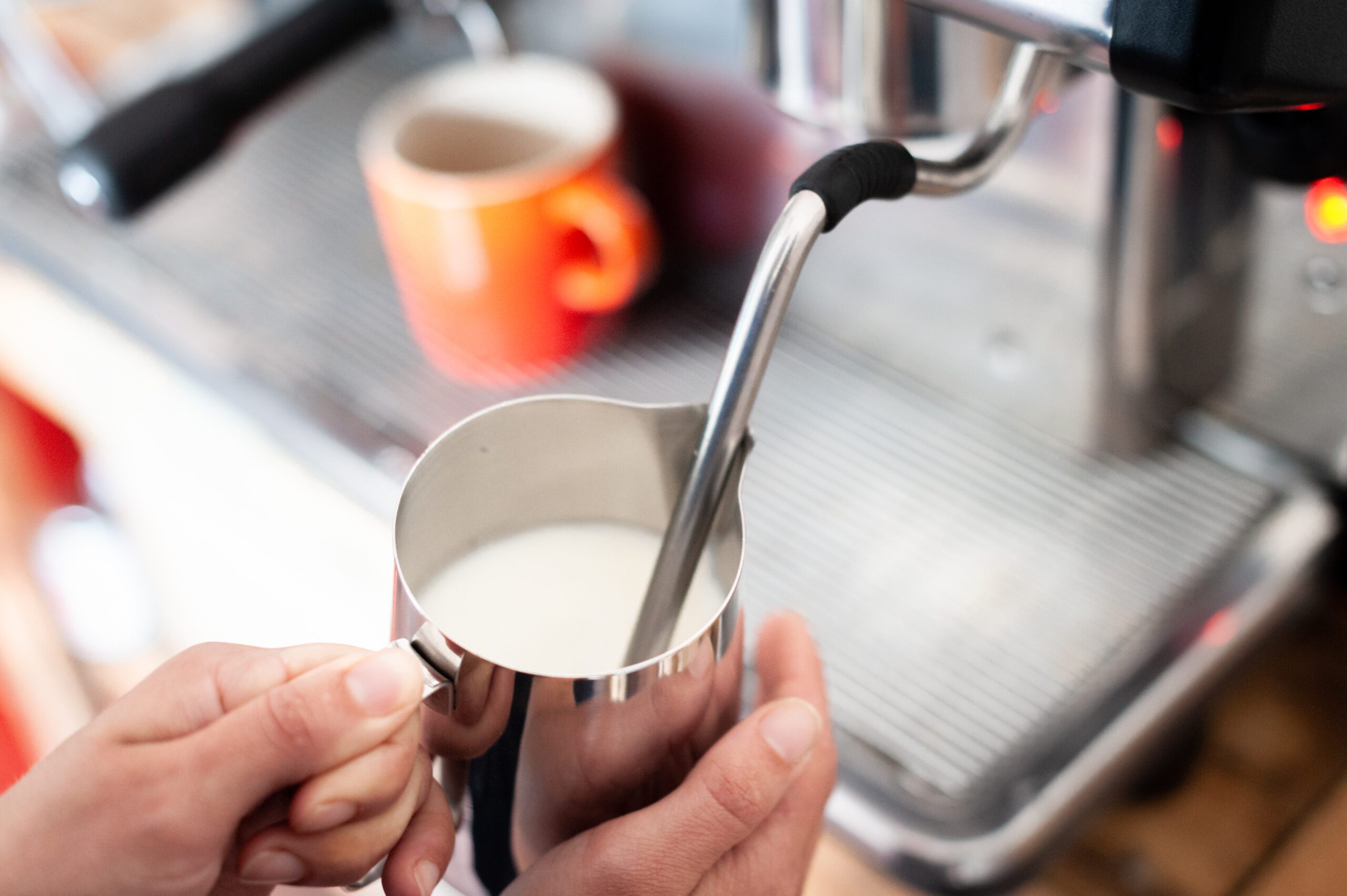

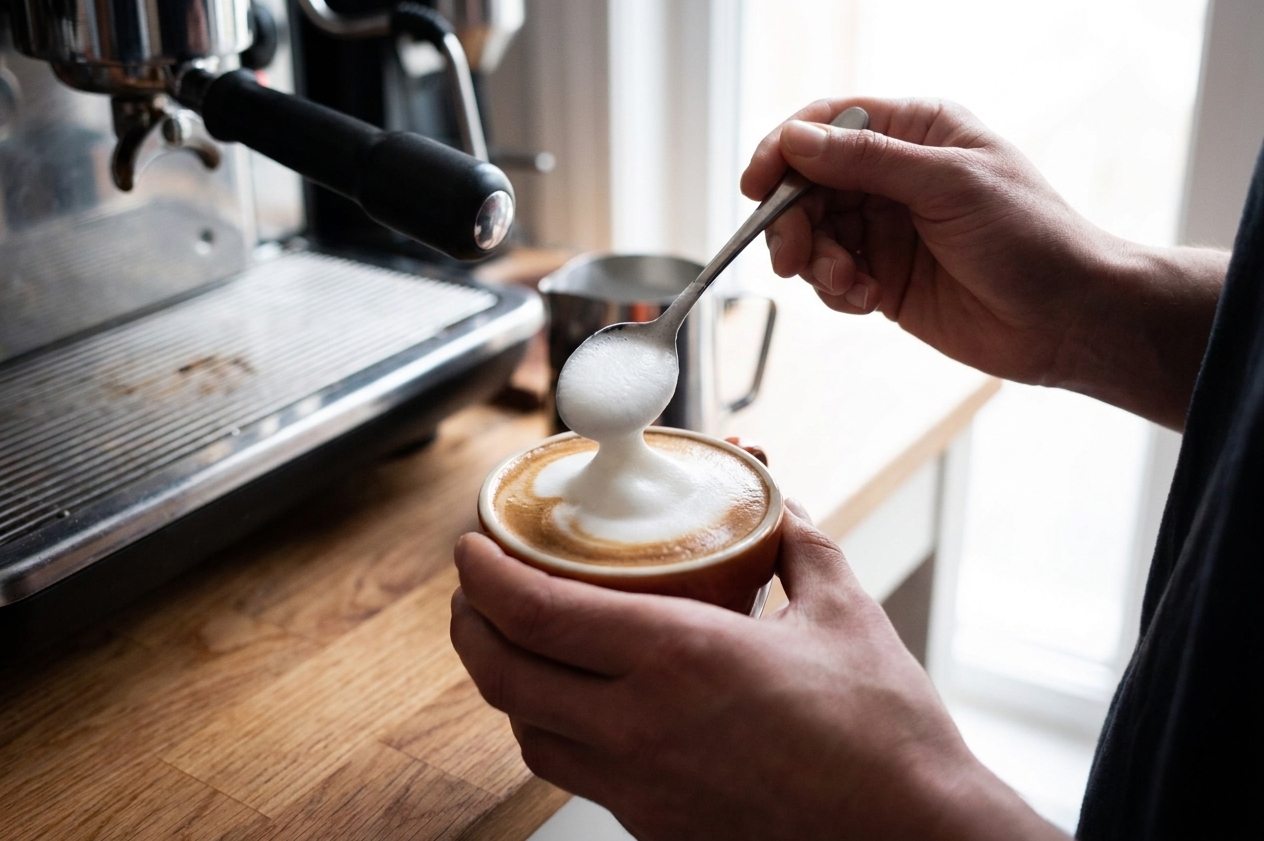
Milk being steamed in a stainless steel pitcher with a steam wand, showing a smooth whirlpool motion on a home espresso machine

I got into cappuccinos because they are the perfect mix of low-key and slightly dramatic. You get to play barista for two minutes, make some steam, pretend you have your life together, then drink a tiny cup of joy. My favorite part is the foam: when you nail it, it sits on top like a soft hat and makes the espresso taste sweeter without adding a single extra spoon of sugar.