Mom's Best Recipes
Recipe

Classic Carbonara Recipe

Silky, peppery, deeply savory pasta made the Roman way with eggs, Pecorino, guanciale, and zero cream. Ready in about 25 to 30 minutes and absolutely worth the whisking.

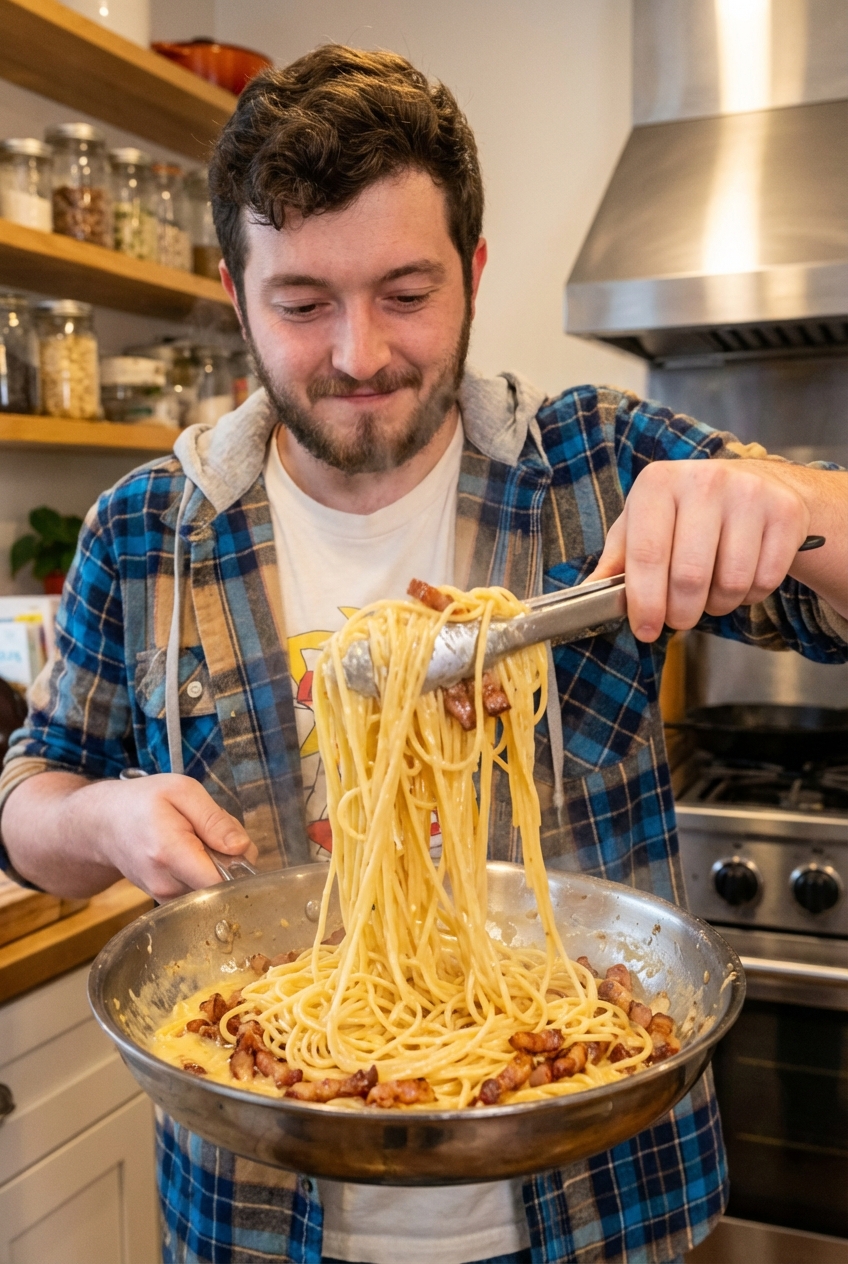
Author By Matt Campbell
4.9
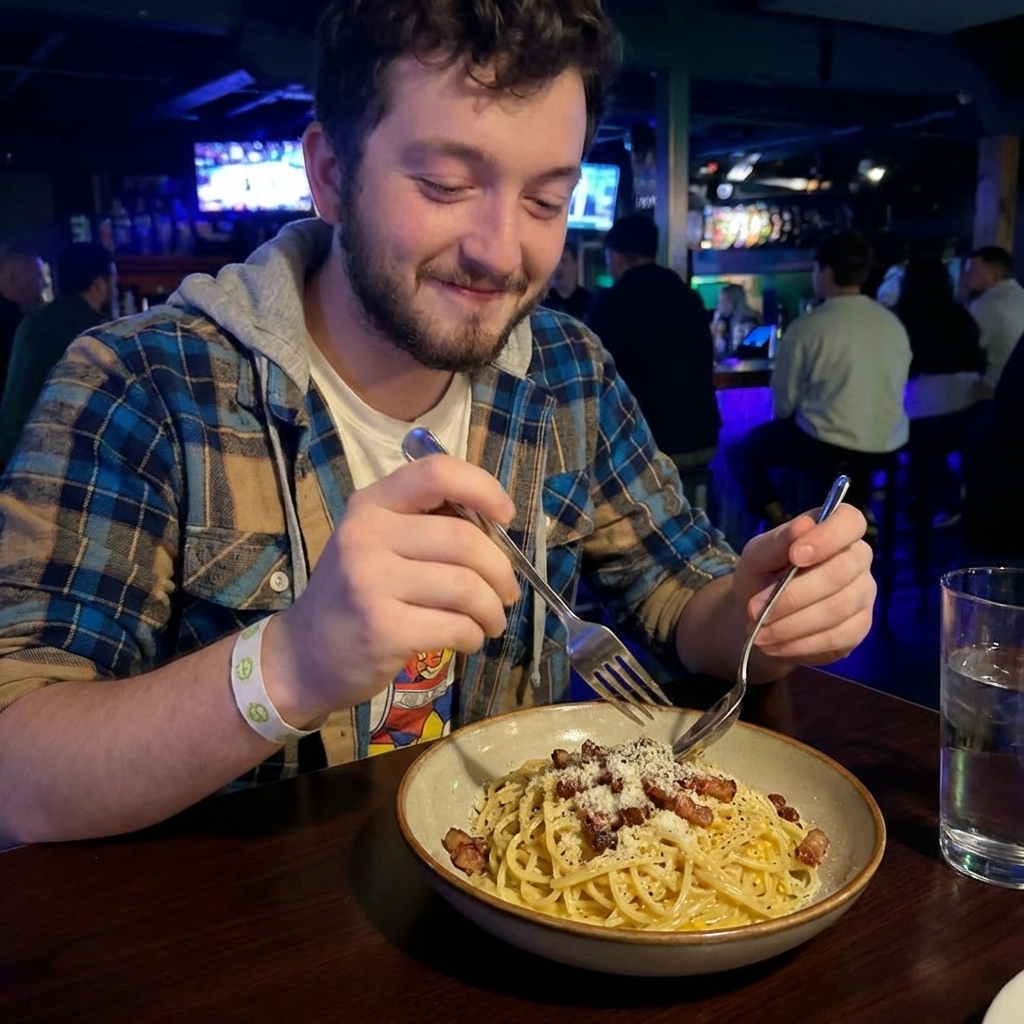
Spaghetti alla carbonara in a shallow bowl with glossy sauce, crisp guanciale, grated Pecorino, and cracked black pepper

Carbonara is one of those dishes that looks like it should be complicated, but it is really just a timing game you learn once and keep forever. The goal is a sauce that clings to every strand like satin: eggy, cheesy, and peppery, with little pops of crisp guanciale and that salty, funky Pecorino bite.

And yes, we are doing it creamy without cream, because the creaminess comes from an emulsion of eggs, cheese, and starchy pasta water. That is the whole magic trick. You bring the confidence, I will bring the guardrails so you do not accidentally make scrambled eggs with noodles.
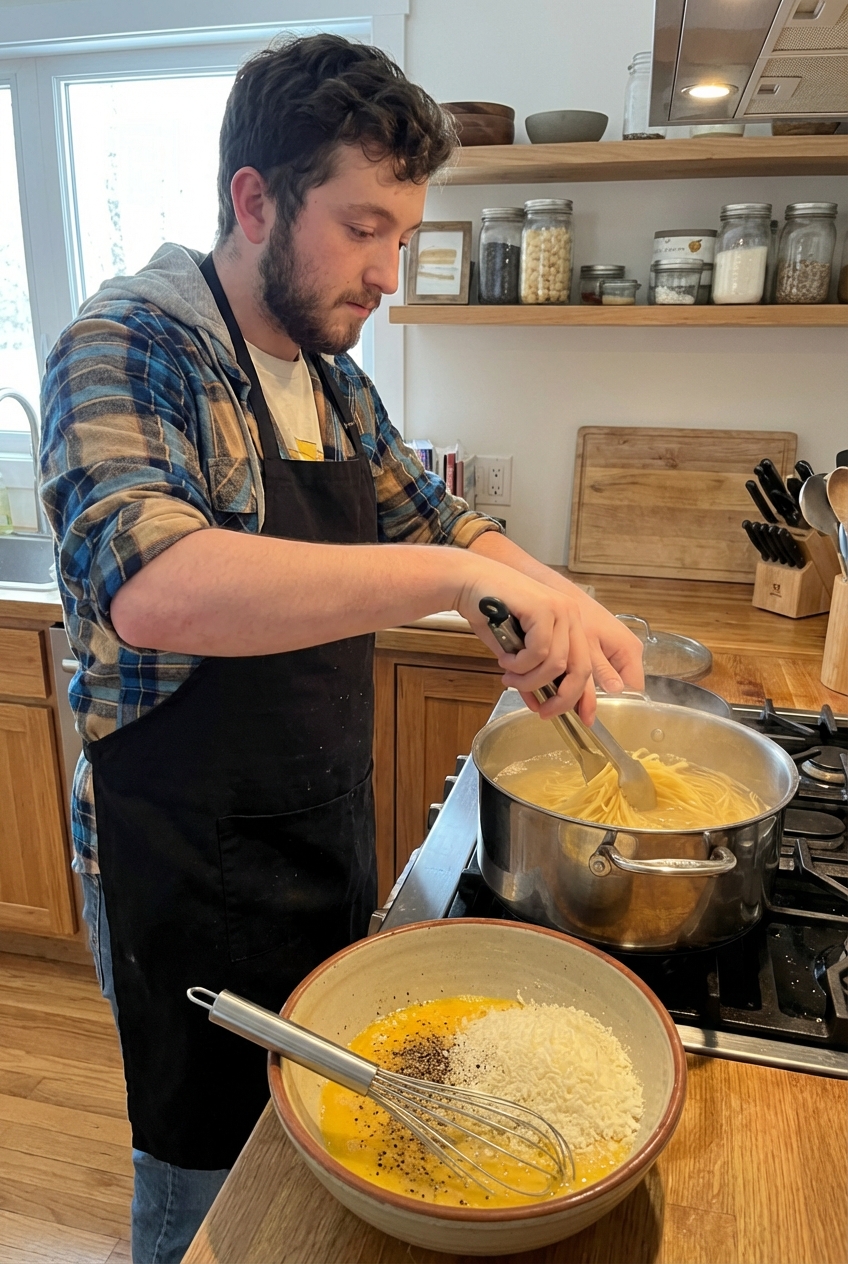
Whisked eggs with grated Pecorino and black pepper in a bowl beside boiling pasta

Why It Works

  • Classic Roman core ingredients: guanciale, eggs, Pecorino Romano, black pepper, pasta.
  • Ultra creamy texture without cream by mixing off-heat and loosening with hot pasta water a little at a time.
  • No guesswork timing: you build the sauce while the pasta cooks, then marry everything fast in a warm pan.
  • Bold flavor from rendered pork fat, pepper that actually tastes like pepper, and salty cheese balanced by egg richness.

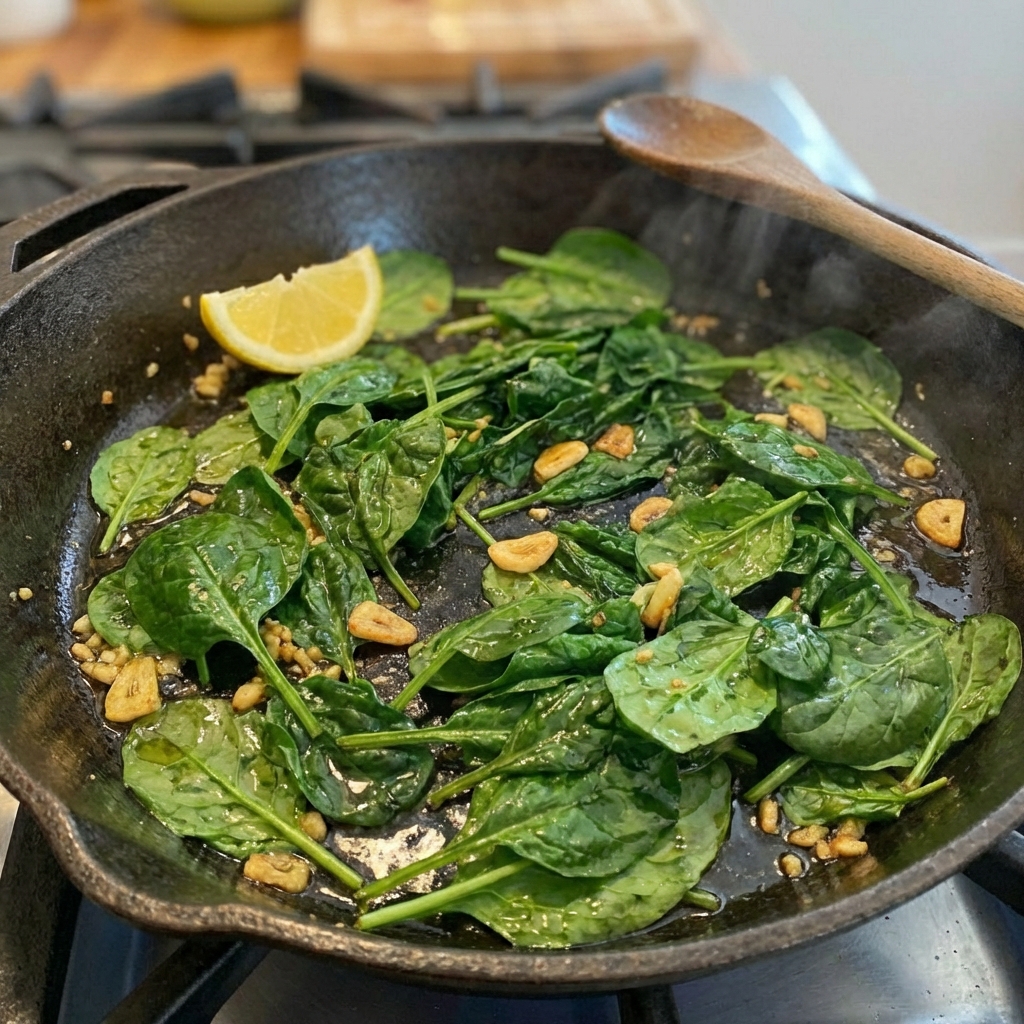
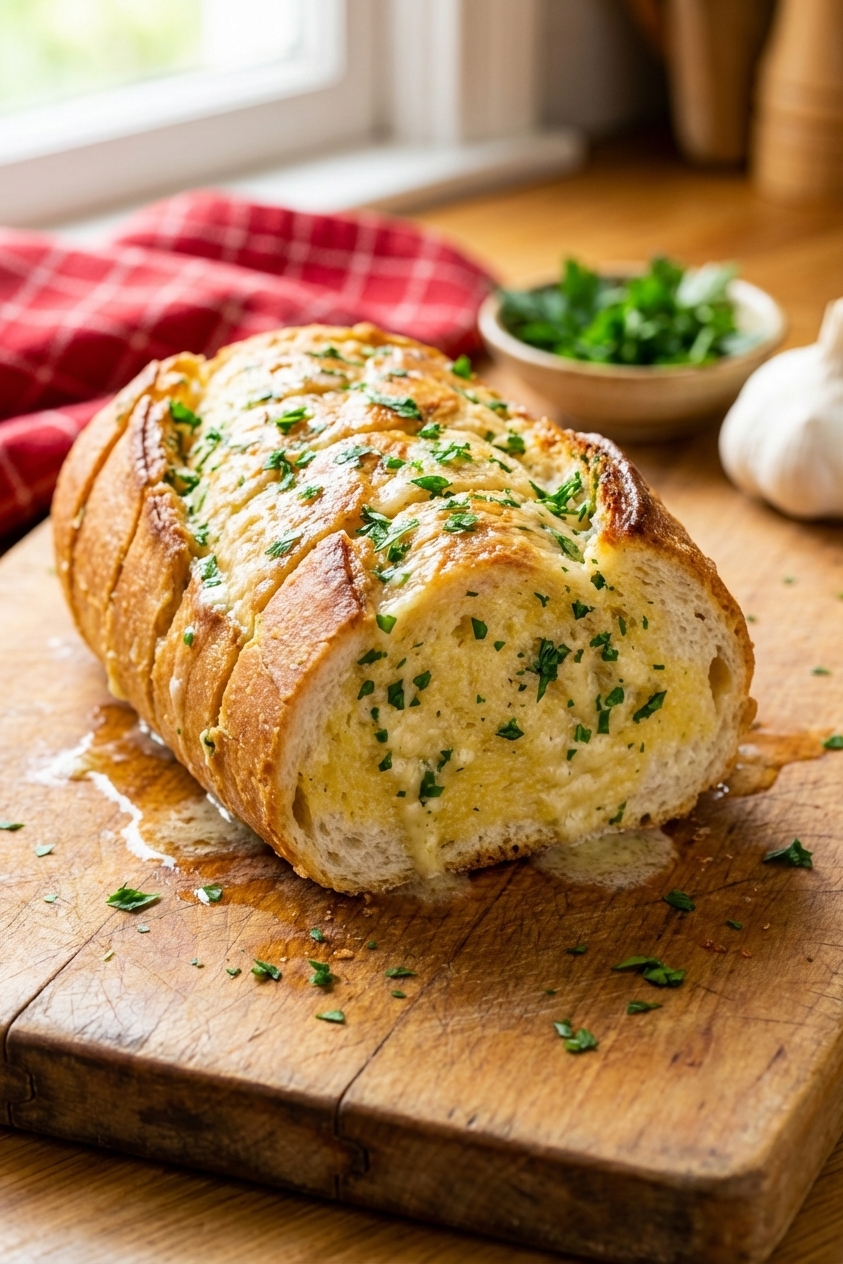
Pairs Well With

Storage Tips

Carbonara is at its absolute best right after you make it, when the sauce is silky and the pork is still crisp. That said, leftovers can still be tasty if you treat them gently.

  • Refrigerate: Store in an airtight container for up to 2 days.
  • Reheat: Add pasta to a nonstick skillet over low heat with a splash of water. Toss constantly until just warmed and loosened. Keep it gentle or the egg sauce can tighten.
  • Microwave: If you must, use 50% power in short bursts, stirring between, with a teaspoon or two of water.
  • Do not freeze: The egg and cheese sauce can separate and turn grainy after thawing.

Common Questions

Is carbonara supposed to have cream?

No. Classic Roman-style carbonara gets its creamy texture from eggs, Pecorino Romano, rendered guanciale fat, and starchy pasta water. Cream can taste fine, but it is a different dish.

What is the best pasta shape for carbonara?

Spaghetti is classic. Rigatoni and bucatini are also great because they catch the sauce and bits of guanciale.

Can I use bacon instead of guanciale?

Yes. It will be smokier and a bit less traditional, but still delicious. Use thick-cut bacon and render it slowly so you get crisp edges and enough fat for the sauce.

Can I use pancetta?

Absolutely. Pancetta is closer to guanciale than bacon. It is usually leaner, so you may need a tiny drizzle of olive oil if the pan looks dry.

How do I prevent scrambled eggs?

Two rules: take the pan off the heat before adding the egg mixture, and keep tossing while adding a little hot pasta water to gently warm and emulsify. Electric and induction burners hold heat, so off-heat really means off the burner.

Is it safe to eat eggs in carbonara?

Carbonara is typically warmed by hot pasta and pasta water rather than cooked to a measured temperature. If you are pregnant, immunocompromised, serving young kids, or simply want extra peace of mind, use pasteurized eggs.

The first time I made carbonara, I treated it like any other creamy pasta and kept the pan blazing. Spoiler: I made very fancy breakfast noodles. After that, I learned the real lesson carbonara teaches: you do not need more ingredients, you need better timing. Now it is one of my favorite weeknight flexes, because it feels restaurant-level but uses stuff you can grab at any decent grocery store. Also, I love any recipe that demands you taste as you go. Carbonara practically insists on it.