
Mom's Best Recipes
Recipe

Classic Cauliflower Soup

Silky, smooth, and quietly impressive. This cozy cauliflower soup is blended until velvety, finished with a little lemon and butter, and built from simple pantry staples.

Author By Matt Campbell
4.8
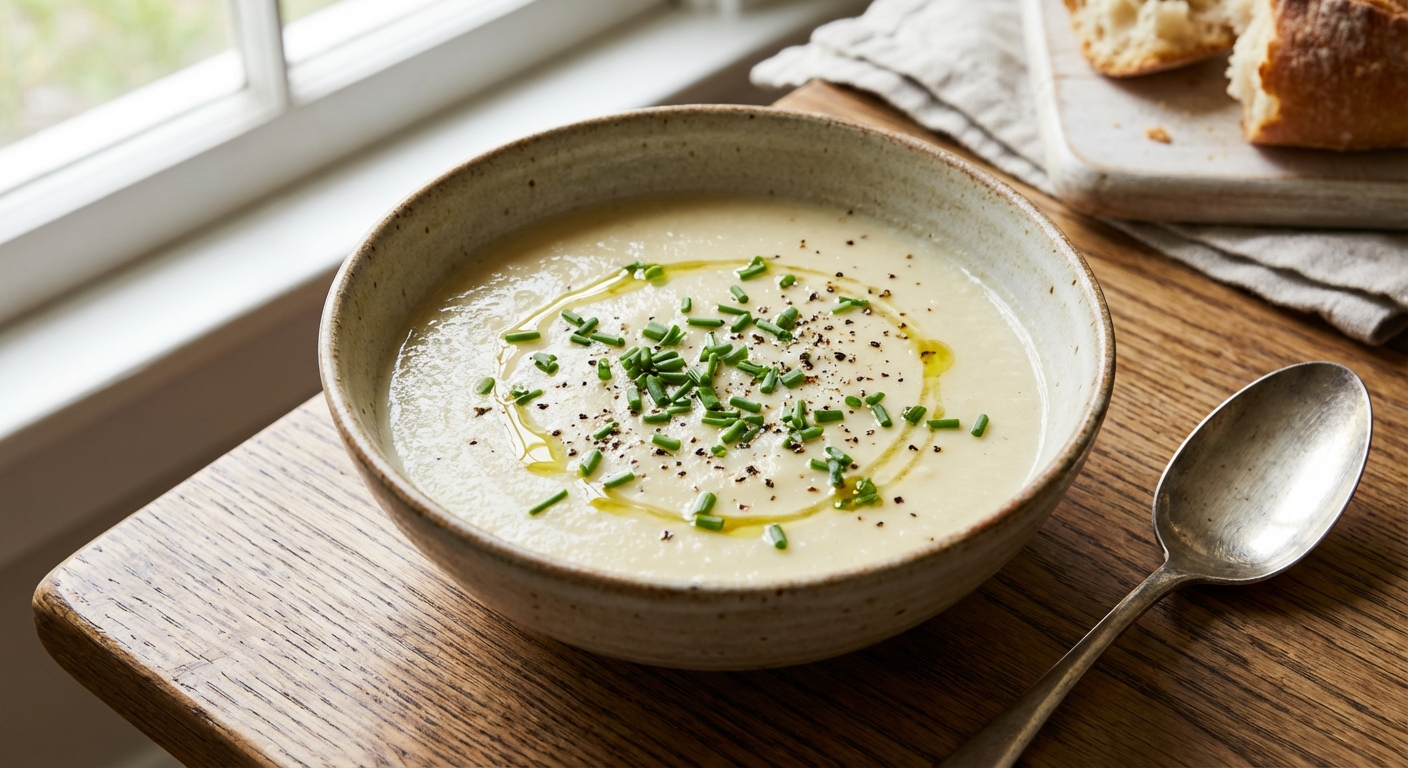
A bowl of silky cauliflower soup topped with chives and cracked black pepper on a wooden table with a spoon beside it

If you have ever looked at a head of cauliflower and thought, what can you do besides roast it, this soup is your answer. It tastes like comfort, but the texture is the real flex: blended until it goes creamy and smooth without needing a pile of heavy cream. This is the kind of recipe that feels restaurant-y in a bowl, but still makes sense on a Tuesday.

We build flavor the easy way: sautéed onion and garlic, a gentle simmer in broth, then a quick blend. A tiny splash of lemon at the end wakes everything up, and a pat of butter makes it taste like you tried harder than you did. Bonus points if you add something crunchy on top, like croutons or a few browned cauliflower florets.

Yield: Serves 6 and makes about 6 cups (give or take, depending on your cauliflower).
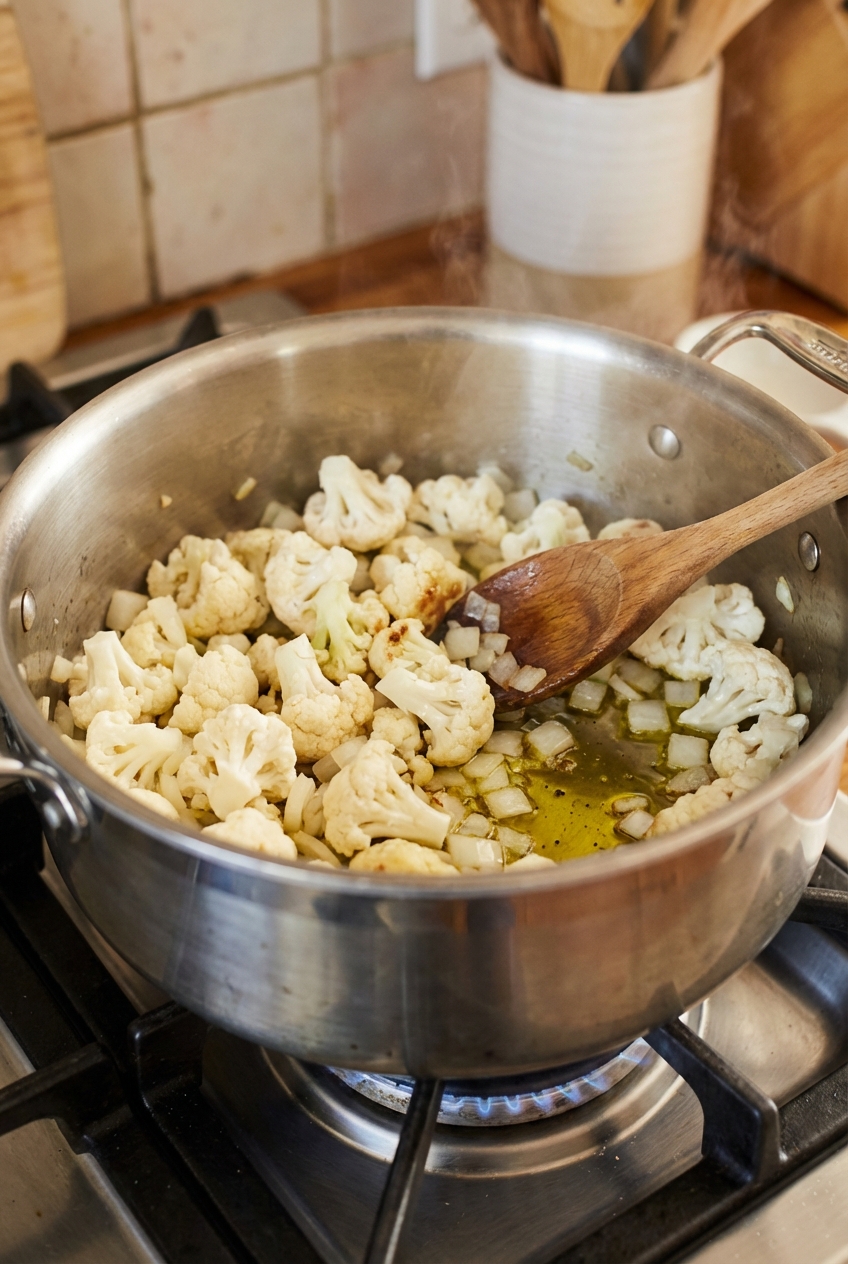
Cauliflower florets and chopped onion sautéing in a pot on a stovetop

Why It Works

  • Silky texture without fuss: Cauliflower blends into a naturally creamy base, especially if you simmer it until very tender.
  • Big flavor from simple steps: Sautéing the aromatics first adds sweetness and depth so the soup does not taste flat.
  • Easy to customize: Keep it classic, add cheddar, or go herb-forward. The base plays nice with a lot of toppings.
  • Weeknight friendly: One pot, one blender, and you are eating cozy in about 35 minutes.

Pairs Well With

Storage Tips

How to Store and Reheat

  • Fridge: Cool completely, then store in an airtight container for up to 4 days (for best quality).
  • Freezer: Freeze in soup portions for up to 3 months (best quality). Leave a little space at the top of the container since soup expands.
  • Reheat: Warm gently on the stovetop over medium-low, stirring often. If it thickens (it will), loosen with a splash of broth or water.
  • If you add dairy: It still freezes fine for most people, but reheat low and slow to reduce the chance of a slightly grainy texture.

Common Questions

Common Questions

How do I make cauliflower soup extra smooth?

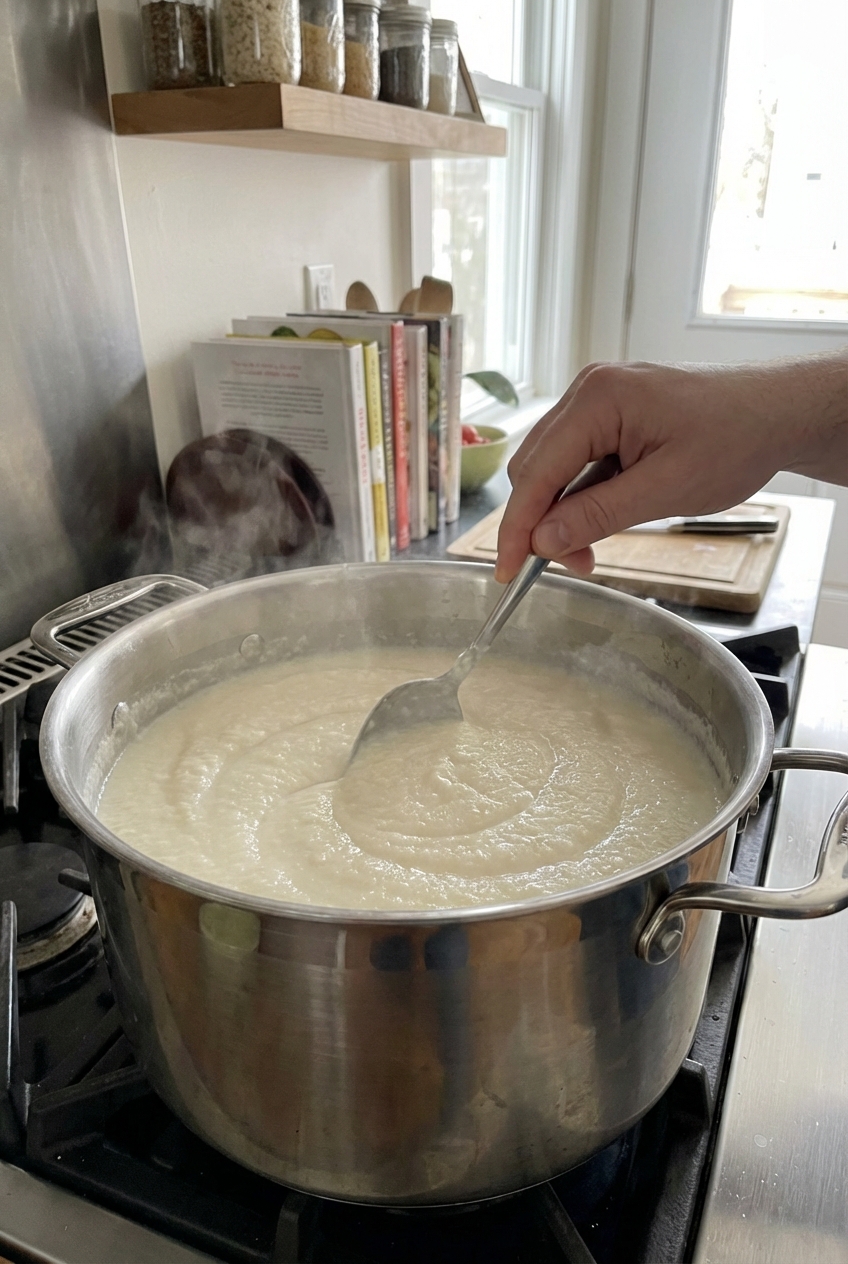
Two things matter: simmer until the cauliflower is very tender (a fork should slide in with zero resistance), and blend thoroughly. An immersion blender works, but a countertop blender usually gets it silkier. If using a countertop blender, blend in batches and vent the lid (or remove the center cap and cover with a towel) so steam can escape. Hot liquid can build pressure quickly and push the lid up if it is sealed tight.

Can I make it without cream?

Yes. This recipe is written to be creamy from the cauliflower itself. The butter at the end adds a little richness, but you can swap it for olive oil if you want.

Why does my soup taste bland?

It usually needs one of three things: more salt, a little acid (lemon juice), or a touch more heat (black pepper or a pinch of red pepper flakes). Taste after blending, then adjust until it tastes lively.

Can I use frozen cauliflower?

Absolutely. Use the same amount by weight. Frozen cauliflower often cooks a bit faster, but it depends on the cut size. It can also release extra water, so start with a little less broth if you want a thicker soup. You can always add more later.

How do I thicken it if it is too thin?

Simmer uncovered for 5 to 10 minutes to reduce, or blend in an extra handful of cooked cauliflower (or a small cooked potato). If it is too thick, add broth a splash at a time.

Is this vegetarian, vegan, or gluten-free?

Vegetarian: Use vegetable broth. Vegan: Skip the butter and cream, or use olive oil and a splash of unsweetened non-dairy milk if you like. Gluten-free: The soup itself is gluten-free; just choose gluten-free toppings (skip regular croutons).

The first time I made cauliflower soup, I was aiming for “quick and healthy” and got something that tasted like warm nothing. The fix was not complicated. I browned the onions a little longer, salted like I actually meant it, and finished with lemon. Suddenly the whole pot tasted bright and buttery, and I started making it whenever the fridge looked empty but I still wanted dinner to feel like a hug. This recipe is that version: simple, forgiving, and way more satisfying than cauliflower has any right to be.