Do I really need a water bath?
It is not mandatory, but it is the easiest way to get that creamy, even bake and avoid cracks. If you want a lower-effort option, set a roasting pan of hot water on the rack below the cheesecake to add humidity. It helps, but a true water bath is more reliable.
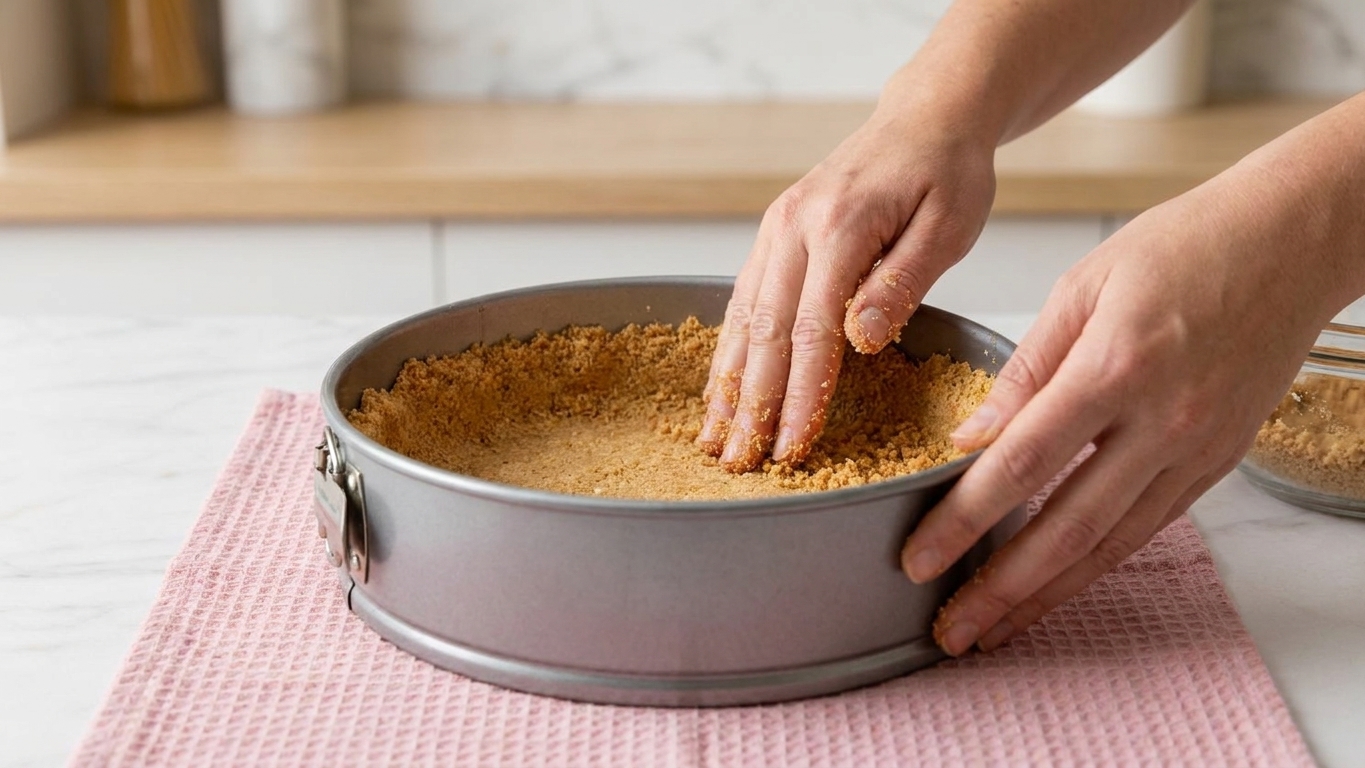
How do I prevent water from leaking into the springform pan?
Wrap the outside of the pan with two layers of heavy-duty foil (or three layers of regular foil), bringing the foil all the way up the sides. Keep the top edge clear so you do not accidentally cover the cheesecake. You can also set the foil-wrapped springform pan inside an oven-safe roasting bag for extra protection.
Why did my cheesecake crack?
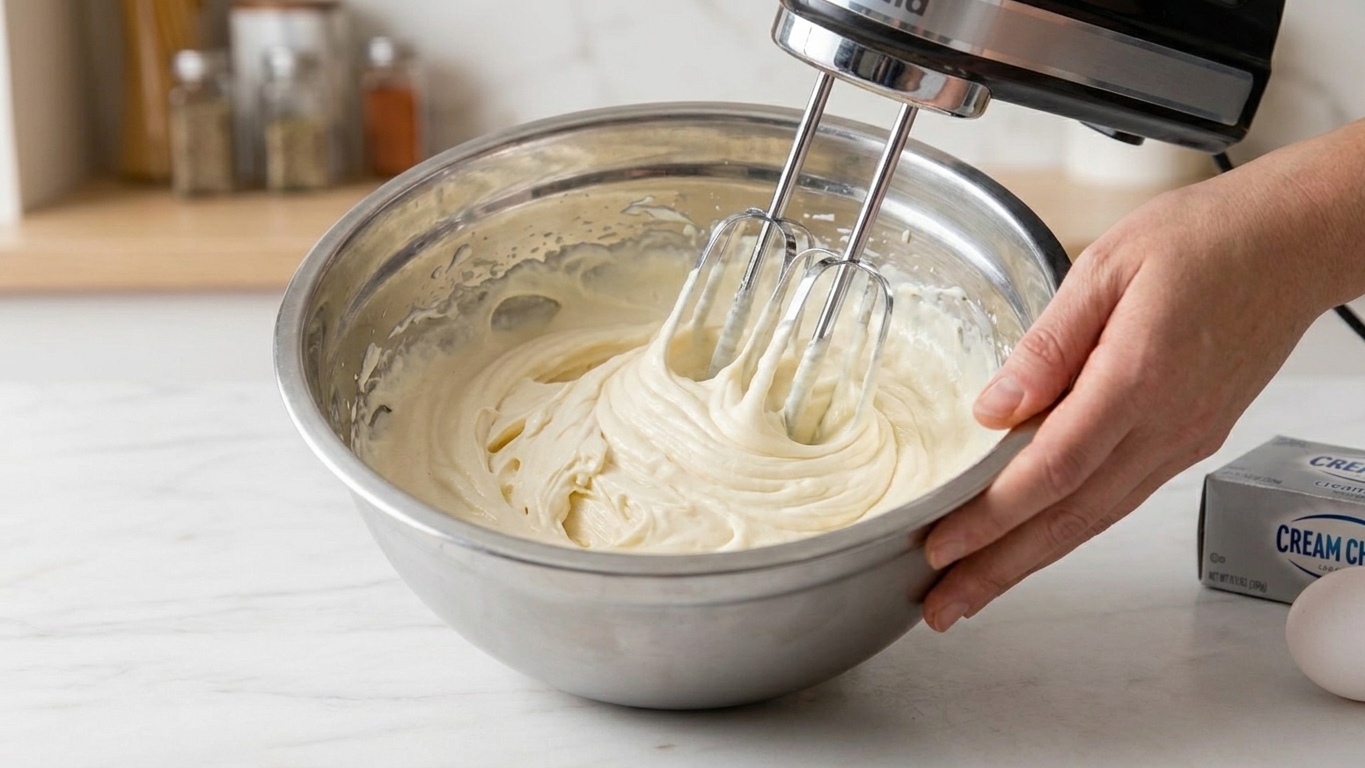
Usually one of these: batter was overmixed (too much air), oven was too hot, cheesecake baked too long, or it cooled too fast. Follow the low-speed mixing and the slow cool-down steps and you are in a good place. One extra tip: after the oven rest, run a thin knife around the edge so the cheesecake can shrink as it cools without tugging and cracking.
Can I use low-fat cream cheese?
I do not recommend it here. Full-fat cream cheese gives the right structure and texture. Reduced-fat can bake up softer and a little grainy.
How do I know it is done baking?
The edges should look set and slightly puffed, and the center should still have a 2- to 3-inch gentle jiggle when you tap the pan. If you want a more measurable check, the center should read about 150°F to 155°F (65°C to 68°C) on an instant-read thermometer.
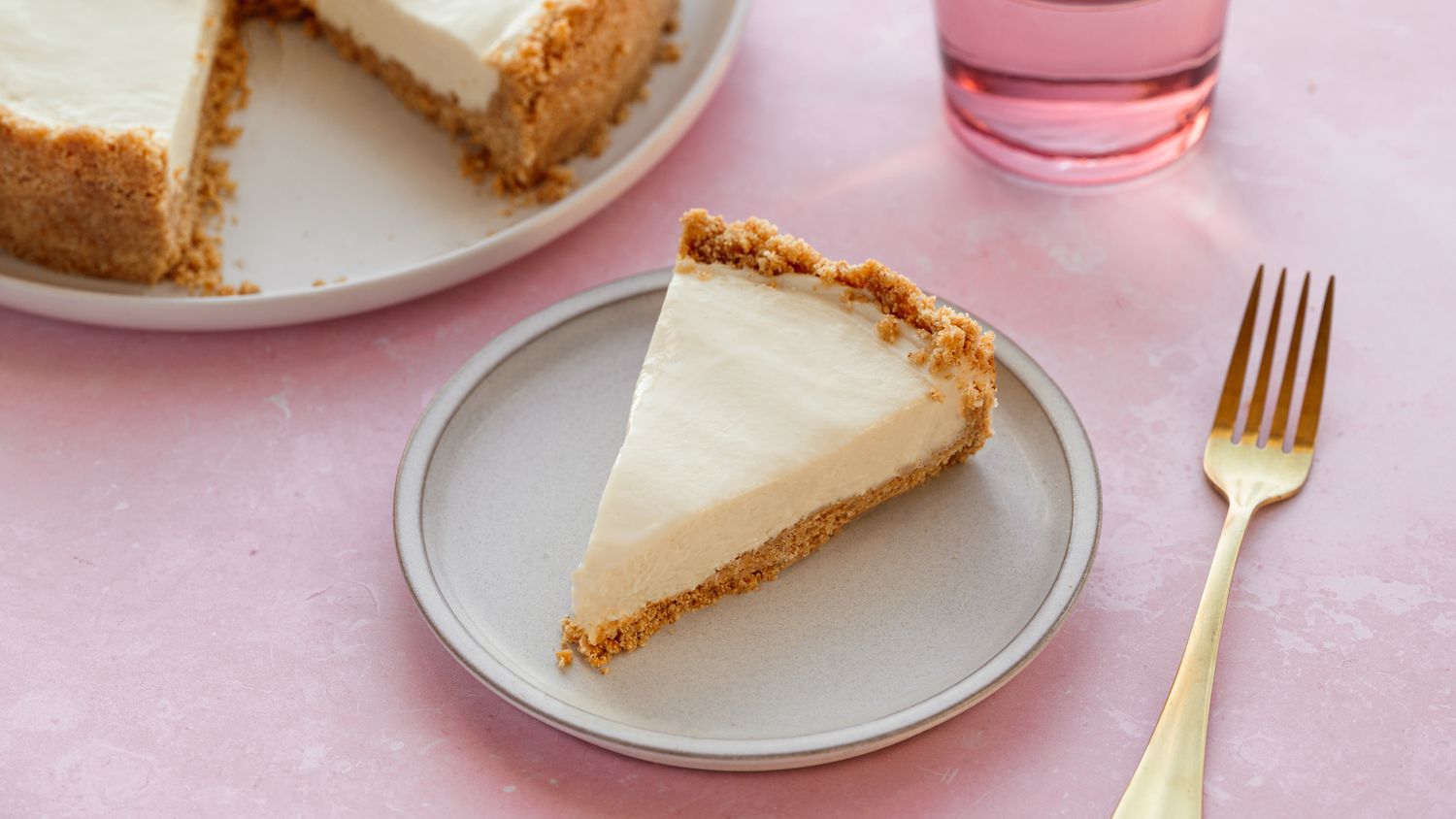
What is the best way to get clean slices?
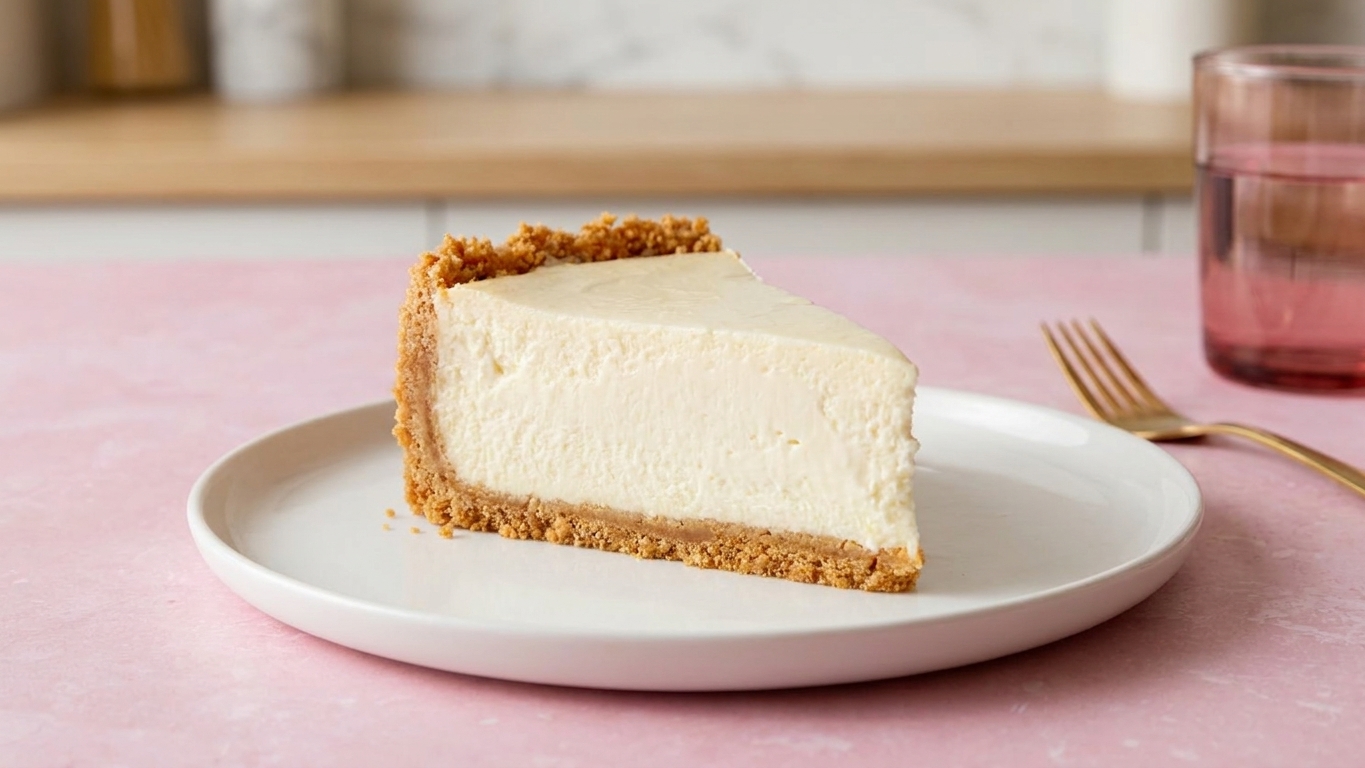
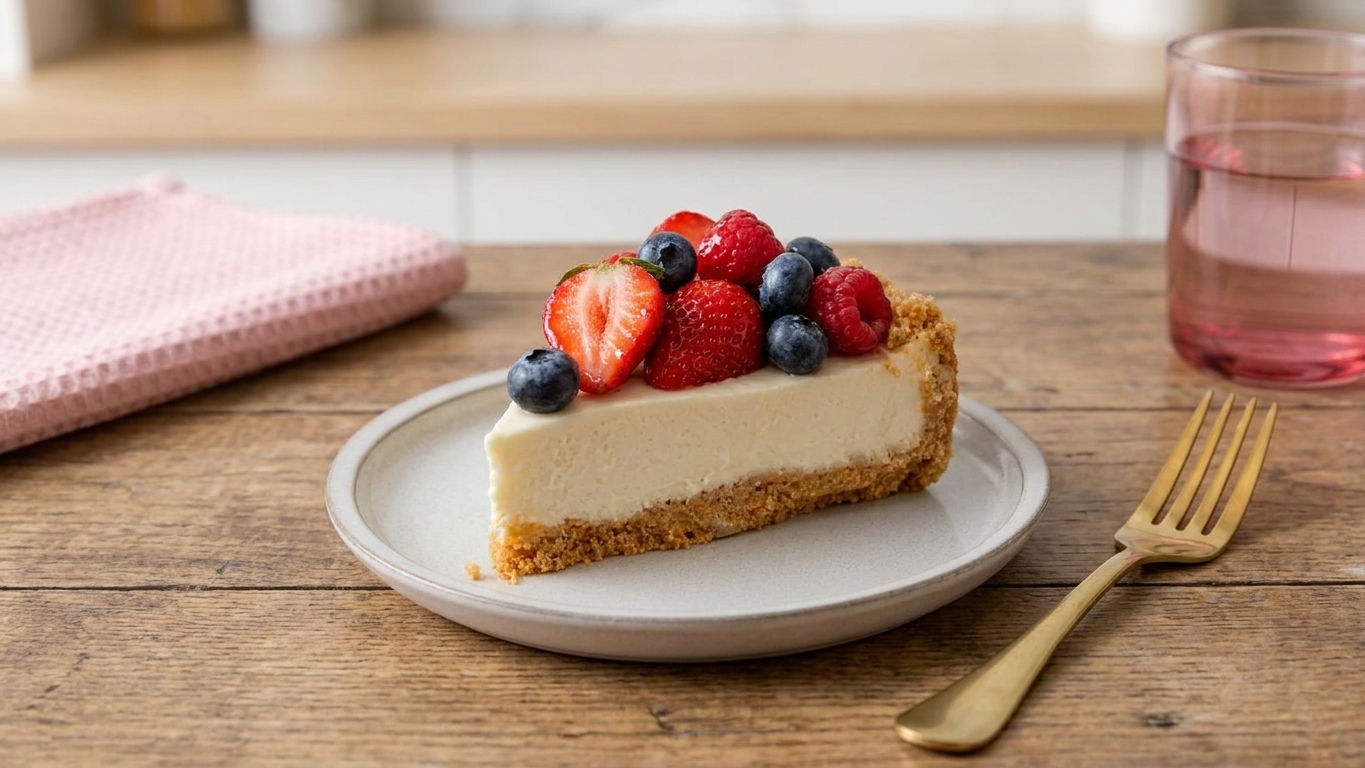
Chill overnight, then use a long knife dipped in hot water and wiped dry between cuts. It feels a little extra, but the slices come out sharp and tidy.