Mom's Best Recipes
Recipe

Classic Chocolate Buttercream

Light, fluffy, deeply chocolate frosting that pipes like a dream and tastes like the corner piece of your favorite birthday cake.

Author By Matt Campbell
4.9
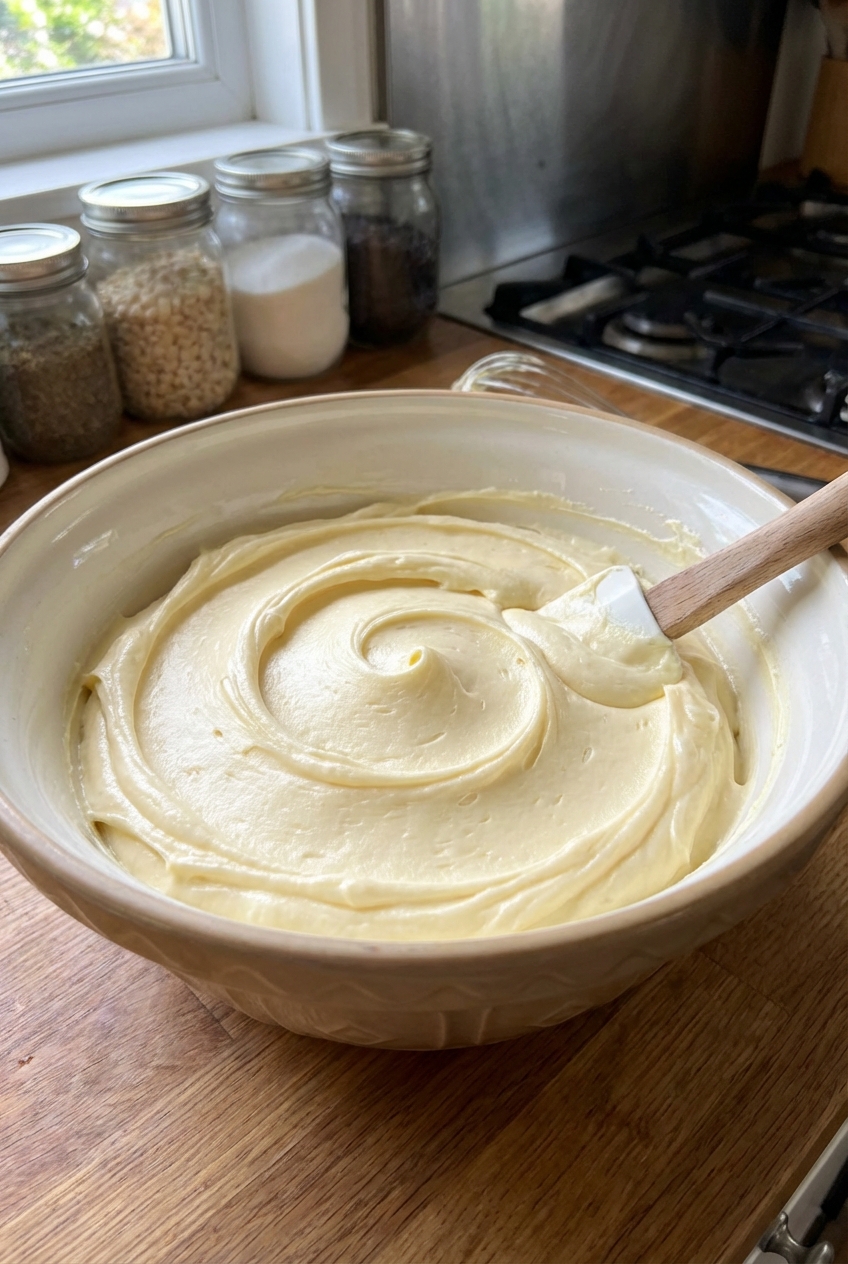
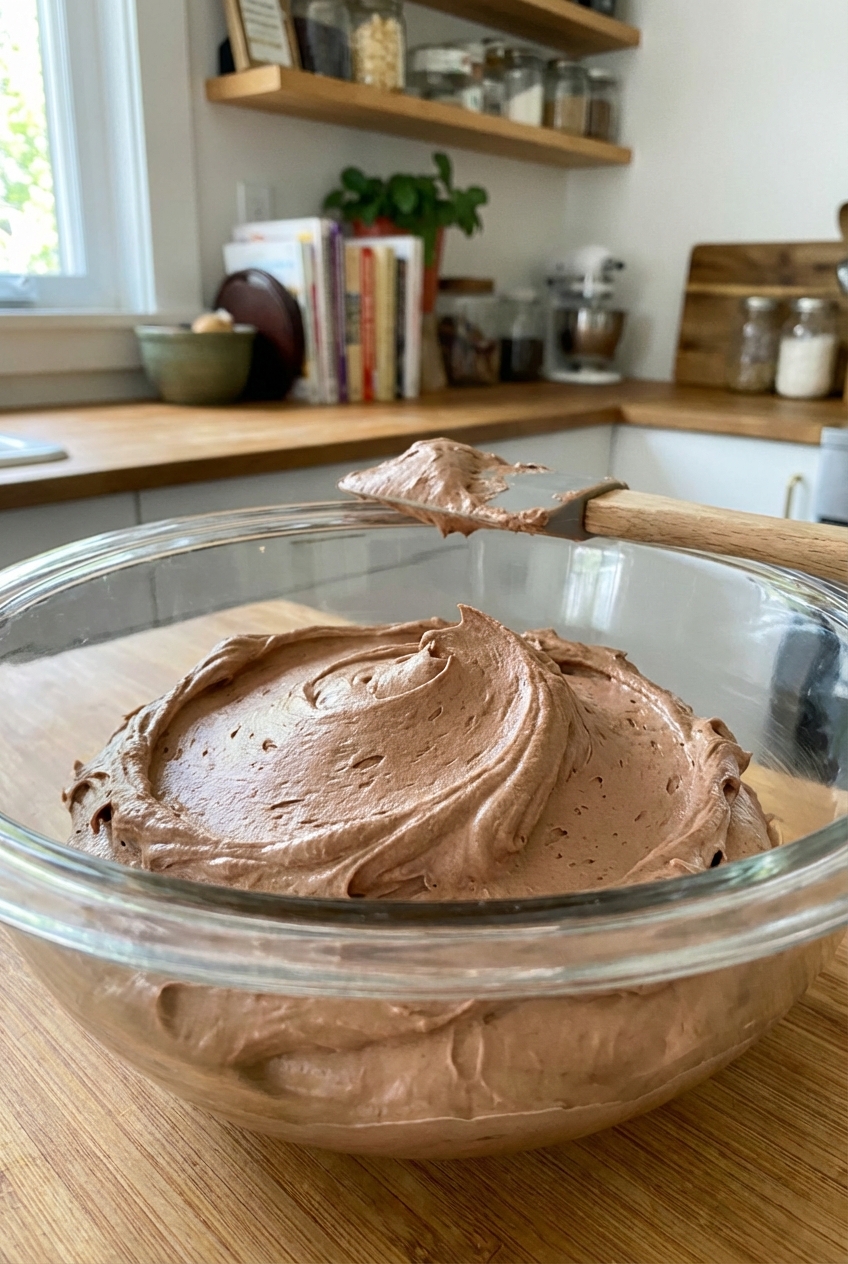
A real photo of a swirl of light and fluffy chocolate buttercream frosting in a mixing bowl with a spatula resting on the rim

Chocolate buttercream is one of those recipes that feels like it should be intimidating, but it is basically a very delicious science experiment: whip butter, add cocoa, add sugar, add a little liquid, and keep tasting until you hit that moment where you want to eat it straight off the spoon.

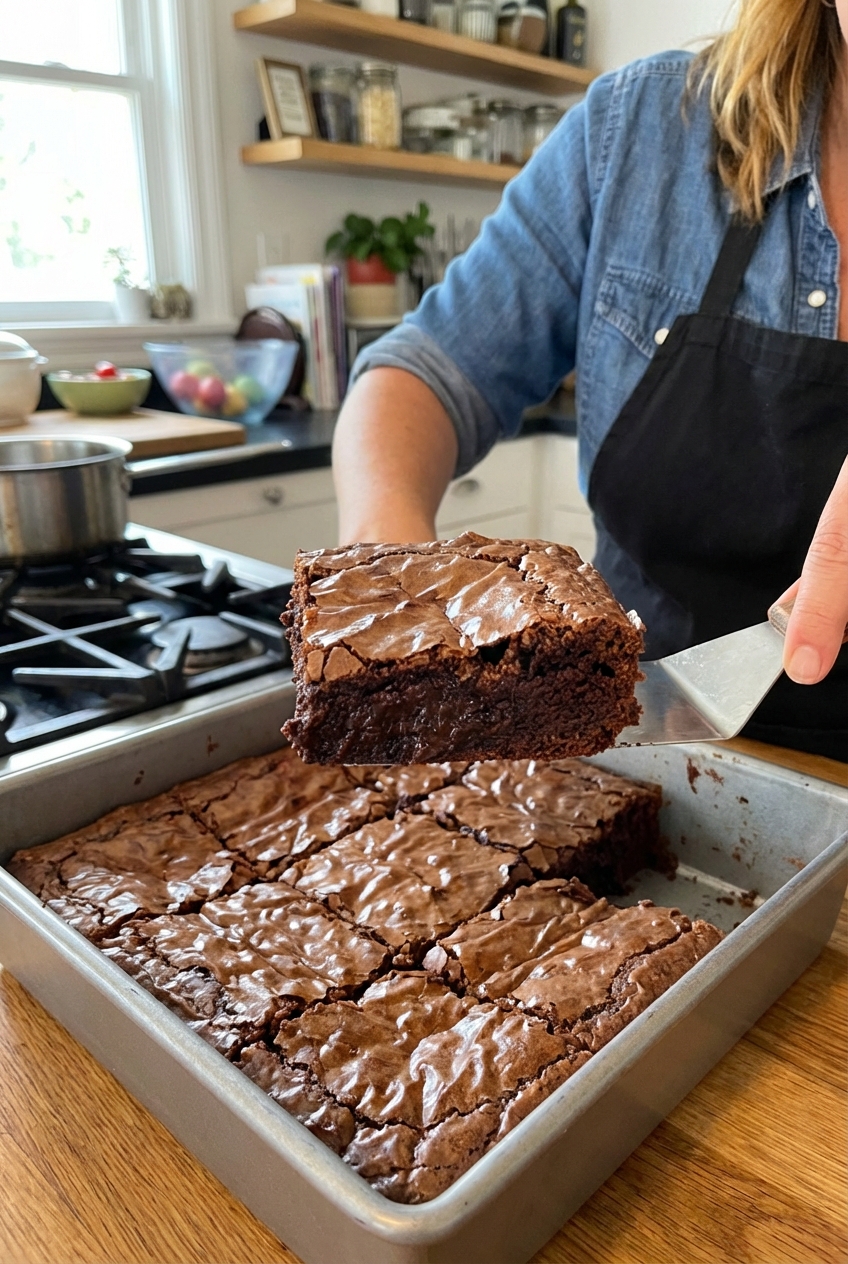
This version is classic on purpose. It is fluffy, not greasy. Chocolate-forward, not just sweet. It spreads smoothly, holds peaks for piping, and plays nice with everything from boxed brownies to from-scratch layer cakes. If you have ever made frosting that turned out stiff, grainy, or weirdly airy, I built in the small fixes that keep it low drama.

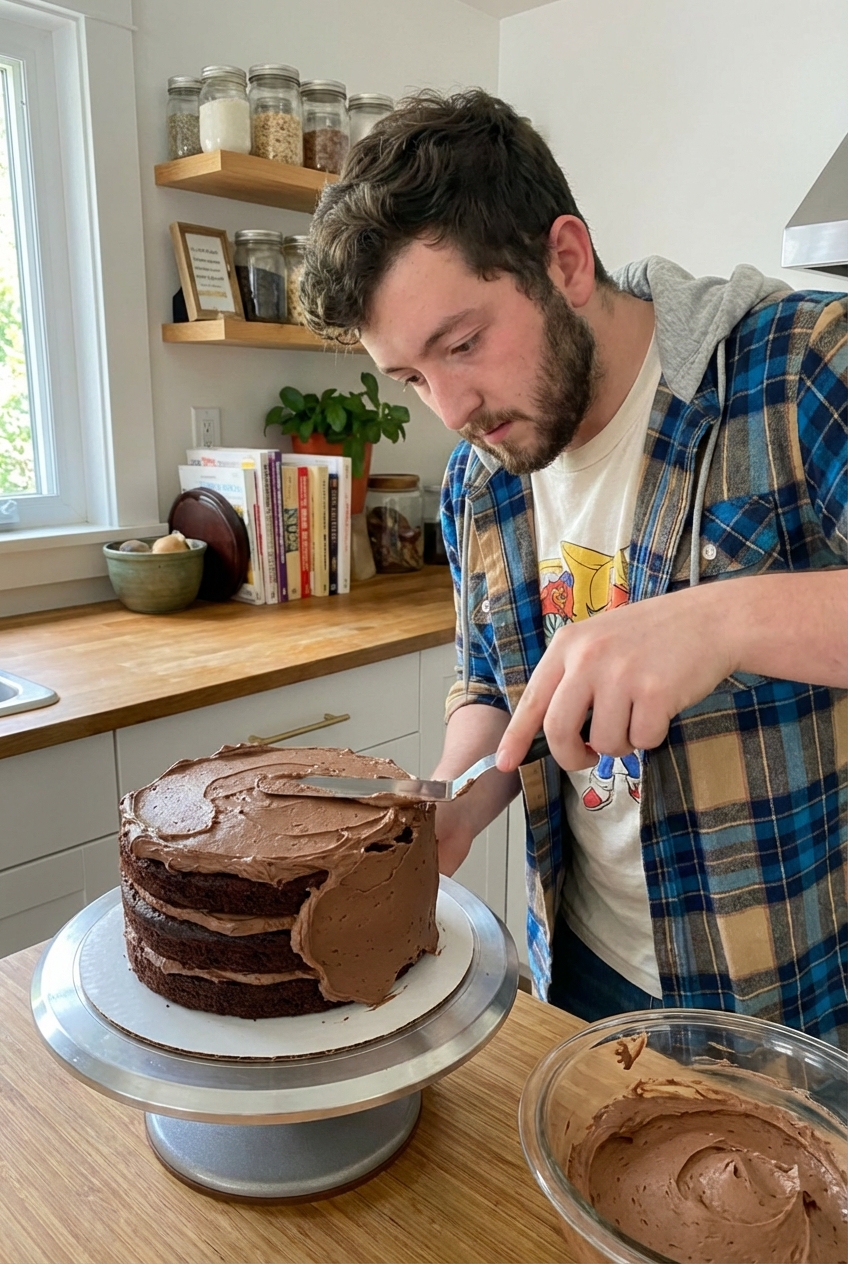
A real photo of chocolate buttercream being spread in a thick layer over a chocolate cake with an offset spatula

Why It Works

  • Light and fluffy texture: Whipping the butter (and then cocoa) builds a smooth base before the powdered sugar goes in.
  • Real chocolate flavor: A pinch of salt and a little vanilla make cocoa taste more pronounced and rich.
  • Flexible consistency: Add cream for a softer, swoopable frosting or keep it thicker for piping rosettes and borders.
  • No gritty frosting: Sifting the powdered sugar and cocoa (or at least breaking up lumps) keeps everything silky.

Pairs Well With

Storage Tips

Cool room temperature (short term): If your kitchen is cool (ideally below 70°F / 21°C), you can keep chocolate buttercream in an airtight container for up to 1 day. Bring it back to room temperature and re-whip to restore the fluff.

Refrigerator: Store airtight for up to 1 week. Buttercream will firm up. Let it sit at room temperature for 30 to 60 minutes, then re-whip briefly to bring back the fluffy texture.

Freezer: Freeze airtight for up to 3 months. Thaw overnight in the fridge, then bring to room temperature and re-whip. If it looks slightly broken, it is usually a temperature thing. Chill for 10 minutes if it is greasy, or let it warm slightly if it is stiff, then beat again until smooth.

Tip: Press plastic wrap directly on the surface before sealing the lid. It helps prevent crusting and keeps the texture consistent.

Common Questions

How much frosting does this make?

Typically about 3 1/2 to 4 cups, depending on how long you whip it and how much air you beat in. That is usually enough to frost and fill a 2-layer 8-inch or 9-inch cake, or to frost about 12 to 18 cupcakes generously depending on how dramatic you pipe.

Natural cocoa or Dutch-process?

Either works. Dutch-process usually gives a darker color and a smoother, more mellow chocolate vibe. Natural cocoa is a little lighter in color with a slightly sharper, more classic cocoa bite. Choose based on the kind of chocolate mood you want.

Can I make it less sweet?

Buttercream is always going to be sweet, but you can tame it. Use Dutch-process cocoa for deeper chocolate flavor, add an extra pinch of salt, and do not skip the vanilla. You can also replace 1 to 2 tablespoons of powdered sugar with additional cocoa, but too much cocoa can make it dry.

Why is my frosting grainy?

Most commonly: powdered sugar lumps or under-mixing. Sift the sugar and cocoa if they look clumpy, then beat the frosting a full 2 to 3 minutes at the end. If it is still grainy, add 1 tablespoon cream and keep mixing.

Why is it too thick or too thin?

Too thick: Add cream or milk 1 teaspoon at a time. Too thin: Add powdered sugar 2 tablespoons at a time, or chill for 10 minutes and re-whip. Temperature matters. Warm butter makes softer frosting.

What if it looks lumpy, curdled, or broken?

That is almost always a temperature issue. If the butter was too cold, the frosting can look lumpy. Let it sit 10 to 15 minutes, then beat again. If the butter was too warm, it can look loose or a little broken. Chill the bowl for 10 minutes, then re-whip until smooth and fluffy.

Can I use salted butter?

Yes. If you use salted butter, reduce the added salt to just a tiny pinch, then taste and adjust.

Is this good for piping?

Yes. For sharp edges and sturdy swirls, keep it on the thicker side and use cream sparingly. If your hands run warm, chill the piping bag for 5 to 10 minutes when it starts getting too soft.

Can I halve or double this recipe?

Yes. You can halve it easily. To double, use a large bowl and pause to scrape often so the sugar fully incorporates. The whip time may need an extra minute to get back to that fluffy finish.

I used to think good frosting came from some secret bakery technique. Turns out, the “secret” is mostly just patience and a willingness to taste, adjust, and keep mixing. The first time I nailed a truly fluffy chocolate buttercream, I did that very scientific thing where you frost the cake and somehow the bowl still needs to be scraped clean. This is the recipe I come back to when I want that classic birthday-cake feeling without turning my kitchen into a sugar-dusted stress zone.