Mom's Best Recipes
Recipe

Classic Eel Sauce Recipe

Sweet, glossy, and savory like your favorite sushi spot. This quick stovetop eel sauce (unagi sauce) turns rice bowls, sushi, and grilled anything into a straight up craveable situation.

Author By Matt Campbell
4.9

Eel sauce, unagi sauce, kabayaki sauce. Whatever you call it, it’s that shiny, sweet-salty drizzle that makes sushi feel a little more decadent and a lot more addictive. And the best part is that it’s basically a three-ingredient magic trick you can pull off on a weeknight.

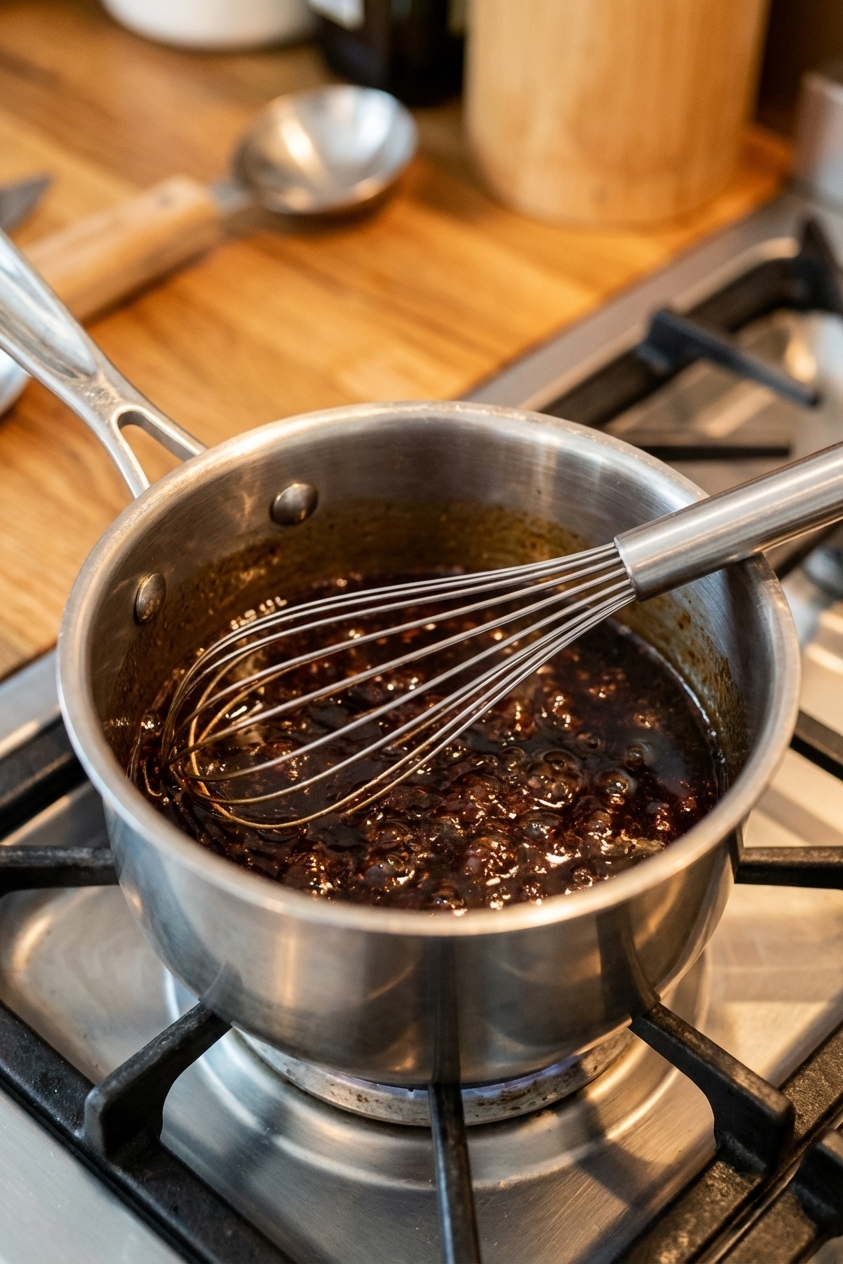
This version is classic: soy sauce, mirin, and sugar, simmered until it turns syrupy and coats the back of a spoon. It’s bold, glossy, and just salty enough to keep the sweetness in check. If you’ve ever thought, “I wish my rice bowl tasted like takeout,” this is your answer.
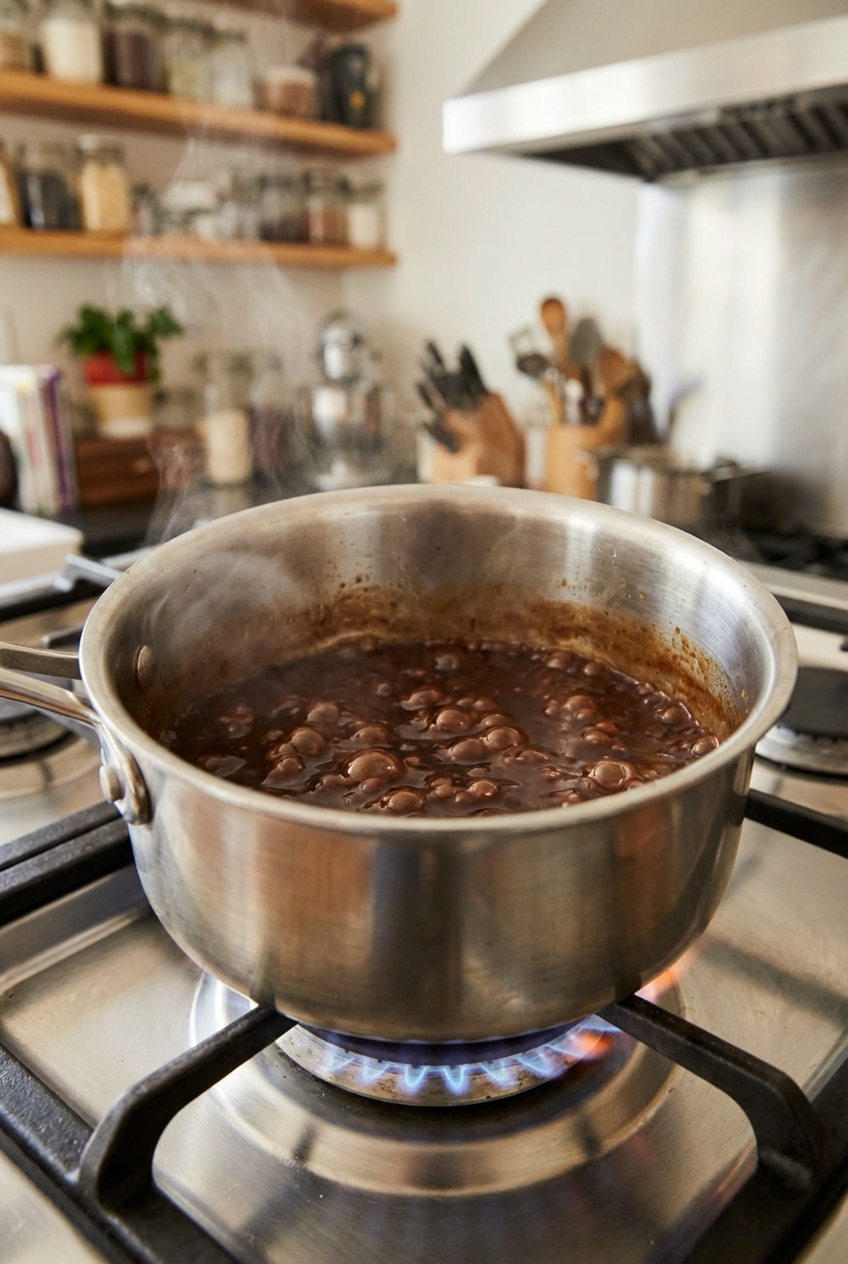
A small saucepan on a stove with dark sauce gently simmering and bubbling

Why It Works

  • Big flavor, tiny effort: You get that restaurant-style glaze with a 10 minute simmer.
  • Glossy, spoon-coating texture: Reducing concentrates flavor and gives you the signature shine without cornstarch.
  • Balanced sweet and savory: Soy sauce brings salt and depth, mirin adds sweetness and aroma, and sugar rounds it out.
  • Easy to customize: Make it a little thicker, a little lighter, or add ginger and garlic if you want extra attitude.

Pairs Well With

  • Salmon rice bowls with cucumber and avocado
  • Shrimp tempura rolls or any crunchy sushi roll
  • Grilled chicken skewers with scallions
  • Roasted broccoli or blistered green beans for a sweet-salty finish

Storage Tips

Refrigerate: Let the sauce cool completely, then store in a clean jar or airtight container in the fridge for up to 2 weeks.

Reheat: Warm gently in the microwave in 10 to 15 second bursts, or on the stovetop over low heat. If it gets too thick after chilling, stir in 1 to 2 teaspoons water to loosen it up.

Freeze: You can freeze eel sauce for up to 3 months. I like freezing it in an ice cube tray, then popping the cubes into a freezer bag so you can thaw exactly what you need.

Common Questions

Is eel sauce actually made from eel?

Nope. Traditional restaurant versions can include eel drippings from grilling, but most “eel sauce” is a reduced blend of soy sauce, mirin, and sugar. This homemade version is eel-free and still nails the flavor.

What is the difference between eel sauce and teriyaki sauce?

They are cousins, not twins. Eel sauce is usually thicker, sweeter, and more concentrated because it’s reduced longer. Teriyaki often includes additional ingredients like ginger, garlic, or sake and is commonly used as a marinade or cooking sauce.

My sauce turned too thick. Did I mess it up?

Not at all. It thickens a lot as it cools. Warm it gently and whisk in a splash of water until it’s pourable again.

Can I make eel sauce without mirin?

Yes. To keep the same liquid ratio (and avoid a too-salty sauce), swap the 1/2 cup mirin for 1/4 cup sake plus 1/4 cup water. Then add an extra 1 to 2 teaspoons sugar to make up for mirin’s sweetness. The flavor will be a little less floral, but still really good.

Can I use low-sodium soy sauce?

Absolutely. Low-sodium soy sauce makes the sauce a little less punchy, which some people prefer. If it tastes too mild after reducing, add a tiny pinch of salt at the end.

The first time I made eel sauce at home, it was because I had a sad bowl of leftover rice and exactly zero motivation to be impressive. I threw soy sauce and mirin in a little pan, added sugar, and let it bubble while I sliced a cucumber. Ten minutes later, my “whatever dinner” suddenly tasted like I had a plan. Now I keep a jar in the fridge for those nights when I want something cozy and carb-forward, but still bright and punchy. It’s the kind of sauce that makes you taste as you go and accidentally keep tasting.