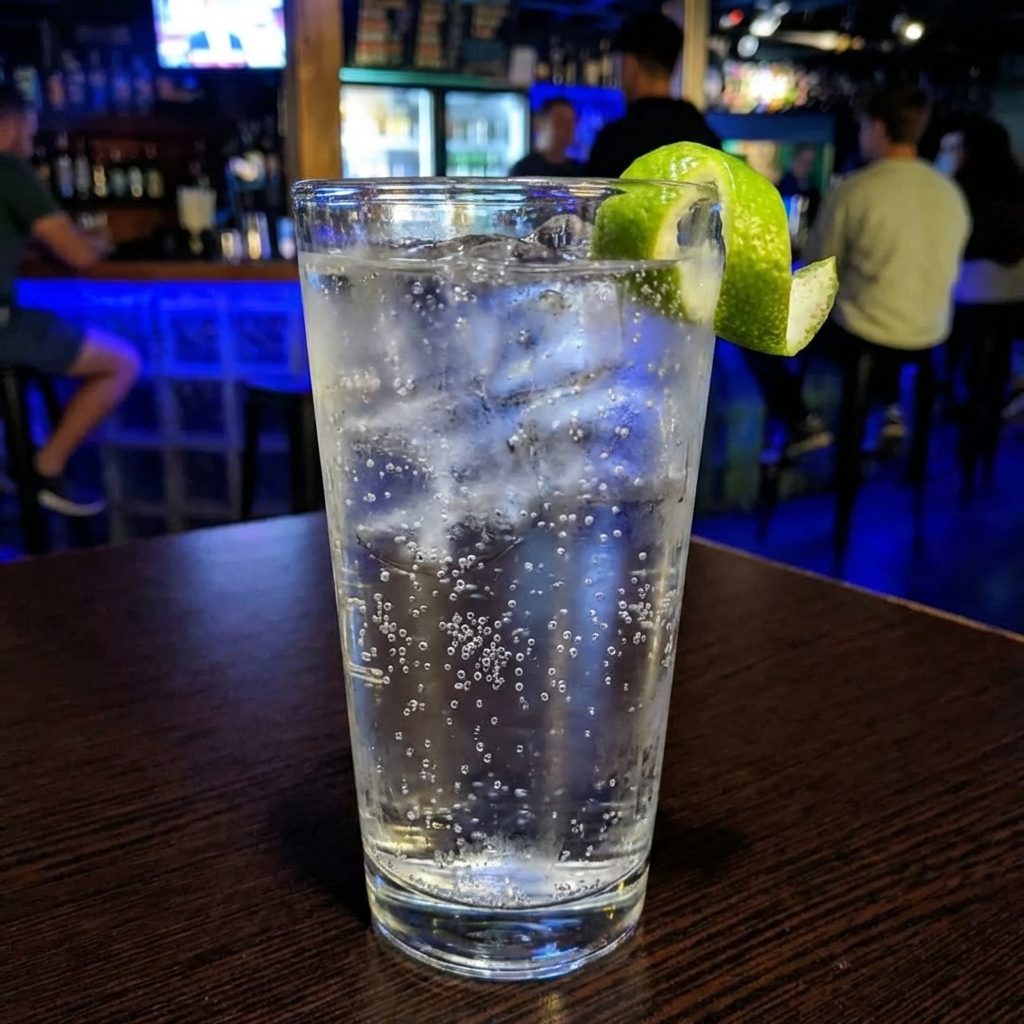
What does “light and fluffy” mean for a gin and tonic?
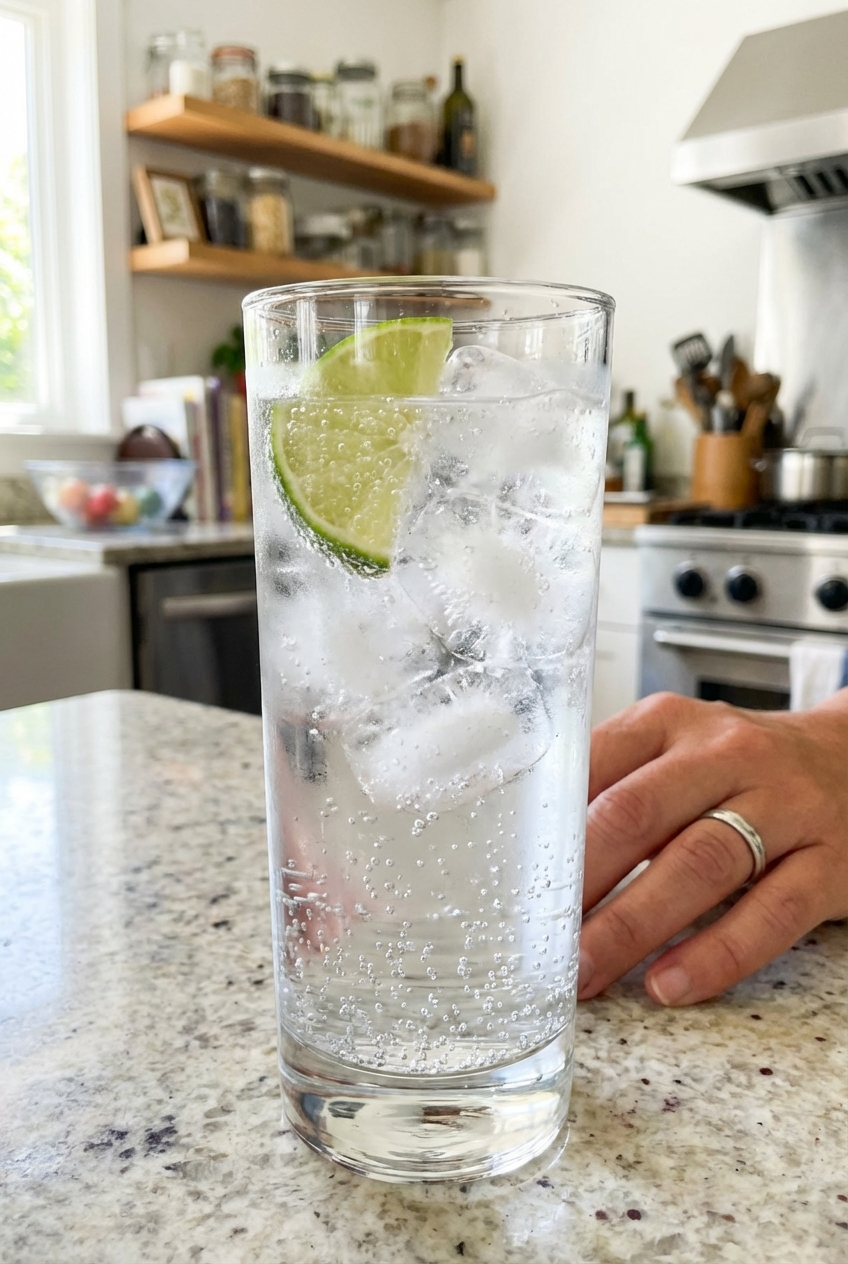
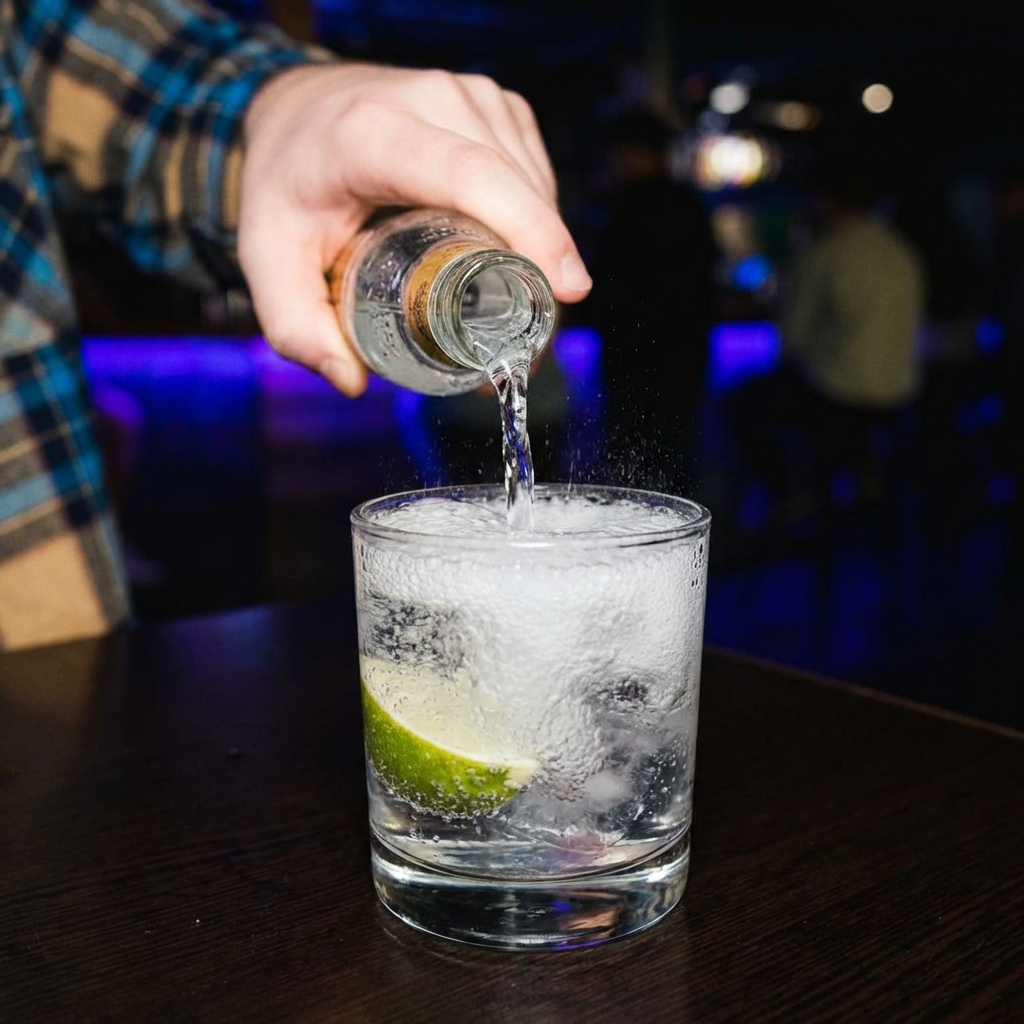
It means the drink feels airy and crisp from strong carbonation, lots of cold ice, and a pour that keeps bubbles intact. Think: bright aroma, lively fizz, no syrupy heaviness.
What is the best gin for a classic gin and tonic?
A London Dry style gin is the classic choice because it is clean and juniper-forward. That said, gin choice matters, so use one you genuinely like. If your gin is very floral or citrusy, keep the garnish simple so it does not clash.
What tonic water should I use?
Use a tonic you enjoy on its own, and choose freshly opened bottles or cans. Tonic varies a lot by brand: some are sweeter, some are drier, some lean more herbal or more bitter. “Premium” tonic is often less aggressively sweet and has a cleaner quinine bite, which helps the drink taste brighter.
What is the best gin to tonic ratio?
My sweet spot is 1 part gin to 2 to 3 parts tonic. For one drink, that is usually 2 ounces of gin and 4 to 6 ounces tonic. More tonic makes it lighter and more sessionable.
Should I squeeze lime into a gin and tonic?
You can, but a lot of juice can make the drink taste sharper and slightly flatter. For the brightest “fluffy” result, I prefer expressing the peel and dropping in a small wedge.
Can I make it less sweet?
Yes. Choose a “light” tonic or a drier tonic, and use the higher end of the ratio (more tonic, plenty of ice). You can also add a small splash of sparkling water, but you will dilute the tonic flavor.