Mom's Best Recipes
Recipe

Classic Gin and Tonic

Bright, fizzy, lime-kissed, and perfectly bitter in the best way. This is the reliable gin and tonic I make when I want crisp refreshment with zero fuss.

Author By Matt Campbell
4.8
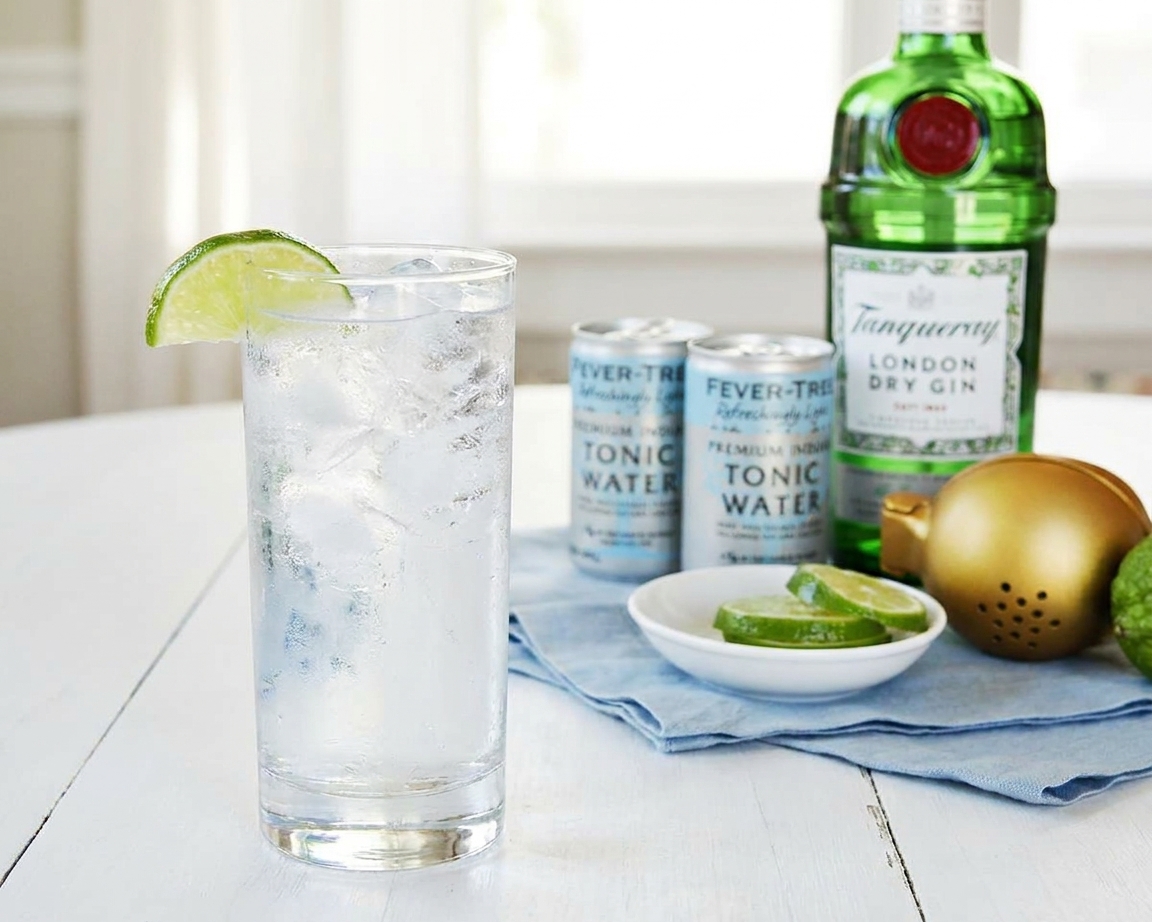
A tall highball glass filled with a gin and tonic over clear ice cubes, a lime wedge tucked on the rim, and condensation on the glass on a bright kitchen counter

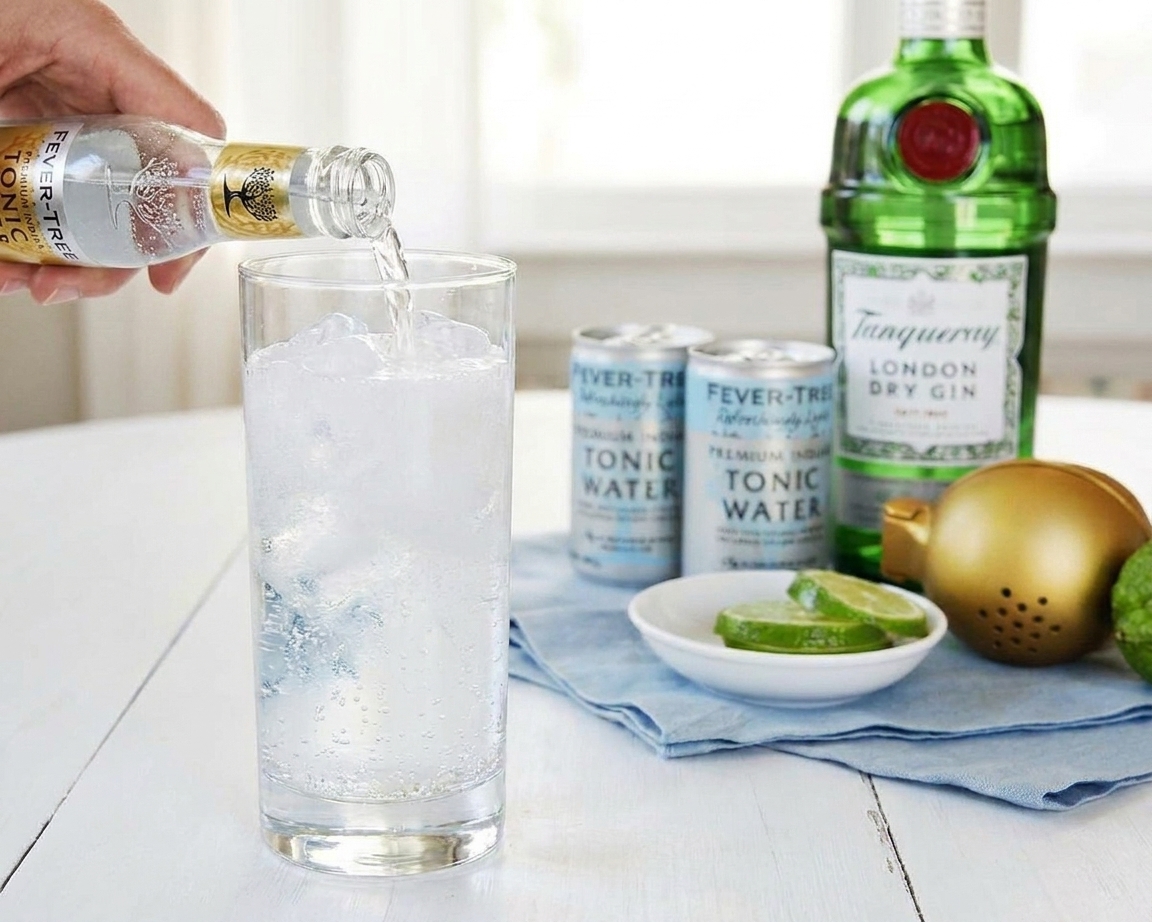
There are drinks that try really hard, and then there is the gin and tonic, which shows up cool and somehow tastes like you have your life together. The secret is not some rare tonic or a crystal mixing spoon. It is cold glass, lots of ice, a clean ratio, and gentle stirring so the bubbles stay lively.

This version is my weeknight standard: crisp, citrusy, and balanced enough that the gin actually tastes like gin, not like you accidentally made lime soda. I will also give you a few low-drama upgrades, because I cannot resist a good garnish moment.
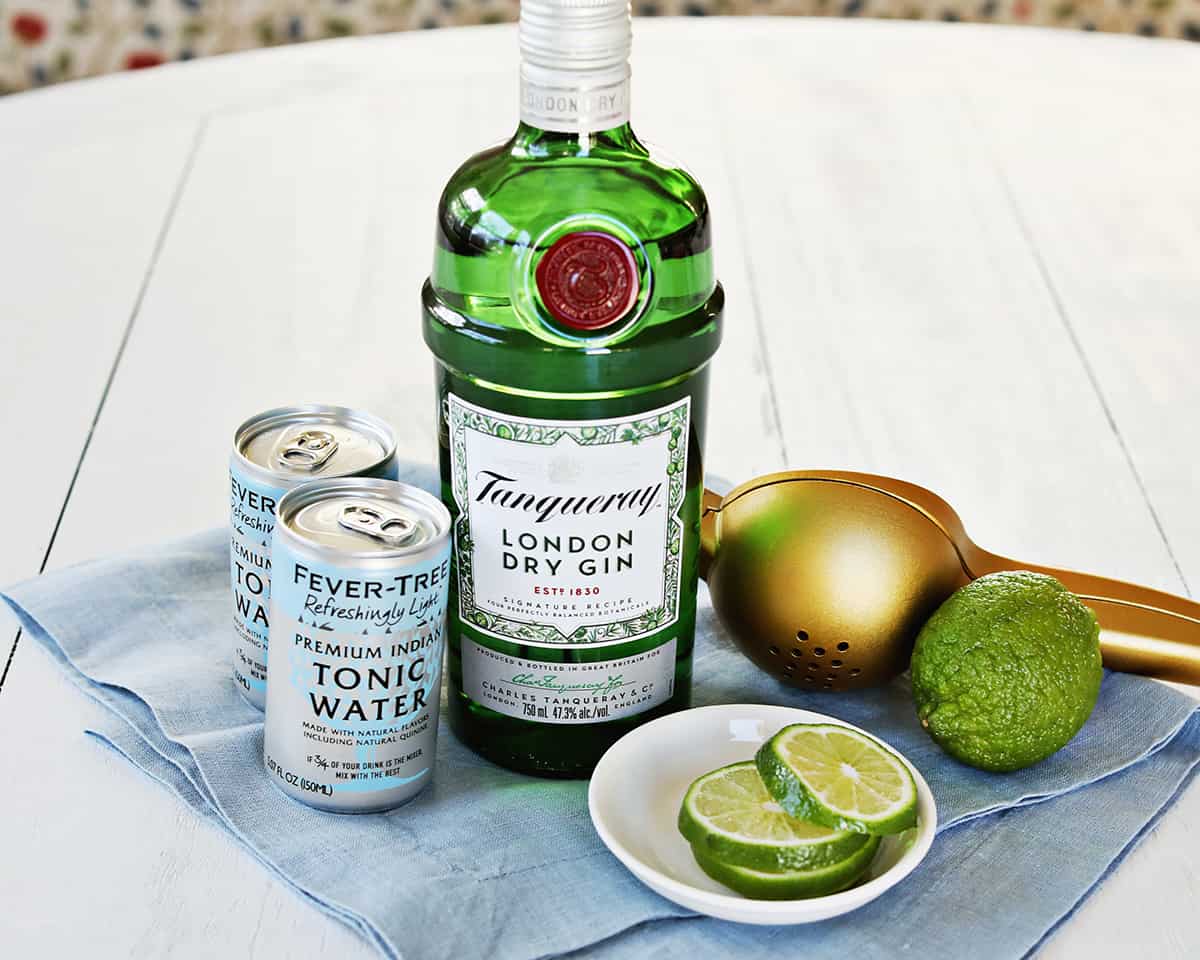
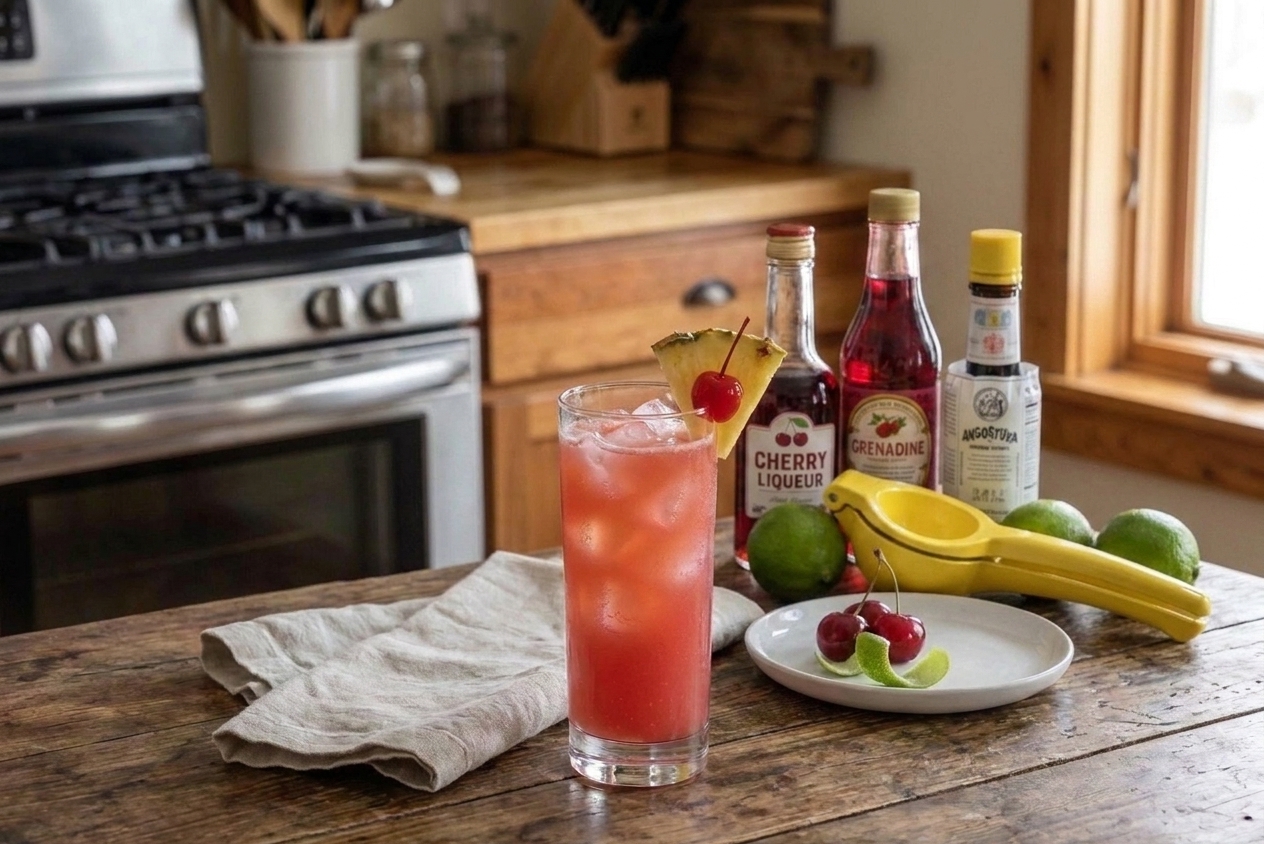
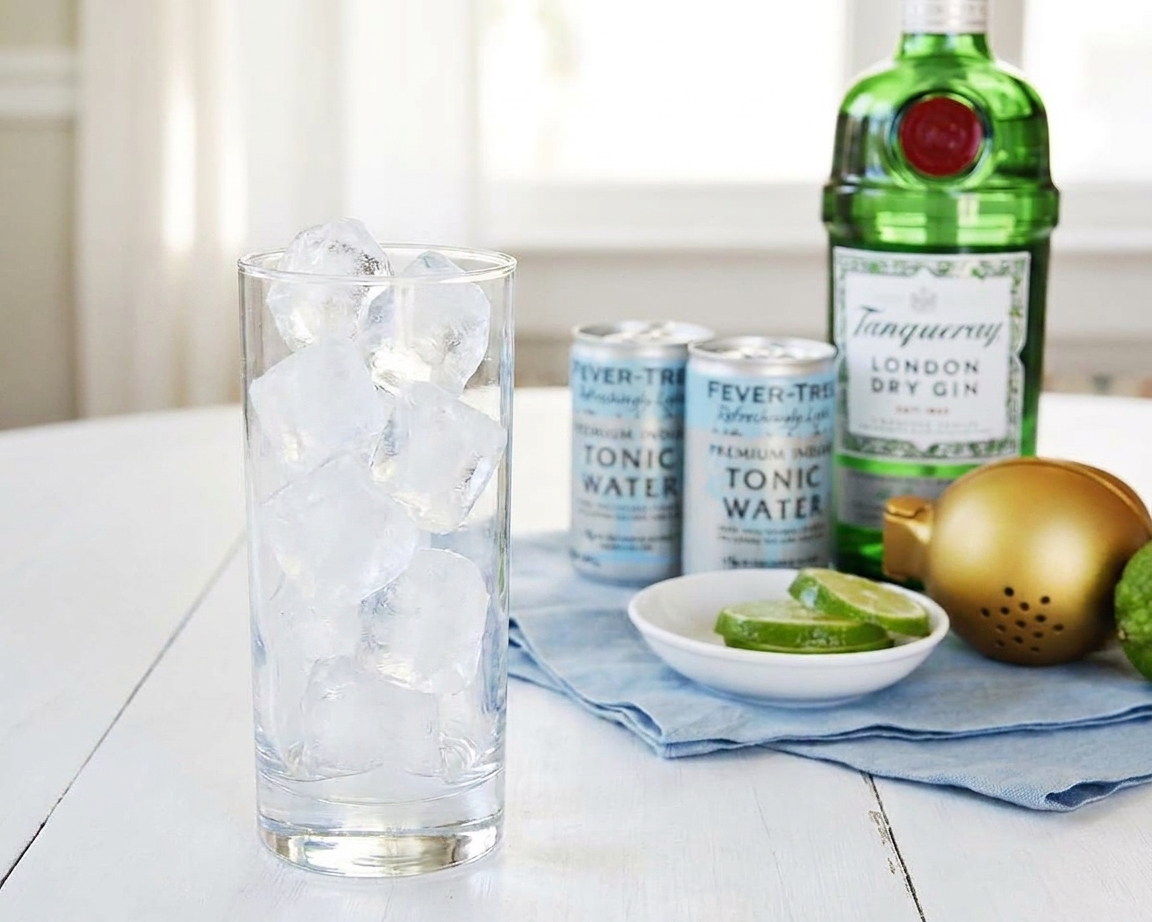
Gin bottle, tonic water bottle, fresh limes, and a jigger arranged on a tidy kitchen counter next to a filled ice tray

Why It Works

  • Bright and balanced: A common 1:3 ratio gives you a drink that is refreshing but still clearly gin-forward.
  • Stays fizzy: Cold ingredients, big ice, and a gentle stir keep the carbonation where it belongs, in your glass.
  • Easy to customize: Swap garnishes, try different gins, or add a few dashes of bitters without changing the core method.
  • Accessible ingredients: Gin, tonic, lime, ice. That is the whole vibe.

Pairs Well With

Storage Tips

A gin and tonic is a make-it-and-drink-it situation. Once tonic goes into a glass, the clock starts ticking and the bubbles fade fast.

  • Leftover tonic: Re-cap and refrigerate immediately. It is best within 24 to 48 hours, though smaller bottles help prevent half-flat heartbreak.
  • Cut limes: Store wedges in an airtight container in the fridge for up to 2 days. For the best aroma, cut fresh if you can.
  • Batching tip: If you are making multiple drinks, you can pre-measure the gin in a small pitcher and keep it in the freezer for 15 to 20 minutes. Add tonic to each glass right before serving.

Common Questions

What is the best gin to tonic ratio?

My go-to is 2 oz gin to 6 oz tonic (1:3), which is a common, easy-drinking balance. If you want it stronger, go 2 oz gin to 4 oz tonic (1:2). If you want it lighter, do 1.5 oz gin to 6 oz tonic.

How do I keep my gin and tonic from going flat?

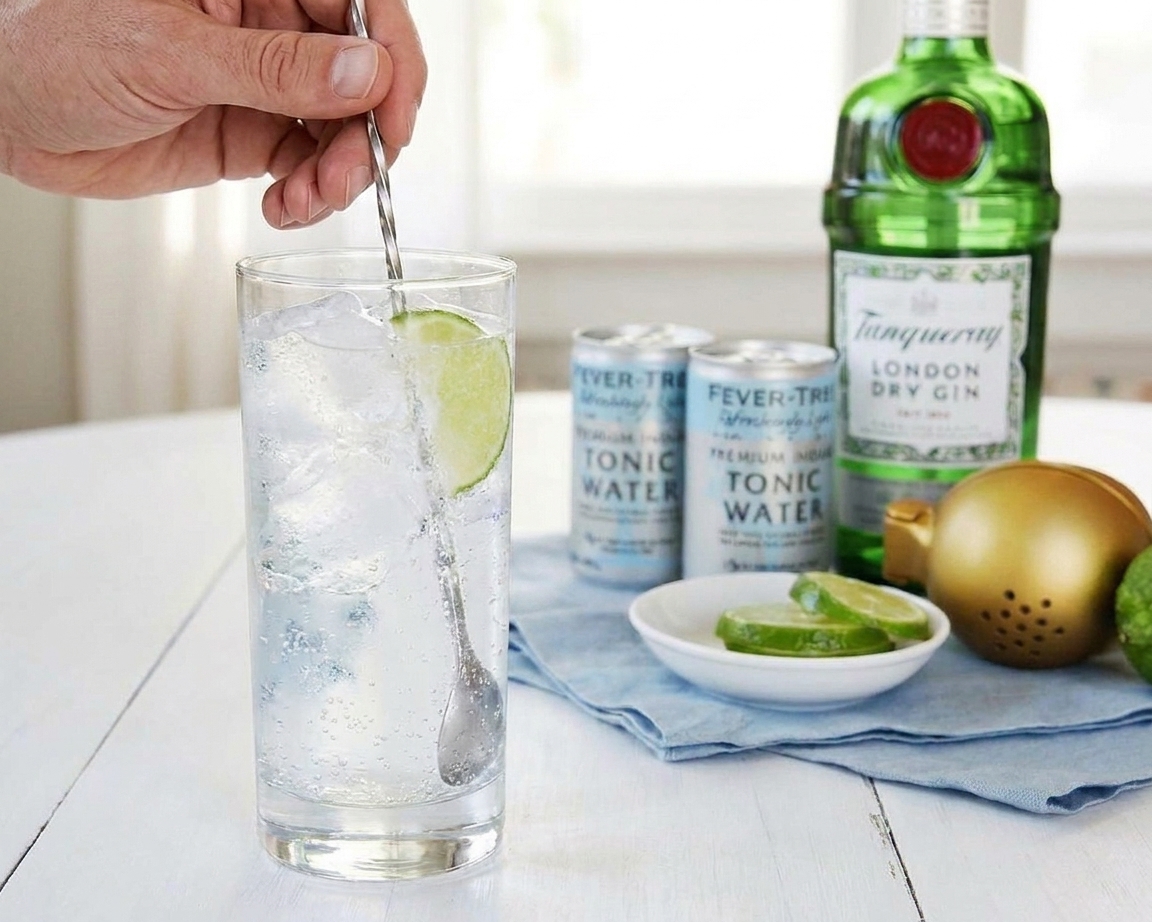
Use very cold tonic, add plenty of ice, and stir gently only once or twice. Also, pour tonic down the side of the glass instead of splashing it straight onto the ice.

Should I squeeze the lime or just garnish?

Do both, but lightly. A small squeeze of lime adds brightness without turning it into lime tonic. Then drop the wedge in for aroma.

Can I make a gin and tonic without lime?

Yes. It will taste more bitter and more botanical. If you still want a pop of freshness, try a lemon twist, a cucumber ribbon, or a few lightly crushed berries.

What is the best glass for a gin and tonic?

A highball is classic and easy. A large balloon wine glass also works well because it holds lots of ice and concentrates garnish aromas.

Is tonic water the same as club soda?

No. Tonic is bitter (it contains quinine) and is usually sweet, though some “dry” or “light” tonics are less sweet. Club soda is neutral and just fizzy. If you swap club soda in, you are making something closer to a Gin Rickey, especially if you add a proper squeeze of lime.

I used to think a gin and tonic was a “two ingredients, who cares” kind of drink. Then I made one with warm tonic and three sad ice cubes and immediately understood why people claim they do not like gin. When I finally started treating it like food (chilling everything, using enough ice, tasting and adjusting), it clicked. Now it is my default reset button: crisp, bracing, and just fancy enough to make a Tuesday feel less Tuesday.