Mom's Best Recipes
Recipe

Classic Glazed Meatloaf

Juicy slices, crisp edges, and a tangy-sweet glaze made from pantry staples.

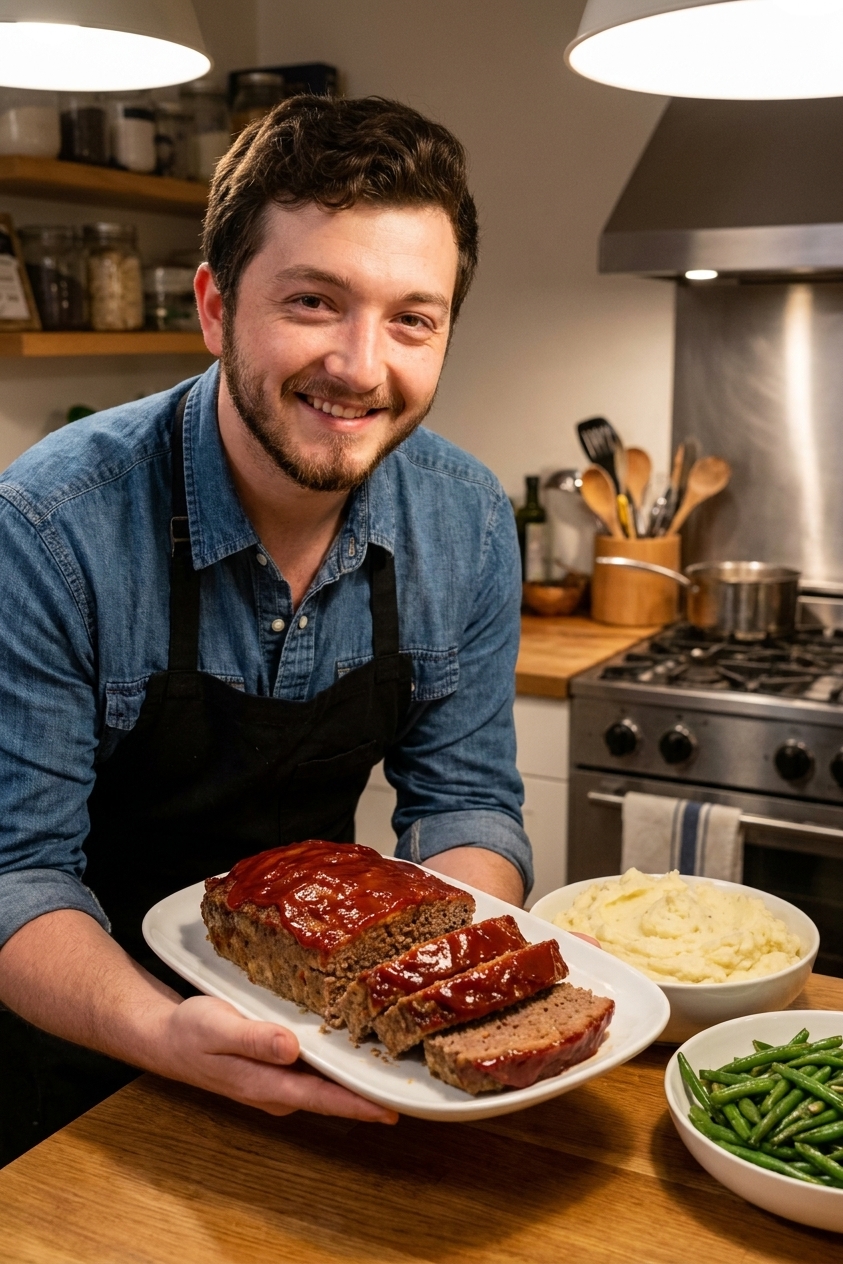
Author By Matt Campbell
4.8
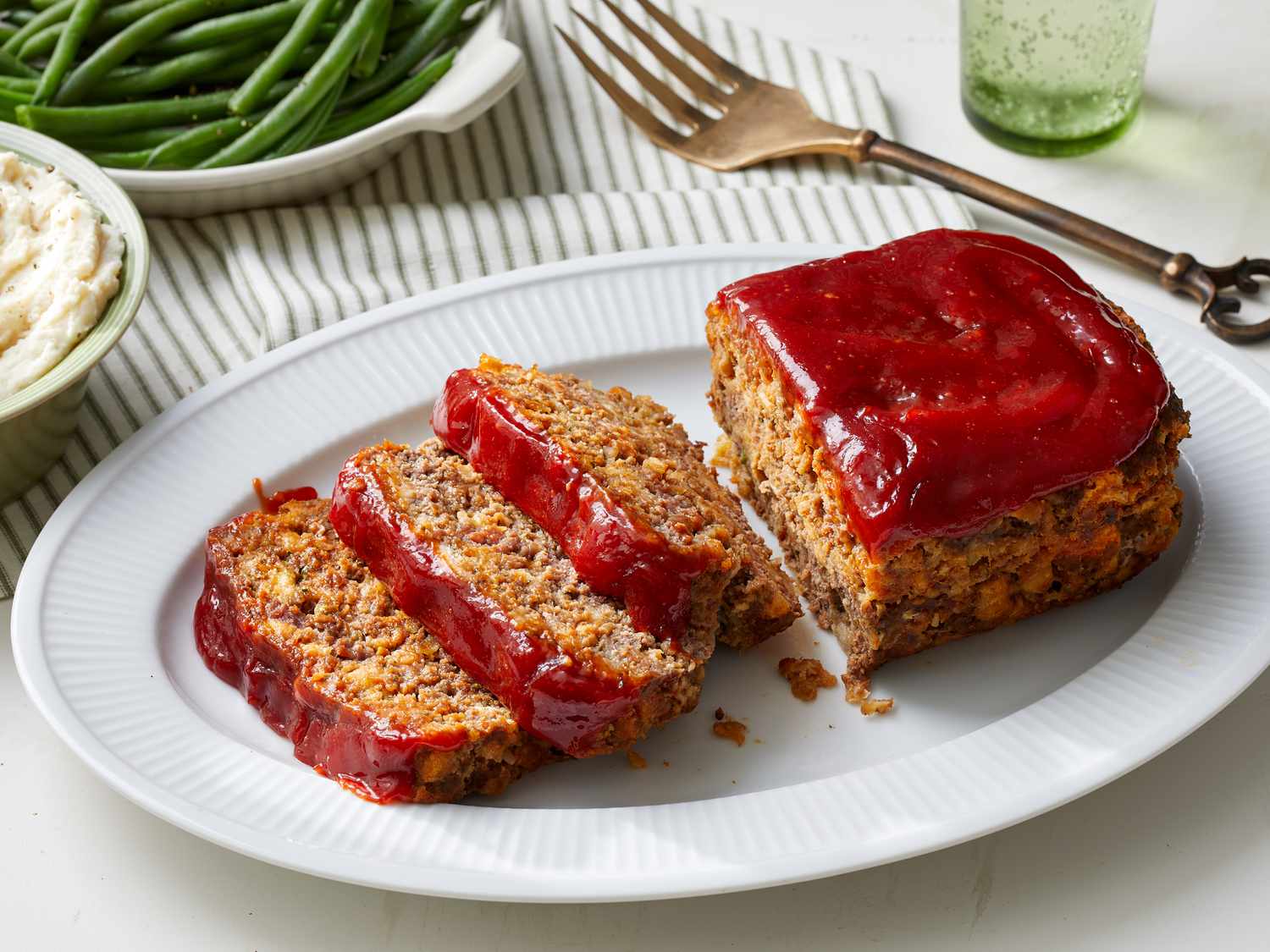
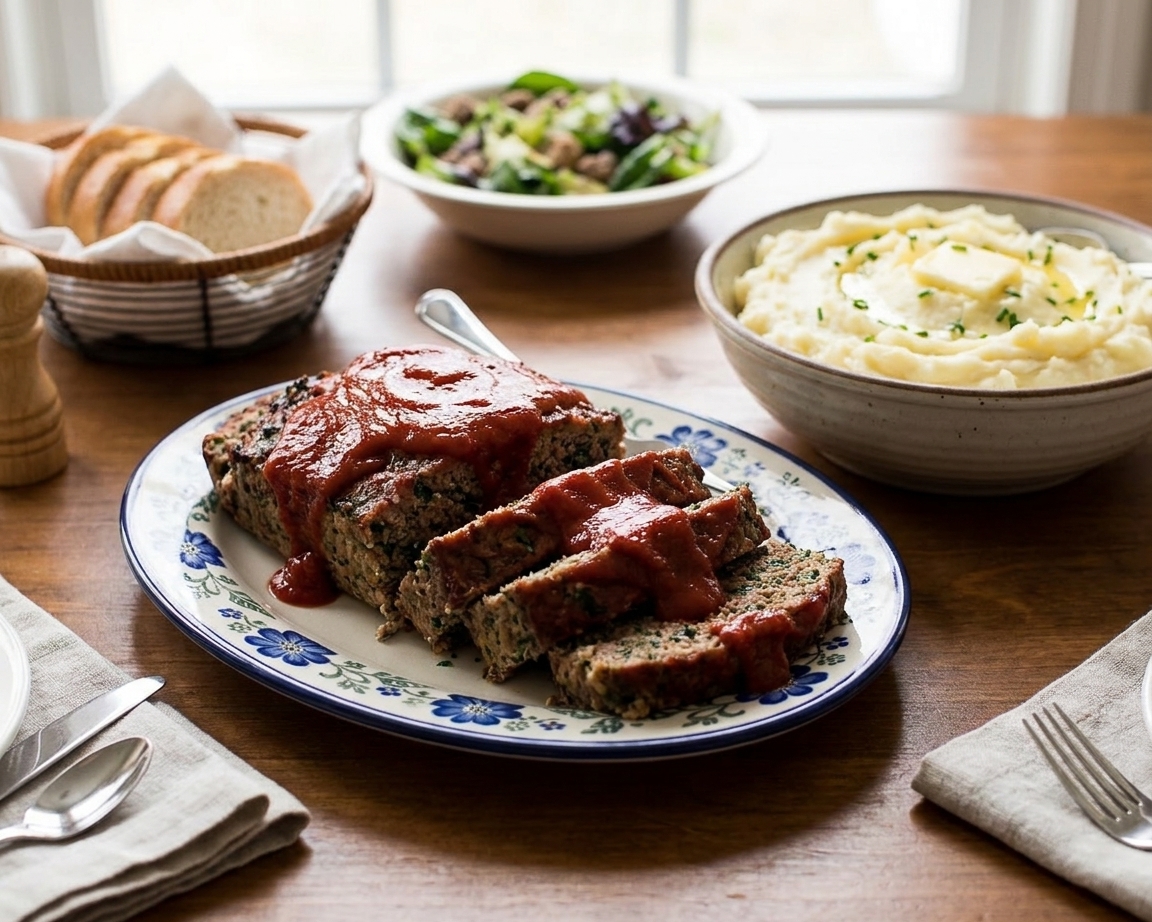
Sliced meatloaf on a white platter with a glossy ketchup glaze, with mashed potatoes and green beans in the background
Jump to Recipe

Meatloaf gets a bad rap because a lot of us grew up with the dry, crumbly kind that needed a lot of ketchup to be enjoyable. This is not that meatloaf.

This version is the one I keep coming back to when I want a dinner that feels like a hug but still tastes like someone cared. It is tender in the middle, has those crisp edges we all fight over, and it wears a shiny glaze that hits sweet, tangy, and just a little sticky in the best way.

No fancy ingredients. No culinary gymnastics. Just a few small moves that make a huge difference, like soaking the breadcrumbs so the loaf stays juicy and shaping it so it browns instead of steaming itself.
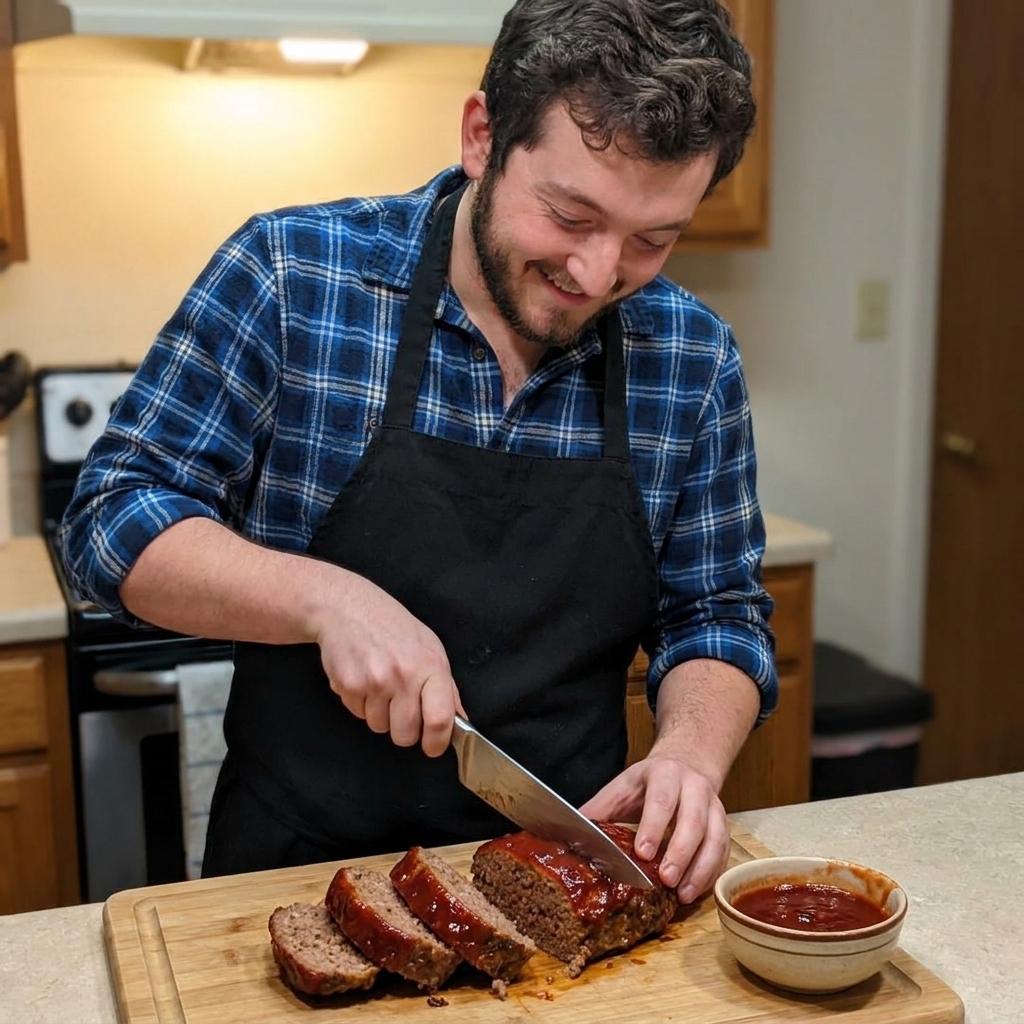
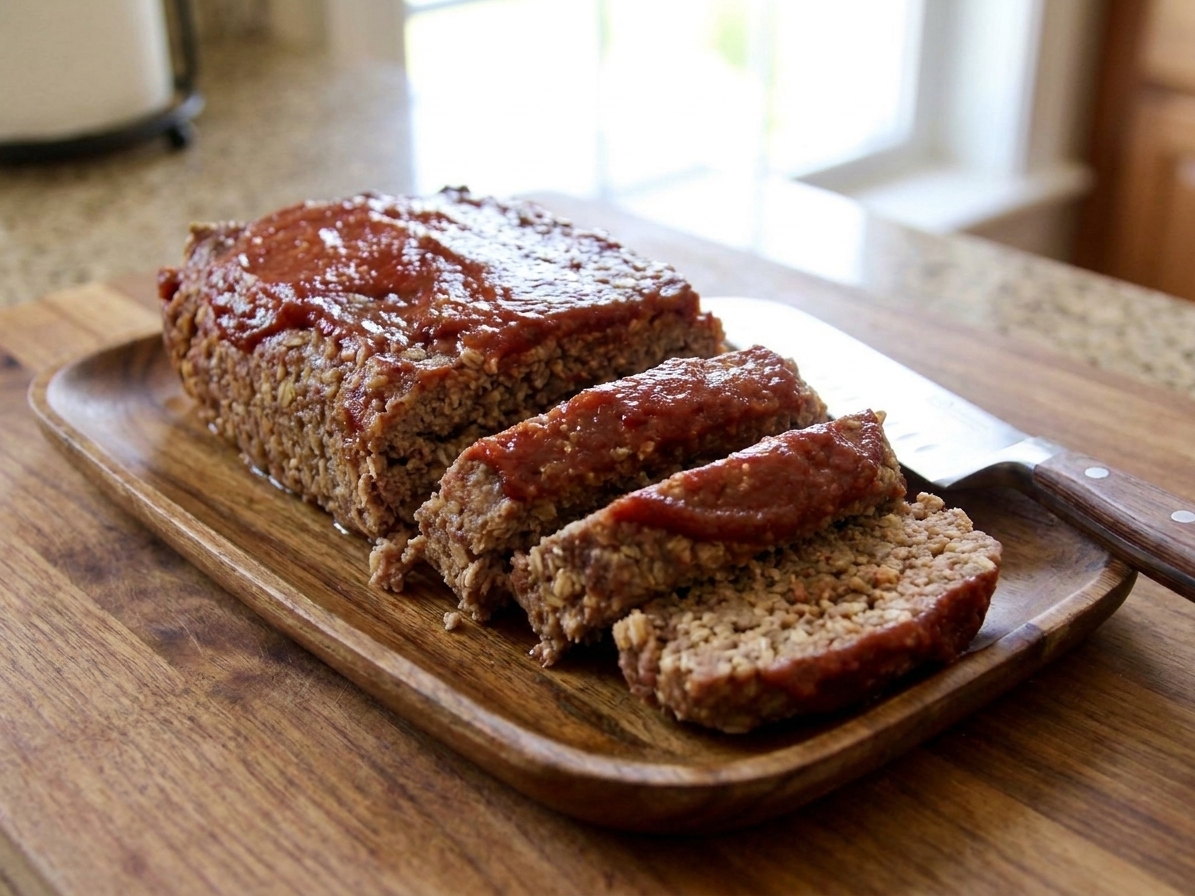
Thick slices of glazed meatloaf on a wooden cutting board with a chef knife and a small bowl of extra glaze

Why It Works

  • Moist, not mushy: A quick panade, which is breadcrumbs mixed with milk, helps prevent dryness and keeps the meatloaf tender.
  • Better browning: Shaping the loaf on a sheet pan gives you more surface area for crisp edges and caramelized glaze.
  • Flavor in every bite: Onion, garlic, Worcestershire, and a little Dijon make it taste like more than just ground beef.
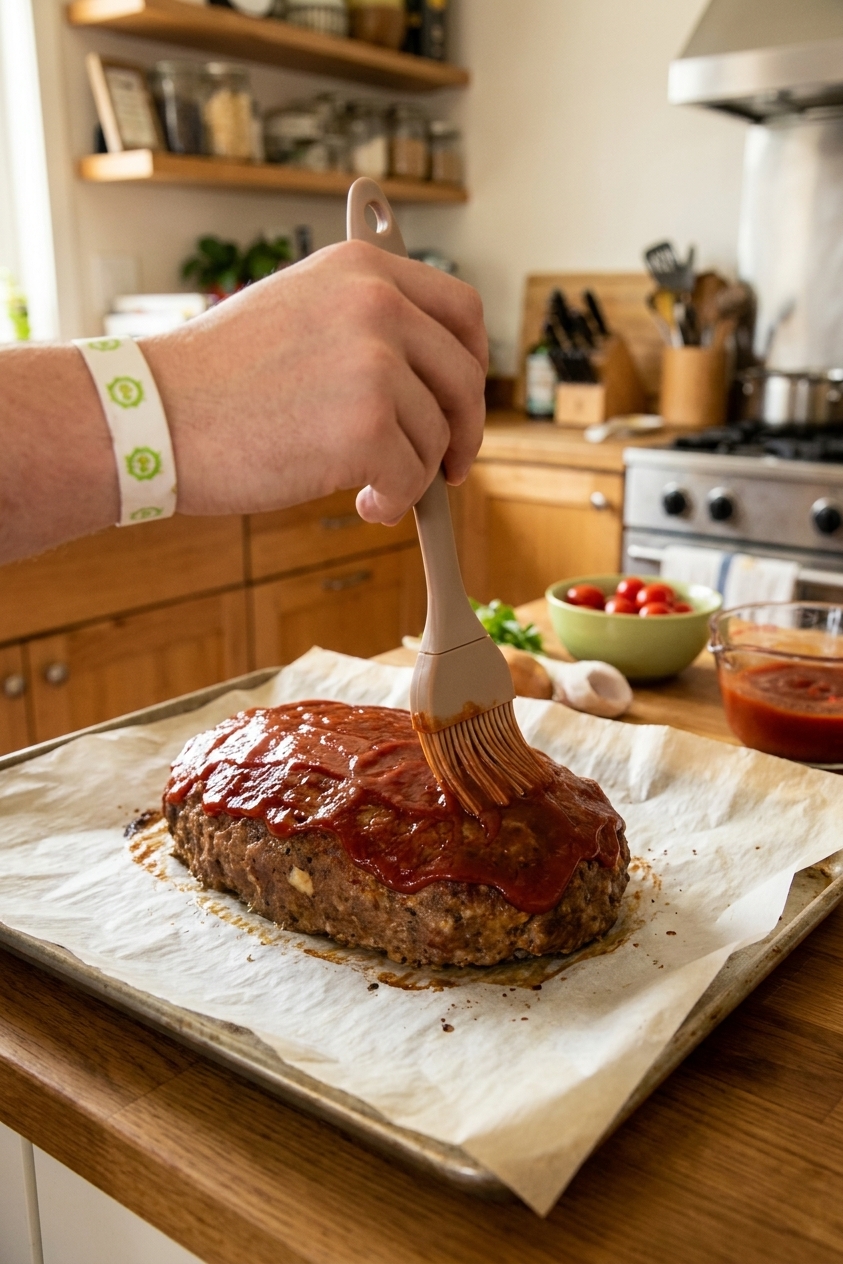
  • A glaze that actually matters: Two-stage glazing builds a shiny, slightly tacky top that sets and clings to each slice.

Pairs Well With

Storage Tips

Storage Tips

Refrigerator

Cool leftovers, then wrap slices tightly or store in an airtight container. Refrigerate for up to 4 days for best quality. Slicing first helps it chill faster and reheat more evenly.

Freezer

Meatloaf freezes great. Wrap individual slices in plastic wrap, then stash in a freezer bag. Freeze for up to 3 months for best quality. For best texture, thaw overnight in the fridge.

Reheating

  • Microwave (fast): Cover and heat in 30 to 45 second bursts until hot. Add a dab of water, broth, or extra glaze to keep it moist.
  • Oven (best texture): Place slices in a baking dish, add a splash of broth or water, cover with foil, and warm at 325°F for 15 to 20 minutes.
  • Skillet (crispy edges): Sear slices in a little butter or oil over medium heat until the edges crisp.

Common Questions

Common Questions

Why is my meatloaf dry?

Dry meatloaf usually comes from lean meat, overmixing, or overbaking. Use 80 to 85 percent lean ground beef, mix just until combined, and pull it when the center hits 160°F.

Do I have to use a loaf pan?

No, and I actually prefer a sheet pan. A free-form loaf browns better and gives you more of those crisp edges. That said, it will still render fat as it bakes, so just spoon off or blot the excess before glazing. If you love the loaf-pan shape, you can use one, but drain excess fat carefully and expect softer sides. Start checking temperature at the same time, and budget a little extra time if your loaf is thicker.

How do I keep it from falling apart?

You need enough binder and a rest period. Eggs plus a breadcrumb panade do the job. Also, let the meatloaf rest 10 to 15 minutes before slicing so the juices settle and it firms up.

Can I make it ahead?

Yes. Mix and shape the loaf up to 24 hours ahead, cover, and refrigerate. Add 5 to 10 minutes to the bake time since it goes in colder.

Can I use turkey or a beef and pork mix?

Absolutely. Beef and pork is extra juicy. If using turkey, choose dark meat ground turkey if possible, and consider adding 1 tablespoon olive oil to the mix for insurance.

What internal temperature is safe for meatloaf?

For ground beef, cook to 160°F in the center. If you use poultry, follow 165°F. A thermometer removes all the guesswork, and helps you avoid overbaking.

Meatloaf is one of those dishes that feels like it belongs to a family more than a recipe. I started making it when I wanted a reliable dinner that could handle real life: hungry people, limited time, and a fridge that is not always as stocked as my imagination.

The first time I nailed the glaze, I remember standing at the counter taking “just a tiny slice” and then taking another, because the edges were crisp and the top was sticky and the inside was actually juicy. That is the whole goal. Cozy, forgiving, and way better than it has any right to be for something you mixed with your hands.