Mom's Best Recipes
Recipe

Classic Glühwein (German Mulled Wine)

A cozy mulled wine with citrus and warm spices that tastes like winter in a mug.

Author By Matt Campbell
4.8
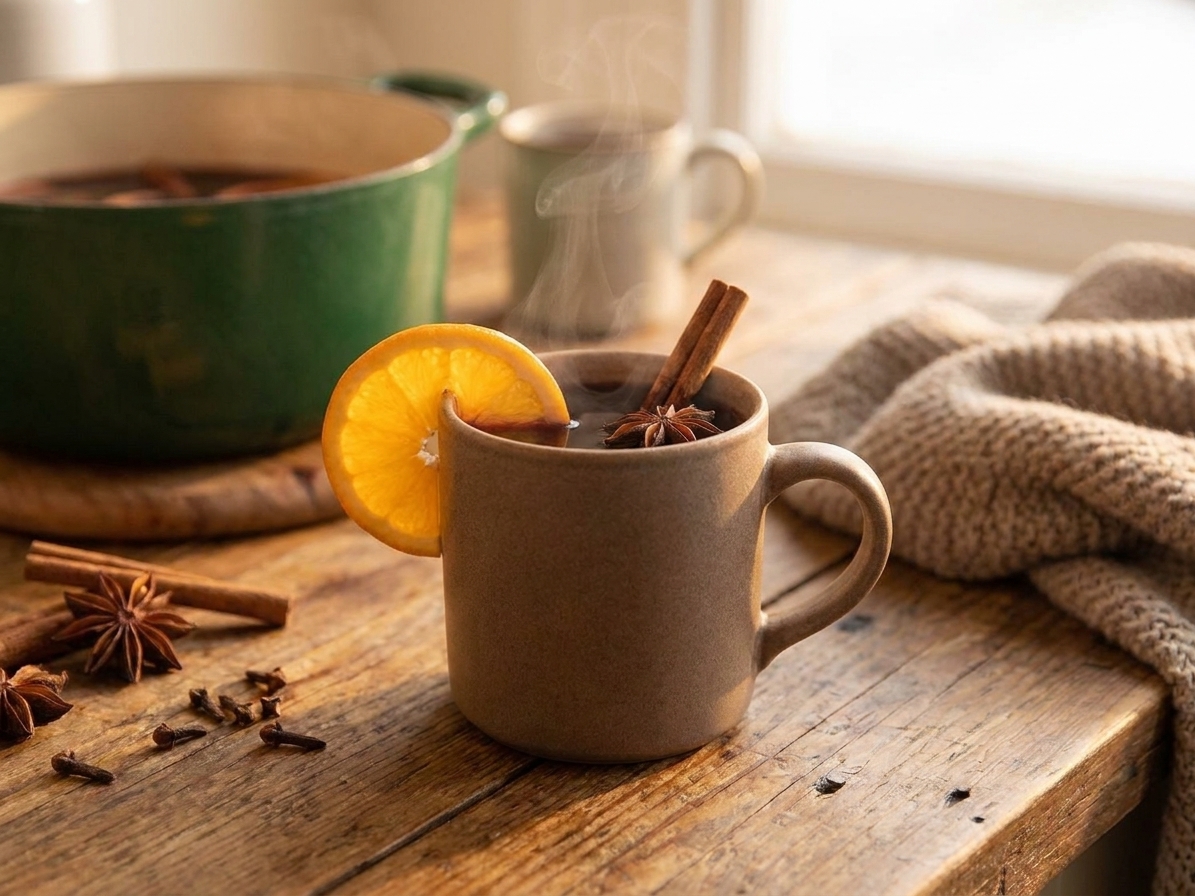
A steaming mug of deep red glühwein garnished with an orange slice and cinnamon stick on a wooden table, warm kitchen lighting

Glühwein is the drink I make when I want my kitchen to smell like I have my life together. It’s warm, spiced, and just sweet enough to feel festive without turning into syrup. And the best part is that it’s low drama: you gently warm wine with citrus and spices, taste as you go, and stop before it ever boils.

This is my go-to “classic” German-style glühwein, built on an accessible bottle of red wine, orange, a couple pantry spices, and an optional splash of brandy for that cozy back-of-the-throat glow. Make it for a small get-together, a movie night, or the kind of Tuesday that needs a little help.
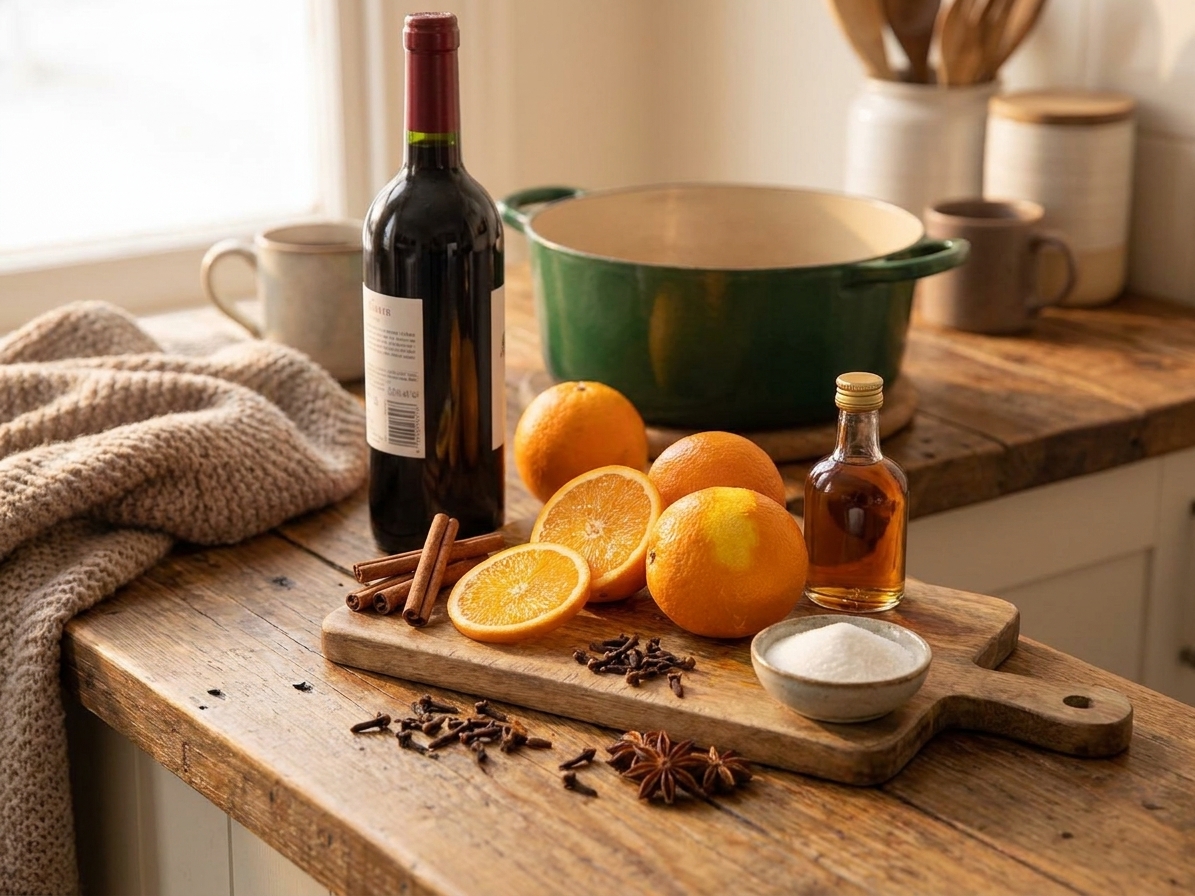
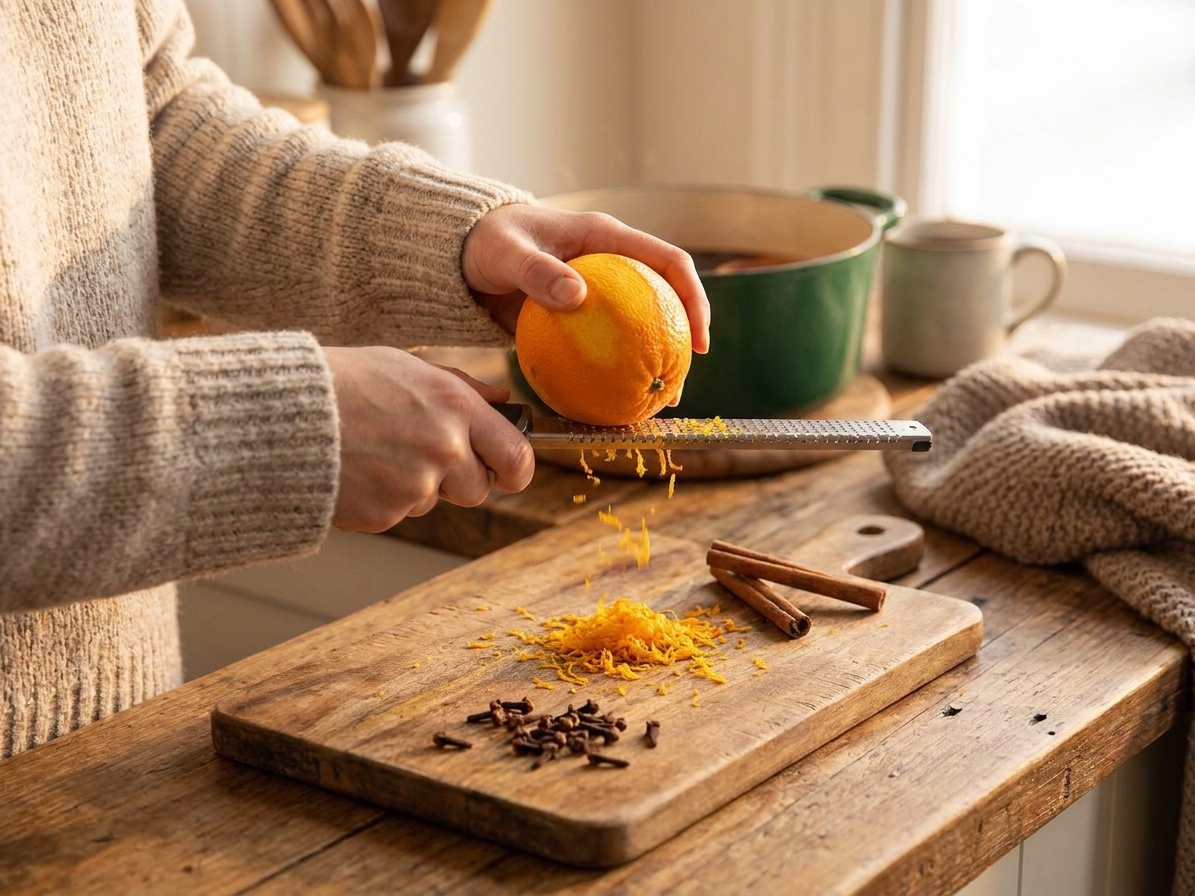
A real photo of glühwein ingredients on a kitchen counter: red wine, oranges, cinnamon sticks, whole cloves, star anise, sugar, and a small bottle of brandy

Why It Works

  • Big aroma, minimal effort: The spices and citrus do the heavy lifting while you do basically nothing but stir.
  • No boiled wine flavor: Keeping it below a simmer preserves the fruit and slows alcohol loss so it stays smooth and fragrant.
  • Balanced, not cloying: We sweeten to taste, starting modest, so it stays bright and sippable.
  • Flexible: Use what you have. Lemon instead of orange, honey instead of sugar, brandy optional, spices adjustable.

Pairs Well With

Storage Tips

Refrigerate: Cool leftover glühwein, strain out the spices and citrus (important so it doesn’t get bitter), then store in a sealed container in the fridge for up to 3 days.

Reheat gently: Warm on the stove over low heat until steaming. Don’t boil. Microwave works too, but do it in short bursts and stir between.

Freeze: I don’t love freezing wine based drinks because the flavor can flatten and the aromatics can mute, but you can freeze in a freezer-safe container for up to 2 months. Thaw in the fridge and reheat gently.

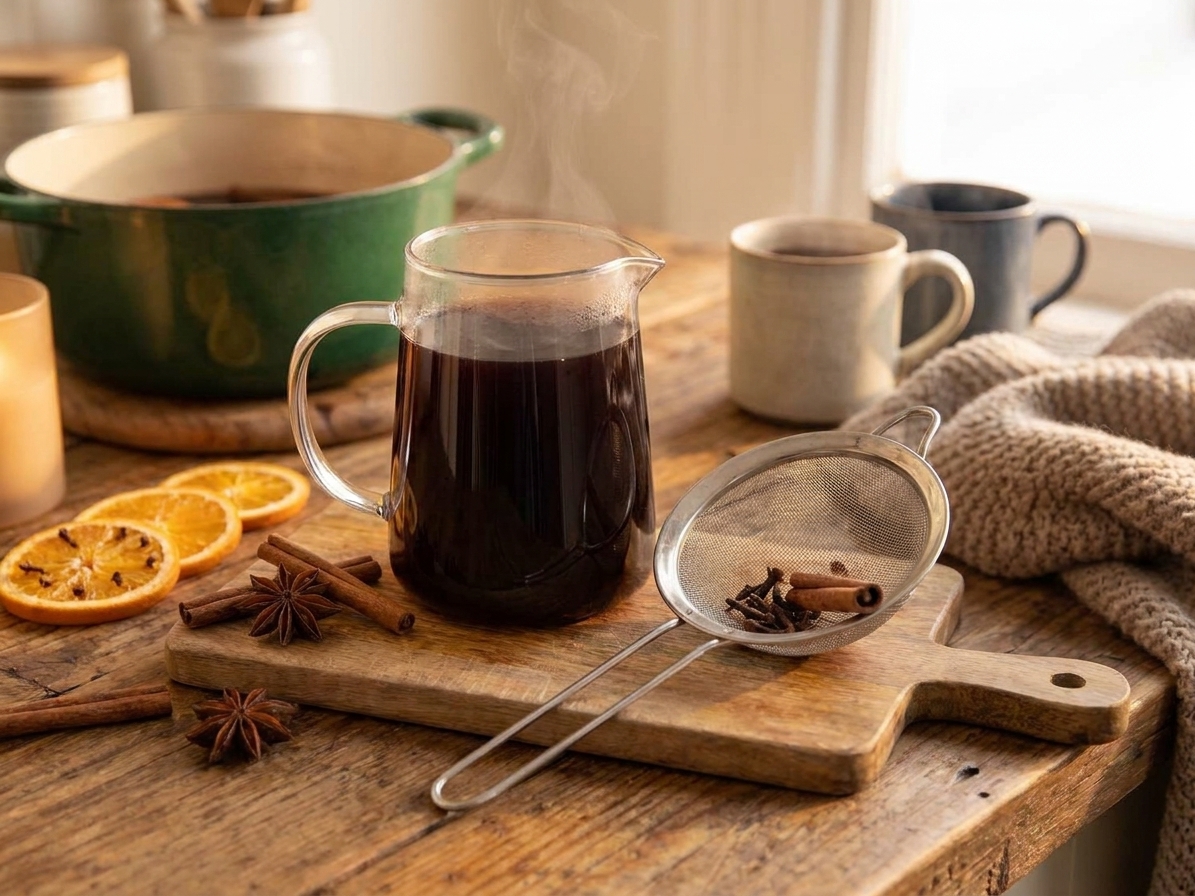
A glass pitcher of strained glühwein on a kitchen counter with a fine mesh strainer nearby, warm indoor lighting

Common Questions

Do I have to use expensive wine?

No. Use a decent, drinkable red you wouldn’t mind having a glass of. Think fruity and easy: merlot, zinfandel, garnacha, or a soft cabernet. Skip anything super oaky or super tannic if you can.

Can I make glühwein without alcohol?

Yes. Swap the wine for 100% red grape juice or a mix of grape and pomegranate juice. It will be noticeably sweeter than wine, so skip the added sugar at first, warm everything with the spices, then sweeten only if it needs it. A splash of orange juice helps brighten it up.

Why can’t I boil it?

Boiling makes the alcohol evaporate quickly and can leave you with a harsher, “cooked wine” taste. Keep it steaming hot, just below a simmer, with only a few tiny bubbles around the edges at most.

Can I make it in a slow cooker?

Absolutely. Set it to Low for 1 to 2 hours. Stir occasionally. If your slow cooker runs hot, crack the lid so it stays below a simmer.

What if it tastes too bitter?

Bitterness usually comes from too much pith (the white part of citrus) or leaving spices and citrus in too long. Fix it by straining, then adding a little more sweetener and a squeeze of fresh orange juice.

What is the difference between glühwein and mulled wine?

Glühwein is a German style of mulled wine, typically red wine warmed with citrus and whole spices, sometimes finished with rum or brandy. Mulled wine is the broader category across many cultures.

I didn’t grow up with glühwein as a “tradition,” but the first time I made it for friends, it instantly became one. There’s something about a pot of warm spiced wine on the stove that turns a regular night into a small event. Also, I love any recipe where the best technique is basically: don’t rush, don’t boil, and taste as you go. That’s my kind of kitchen energy.