
Mom's Best Recipes
Recipe

Classic Hamantaschen

Buttery cookie dough, crisp corners, and a filling that stays where it belongs.

Author By Matt Campbell
4.8
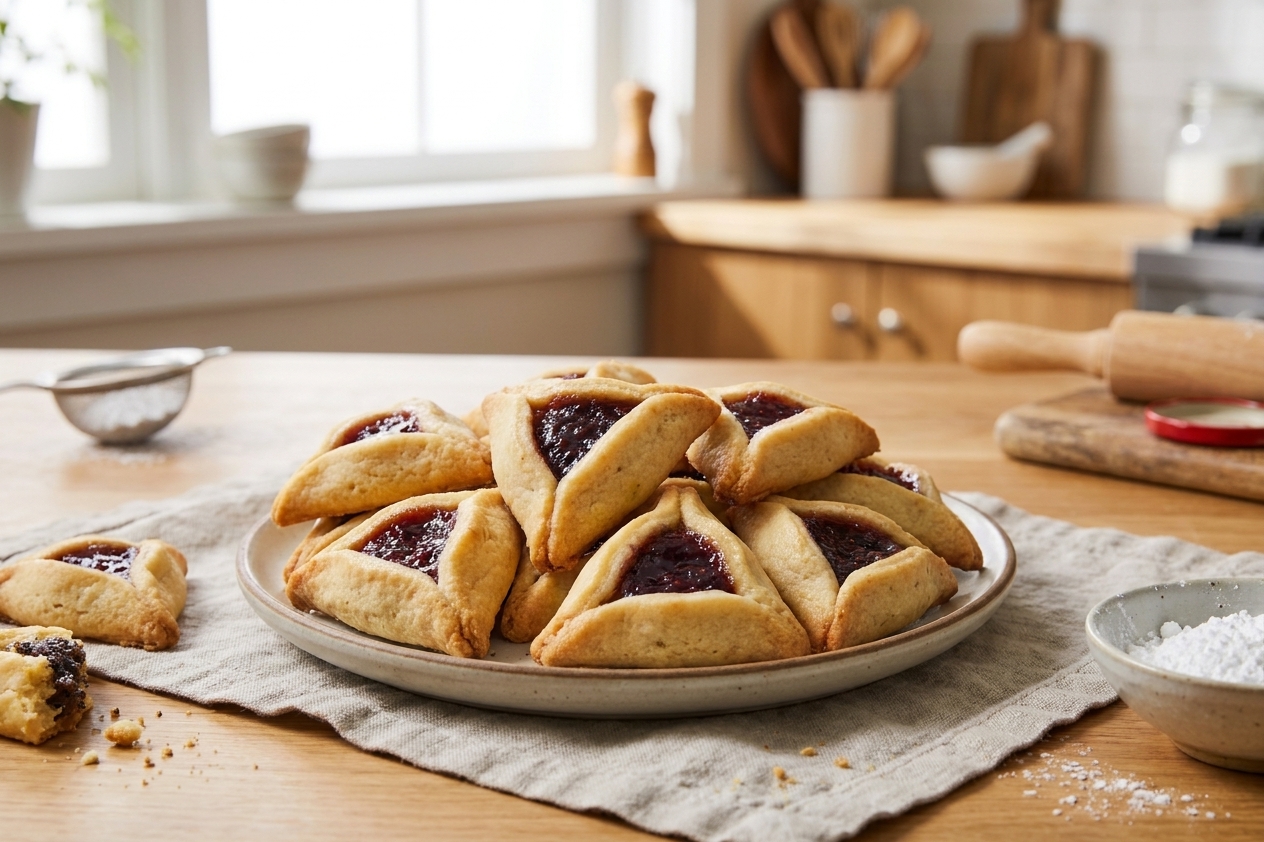
A plate of golden-brown hamantaschen cookies with visible jam centers and crisp folded corners on a neutral linen cloth in a bright home kitchen

Hamantaschen are the kind of cookie that looks like it has a personality. A little dramatic, very triangular, and absolutely worth making at home even if your first batch looks like it had a rough day. This recipe is my go-to when I want crisp edges, a tender center, and a dough that actually holds its shape instead of slowly unfolding in the oven like it is giving up on geometry.

We are keeping ingredients accessible and the method low-drama. Chill the dough, do not overfill, and pinch like you mean it. You can go classic with poppy seed, keep it easy with jam, or get playful with whatever is lurking in your pantry.


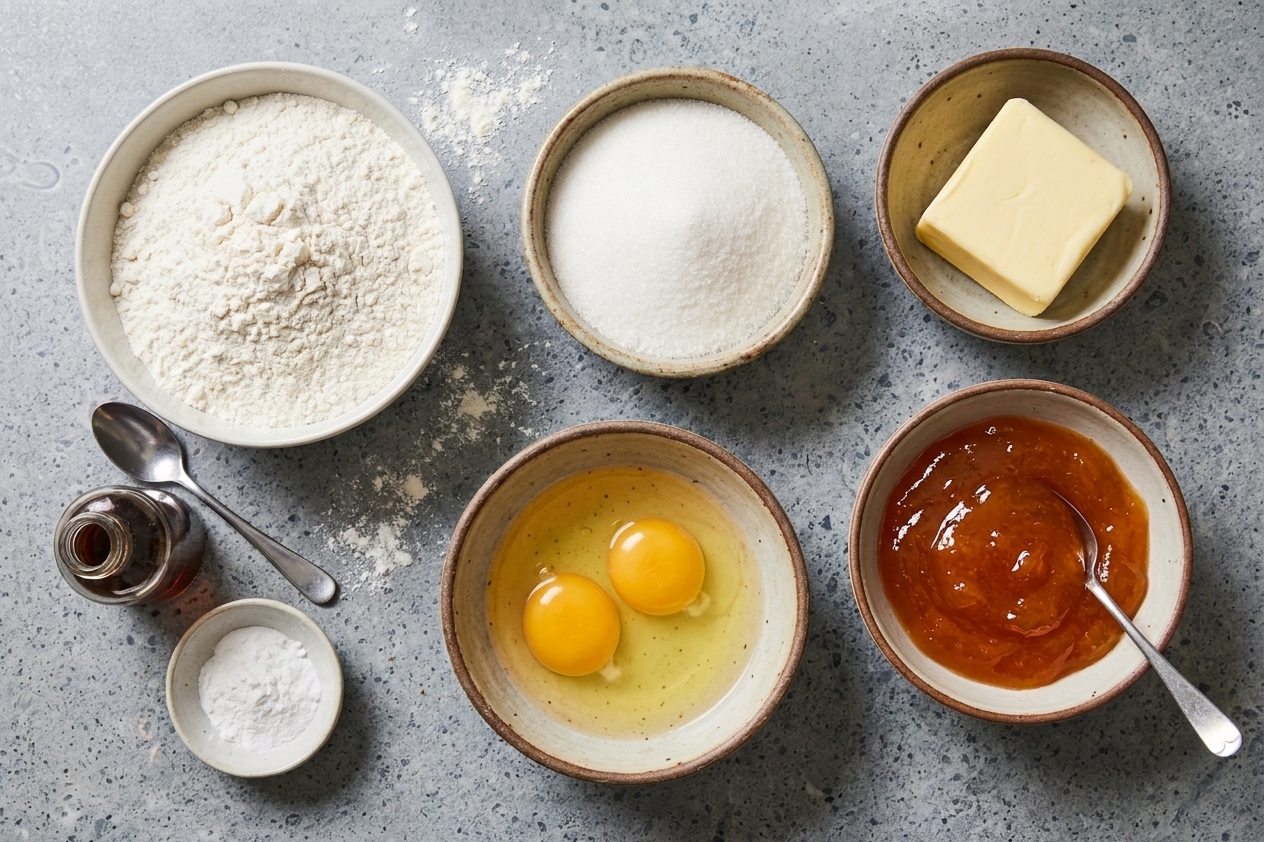
Measured flour, sugar, butter, eggs, vanilla, baking powder, and small bowls of jam and poppy seed filling laid out on a clean kitchen counter

Why It Works

  • Shape that stays put: A quick chill and a simple pinching technique keep the corners from opening.
  • Cookie texture you want: Buttery and tender with crisp edges, not dry, not cakey.
  • Filling that behaves: Just enough filling for a generous center without the lava-flow situation.
  • Flexible flavors: Works with jam, poppy seed, chocolate, date, or whatever your household votes for.

Pairs Well With

Storage Tips

Room temp: Store hamantaschen in an airtight container for 3 to 5 days. In humid kitchens or with very wet fillings, they can soften sooner, so aim for the earlier end of the range for best texture. If you used a jam filling, place parchment between layers to prevent sticking.

Freeze (baked): Freeze in a single layer until firm, then transfer to a zip-top bag or container for up to 2 months. Thaw at room temperature.

Make ahead: Dough can be refrigerated, tightly wrapped, for up to 2 days. Let it sit at room temperature for 10 to 15 minutes before rolling so it does not crack.

Common Questions

Why did my hamantaschen open in the oven?

The usual suspects: dough was too warm, the corners were not sealed firmly, there was too much filling, or there was flour on the edges keeping them from sticking. Chill the cut circles for 10 minutes before filling and baking, brush off any excess flour, and pinch each corner, then pinch the seams again. Think: firm confidence.

How much filling should I use?

About 1 teaspoon per cookie. If you can see your future self trying to clean burnt jam off the pan, you added too much.

Do I need to refrigerate jam-filled hamantaschen?

Generally, no. Standard jam is usually fine at room temperature in an airtight container for a few days, but very juicy fillings can soften the cookies faster. If you use a dairy-based filling (like cheesecake), refrigerate promptly and eat within 3 to 4 days.

Can I make them dairy-free?

Yes. Swap the butter for a good plant-based butter stick. Keep the dough chilled and handle it lightly because dairy-free fats soften fast.

What is the best thickness for rolling the dough?

Aim for about 1/8 inch. Too thin and they crack or leak. Too thick and you get bready corners.

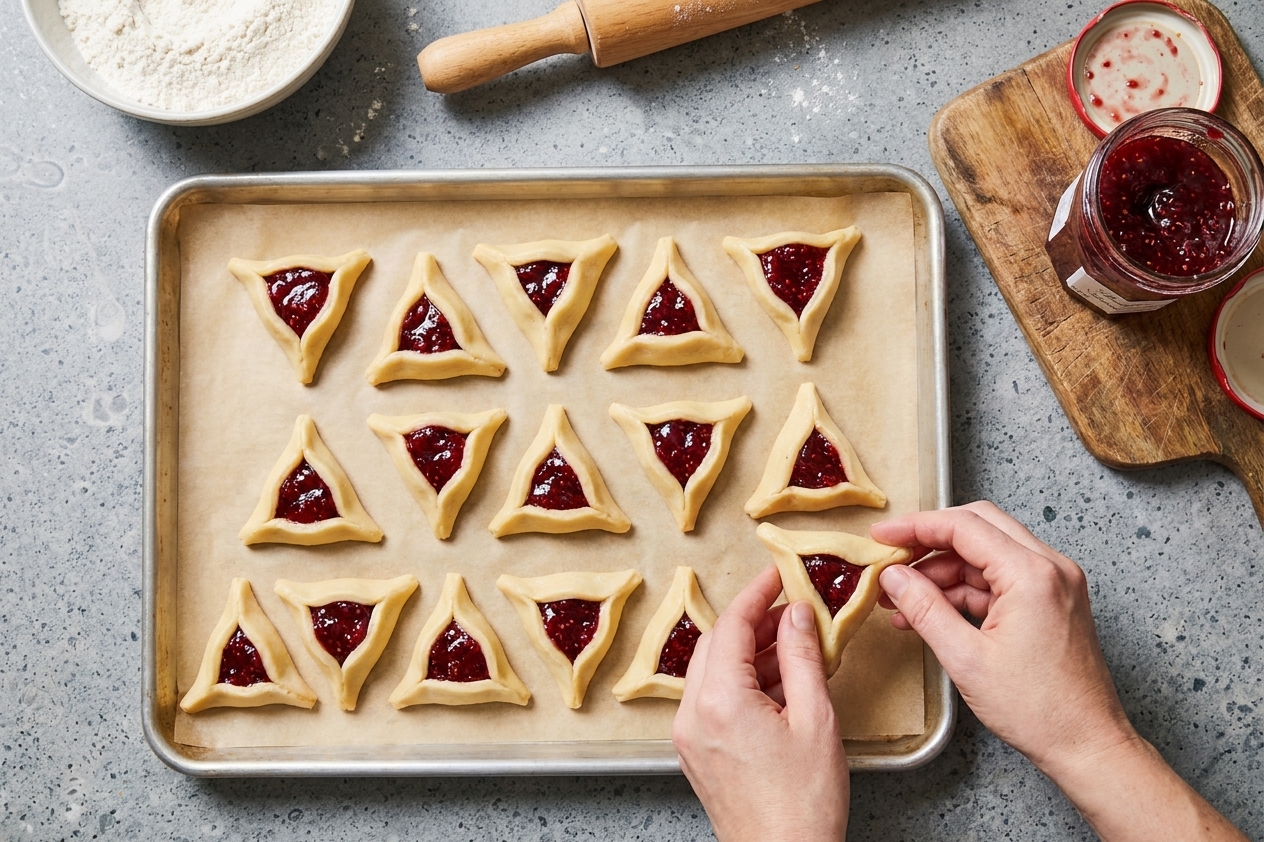
Hands folding and pinching a round of cookie dough into a triangle around a small dollop of jam on a parchment-lined baking sheet

I like hamantaschen because they are a little chaotic in the best way. You roll, cut, fill, fold, and suddenly your kitchen looks like a tiny bakery that has strong opinions about triangles. The first time I made them, I overfilled like a rookie and the jam did what jam does, which is escape. Now I keep the filling modest, the dough cold, and my pinches confident. They come out golden with crisp corners and that sweet center that makes you reach for just one more, even when you promised you were done.