Mom's Best Recipes
Recipe

Classic Biscuit Recipe

Light, fluffy, and golden with crisp edges. These classic buttermilk biscuits come together fast with simple pantry staples and one key rule: keep it cold.

Author By Matt Campbell
4.8
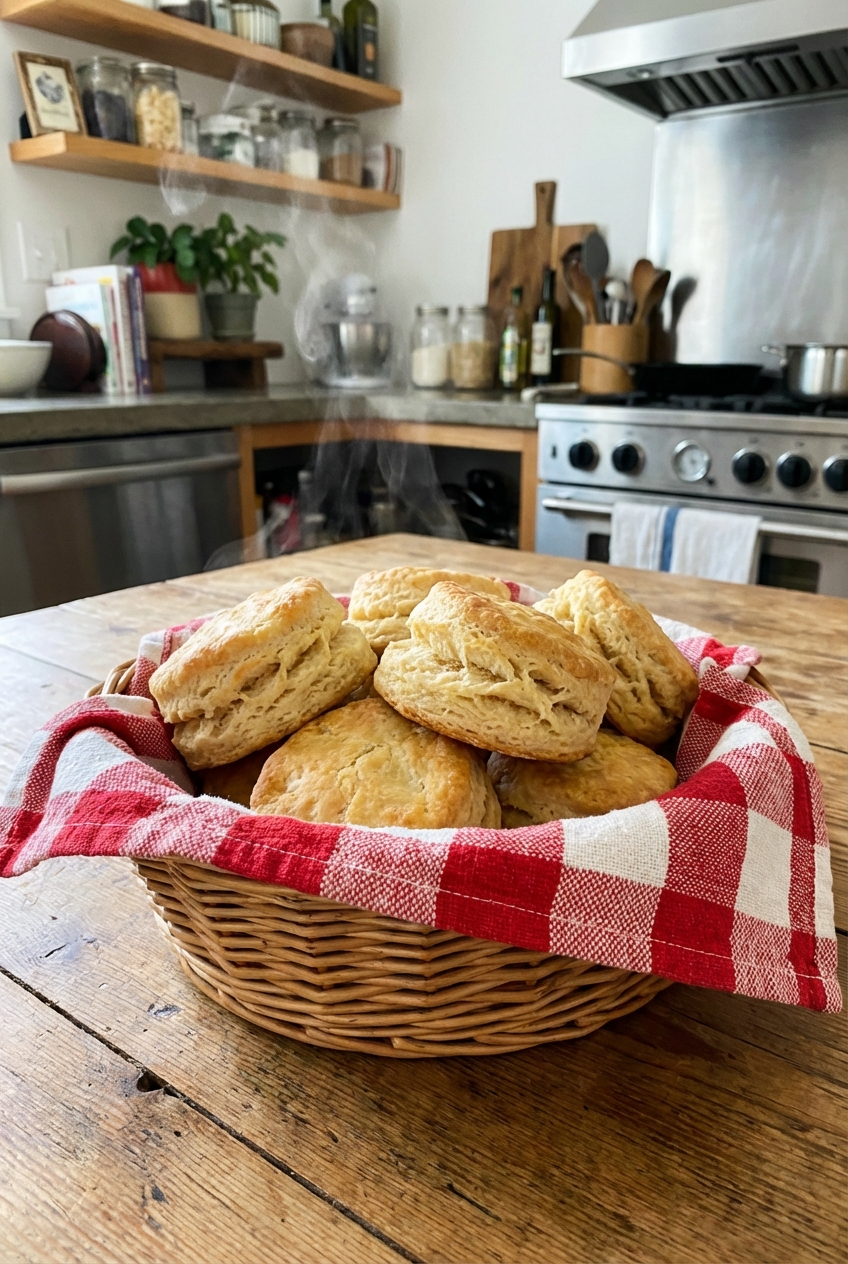
A real photo of a basket lined with a towel holding warm, golden homemade biscuits with flaky layers on a wooden kitchen table

There are two kinds of biscuit mornings: the ones where you planned ahead and the ones where you wake up and decide you deserve something warm, buttery, and wildly comforting right now. This recipe is for both.

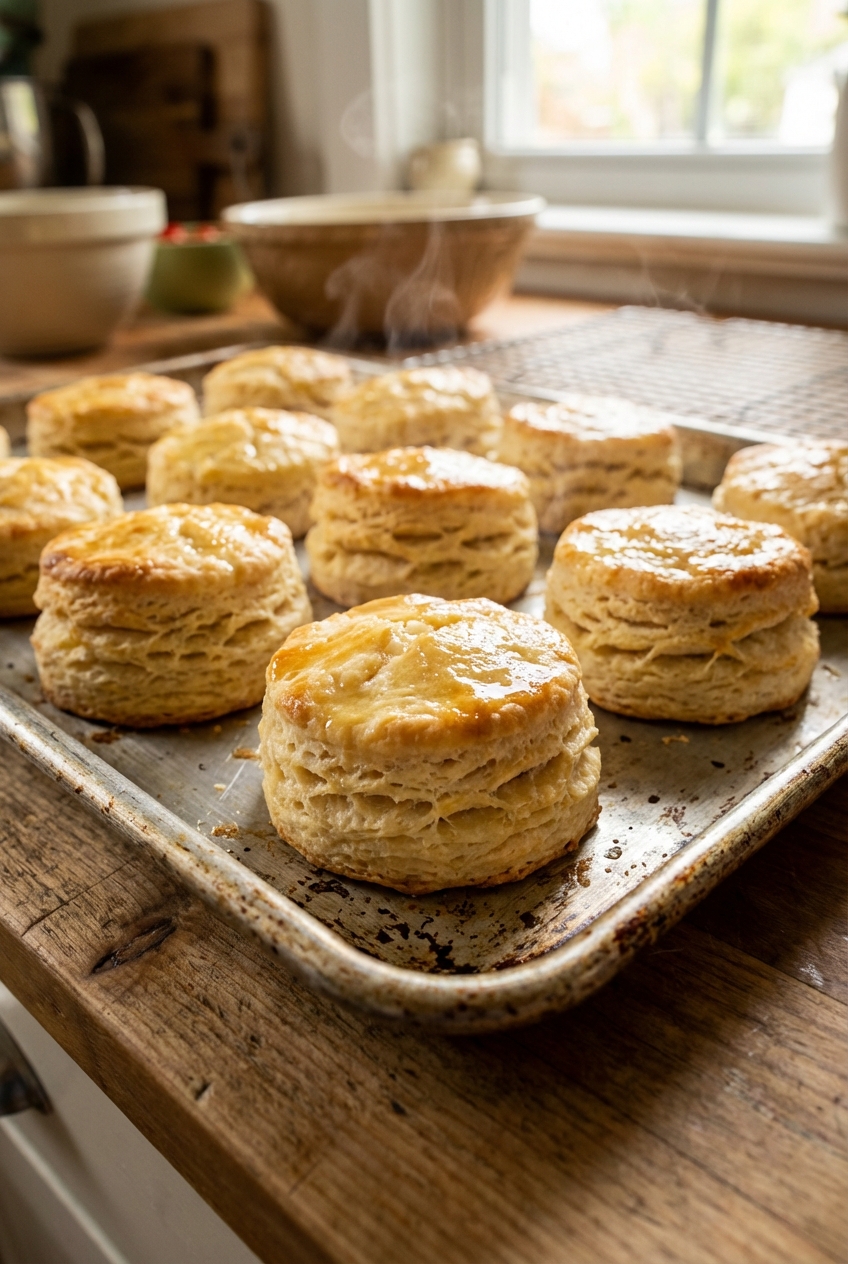
These are classic homemade biscuits the way I want them: tall, soft in the middle, crisp at the edges, and buttery enough to eat plain, but sturdy enough to split and stack with eggs, jam, or sausage gravy. No fancy flour blends, no mystery steps, no kitchen drama. Just cold butter, gentle hands, and a hot oven doing its job.
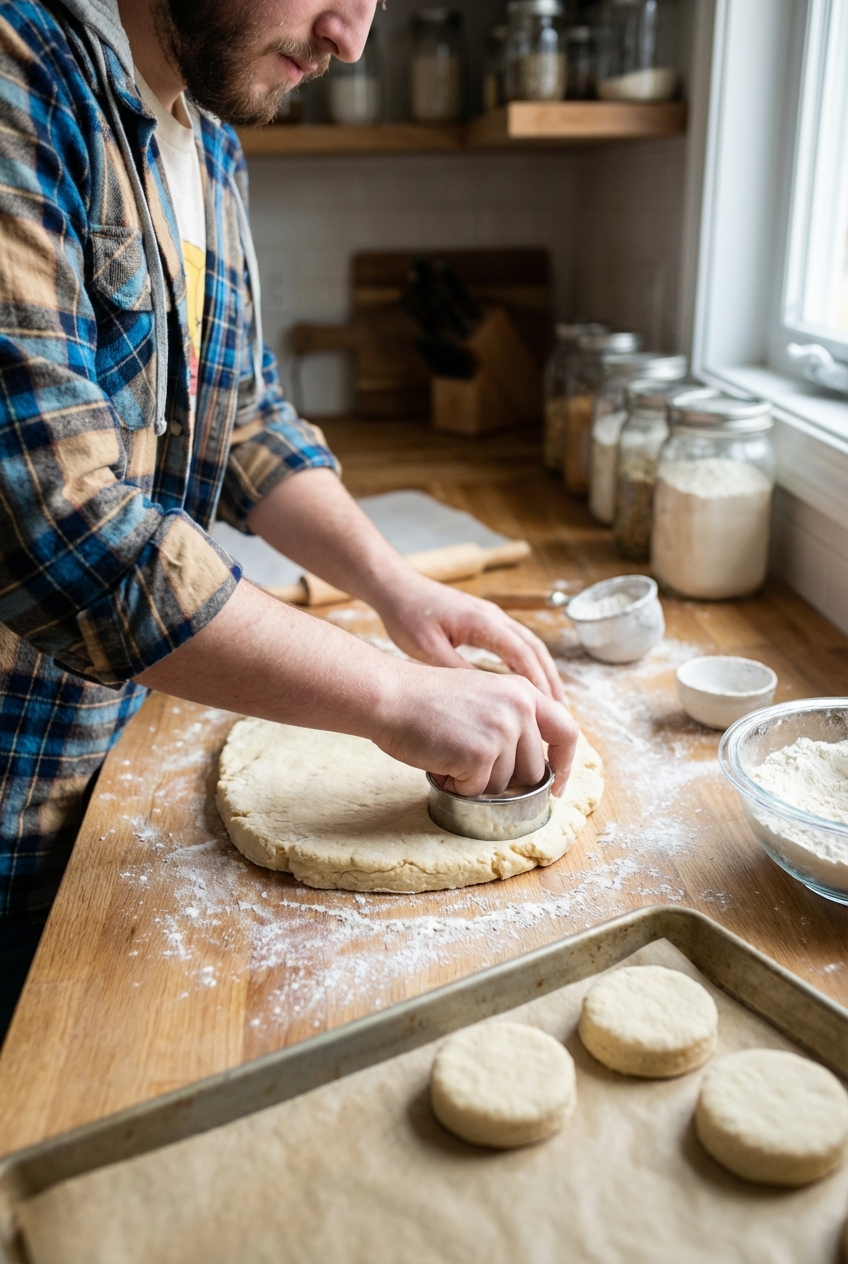
A real photo of hands cutting biscuit dough with a round cutter on a lightly floured countertop with a few cut biscuits nearby

Why It Works

  • Cold butter makes layers: little butter bits melt in the oven, releasing steam that puffs the dough into flaky tiers.
  • Buttermilk adds tang and helps tenderness: its acidity works with baking soda for lift and a subtle tang. (Tender biscuits still come mostly from cold fat and not overmixing, so keep it gentle.)
  • A gentle fold builds height: a few quick folds create layers without overworking the dough.
  • High heat sets the rise fast: a hot oven gives you that dramatic lift and golden tops.

Expect biscuits that are fluffy and pull-apart tender, with a buttery scent that makes people wander into the kitchen “just to check.”

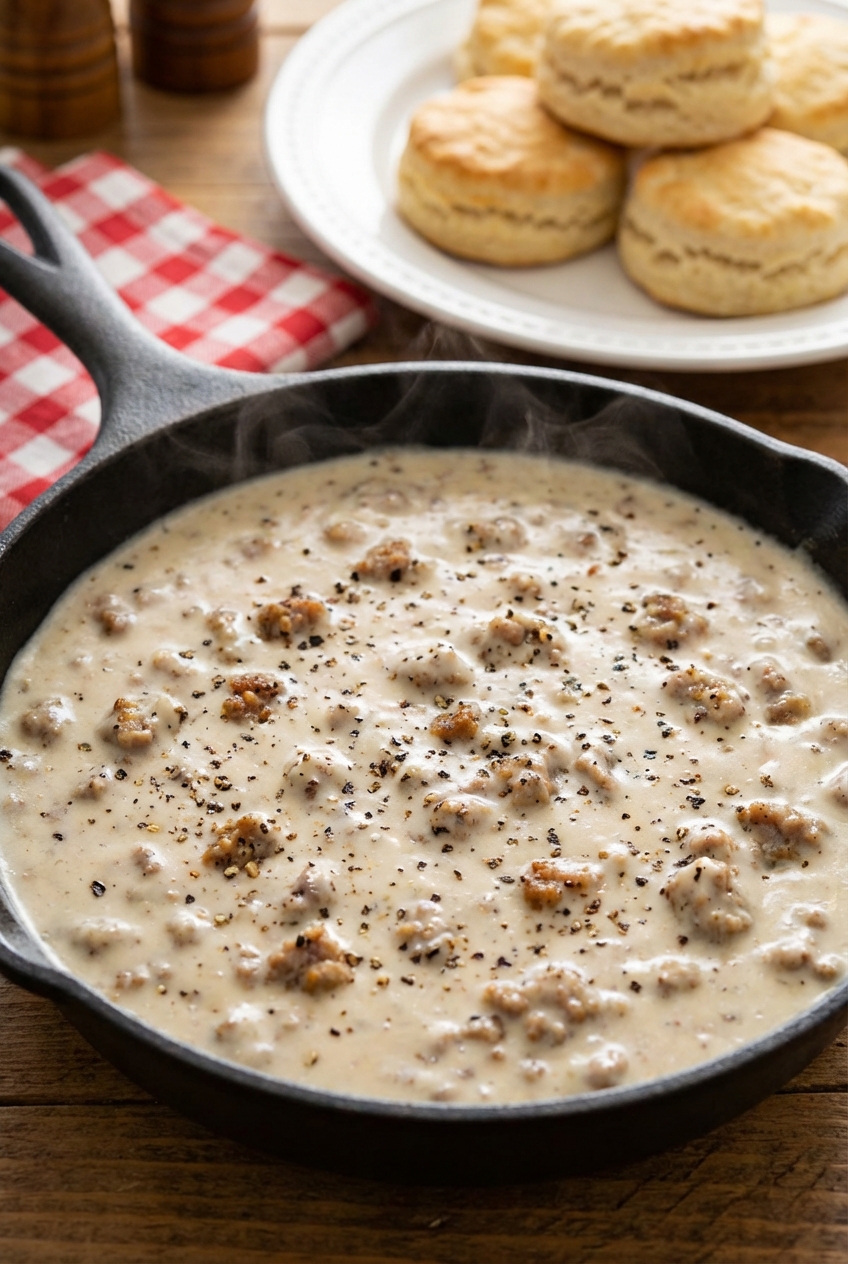
Pairs Well With

Storage Tips

Room temp: Store cooled biscuits in an airtight container up to 2 days. Rewarm to bring them back to life.

Fridge: Safe up to 5 days in an airtight container, but the texture starts to stale after about 2 to 3 days. Warm before serving.

Freezer (baked): Freeze in a zip-top bag up to 2 months. Reheat straight from frozen at 350°F until hot, about 10 to 15 minutes.

Freezer (unbaked, best move): Cut the biscuits, freeze on a sheet pan until firm, then bag them. Bake from frozen, adding 3 to 5 minutes to the bake time.

Reheating tip: A quick brush of melted butter after warming makes them taste freshly baked again.

Common Questions

Can I make these without buttermilk?

Yes. Mix 1 tablespoon lemon juice or white vinegar with 1 cup milk and let it sit for 5 minutes. Then measure out 3/4 cup for this recipe. It will not be quite as rich as real buttermilk, but it works well.

Why did my biscuits turn out flat?

The usual culprits are warm butter, overmixed dough, or a cutter twist that seals the edges. Keep ingredients cold, mix just until it comes together, and press the cutter straight down.

What is the best flour for fluffy biscuits?

All-purpose flour works great. If you have it, a lower-protein flour (like White Lily) can make biscuits extra tender, but it is not required.

Can I use salted butter?

Totally. Just reduce the added salt to 1/2 teaspoon and taste your next batch from there.

Should biscuits touch while baking?

For softer sides and taller biscuits, place them snug together in a pan. For crispier edges all around, space them out on a sheet pan.

Can I make the dough ahead?

Yes. Cut the biscuits, place them on a tray, cover, and refrigerate for up to 6 hours. Bake straight from the fridge. If your kitchen runs warm, this is a very smart move.

I used to think biscuits were one of those “leave it to the pros” foods. Then I started cooking more for real life: early shifts, hungry friends, and that specific kind of weekend laziness where you want comfort but not a full-on project. Biscuits became my go-to because they reward you immediately. You do a few simple things right, keep it cold, do not overthink it, and suddenly your kitchen smells like you have your life together. Even if you do not. Especially if you do not.