Mom's Best Recipes
Recipe

Classic Homestyle Meatloaf

Juicy, flavorful meatloaf with a tangy-sweet glaze and crisp edges, made with simple pantry ingredients.

Author By Matt Campbell
4.8
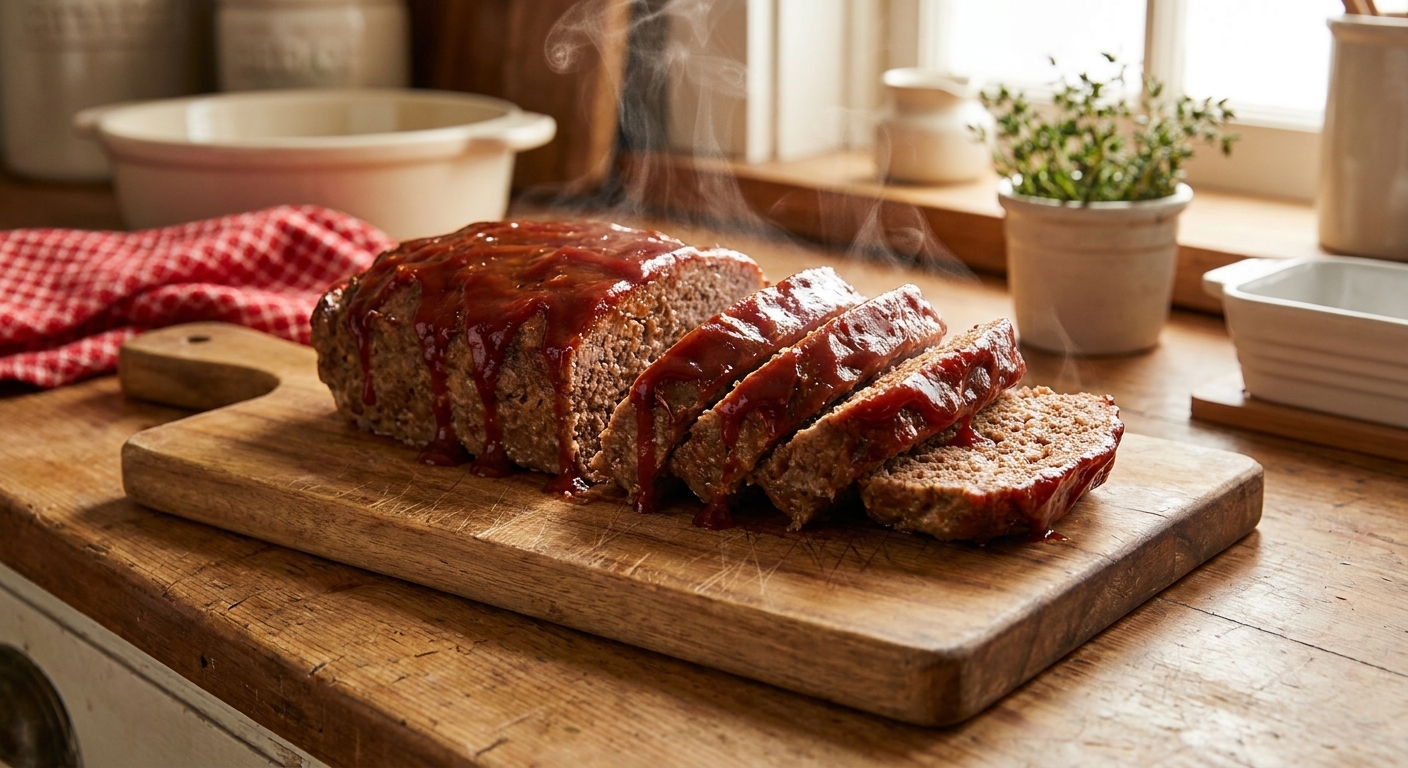
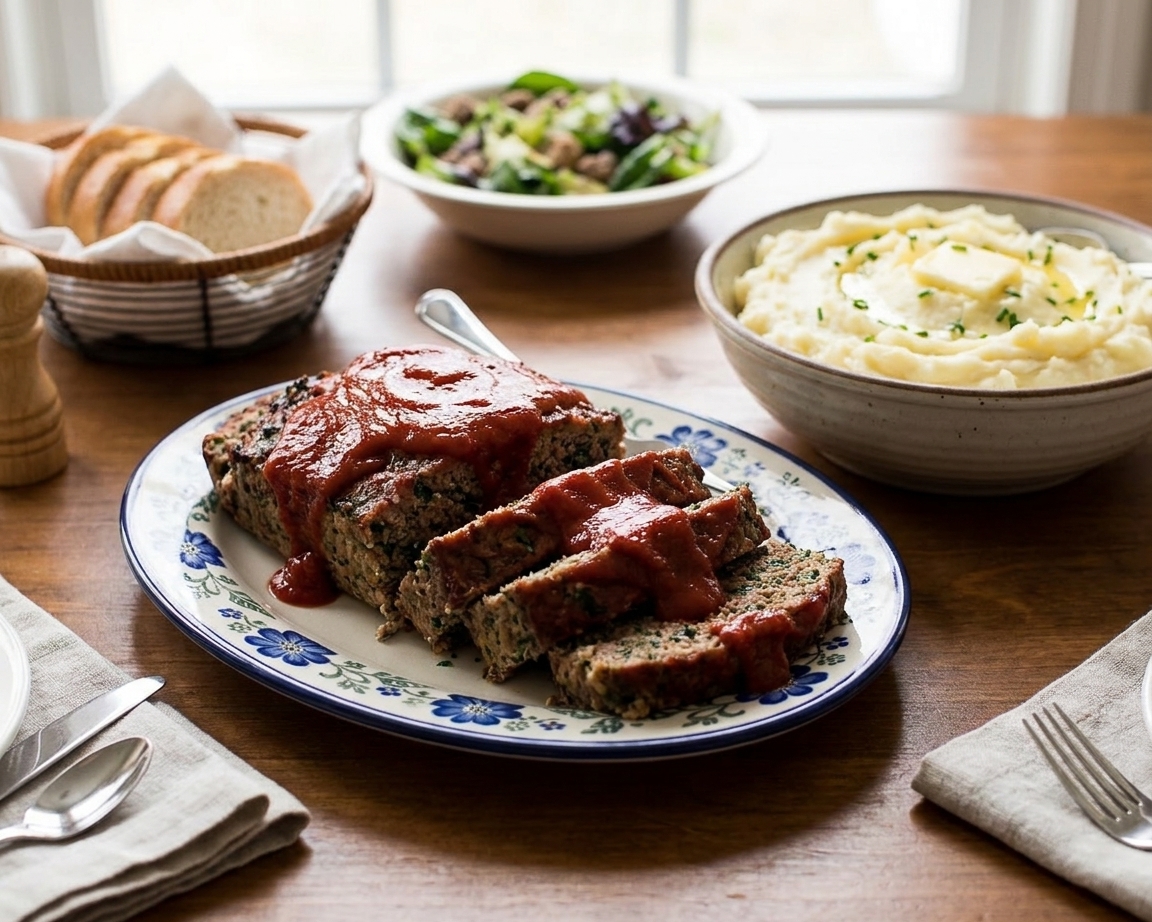
Glazed homestyle meatloaf sliced thick on a wooden cutting board, with glossy ketchup-brown sugar glaze and steam rising in a cozy kitchen
Jump to Recipe

Meatloaf is one of those dinners that gets a bad rap because we’ve all met the dry, gray brick version at least once. This is not that meatloaf.

This one is juicy, boldly seasoned, and finished with a sticky tangy glaze that caramelizes at the edges. It’s the kind of dinner that feels like a reset button on a chaotic week. Mix it, shape it, bake it, and suddenly your kitchen smells like you’ve got your life together.

I keep the ingredients accessible and the steps low drama. I also bake it on a sheet pan instead of letting a loaf pan trap steam and grease. You’ll get better browning, more crust, and those crisp edges we all fight over.
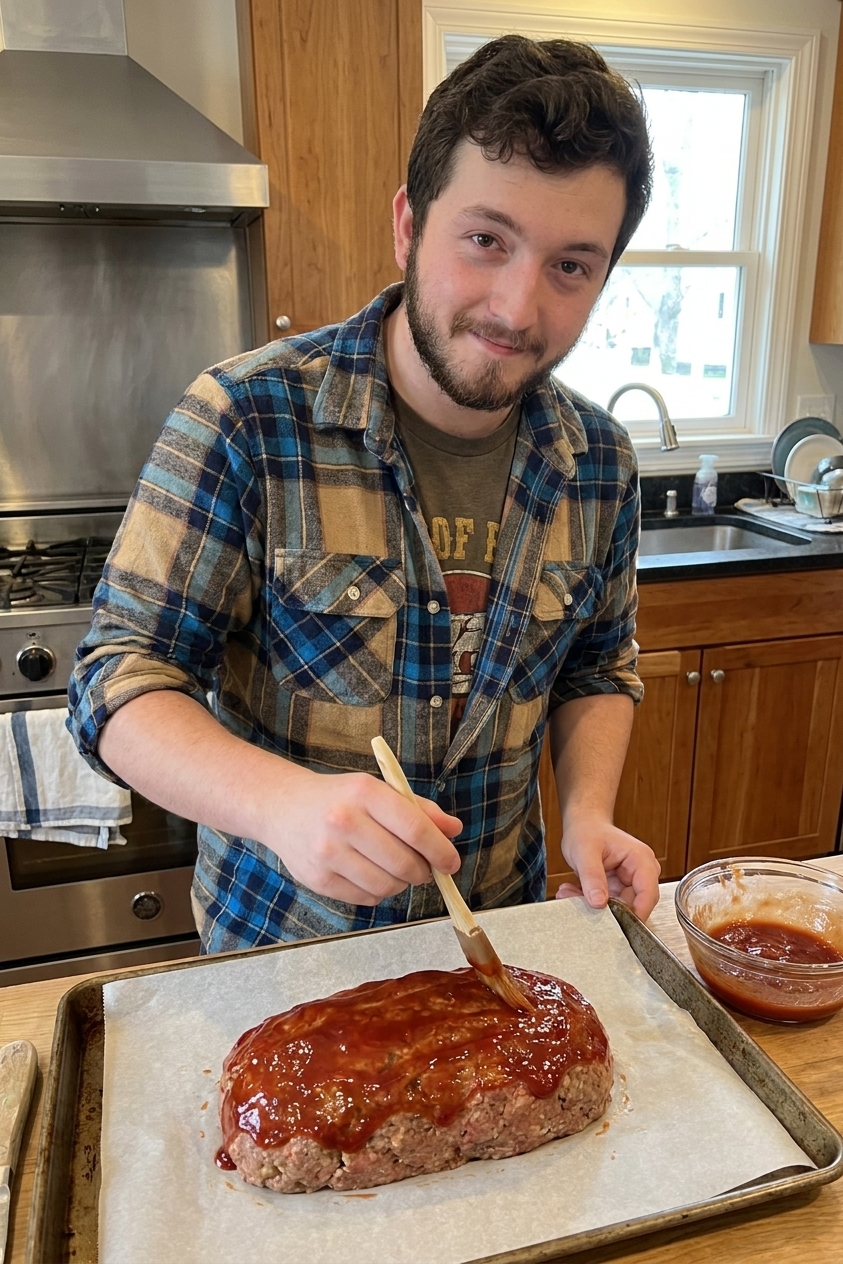
A hand brushing a glossy ketchup-based glaze over an unbaked meatloaf on a parchment-lined sheet pan in a home kitchen

Why It Works

  • Moist, tender texture from a simple panade, which is just breadcrumbs soaked with milk.
  • Big flavor fast from onion, garlic, Worcestershire, and a little Dijon.
  • Better browning by baking free-form on a sheet pan so heat hits more of the surface.
  • A glaze that actually matters, sweet, tangy, and just sticky enough to make the top irresistible.
  • Cleaner slices because we rest it. Five to ten minutes feels long, but it’s the difference between slices and a meat pile.

Pairs Well With

Storage Tips

How to Store Leftovers

Refrigerator

Let the meatloaf cool, then wrap tightly or store in an airtight container. Refrigerate for up to 4 days.

Freezer

Meatloaf freezes beautifully. Wrap the whole loaf or individual slices in plastic wrap, then place in a freezer bag. Freeze up to 3 months. Slices thaw faster and are great for quick lunches.

Best reheating (so it stays juicy)

  • Oven: Place slices in a small baking dish, add a splash of beef broth or water, cover with foil, and warm at 325°F until hot.
  • Microwave: Cover and heat in short bursts. Add a tiny splash of water to keep it from drying out.
  • Skillet: My favorite. Sear slices in a little butter or oil until the edges crisp, then cover for a minute to heat through.

Common Questions

Common Questions

Why did my meatloaf turn out dry?

Dry meatloaf usually comes from one of three things: meat that’s too lean, overmixing, or overbaking. Use 80 to 85 percent lean ground beef, mix just until combined, and pull it at 160°F in the thickest part.

Do I have to use breadcrumbs?

No, but you do need a binder. Swap in crushed saltines, quick oats, or panko. For gluten-free, use gluten-free crumbs or crushed rice crackers.

Sheet pan or loaf pan?

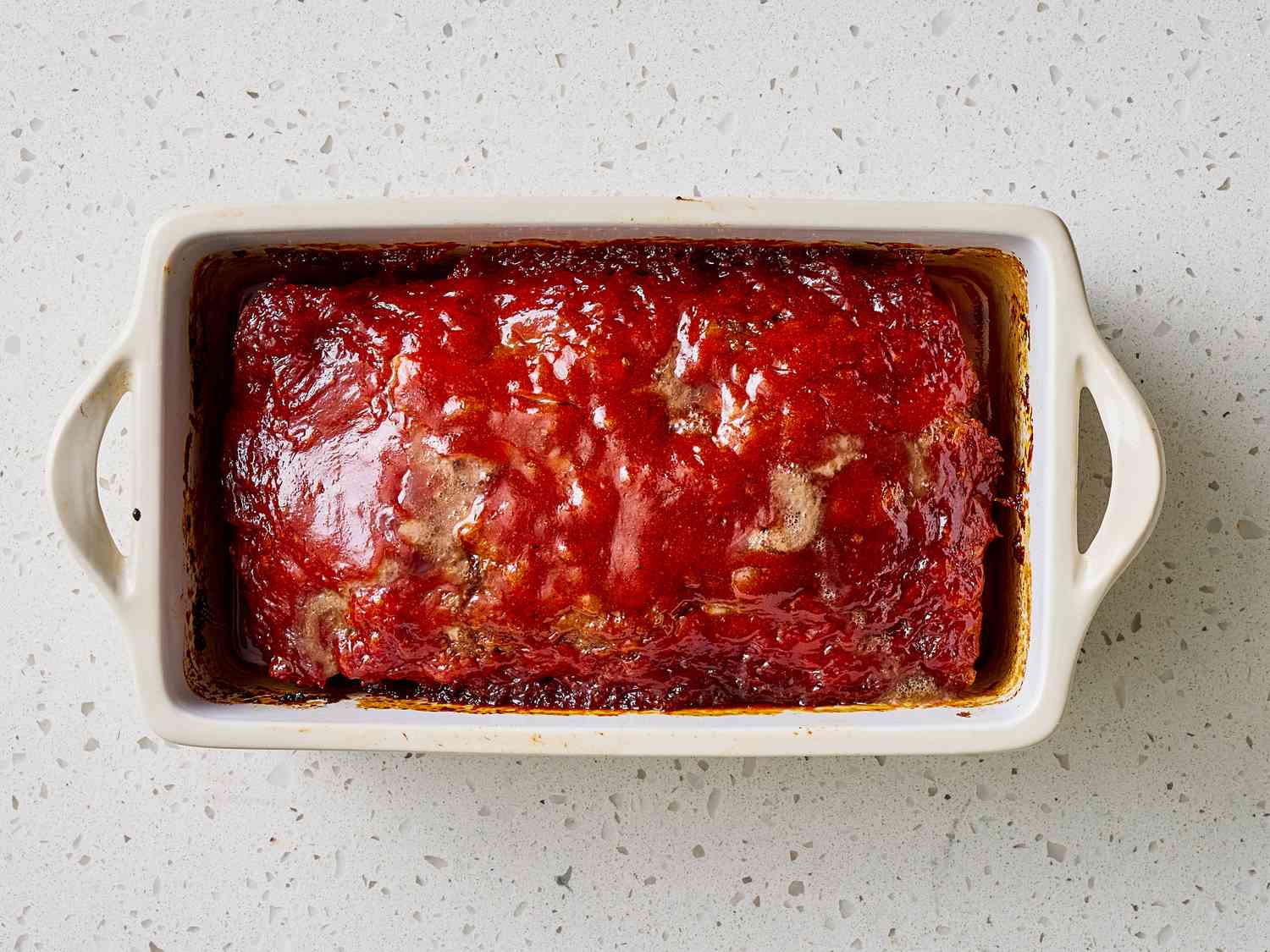
Sheet pan is my pick for more browning and crisp edges. A loaf pan can trap steam and grease, which makes the sides softer and sometimes a little greasy. If you only have a loaf pan, it still works. Just drain excess fat carefully halfway through.

How do I know when it’s done without drying it out?

Use an instant-read thermometer. Meatloaf is done at 160°F in the thickest part. Then rest 5 to 10 minutes so the juices settle.

Can I make it ahead?

Yes. You can shape the loaf and mix the glaze up to 24 hours ahead. Cover and refrigerate. Bake when you’re ready, adding 5 to 10 minutes if it goes in cold.

Meatloaf is my comfort-food litmus test. If it’s dry, I’m sad. If it’s juicy with a glossy top and those browned edges, I suddenly believe in weeknight miracles again. I started baking it free-form on a sheet pan because I wanted more crust and less grease, and I haven’t gone back since. The first time I nailed the glaze, tangy, sweet, and a little smoky, I caught myself sneaking a forkful off the cutting board like it owed me money.