
Mom's Best Recipes
Recipe

Classic Homestyle Meatloaf

Tender, juicy, and glazed, with simple ingredients and dependable results every time.

Author By Matt Campbell
4.8
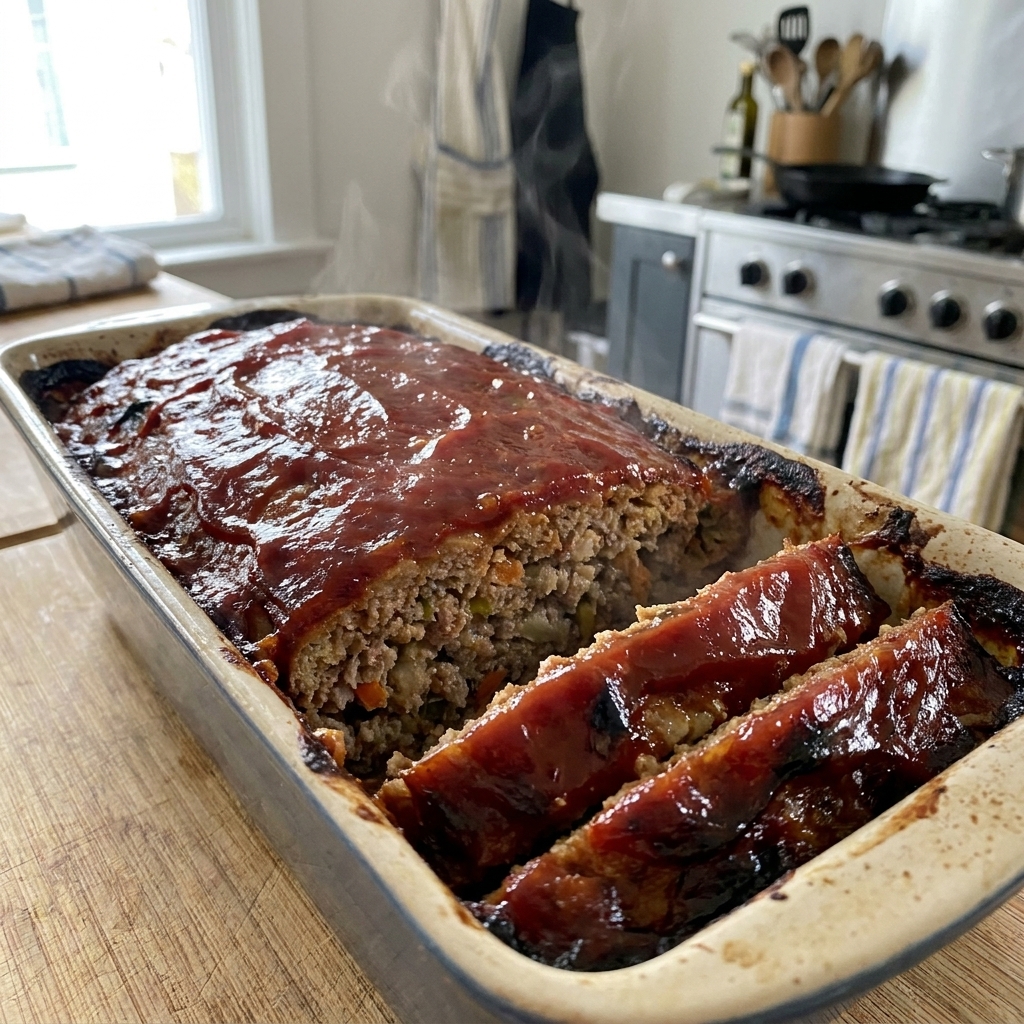
A real photograph of a glossy ketchup-glazed meatloaf fresh from the oven in a loaf pan, with caramelized edges and a few sliced pieces showing a moist interior
Jump to Recipe

Meatloaf gets a bad rap because a lot of us grew up with versions that were either dry as cardboard or weirdly soggy in the middle. This one is neither. It is the kind of dependable, cozy dinner that makes your kitchen smell like you have your life together, even if you are feeding everyone in mismatched socks.

My goal here is simple: juicy loaf, clean slices, big flavor, and a glaze that goes glossy and sticky in the best way. No fussy ingredients, no complicated technique. Just a few smart moves that make classic meatloaf actually hit.
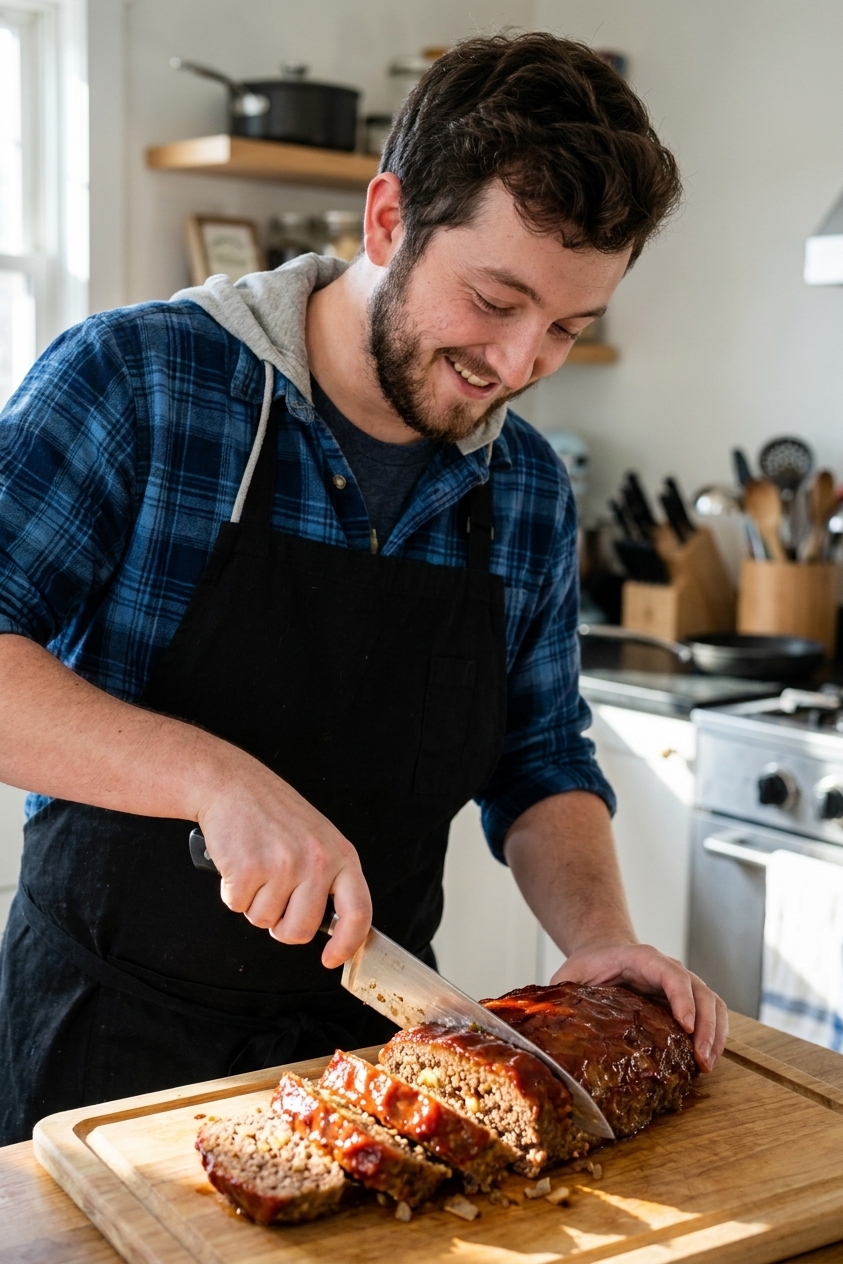
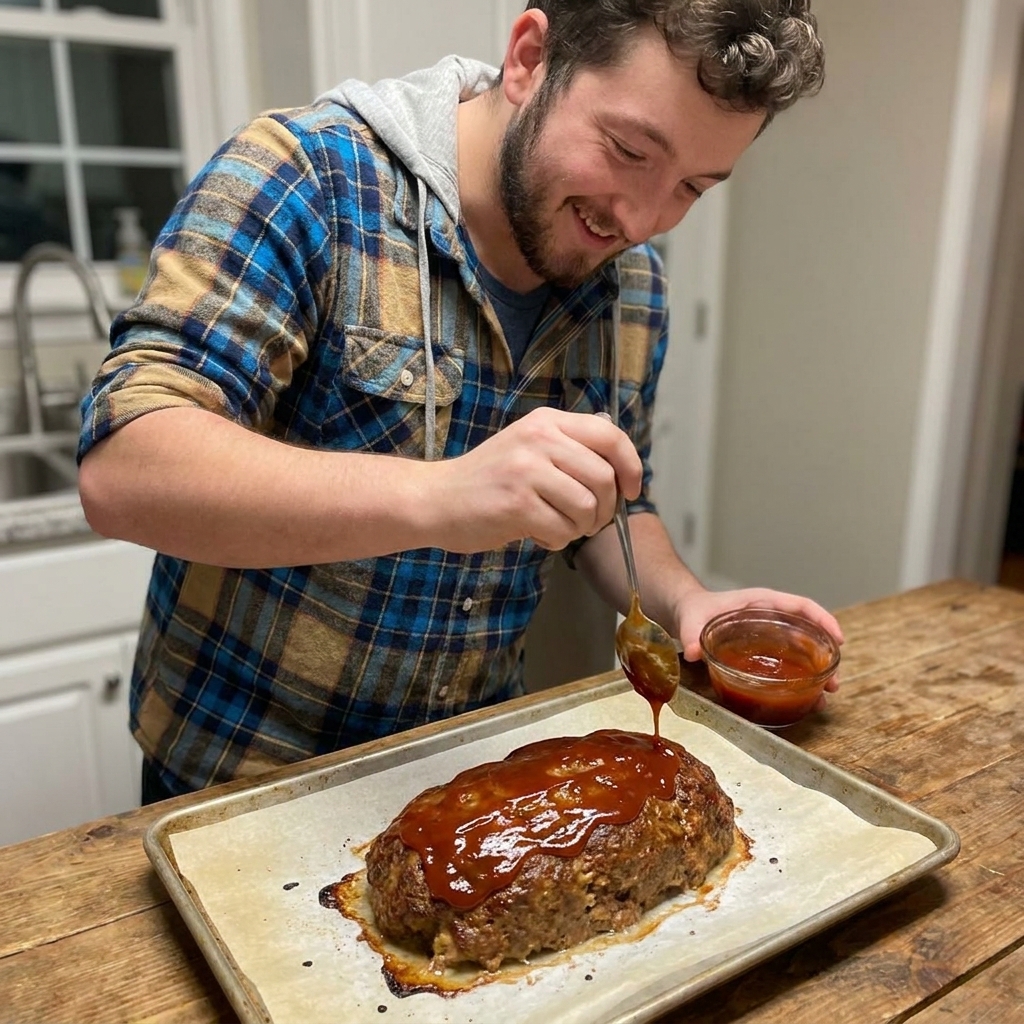
A real photograph of sliced meatloaf on a wooden cutting board with a shiny glaze and visible bits of onion, next to a chef's knife

Why It Works

  • Moist texture without being mushy: We use a panade-style binder (breadcrumbs plus milk) so the loaf stays tender.
  • Big flavor, fast: Worcestershire, garlic, and onion do the heavy lifting without requiring a spice cabinet raid.
  • That glaze: A sweet tangy topping that sets in the oven and clings to every slice.
  • Weeknight friendly: Minimal prep, mostly hands-off cook time, and leftovers that reheat like a champ.

Pairs Well With

Storage Tips

How to Store Meatloaf

In the fridge

  • Cool leftovers, then store in an airtight container.
  • Refrigerate for 3 to 4 days.
  • For best slices later, store as individual slices so you can reheat only what you need.

In the freezer

  • Wrap slices tightly in plastic wrap, then place in a freezer bag or airtight container.
  • Freeze up to 3 months for best quality.
  • Thaw overnight in the fridge for easiest reheating.

Reheating tips

  • Microwave: Cover with a damp paper towel and heat in 30 second bursts until hot.
  • Oven: Place slices in a small baking dish, add a splash of broth or water, cover with foil, and warm at 325°F until hot.
  • Skillet: Sear slices in a little butter or oil for crisp edges, then add a splash of water and cover for 1 to 2 minutes.

Common Questions

Common Questions

How do I keep meatloaf from falling apart?

You need a solid binder and enough mixing to distribute it. Here we use breadcrumbs plus milk and eggs. Also let the meatloaf rest 10 to 15 minutes before slicing so the juices settle and the loaf firms up.

Why is my meatloaf dry?

Usually it is one of three things: meat that is too lean, overbaking, or packing the loaf too tightly. Use 80 to 85% lean ground beef, shape gently, and pull it when the center hits 160°F.

Can I use turkey instead of beef?

Yes. Use ground turkey (preferably not ultra-lean) and consider adding 1 to 2 tablespoons olive oil for richness. Cook to 165°F for poultry.

Do I have to cook it in a loaf pan?

No. A freeform loaf on a lined baking sheet gives you more surface area for browned edges. A loaf pan makes a taller slice. Both work. If using a loaf pan, consider carefully draining excess fat halfway through if needed.

Can I make meatloaf ahead of time?

Absolutely. Mix and shape the loaf, cover, and refrigerate up to 24 hours. Add glaze right before baking for the best finish.

I used to think meatloaf was just something you survived. Then I started cooking it like I actually cared: a little milk in the breadcrumbs, a real glaze instead of plain ketchup, and a thermometer so I stop guessing. Now it is one of my favorite dinners to make when I want comfort that feels earned but not exhausting. Also, eating cold meatloaf slices straight from the fridge with a little mustard is one of life’s underrated joys, and I will stand by that.