Mom's Best Recipes
Recipe

Classic Kheer

Creamy Indian rice pudding with cardamom, nuts, and an optional saffron glow.

Author By Matt Campbell
4.8
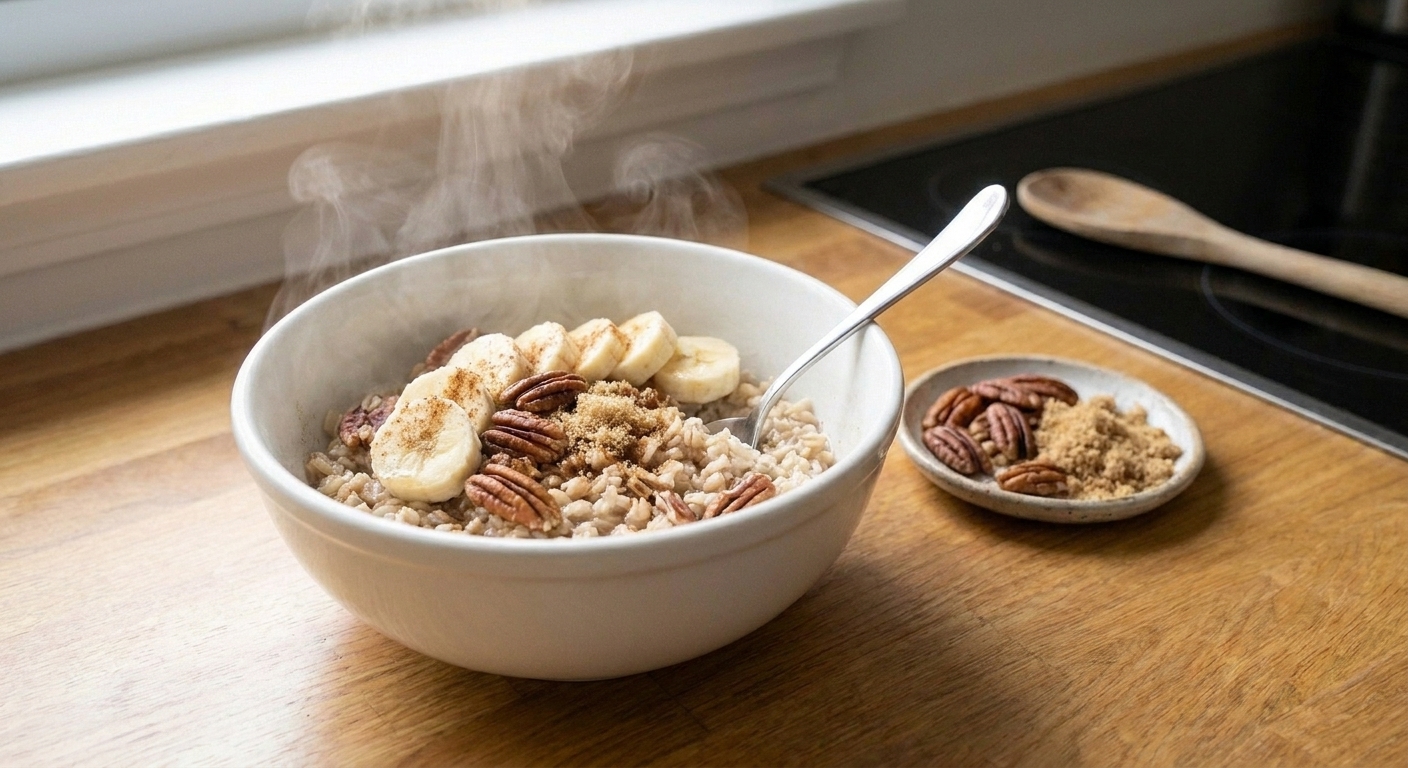
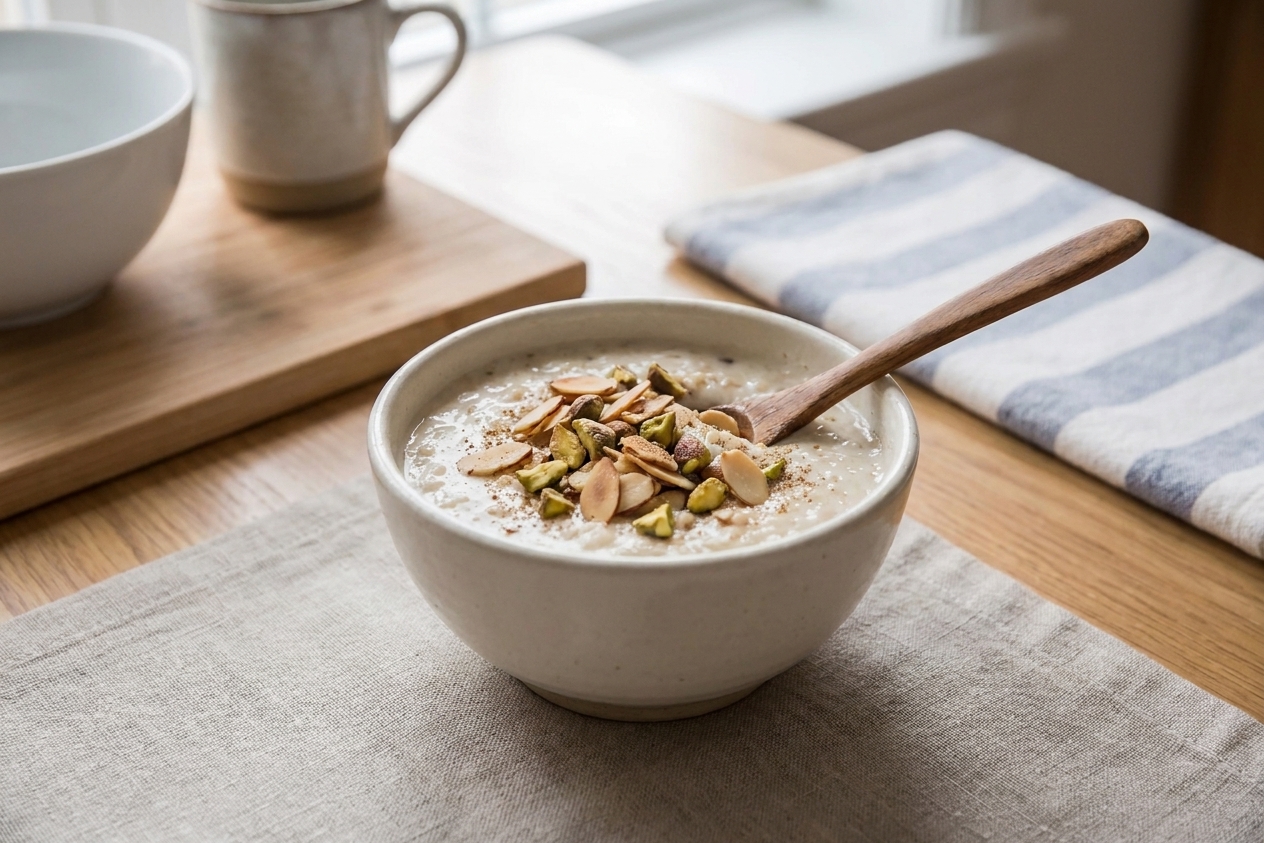
A bowl of creamy kheer rice pudding garnished with sliced almonds and pistachios on a warm-toned kitchen table with a spoon beside it

Kheer is one of those desserts that somehow feels like a hug and a flex at the same time. It is just rice, milk, sugar, and a few aromatics, but when you simmer it down patiently, the whole pot turns into something thick, fragrant, and quietly luxurious.

This version is the classic rice kheer: tender grains, creamy milk, and that warm cardamom perfume that hits your nose right before the first bite. Make it on a slow evening when you can stir occasionally and snack on a few nuts “for garnish” as you go. Highly encouraged.

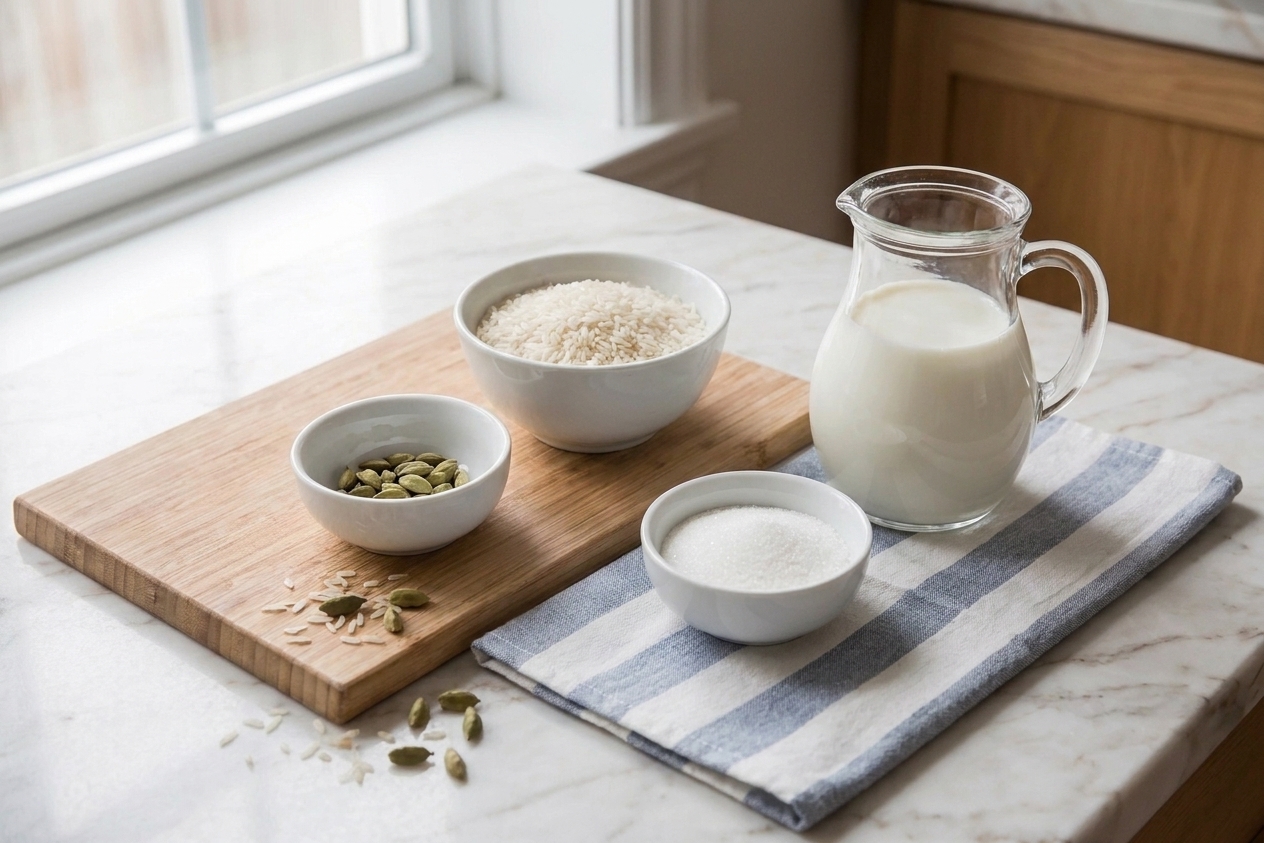
Measured basmati rice, whole cardamom pods, sugar, and milk arranged on a tidy kitchen counter in small bowls, ready to cook

Why It Works

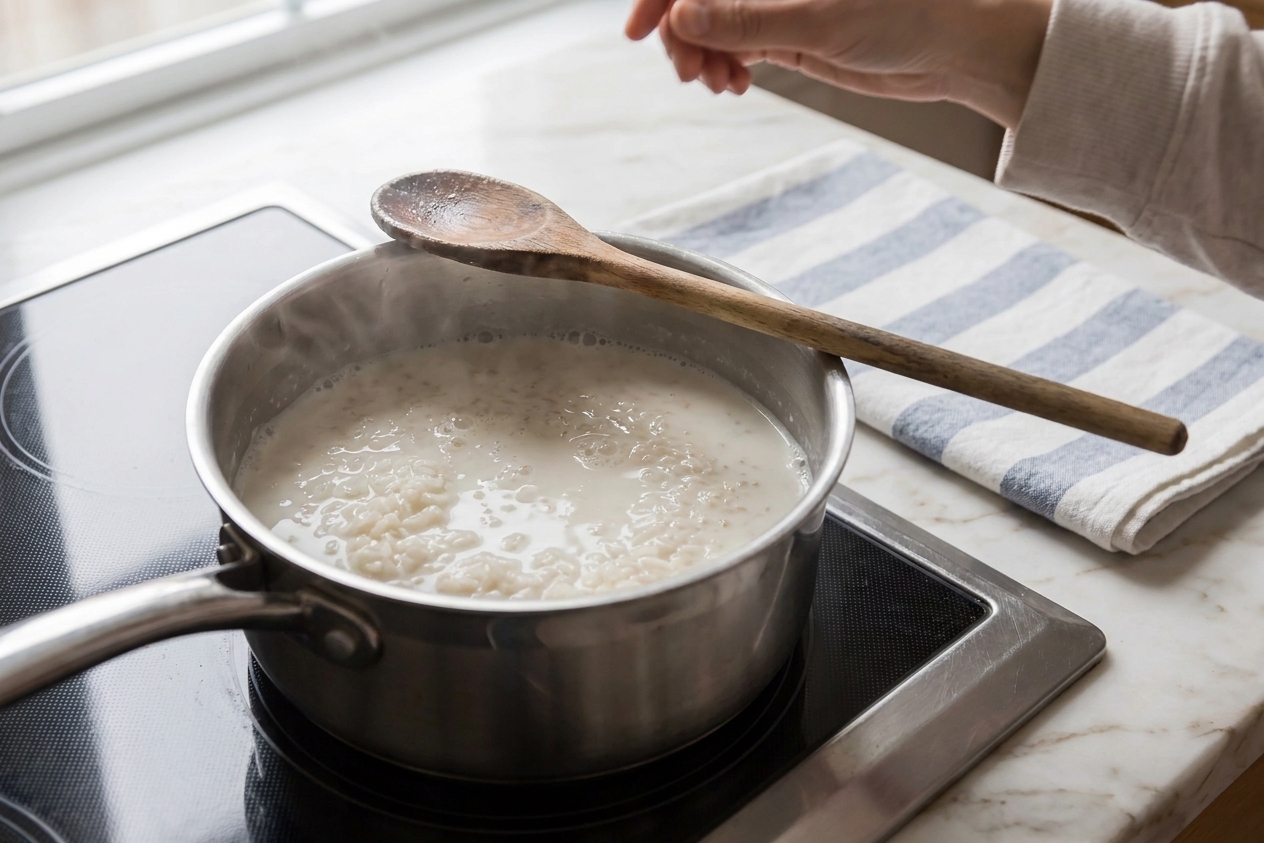
  • Slow-simmered milk does the heavy lifting: reducing the milk concentrates flavor and gives kheer its signature creamy body without needing thickeners.
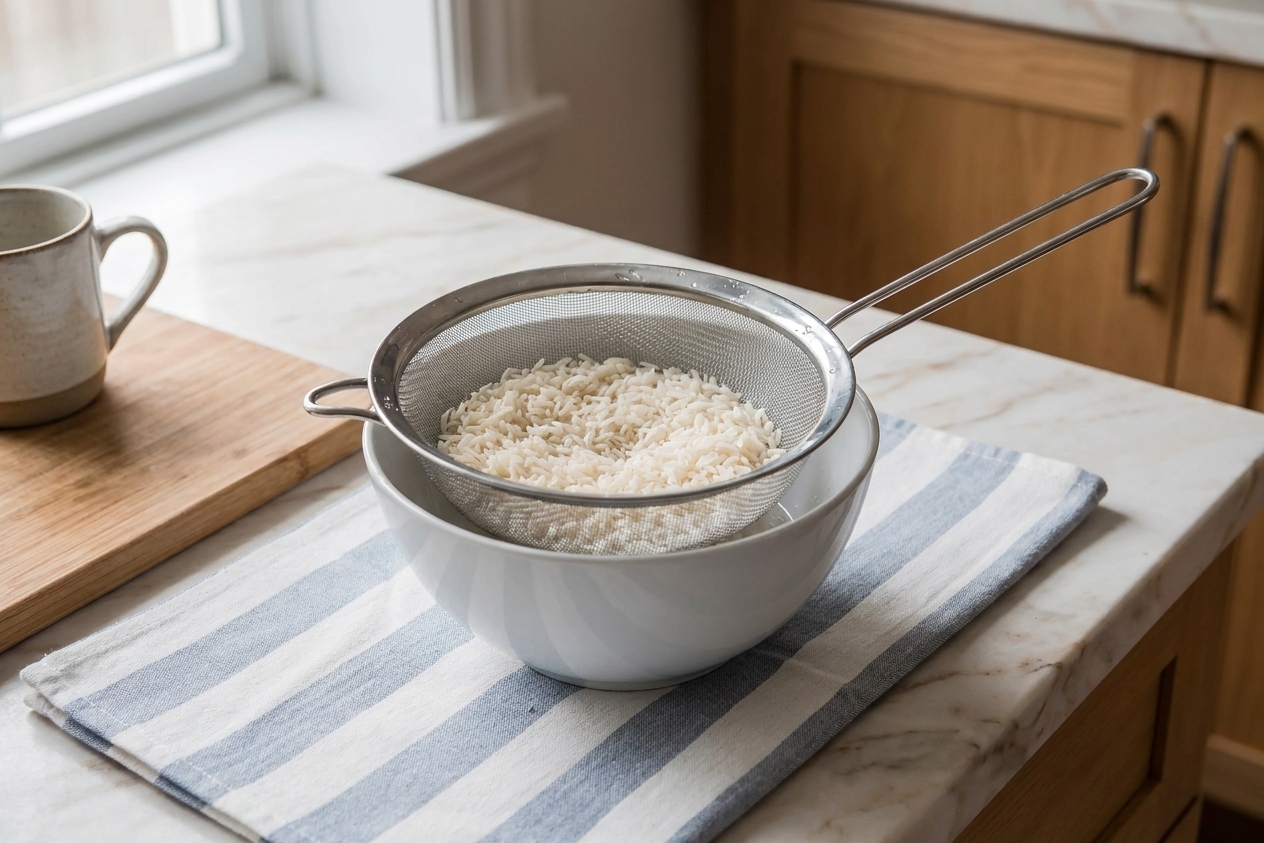
  • Rinsed rice = clean, tender texture: you keep it creamy, not gluey, while still letting the starch gently thicken the pudding.
  • Cardamom and a pinch of salt: cardamom brings the warmth, salt makes the sweetness taste brighter and more intentional.
  • Make-ahead friendly: kheer thickens as it chills, so it is excellent for prepping the day before guests show up.

Pairs Well With

Storage Tips

Refrigerate: Cool completely, then store kheer in an airtight container for up to 4 days. It will thicken as it sits.

To reheat: Warm gently in a saucepan over low heat, stirring often. Add a splash of milk to loosen it back to your preferred consistency.

To serve cold: Stir in a little cold milk (1 to 3 tablespoons at a time) to make it creamy again. Taste and adjust sweetness if needed.

Freezing: Not my favorite. The rice can go a bit grainy and the milk can separate. If you do freeze it, thaw overnight in the fridge and reheat slowly with extra milk, whisking to bring it back together.

Common Questions

Is kheer the same as rice pudding?

They are cousins. Kheer is an Indian rice pudding typically flavored with cardamom (and sometimes saffron, rose water, or kewra) and often finished with nuts and raisins. The technique is similar, but the flavor profile is unmistakably kheer.

What rice is best for kheer?

Basmati is a classic pick because it cooks up tender with distinct grains. You can also use jasmine or long-grain white rice. Parboiled rice can work, but it is not ideal if you want the most creamy, tender result. Short-grain works too, but it will be thicker and more custardy.

Do I need to soak the rice first?

No soaking needed. A quick rinse is enough for a creamy, clean texture. If you want a slightly faster cook, you can soak the rice for 15 minutes, then drain well before adding it to the milk.

Do I need sweetened condensed milk?

Nope. In its simplest form, kheer is milk slow-reduced with sugar (though many home versions also include khoya/mawa, nuts, or raisins). Condensed milk is a popular shortcut. If you want to use it, start with 1/3 to 1/2 cup sweetened condensed milk and reduce the sugar to 0 to 3 tablespoons, then sweeten to taste since brands vary.

Why is my kheer too thick?

Totally normal after chilling. Stir in milk a little at a time until it is glossy and spoonable again.

Why is my kheer too thin?

It likely needs more simmer time. Keep it at a gentle simmer (not a rolling boil) and stir often. It also thickens as it cools, so do not judge it only when it is piping hot.

When should I add cardamom?

Add it near the end. Cardamom is delicate, and long boiling can dull its aroma. If using whole pods, you can steep them earlier and still add a pinch of ground cardamom at the finish for that fresh pop.

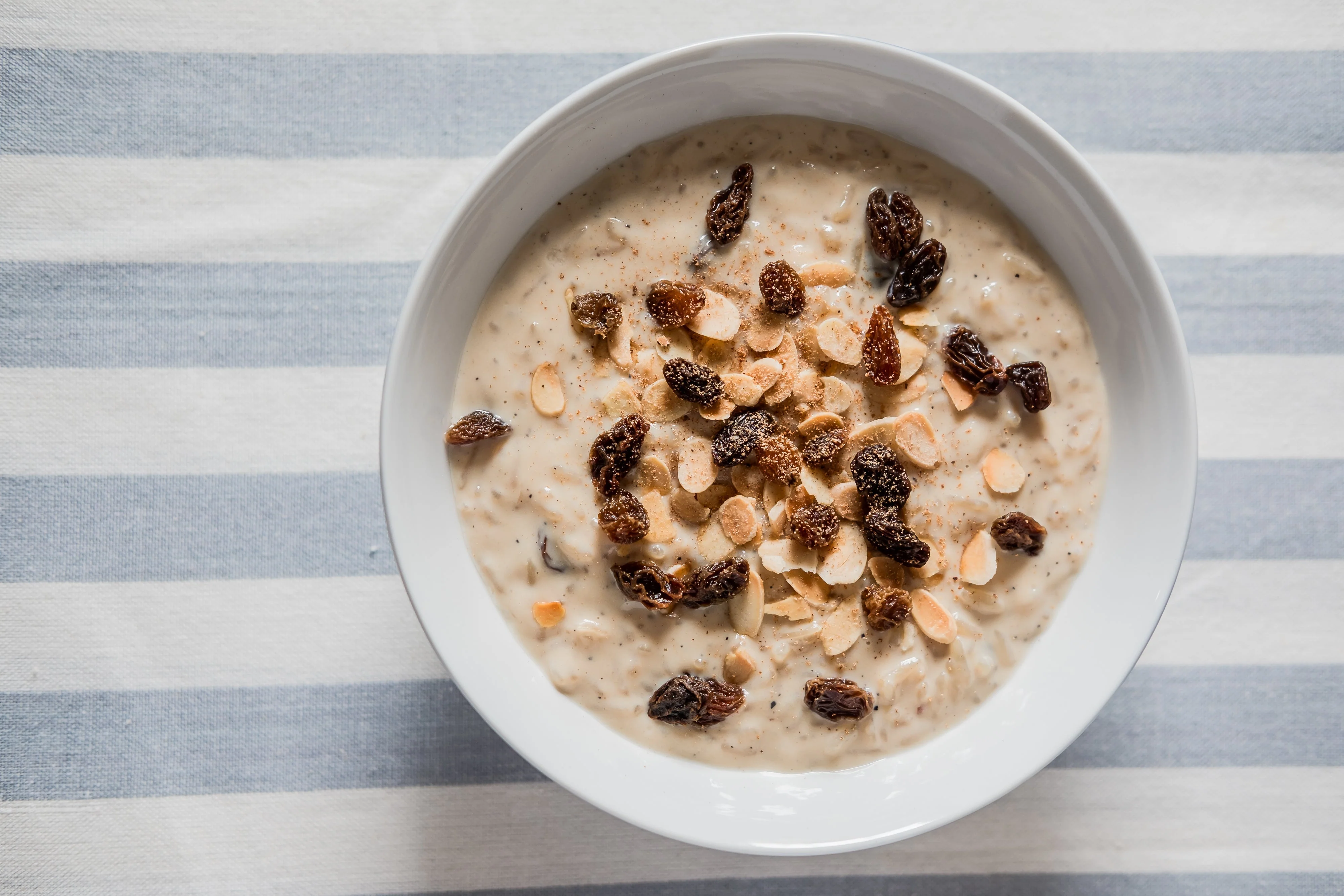
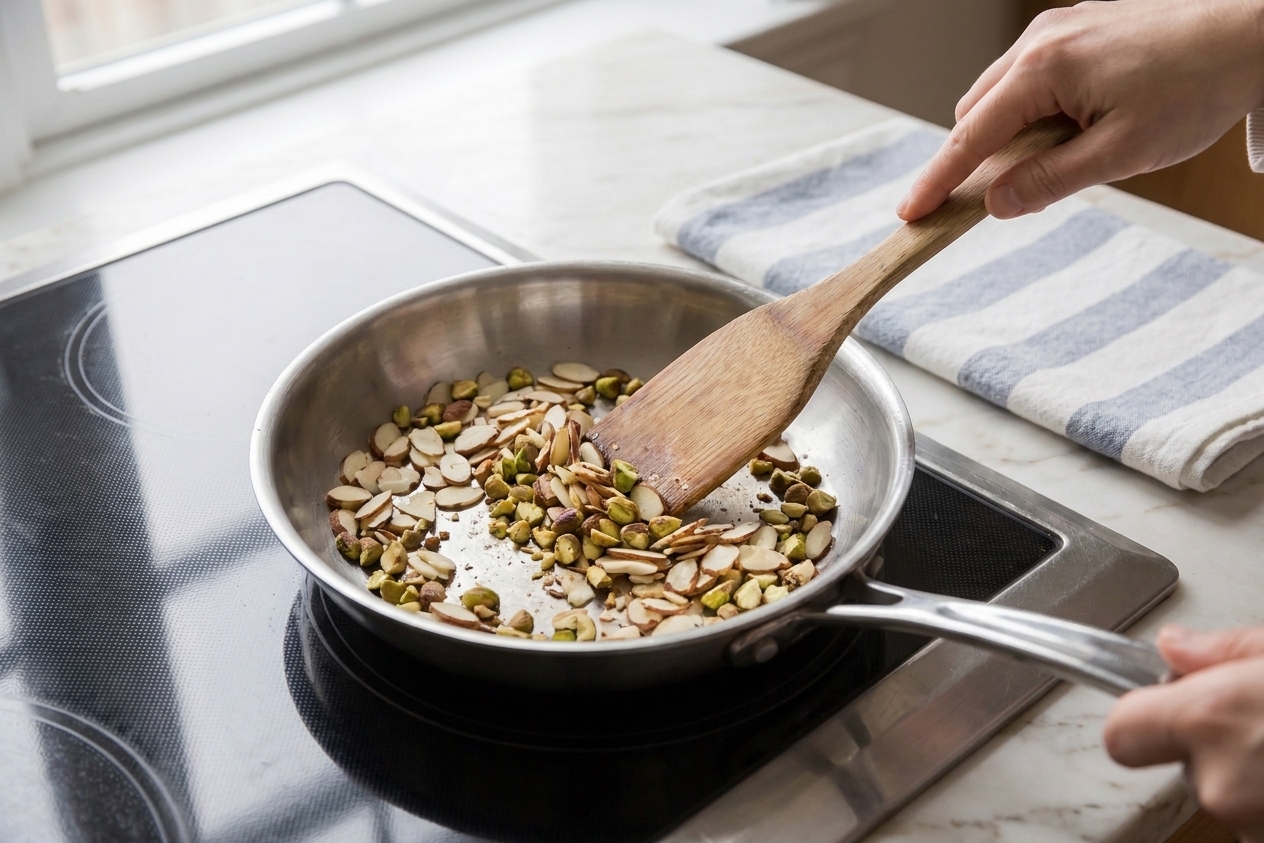
I love desserts that let you be a little imperfect. Kheer is exactly that. You can simmer it an extra 10 minutes because you got distracted. You can go heavy on pistachios because nobody is stopping you. And you can taste as you go until it hits that sweet spot where it is not just “sweet,” it is balanced.

The first time I made kheer, I hovered like a nervous line cook, stirring like my life depended on it. Now I treat it more like a cozy kitchen soundtrack: gentle heat, frequent stirring near the end, and that moment when the milk turns slightly ivory and everything smells like cardamom. That is the good stuff.