Mom's Best Recipes
Recipe

Light and Fluffy Caramel

A classic caramel sauce that stays smooth, pourable, and surprisingly airy. Perfect for drizzling, dipping, and folding into whipped cream without turning gritty.

Author By Matt Campbell
4.8
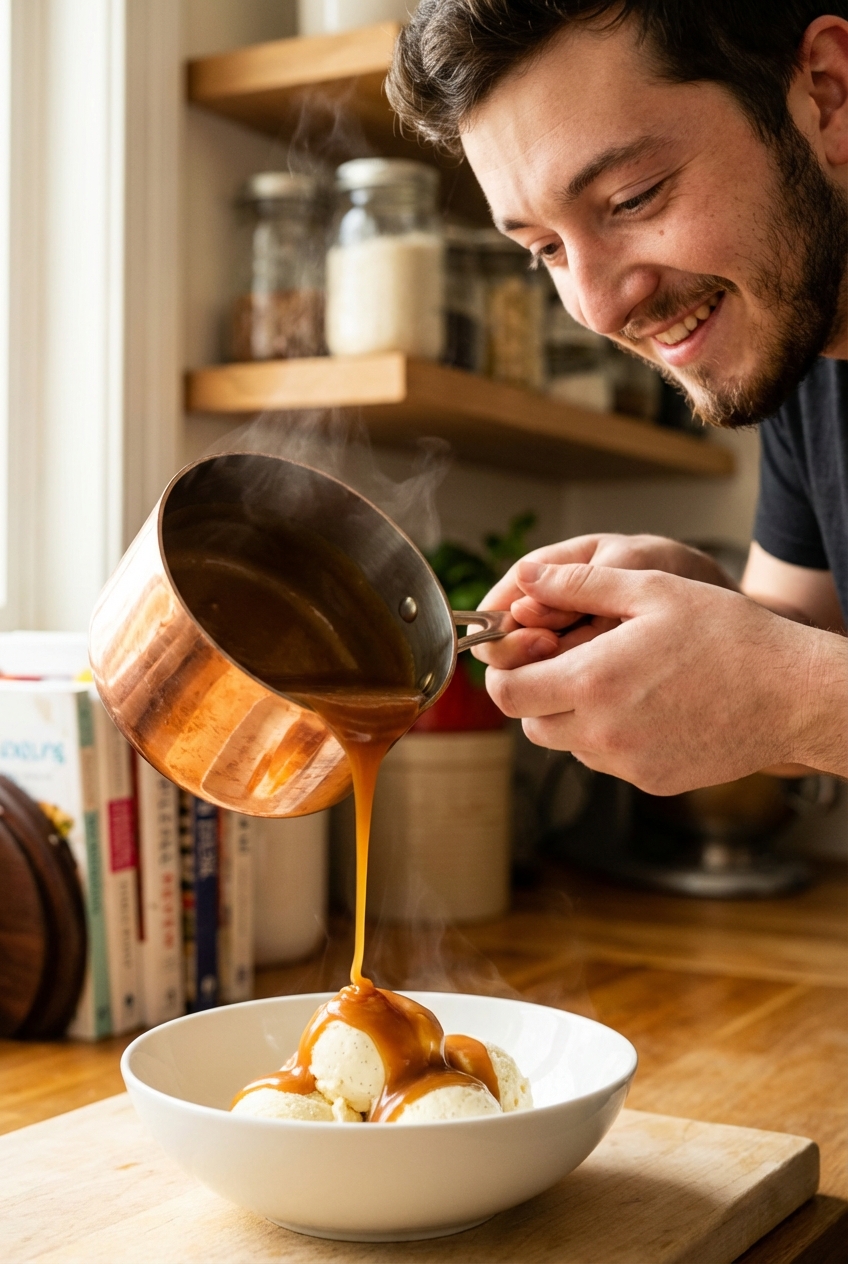
A small saucepan of glossy caramel sauce being poured in a ribbon over vanilla ice cream on a white bowl

Caramel gets a reputation for being dramatic, like it is waiting for you to look away so it can burn out of spite. But here is the thing: caramel is actually a very reasonable roommate if you follow a few house rules. Use a light colored pan so you can see the color change, do not stir with a spoon once it starts bubbling, and keep your cream warm so the whole situation stays calm (and safer).

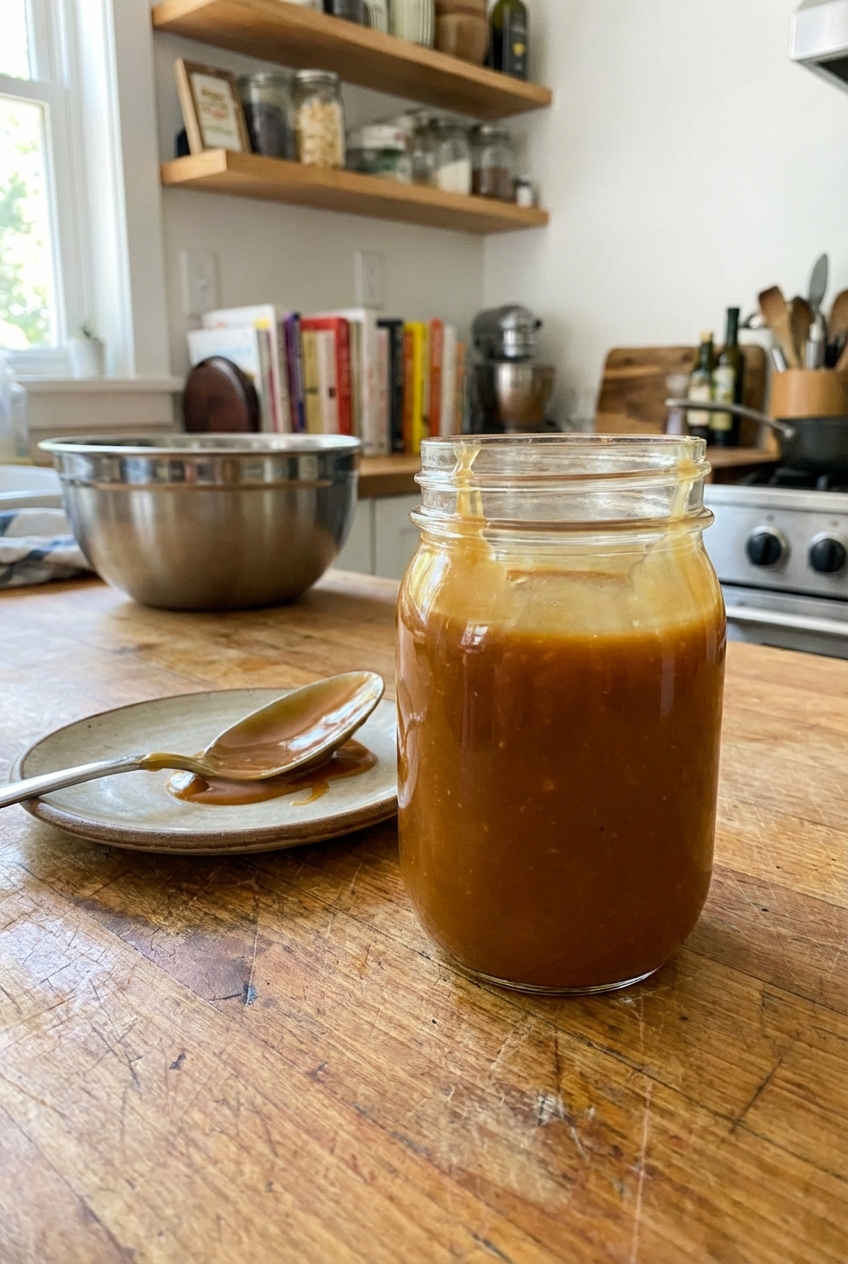
This is my go-to classic caramel sauce that comes out light and fluffy in the way a good sauce should: glossy, smooth, and not heavy or greasy. It pours like a dream when warm, thickens into a spoonable sauce when cool, and can be whipped or folded into cream for an even airier finish. If you have ever made caramel that seized into a sad sugar rock, we are fixing that today.
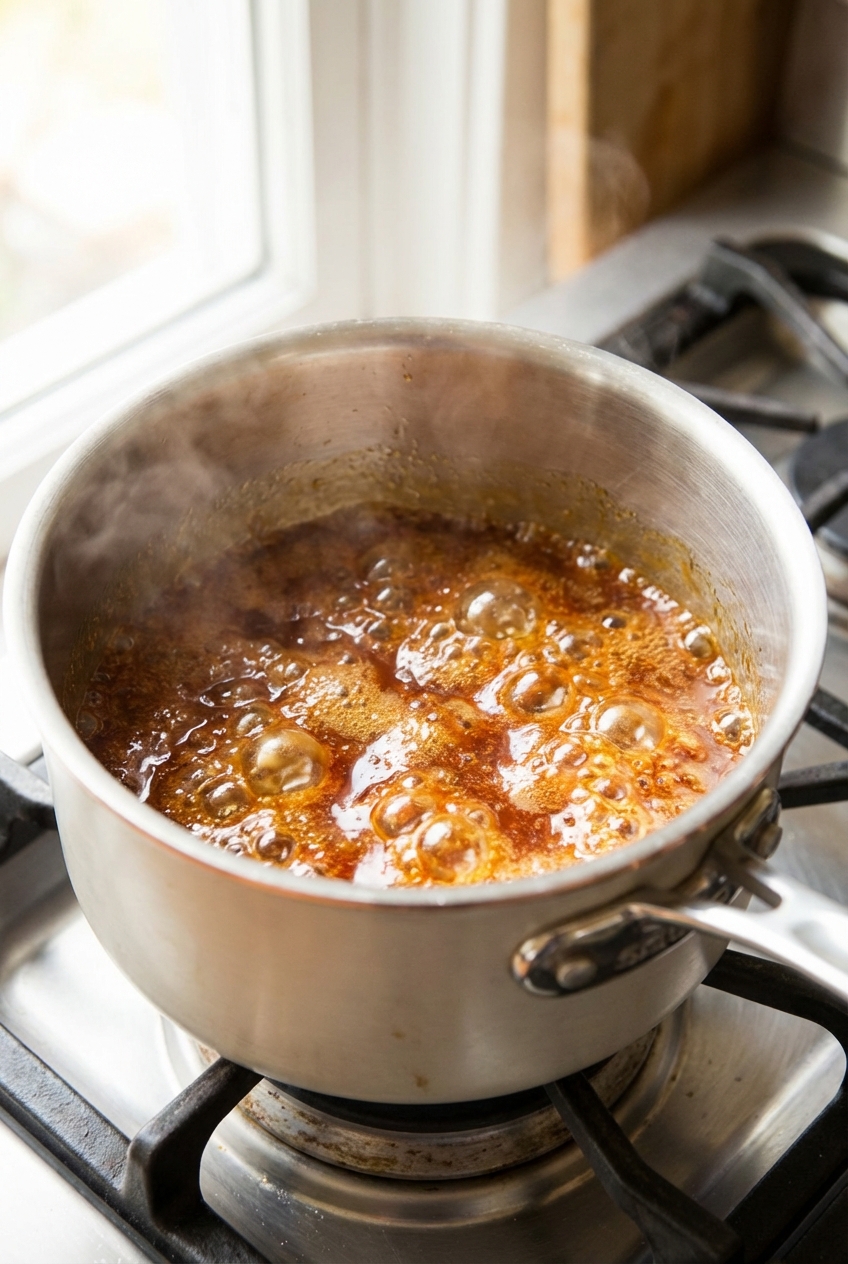
A close-up of bubbling amber caramel in a light-colored saucepan on a stovetop

Why It Works

  • Controlled color for clean flavor: We cook to a deep amber, not dark brown, so you get buttery caramel flavor without bitterness.
  • Warm cream prevents shock: Adding warm cream reduces seizing and helps the sauce stay smooth (plus it lowers the odds of a scary boil-over).
  • A touch of salt and vanilla: They round out sweetness and make the caramel taste more like caramel, not just sugar.
  • Optional whipping step for “fluffy”: A quick whisk while cooling builds a lighter texture, and you can take it further by folding into whipped cream for a caramel cloud situation.

Pairs Well With

Storage Tips

Refrigerator: Store caramel in a jar or airtight container for up to 2 weeks. It will thicken when cold. If it ever smells off or you see any mold, toss it.

To reheat: Warm in the microwave in 10 to 15 second bursts, stirring each time, or warm gently in a small saucepan over low heat. If it is too thick, add 1 to 2 teaspoons cream or water and stir.

Freezer: Freeze up to 3 months. Thaw overnight in the fridge, then rewarm slowly. If it looks separated after thawing, warm and whisk to bring it back together.

Pro tip: If your caramel ever turns slightly grainy after chilling, warm it gently and whisk. Most of the time it smooths right back out.

Common Questions

What does “light and fluffy” mean for caramel sauce?

Caramel sauce is not a cake, so it will never be fluffy like frosting straight out of the gate. Here, “light and fluffy” means not dense or greasy, with a smooth texture that feels airy on the tongue. You can also whisk the sauce as it cools to incorporate a little air, or fold cooled caramel into whipped cream for a true fluffy topping.

Do I need a candy thermometer?

Not required. Color is the best guide for classic wet caramel. You are aiming for a deep amber, like a shiny copper penny. If you do use a thermometer, you will usually be in the neighborhood of 335°F to 350°F for the sugar stage before adding cream, but go by color first.

Why did my caramel seize up when I added cream?

Usually the cream was cold or added too quickly. A temperature shock can make the sugar tighten into clumps. Keep the cream warm, add it slowly, and whisk. Even if it clumps, keep the heat low and whisk until it melts smooth.

Can I make this without corn syrup?

Yes. This recipe does not need it. Corn syrup can reduce crystallization, but the wet method, clean pan, and the no-spoon-stir rule do the heavy lifting here.

How do I make salted caramel?

Easy. Increase the salt to 1 teaspoon fine sea salt (or to taste). If you use kosher salt, start with a little more since the crystals are larger.

Can I use half-and-half instead of heavy cream?

You can, but the sauce will be thinner and a bit less rich. Heavy cream gives the most stable, velvety texture.

My caramel tastes bitter. What happened?

It likely went too dark. Next time, pull it at deep amber, then immediately add warm cream to stop the cooking.

I did not learn caramel in a pristine culinary lab. I learned it the way most of us do: hovering over a pan like it owes me money, Googling “is caramel supposed to smell like that,” and trying to pretend I totally meant to make a darker batch. Over time I realized caramel is less about fearless bravado and more about tiny, calm decisions. Warm your cream. Watch the color. Stop stirring once it starts bubbling. And taste it only after it has cooled like a responsible adult, even if your inner goblin disagrees.