Mom's Best Recipes
Recipe

Classic Ice Cream Recipe

A bright, old-school vanilla ice cream that churns up airy, scoopable, and seriously creamy without weird ingredients. Perfect on its own or as the base for mix-ins.

Author By Matt Campbell
4.8
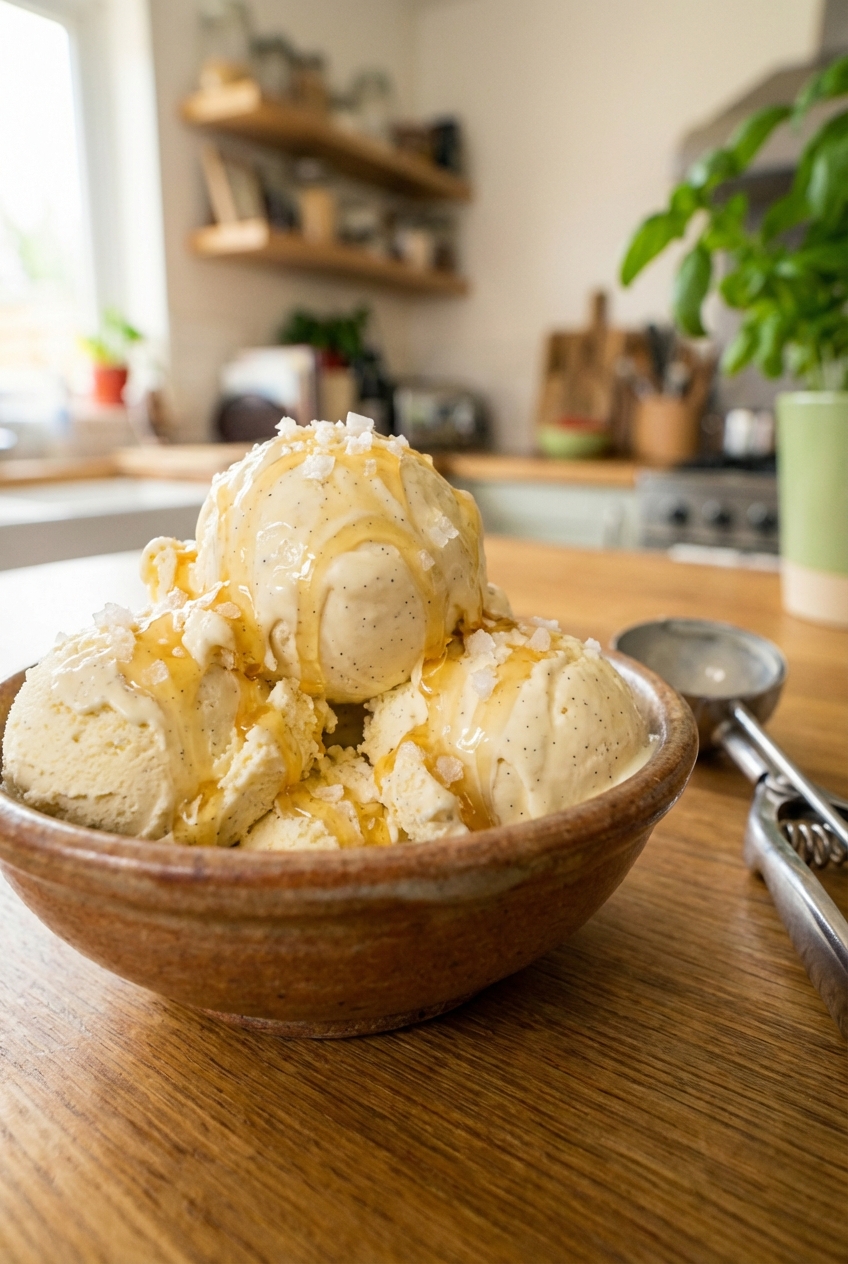
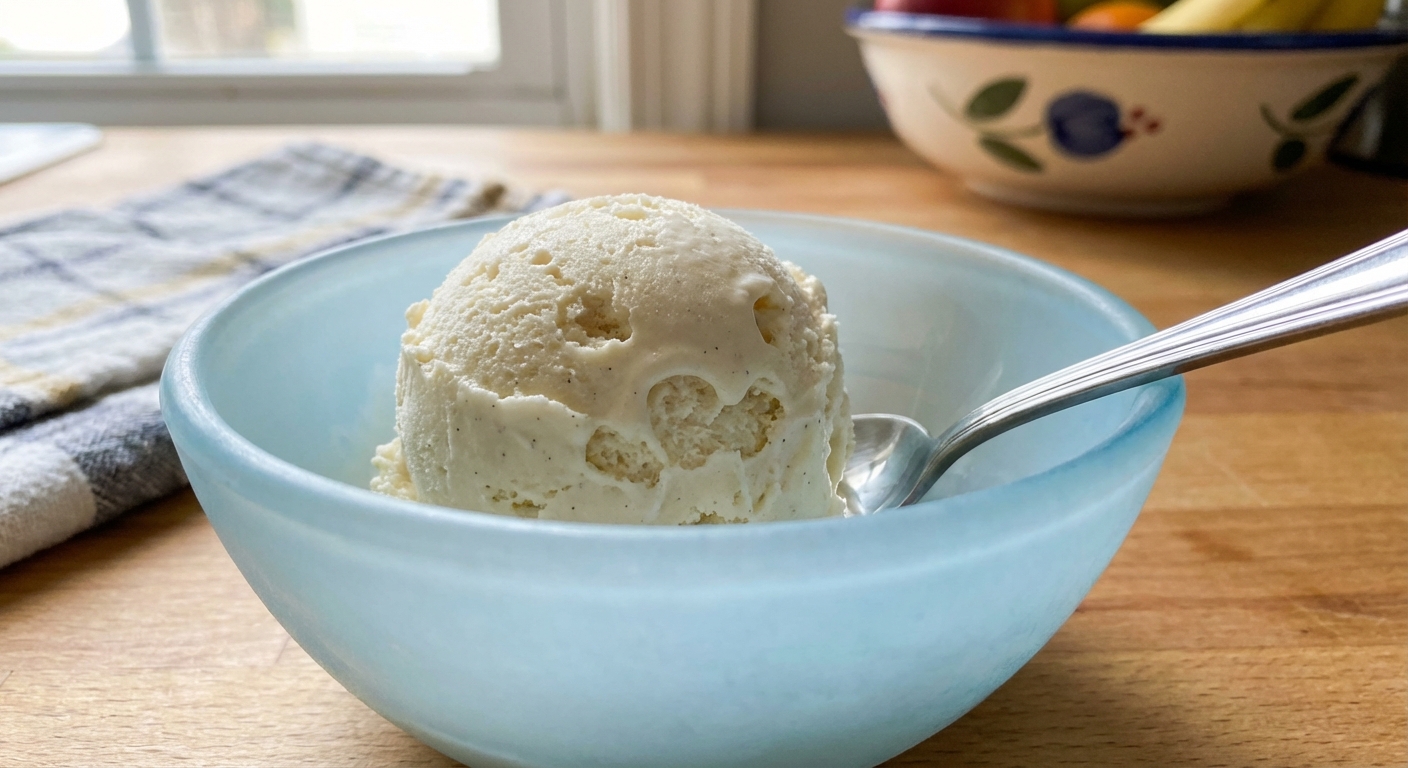
A scoop of light and fluffy vanilla ice cream in a chilled ceramic bowl with a spoon on a kitchen counter

Some ice cream is dense and heavy. This one is the kind you actually want to keep sneaking out of the freezer. Light, fluffy, and creamy enough to melt into that perfect sweet cream puddle around the edges.

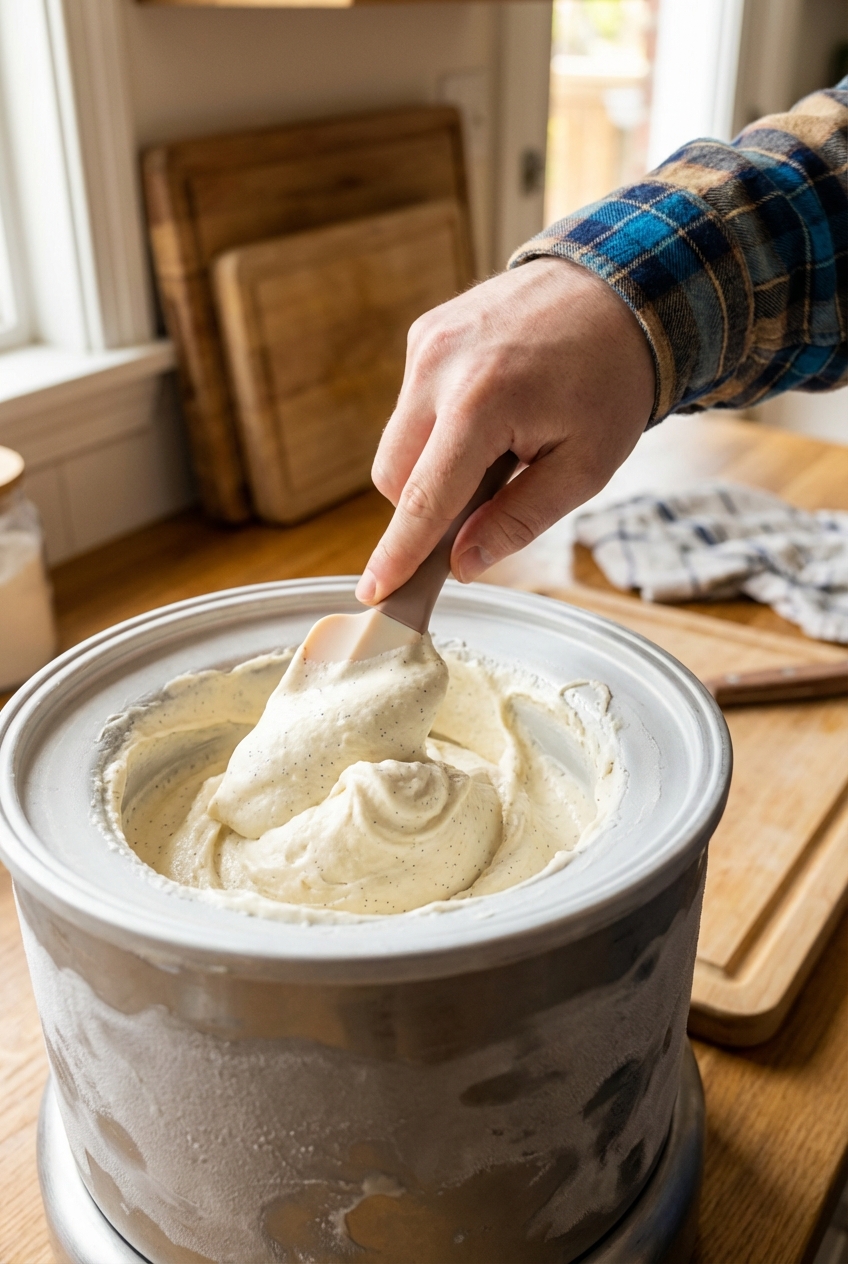
This is a classic vanilla base that tastes like real dairy and real vanilla, not “birthday candle.” It uses egg yolks for structure and silkiness, then leans on two simple moves for that airy texture: chill the base very cold and churn it until it looks like soft serve. From there, you can keep it classic or go chaotic with mix-ins.

A saucepan with pale vanilla custard being stirred with a wooden spoon on a stovetop

Why It Works

  • Light and fluffy texture: Egg yolks give you a stable custard, and proper chilling plus churning helps build tiny ice crystals and more air for a softer scoop.
  • Clean, classic flavor: Real vanilla and a pinch of salt make the dairy taste brighter instead of flat.
  • Helps reduce iciness: The custard base and balanced sugar help keep the ice cream creamy, not crunchy (freezer temps and storage time still matter).
  • Beginner-friendly: If you can stir a pot and watch the heat, you can make this.

Pairs Well With

Storage Tips

How to Store Ice Cream

  • Use a shallow container: A wide, freezer-safe container freezes faster and more evenly, which helps texture.
  • Press parchment on the surface: Put a piece of parchment paper directly on the ice cream before the lid to reduce ice crystals.
  • Freeze in the back: The back of the freezer stays more stable than the door.
  • Best window: For peak fluffiness, enjoy within 1 to 2 weeks. It is safe longer, but texture slowly gets icier over time.
  • For easier scooping: Let it sit at room temp for 5 to 10 minutes before serving.

Common Questions

Common Questions

What makes ice cream “light and fluffy”?

Two things: overrun (the air churned into it) and small ice crystals. A very cold base usually churns more efficiently, which helps it spend less time forming big crystals. How much air you get depends on your machine, but starting cold and churning to the right thickness gives you the best shot at that airy scoop.

Do I have to use eggs?

For this specific light, classic custard style, yes, eggs help a lot. If you want an egg-free version, you can do a Philadelphia-style base, but it will taste a little “cleaner” and can freeze harder unless you tweak sugars.

Can I use vanilla extract instead of a vanilla bean?

Absolutely. Use a good pure extract and add it after the custard is cooled down (cool or just slightly warm). It keeps the flavor bright.

My custard looks a little curdled. Did I ruin it?

Probably not. If it got a bit too hot, immediately strain it through a fine-mesh sieve. If it is really lumpy, blend briefly with an immersion blender, then chill.

Why is my ice cream hard as a rock?

Common causes are: not enough sugar, base not fully chilled before churning, or your freezer runs cold. Let it temper 5 to 10 minutes before scooping. You can also replace 2 tablespoons of sugar with 2 tablespoons of light corn syrup to help it stay softer. This can slightly change sweetness, so taste the chilled base and adjust if needed.

Can I make this without an ice cream maker?

You can do a no-churn method, but it will not have the same light churned texture. If you want closest results without a machine: freeze the base in a shallow pan and vigorously whisk every 30 minutes for 3 to 4 hours. It works, just more effort and slightly less smooth.

Is it safe since it uses egg yolks?

You are cooking the custard until it thickens (nappe consistency). That step also brings the base into a safer, properly cooked range. Then chill it quickly in an ice bath and refrigerate promptly.

I learned pretty quickly that homemade ice cream can go two directions: either it tastes like a fancy shop, or it tastes like a freezer accident you politely call “rustic.” This recipe is my dependable middle ground. It is classic, it is low-drama, and it makes the kitchen smell like warm vanilla and sweet cream, which is basically aromatherapy you can scoop. The first time I nailed the texture, I caught myself standing at the freezer in socks, eating straight from the container like it was a personality trait. No regrets.