Mom's Best Recipes
Recipe

Classic Scones

Buttery, tall scones with crisp edges and a tender center. One simple dough, endlessly customizable, and ready for jam, clotted cream, or a big mug of tea.

Author By Matt Campbell
4.8
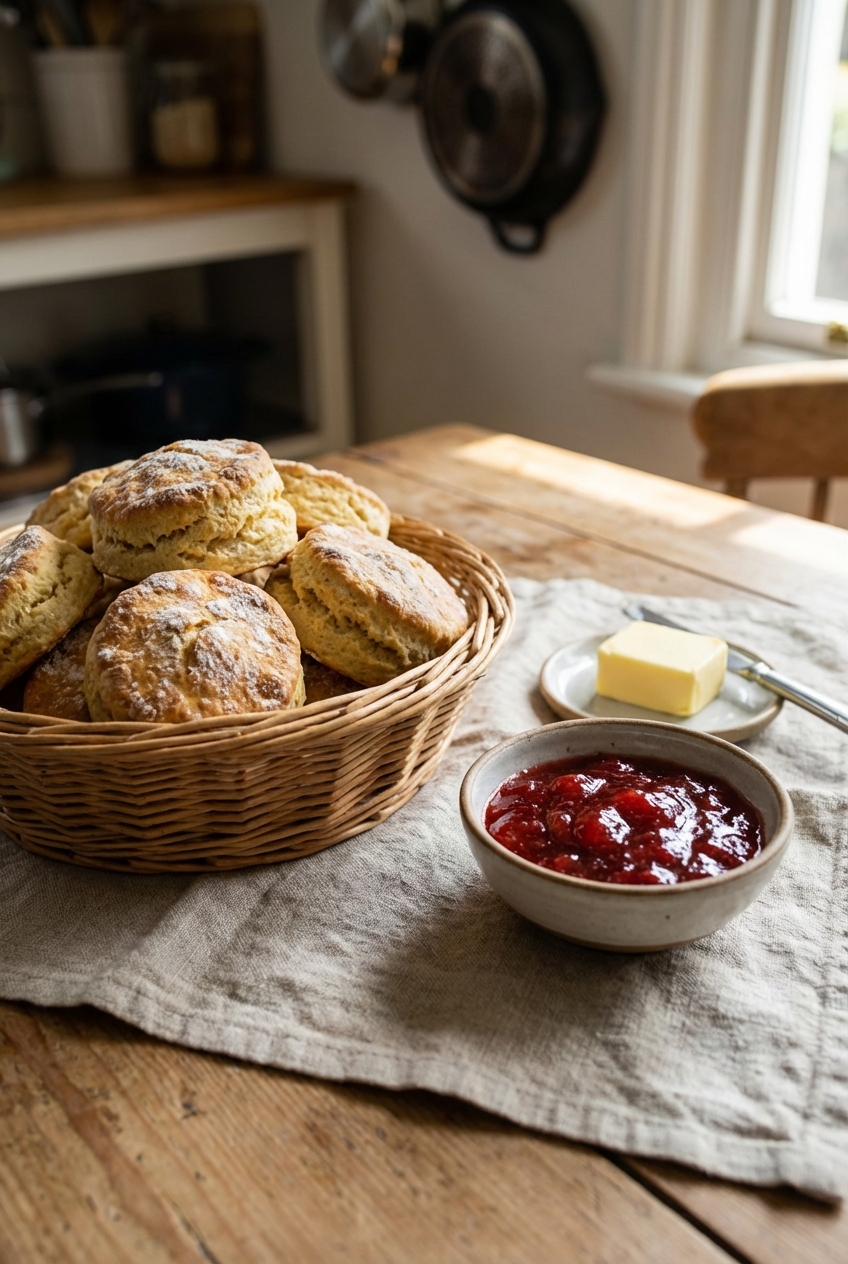
A basket of golden classic scones on a linen-lined wooden table with a small bowl of strawberry jam and a pat of butter nearby

There are two kinds of scone experiences in the world: the ones that taste like sweet cardboard, and the ones that make you stop chewing and do a little kitchen victory lap. We are firmly in victory-lap territory today.

This is my go-to classic scones recipe when I want something that feels bakery-level but still totally doable on a sleepy weekend morning. The method is simple, the ingredients are easy to find, and the payoff is huge: crisp, golden tops, buttery layers, and a soft, fluffy middle that practically begs for jam.
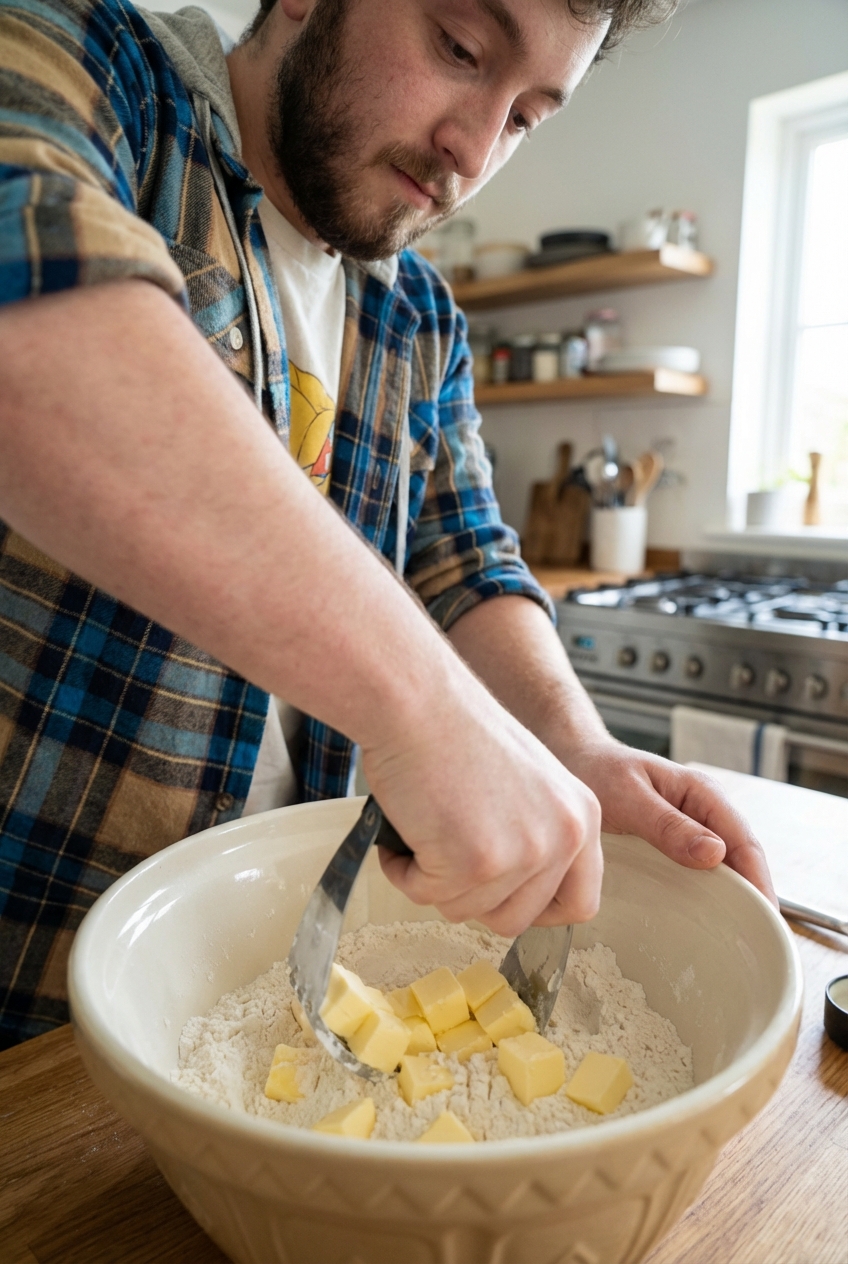
Hands cutting cold butter into flour in a large mixing bowl with a pastry cutter

And yes, I am going to say the thing you already know: keep everything cold, do not overmix, and trust the shaggy dough. Messy dough makes the best scones. It is science, probably.
Why It Works

  • Cold butter, hot oven: Little pieces of cold butter stay put until the oven heat hits. Then the water in the butter and dough turns to steam while the baking powder releases CO₂, creating lift and those lovely layers.
  • Minimal mixing: Stir just until the dough comes together. Overworking develops gluten, and gluten makes scones tough instead of tender.
  • A quick chill: Even 15 minutes in the fridge helps the dough firm up, so the scones rise higher and spread less.
  • Proper cut: Press the cutter straight down. Twisting can seal the edges and can keep them from climbing.

Expect scones that are lightly sweet, deeply buttery, and sturdy enough to split and smear, but still soft enough to feel like a treat.

Pairs Well With

Storage Tips

Room temperature: Store completely cooled scones in an airtight container for up to 2 days. To refresh, warm in a 300°F oven for 5 to 8 minutes.

Refrigerator: Not my favorite because it can dry them out, but it works for up to 4 days. Warm before serving for best texture.

Freezer (baked): Freeze in a zip-top bag for up to 2 months. Reheat from frozen at 325°F for 10 to 15 minutes, or until warmed through.

Freezer (unbaked, best option): Cut the scones, freeze on a sheet pan until firm, then bag them. Bake from frozen, adding 2 to 4 minutes to the bake time. This is how you get "fresh baked" scones on a random Tuesday.

Common Questions

Why did my scones turn out dry?

Usually one of three things: too much flour, overmixing, or overbaking. For flour, spoon it into the measuring cup and level it off, or weigh it. Mix just until no big dry pockets remain. And pull them when the tops are golden and the sides look set, not pale and wet.

Can I use milk instead of heavy cream?

Yes. You will still get good scones, just a little less rich and tender. If you have it, use half-and-half as a middle ground. Whatever you use, keep it cold.

Do I need a pastry cutter?

Nope. Your fingertips work great, just be quick so you do not warm the butter. You can also use two forks. If using a food processor, pulse very briefly and stop while you still have visible butter pieces.

Can I add mix-ins like berries or chocolate?

Absolutely. Keep mix-ins to about 3/4 to 1 cup. For fresh berries, toss them gently and consider freezing them first so they do not smear.

How do I get tall, fluffy scones?

Cold dough, a hot oven, and a clean cut. Chill the shaped scones for 15 minutes, cut straight down, and do not flatten the dough too thin. Aim for about 1 inch thick before cutting.

Can I make them ahead?

Yes. Shape and cut the scones, cover, and refrigerate overnight. In the morning, bake straight from the fridge (they might just need an extra minute or two).

I started making scones when I realized I could get the cozy bakery vibe at home without committing to a full baking project. The first batch I made was honestly a little chaotic. Flour everywhere, butter melting on my fingers, and me staring at a shaggy dough like it had personally offended me. But then they came out of the oven tall and golden, and suddenly I understood the whole point. Now, scones are my favorite kind of baking: quick, forgiving, and just fancy enough to make a regular morning feel like something.