Mom's Best Recipes
Recipe

Classic Cupcake Recipe

Soft, tender vanilla cupcakes with a bakery-style dome, made with simple pantry ingredients and a no-stress mixing method. Perfect for birthdays, bake sales, and random Tuesday joy.

Author By Matt Campbell
4.8
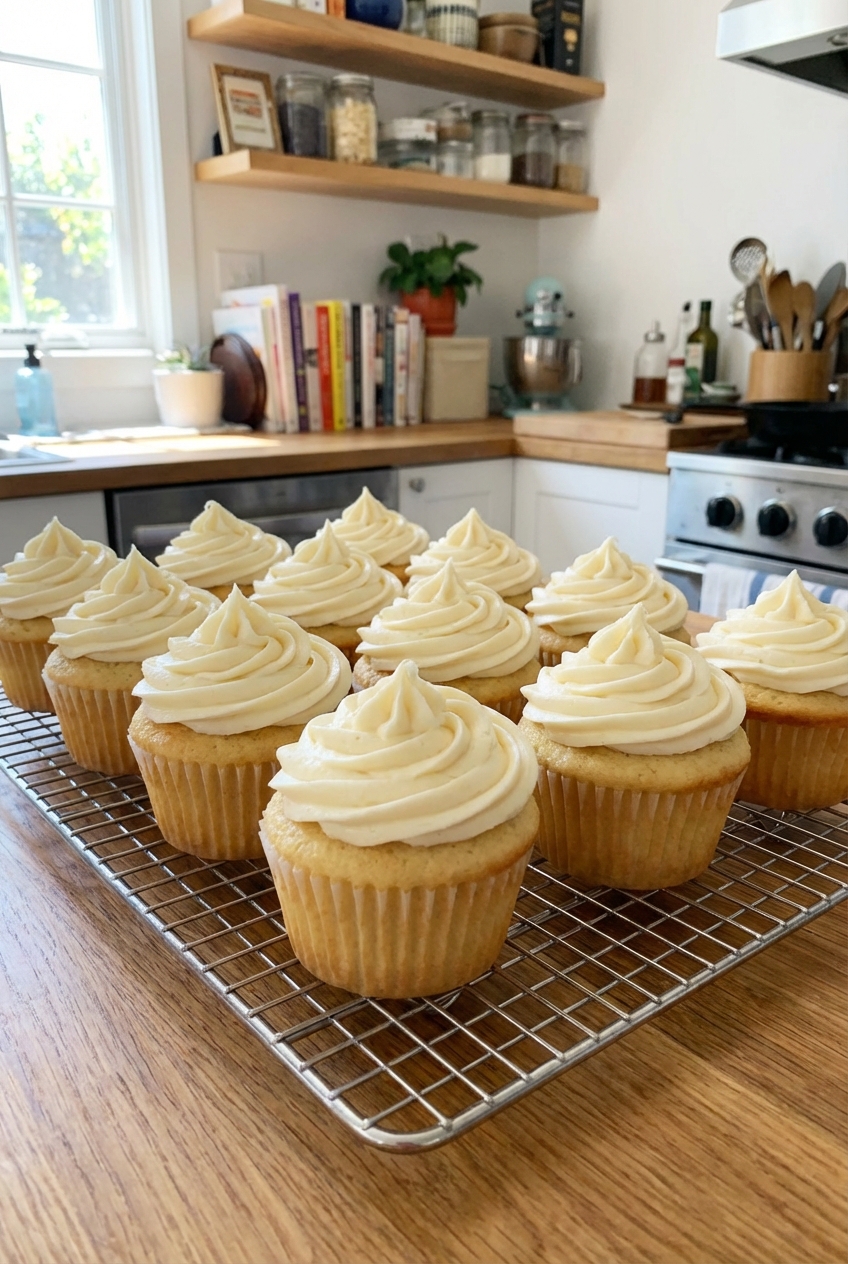
A real photograph of a dozen light and fluffy vanilla cupcakes with swirled vanilla buttercream on a cooling rack in a bright home kitchen

I love a cupcake that feels like a little cloud but still tastes like something. Not just sweet, but buttery, vanilla-forward, and finished with that soft, springy crumb that makes you go back for a second without realizing you already ate the first. These are my classic light and fluffy vanilla cupcakes, built for real life: one bowl for dry, one bowl for wet, and no mysterious ingredients that only exist in professional baker kitchens.

The secret here is not magic. It is room-temperature ingredients, a gentle hand once the flour goes in, and a quick move in and out of the oven before they dry out. You can frost them, fill them, sprinkle them, or eat them plain standing at the counter. I support all of it.
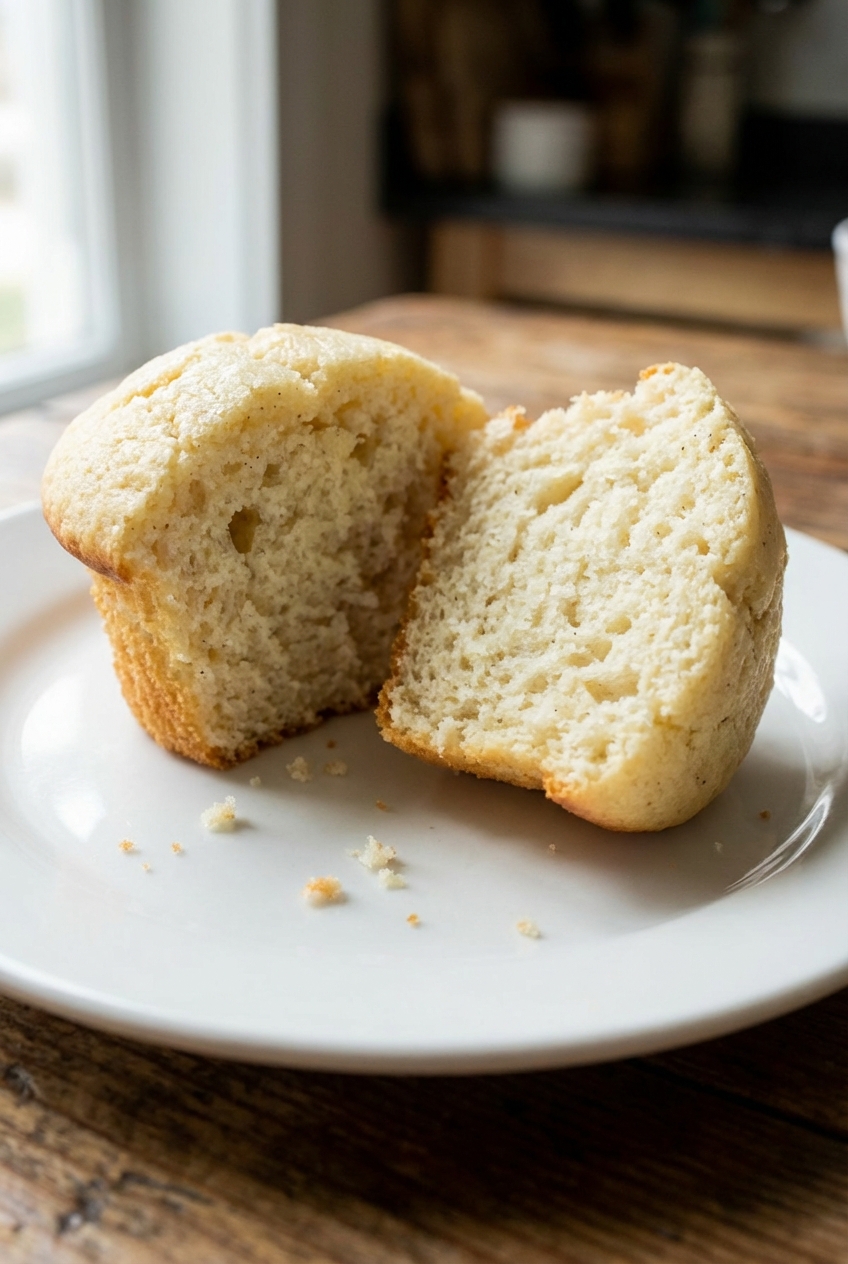
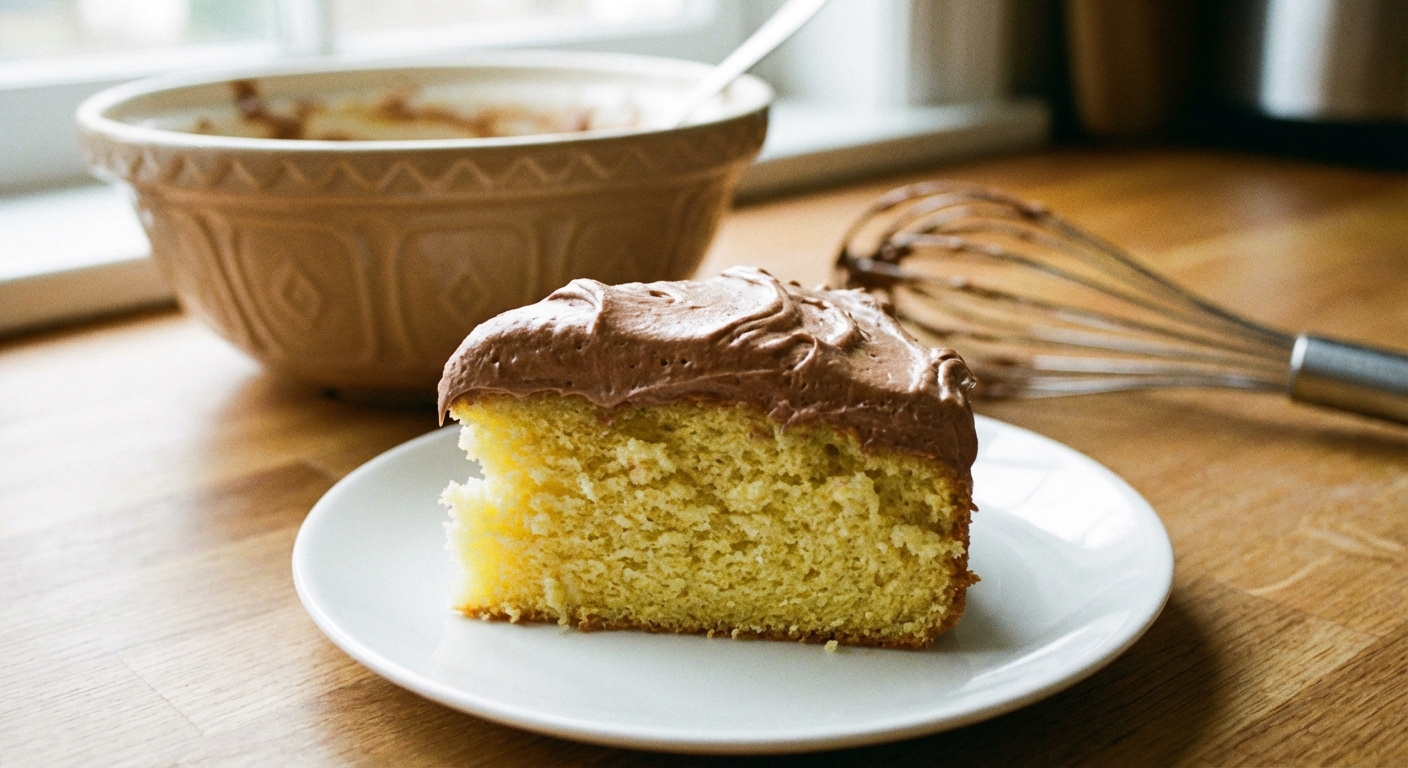
A real photograph of a single vanilla cupcake broken open to show a light, fluffy crumb on a white plate

Why It Works

  • Light, tender crumb: Cake flour plus the reverse-creaming style mixing keeps the texture soft and fine.
  • Consistent rise: The right oven temp and a filled-to-two-thirds batter level gives you a neat dome, not a volcano.
  • Bright vanilla flavor: Vanilla extract and a pinch of salt make the sweetness taste clean and balanced.
  • No dryness: Buttermilk (or the quick substitute) adds moisture and a gentle tang that keeps the cupcake from tasting flat.

Pairs Well With

Storage Tips

Unfrosted cupcakes: Store airtight at room temperature for up to 2 days. If your kitchen runs warm or humid, move them to the fridge after day one.

Frosted cupcakes: If your frosting is butter-based, they can sit covered at cool room temperature for 1 day. For longer storage, refrigerate in a covered container for up to 4 days. Let them come back to room temp for about 30 to 60 minutes before serving so the cake softens and the frosting gets creamy again.

Freezing: Freeze unfrosted cupcakes wrapped individually, then tucked into a freezer bag for up to 2 months. Thaw (still wrapped) at room temp, then frost.

Little pro move: If they feel a touch dry on day two, microwave one cupcake for 8 to 10 seconds. It comes back to life fast.

Common Questions

Can I use all-purpose flour instead of cake flour?

Yes. The cupcakes will be slightly less delicate, but still very good. Swap in 1 1/2 cups (180 g) all-purpose flour for the cake flour.

If you want to DIY cake flour at home: measure 1 1/2 cups all-purpose flour, remove 3 tablespoons, then add 3 tablespoons cornstarch and whisk well.

What if I do not have buttermilk?

Make a quick version: add 1 1/2 teaspoons lemon juice or white vinegar to 1/2 cup milk. Stir and let sit for 5 minutes. Whole milk is best, but 2% works.

Why did my cupcakes sink in the middle?

Most common causes: the oven door was opened too early, the batter was overmixed after adding flour, or the cupcakes were underbaked. Bake until the tops spring back and a toothpick comes out with a few moist crumbs, not wet batter.

How full should I fill the liners?

About two-thirds full. For standard tins, that is usually 3 tablespoons batter per cupcake. An ice cream scoop makes this painless.

Can I make these chocolate or funfetti?

For funfetti, fold in 1/3 cup rainbow jimmies at the very end. For chocolate, you will want a slightly different formula, since cocoa changes moisture and structure. This recipe is best kept vanilla, then dressed up with fillings and frostings.

These cupcakes are my go-to when I want something that makes the kitchen feel alive without turning my whole day into a project. I started making versions of this recipe back when I was more focused on learning by doing than chasing a perfect culinary school moment. The funny part is that cupcakes teach you the exact lesson that makes you a better cook everywhere else: pay attention. The batter tells you when it is overmixed, the oven tells you if your temp is off, and your own taste buds tell you if it needs a little more vanilla or a pinch more salt. Also, if you lick the spatula, you are basically doing quality control. Very professional.