Mom's Best Recipes
Recipe

Classic Beef Meatballs Recipe: Light & Fluffy

Tender, airy beef meatballs with crisp edges and a bright, savory pan sauce. A weeknight classic that tastes like you tried way harder than you did.

Author By Matt Campbell
4.8
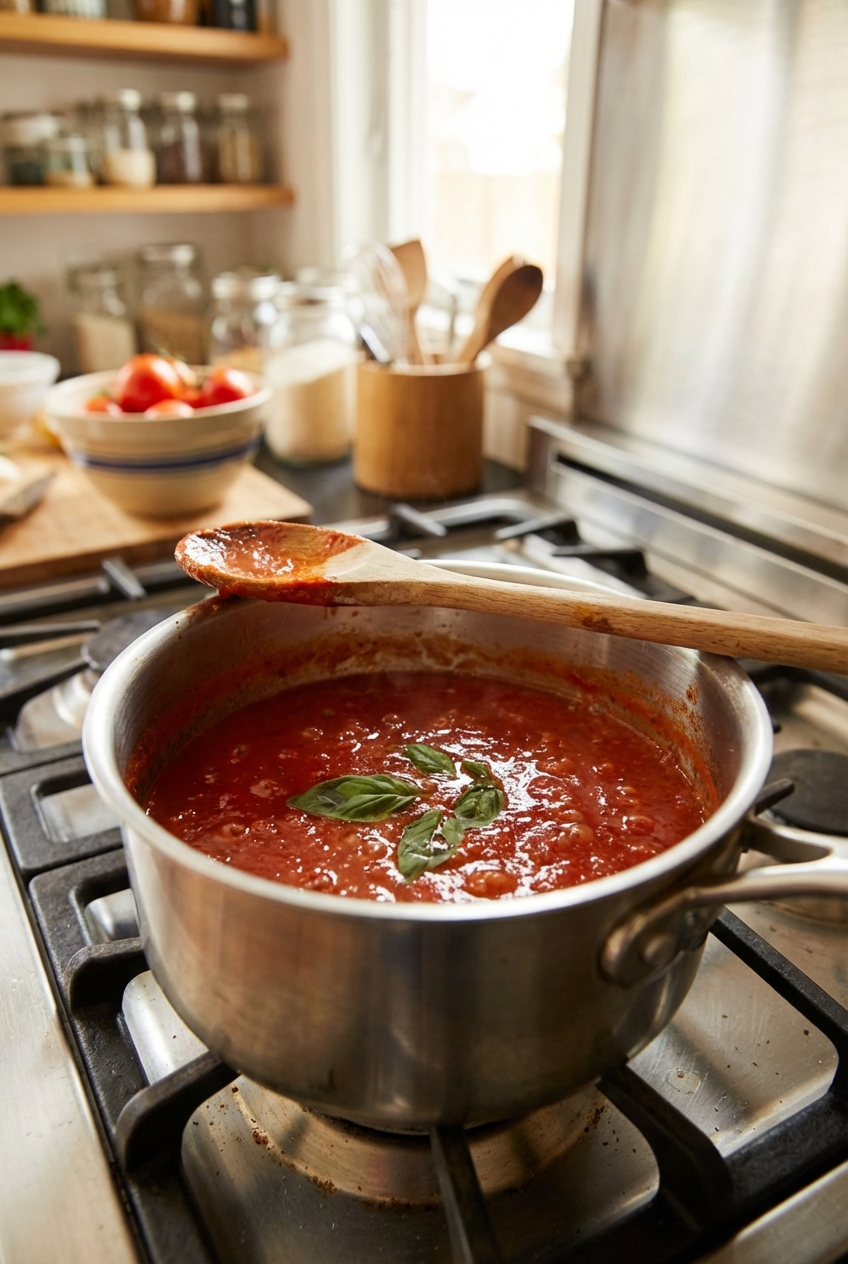
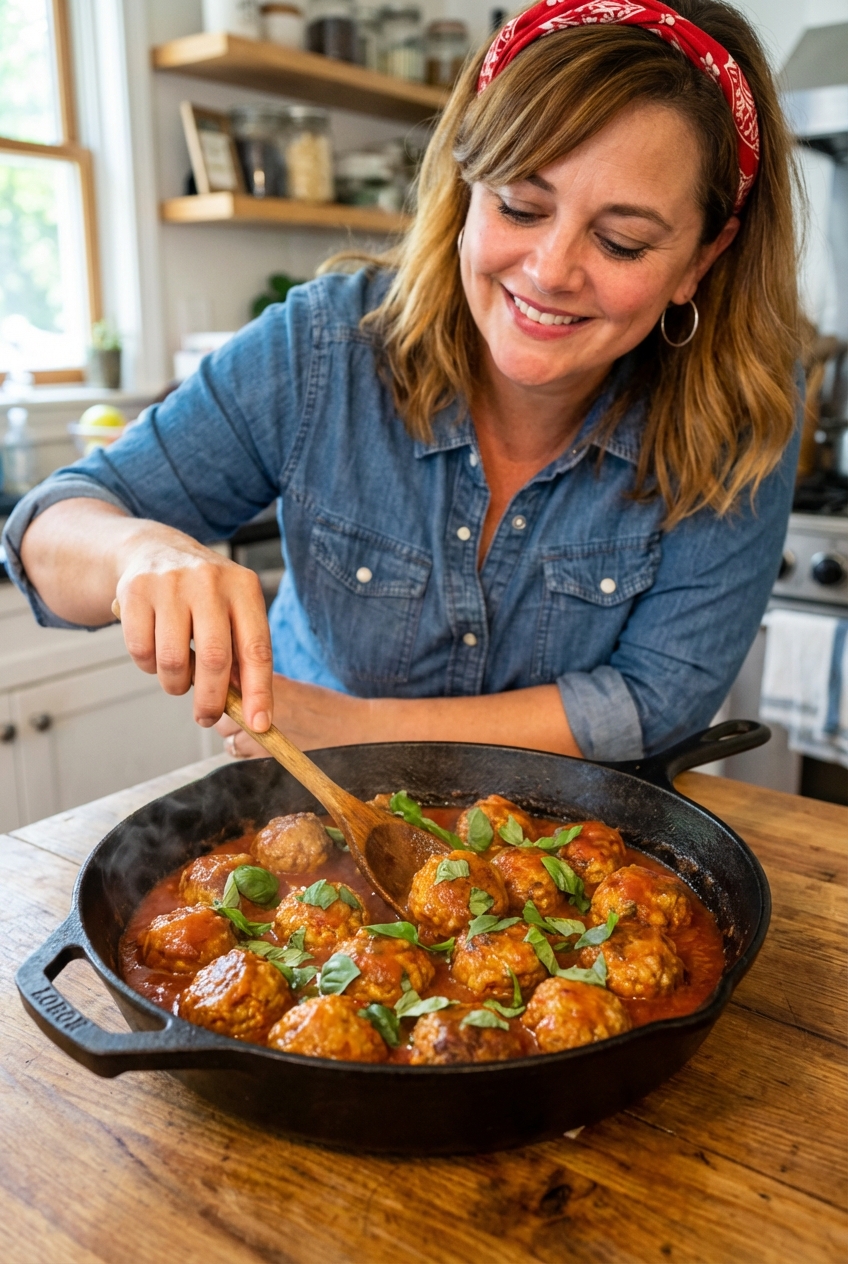
A cast iron skillet filled with golden brown beef meatballs simmering in a glossy tomato pan sauce with fresh basil

Some beef dinners are all swagger and sear. This one is about soft, light, fluffy comfort that still delivers big flavor. These classic beef meatballs are springy and tender inside, browned on the outside, and finished with a quick pan sauce that tastes like it had a long Sunday simmer. It did not.

My goal here is simple: accessible ingredients, clear steps, and a little permission to be imperfect. If your meatballs are not perfectly round, congratulations, you made them at home. They will still be ridiculously good.

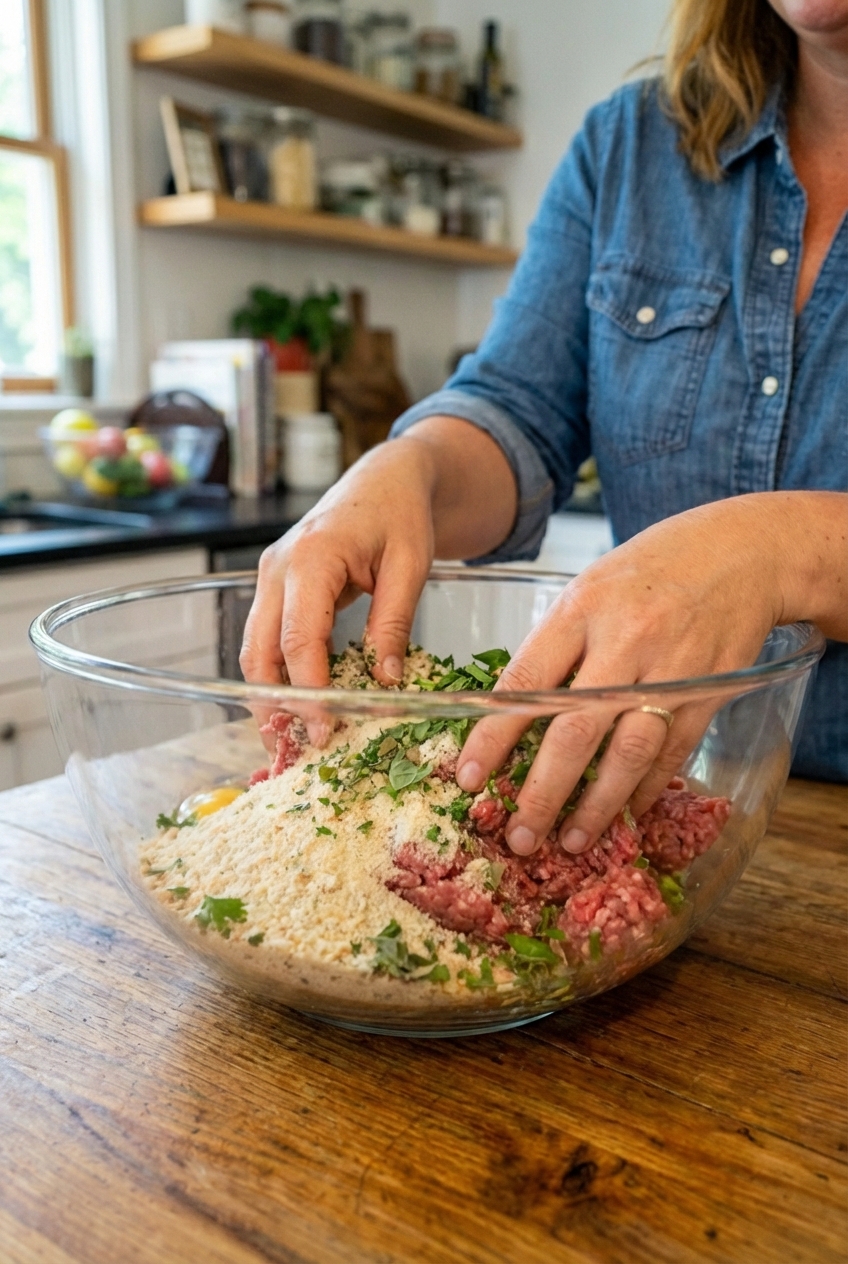
Hands gently mixing ground beef, breadcrumbs, and herbs in a large glass bowl on a kitchen counter

Why It Works

  • Light, not dense: A gentle mix and a breadcrumb plus milk panade keeps the texture tender and fluffy.
  • Crisp edges, juicy centers: Brown in a hot skillet, then finish in sauce so they stay moist.
  • Fast flavor: Tomato paste blooms in the pan drippings, then a splash of broth builds a savory, glossy sauce.
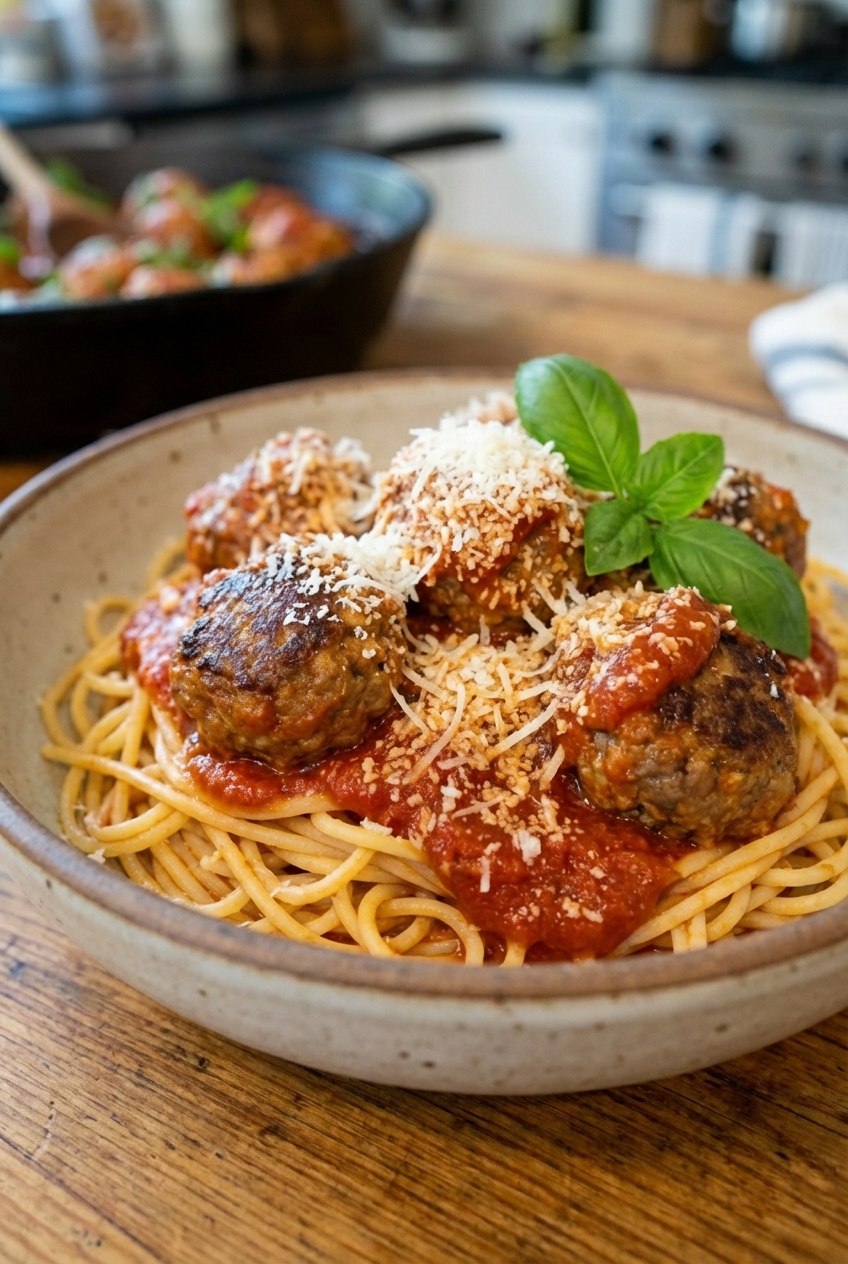
  • Flexible: Serve over pasta, tuck into subs, or meal prep for bowls and wraps.

Pairs Well With

Storage Tips

Storage Tips That Keep Them Tender

  • Refrigerate: Cool meatballs and sauce, then store in an airtight container for up to 4 days.
  • Freeze: Freeze meatballs in sauce (best for moisture) up to 3 months. Thaw overnight in the fridge.
  • Reheat: Warm gently in a covered skillet over low heat with a splash of water or broth. Microwave works too, just use 50 to 70% power so they do not get tough.
  • Meal prep move: Freeze in flat portions in zip-top bags so they thaw faster on busy nights.

Common Questions

Common Questions

What makes meatballs light and fluffy instead of dense?

Two things: hydrated breadcrumbs (breadcrumbs mixed with milk is called a panade) and not overmixing. Mix just until combined, then stop. Overmixing works the proteins too hard and can make the meatballs tight and bouncy.

Can I bake them instead of pan-frying?

Yes. Bake at 425°F on a lightly oiled sheet pan for 14 to 18 minutes, or until they reach 160°F in the center (the USDA safe-temp target for ground beef). If you prefer an extra buffer, you can take them to 165°F. You will lose a bit of skillet browning, but they are still great. If you want more color, broil for 1 to 2 minutes at the end.

Do I have to use Parmesan?

No, but it helps with savory depth. Swap in pecorino, or skip it and add an extra pinch of salt plus a little more garlic.

How do I keep meatballs from falling apart?

Use the egg, hydrate the breadcrumbs, and chill the shaped meatballs for 10 minutes if your mixture feels very soft. Also, do not flip too early. Let them brown and release naturally from the pan.

Can I make these ahead?

Absolutely. Shape the meatballs and refrigerate (covered) up to 24 hours before cooking. Or cook fully, cool, and store in sauce for easy reheating.

Is this enough sauce for pasta?

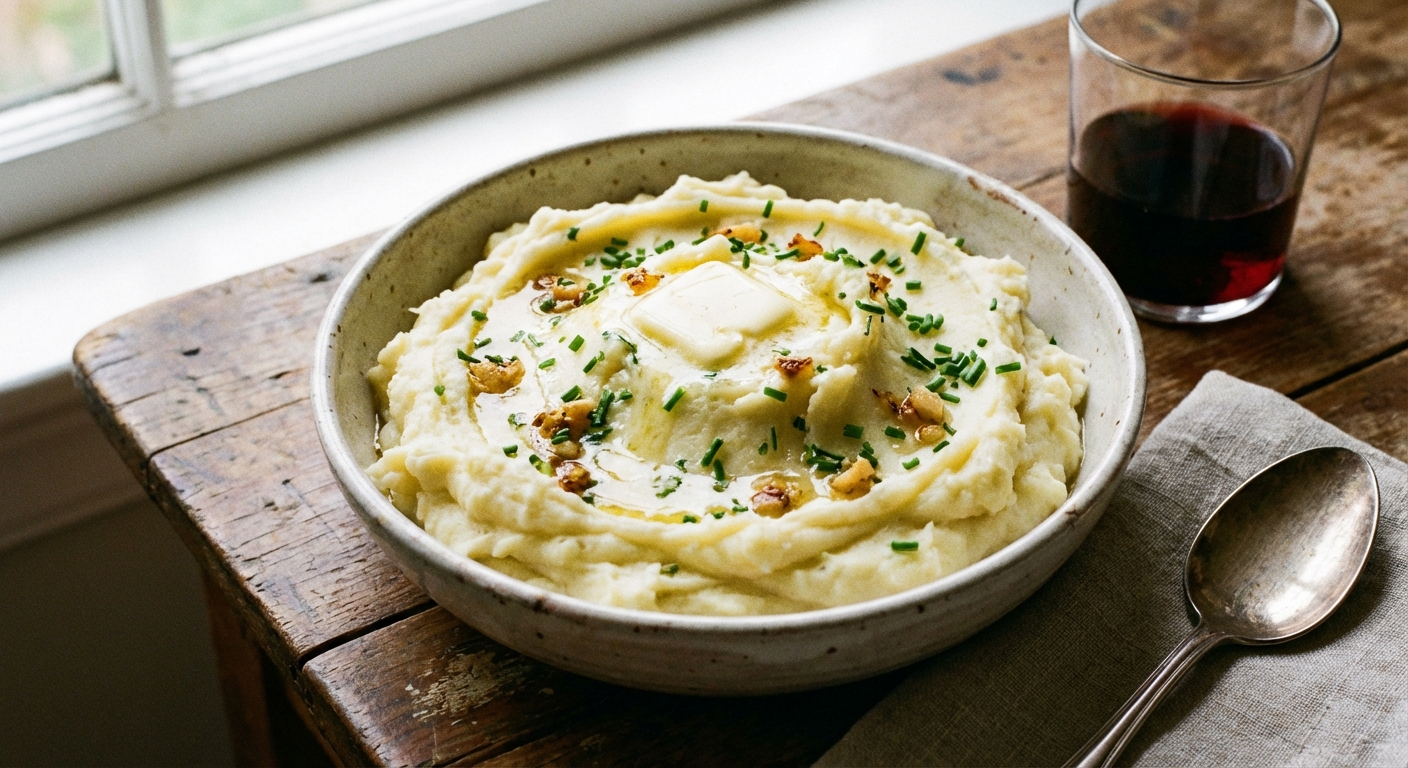
It is a light, glossy pan sauce, not a big pot of marinara. Perfect for coating meatballs and spooning over pasta or mashed potatoes. If you want it extra saucy (especially for a full pound of pasta), double the sauce ingredients.

I used to think “classic beef” meant heavy. Like, take-a-nap heavy. Then I started paying attention to the little practical tricks that restaurant kitchens use to keep things tender. The big one is treating breadcrumbs like a sponge, letting them soak up milk before they ever touch the meat. The first time I nailed that texture, I literally stopped mid-bite because it was so soft and airy it felt like a different food.

Now these are my reset-button meatballs. When the week gets loud and the fridge looks uninspiring, I can pull this off with basic pantry stuff and still end up with a dinner that feels like a win.