Mom's Best Recipes
Recipe

Classic Grits Recipe

Creamy, light, and fluffy Southern-style grits made the classic way with butter, milk, and just enough seasoning to make them sing.

Author By Matt Campbell
4.8
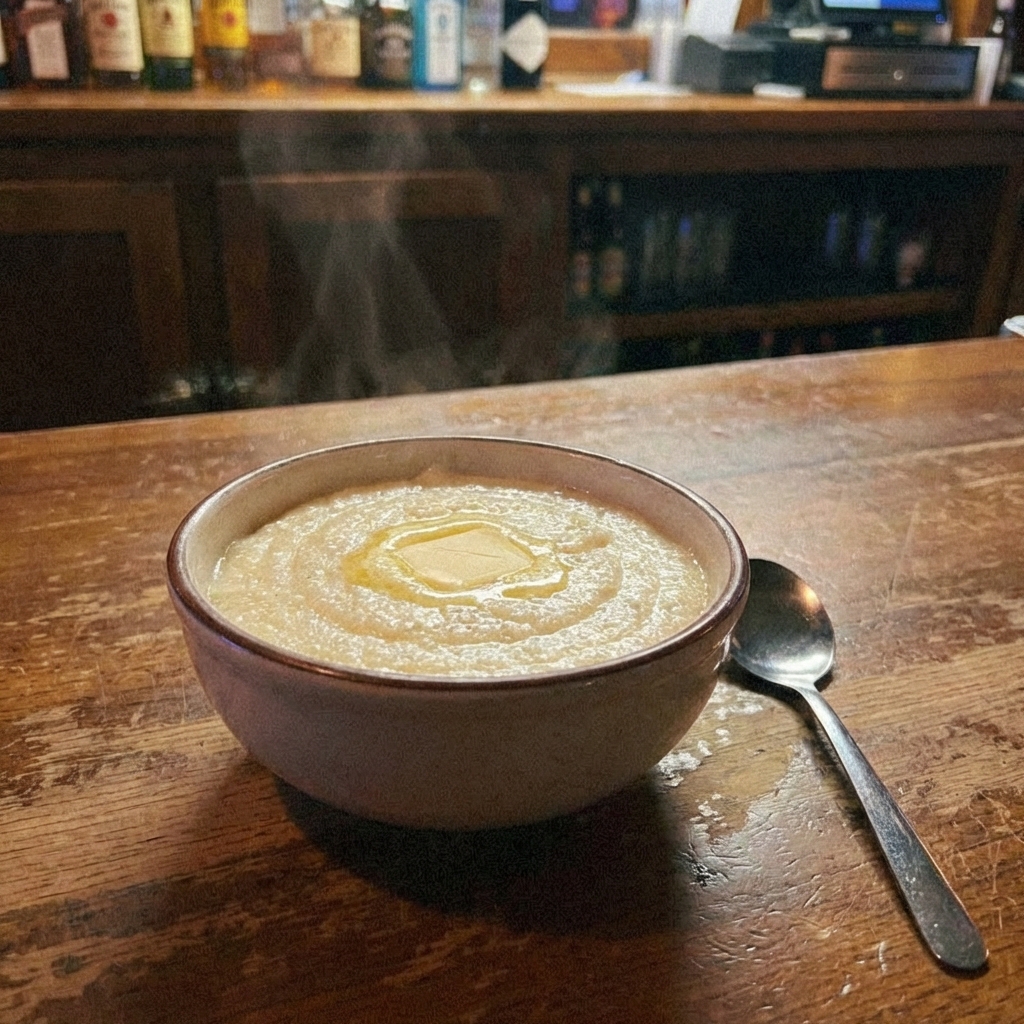
A steaming bowl of creamy, light and fluffy grits topped with a pat of butter on a wooden table with a spoon nearby

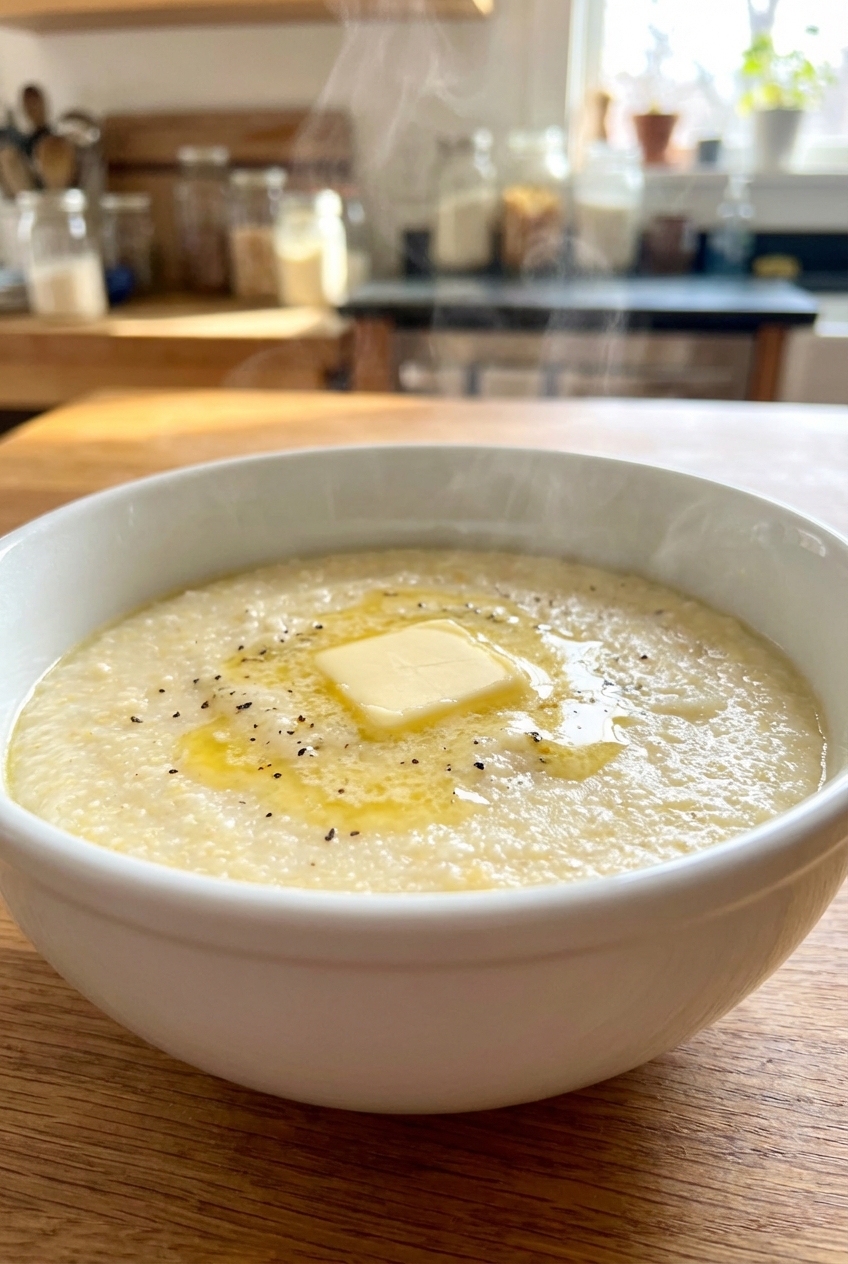
If you have ever had grits that tasted like glue, water, or sadness, this is your redemption arc. These classic grits are light, fluffy, and creamy, with that cozy corn flavor and a butter finish that makes you pause mid-bite like, okay, wow.

We are keeping it real and accessible: stone-ground if you can find them, quick grits if you cannot. The method stays the same. The keys are proper liquid, a gentle simmer, and steady whisking at the beginning so the texture stays smooth. After that, it is low drama.
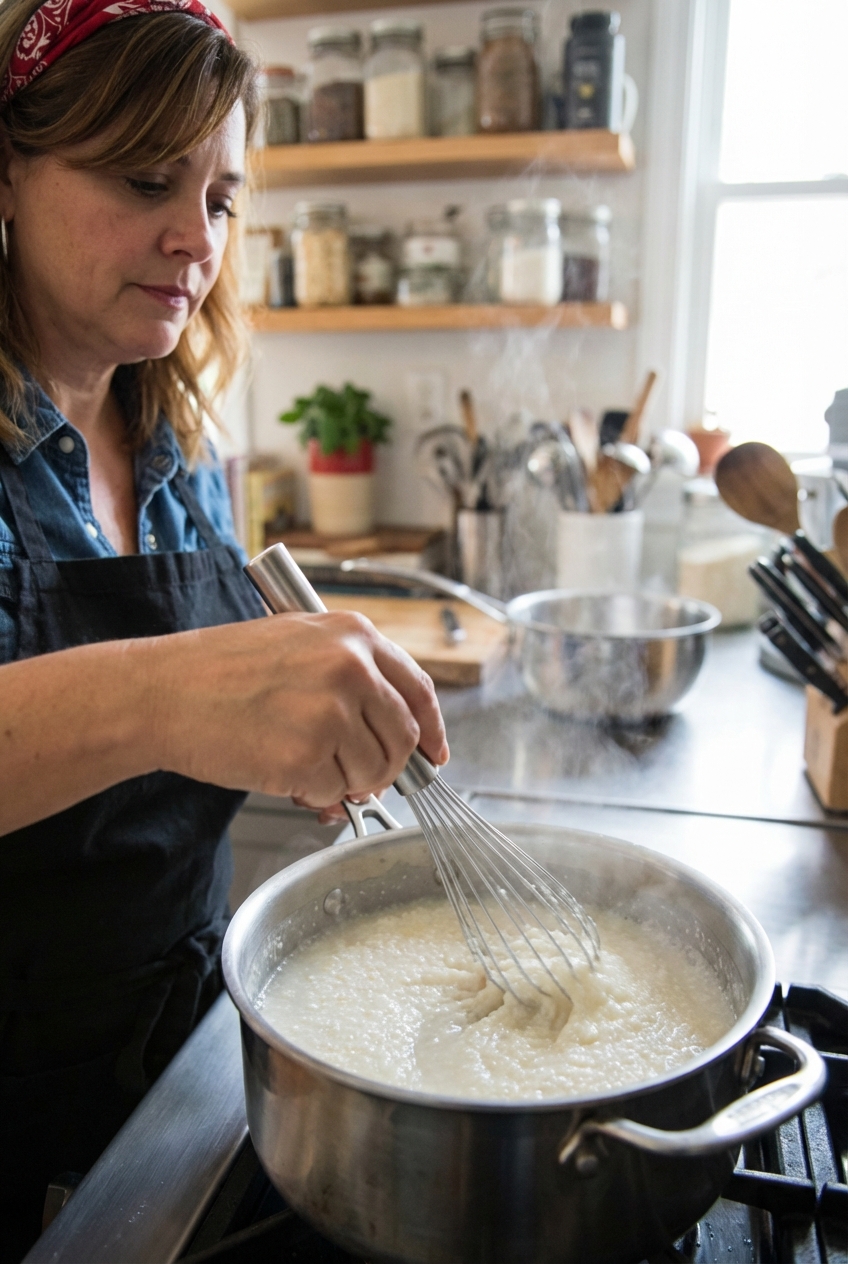
A hand whisking grits into simmering liquid in a stainless steel saucepan on a stovetop

Why It Works

  • Fluffy texture, not stiff paste: A higher liquid ratio plus a slow simmer lets the starches hydrate gradually.
  • No lumps: Whisking while you slowly rain in the grits prevents clumping before it starts.
  • Real flavor from simple stuff: Salt early, finish with butter, and use some milk for a rounder, richer bite.
  • Flexible for any meal: Keep them plain and classic, or take them savory with cheese and pepper, or sweet with a drizzle of honey.

Pairs Well With

Storage Tips

Grits are best fresh, but leftovers are absolutely salvageable. They will firm up in the fridge, which is normal.

Refrigerator

  • Cool completely, then store in an airtight container for up to 4 days.

Freezer

  • Freeze in portions for up to 2 months.
  • Thaw overnight in the fridge for the easiest reheat.

How to reheat and bring them back to life

  • Stovetop (best): Add grits to a saucepan with a splash of water, milk, or broth. Warm over medium-low, stirring often, until creamy again. Add more liquid as needed.
  • Microwave (fast): Cover and heat in 30 to 45 second bursts, stirring each time and adding a splash of liquid until smooth.

Matt move: If reheated grits still feel heavy, whisk in a teaspoon of butter at the end. It fixes more than it should.

Common Questions

What kind of grits should I use?

Stone-ground gives the best corn flavor and the fluffiest texture, but it takes longer to cook. Quick grits are totally fine for weeknights. Avoid instant if you want that classic, creamy body.

Do I have to use milk?

No. You can make great grits with all water or all broth. Milk makes them taste richer and feel softer. If dairy is not your thing, use unsweetened oat milk or extra broth and finish with dairy-free butter.

Why are my grits lumpy?

Usually one of two things: the liquid was not simmering when you added the grits, or you dumped them in all at once. Fix it by whisking aggressively for 30 seconds. If lumps persist, give them time on low heat and whisk again. They often melt away as they hydrate.

Can I make them ahead?

Yes. Cook them, cool, refrigerate, and reheat with extra liquid. Make-ahead grits will never be quite as airy as fresh, but they can be very good when reheated gently.

Are grits the same as polenta?

They are cousins. Both are ground corn cooked into a porridge. Grits are typically made from white corn and are usually ground a bit differently, which gives that classic Southern texture.

Grits are one of those dishes that taught me a quiet lesson early on: simple food does not mean easy food. The first time I tried making them, I treated them like instant oatmeal and wondered why I ended up with a pot of corn cement. Once I slowed down, whisked like I meant it, and let them simmer patiently, everything changed. Now grits are my go-to comfort move when I want something warm, buttery, and forgiving, especially when the rest of the day is not.