Mom's Best Recipes
Recipe

Classic Lobster Thermidor

Tender broiled lobster folded into a creamy mustard brandy sauce with Gruyère, then baked until golden and bubbly.

Author By Matt Campbell
4.8
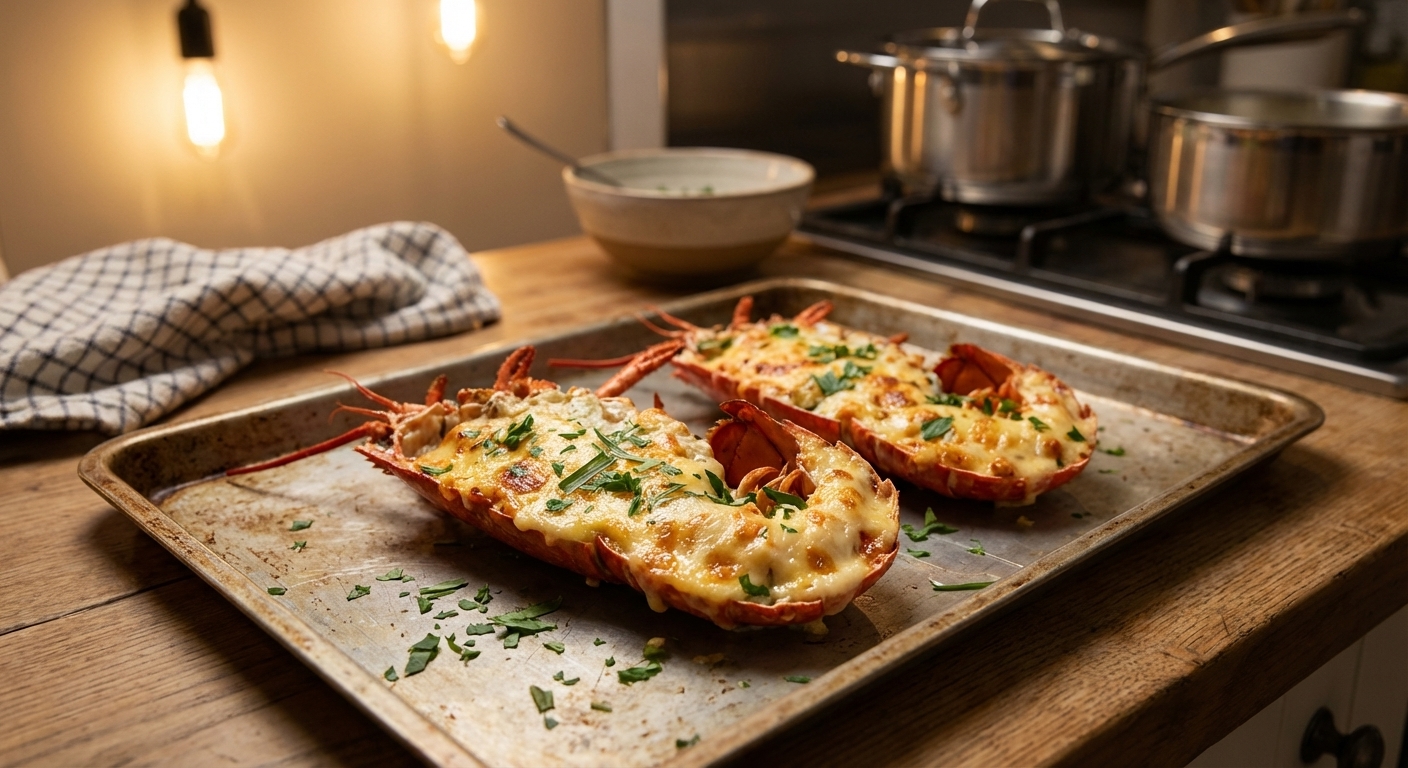
A real photograph of classic lobster thermidor in split lobster shells on a baking tray, topped with golden bubbling Gruyère and herbs, warm kitchen lighting

Lobster Thermidor is one of those retro restaurant flexes that somehow still feels worth the drama. You broil the lobster just until it turns opaque, pull the meat, and toss it into a brandy-kissed cream sauce with Dijon and a snowfall of Gruyère. Then it all goes back into the shells (or a little gratin dish) for a quick bake until the top gets bronzed and blistery.

My promise: we are not overcooking the lobster into rubber bands, and we are not breaking the sauce into a greasy puddle. A few smart timing moves make this surprisingly low-stress for something that tastes like it should arrive under a silver cloche.

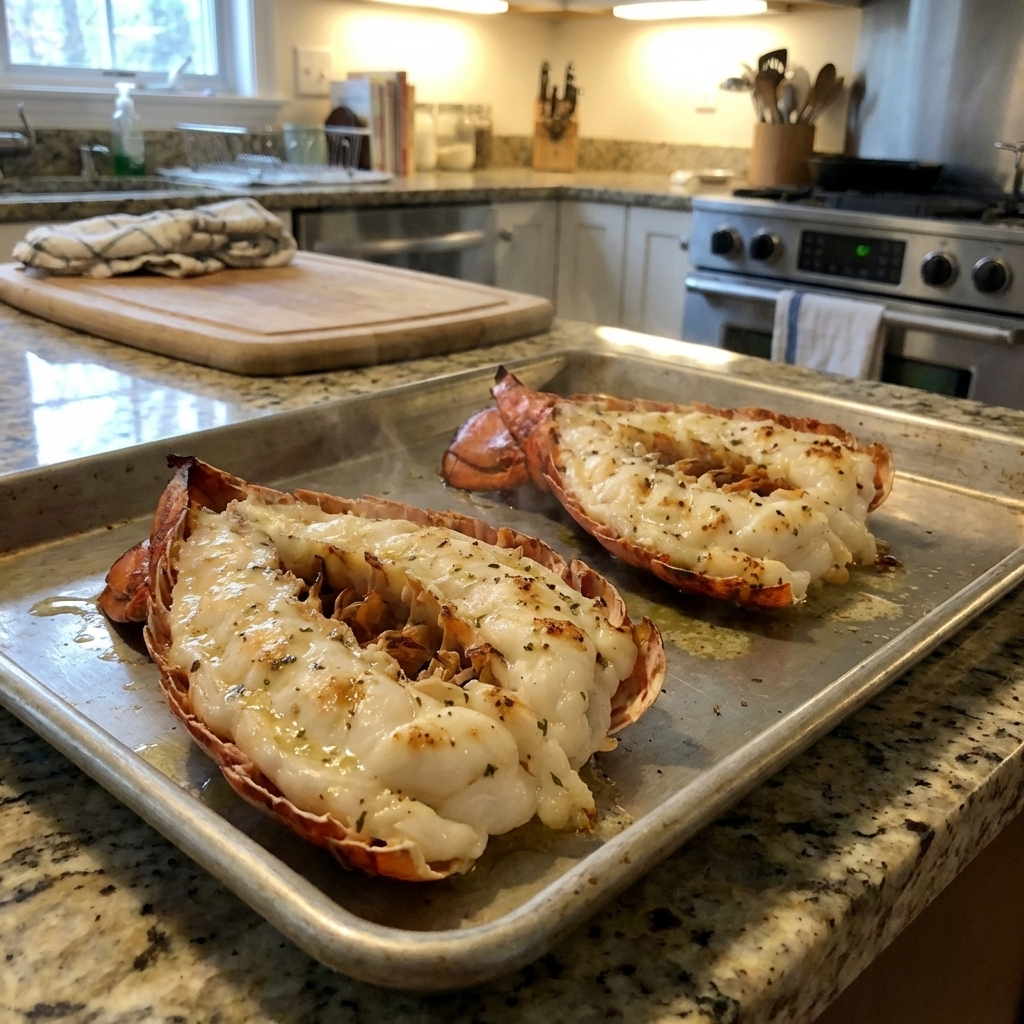
A real photograph of two split lobster tails on a sheet pan just after broiling, meat lightly opaque with browned edges, kitchen counter in the background

Why It Works

Pairs Well With

Storage Tips

Lobster Thermidor is best right out of the oven, but leftovers can still be very good if you reheat gently.

Refrigerate

  • Cool leftovers quickly, then store in an airtight container for up to 2 days.
  • If it is in shells, you can store the filled shells in a container with a lid or wrap tightly.

Reheat (best method)

  • Heat oven to 300°F.
  • Place Thermidor in a small baking dish, cover loosely with foil, and warm 10 to 15 minutes until just heated through.
  • If you want the top re-crisped, remove foil for the last 2 minutes.

Freezing

I do not recommend freezing. Cream sauce and cheese can split and the lobster turns grainy. If you need to prep ahead, make the sauce base and broil the lobster earlier in the day instead.

Common Questions

Can I use lobster tails instead of whole lobsters?

Yes, and it is the easiest home route. This recipe is written for tails. You still get the classic vibe, especially if you return the filling to the shells.

Do the lobster tails need to be thawed?

Yes. If using frozen tails, thaw overnight in the fridge. In a hurry, seal them in a zip-top bag and submerge in cold water for about 30 to 45 minutes, changing the water once or twice. Pat very dry before broiling.

Should I remove the vein?

If you see a dark line (the digestive tract) when you split the tail, pull it out with the tip of a knife or a paper towel. Not every tail has a noticeable one, but it is worth checking.

How do I know when the lobster is done broiling?

Go by look first: the meat should be mostly opaque with just a slightly translucent center. For most 6 to 8 ounce tails, that is usually 6 to 9 minutes under a broiler set to high, depending on distance from the heat and tail thickness. Remember it cooks again in the oven. If using a thermometer, you can pull at 135°F to 140°F because it will finish cooking in the sauce and oven. Aim for a final temp of about 145°F.

My cream sauce looks thin. Did I mess it up?

Probably not. It thickens as it simmers and again as the cheese melts in. Make sure you reduce the wine and brandy well first, and let the cream simmer 2 to 4 minutes before adding cheese. Before you add the lobster, the sauce should lightly coat the back of a spoon.

How do I keep the sauce from breaking?

  • Do not boil after adding cream.
  • Remove from heat when you add Gruyère, then stir until smooth.
  • Use freshly grated cheese if you can. Pre-shredded has anti-caking agents that can make sauces grainy.

What can I use instead of brandy?

Dry sherry or cognac works great. For no alcohol, swap the brandy for more stock plus 1 teaspoon lemon juice for a little brightness. The flavor will be different but still delicious.

Do I have to use tarragon?

Tarragon is classic with Thermidor, but not mandatory. Parsley or chives are great. If you want a similar vibe, use a tiny pinch of dried tarragon, but go easy because it can get loud fast.

The first time I made Lobster Thermidor at home, I treated it like a high-wire act and overthought every second. Then I realized the secret is the same as most “fancy” cooking: do one thing at a time, taste everything, and stop cooking the lobster before your anxiety tells you it is done. Now it is my go-to when I want something that feels like a celebration, even if it is just a random Tuesday and I am wearing sweatpants.