Mom's Best Recipes
Recipe

Classic London Broil Recipe

A classic London broil that eats tender and juicy with a bright, garlicky marinade, a hot sear, and a quick oven finish. Slice it thin and you have steakhouse vibes on a weeknight.

Author By Matt Campbell
4.8

London broil is one of those old-school recipes that feels like it should be complicated, but it is basically just marinate, sear, finish, slice. The whole trick is treating a budget-friendly cut like it is a VIP: give it time in a punchy marinade, cook it hot for a proper crust, then slice it thin against the grain so every bite stays tender.

When I say this eats “light,” I am not claiming steak turns into a cloud. I mean it feels tender and buttery instead of heavy or chew-forward. The marinade brings brightness, the quick cook keeps it juicy, and the thin slices make it insanely easy to eat. Toss those slices over a salad, tuck them into a warm roll, or serve them with cozy carbs and a crisp green side. It plays nice with everything.
Why It Works

  • Tender results from smart slicing: thin cuts against the grain shorten muscle fibers so the steak eats softer.
  • Big flavor without fancy ingredients: soy sauce, garlic, a little sweetness, and acid do the heavy lifting.
  • Fast cook, juicy center: a hard sear plus a quick oven finish gives you browned edges and a rosy middle.
  • A built-in sauce: we reduce the leftover marinade (safely) into a glossy drizzle that makes the whole plate taste intentional.

Pairs Well With

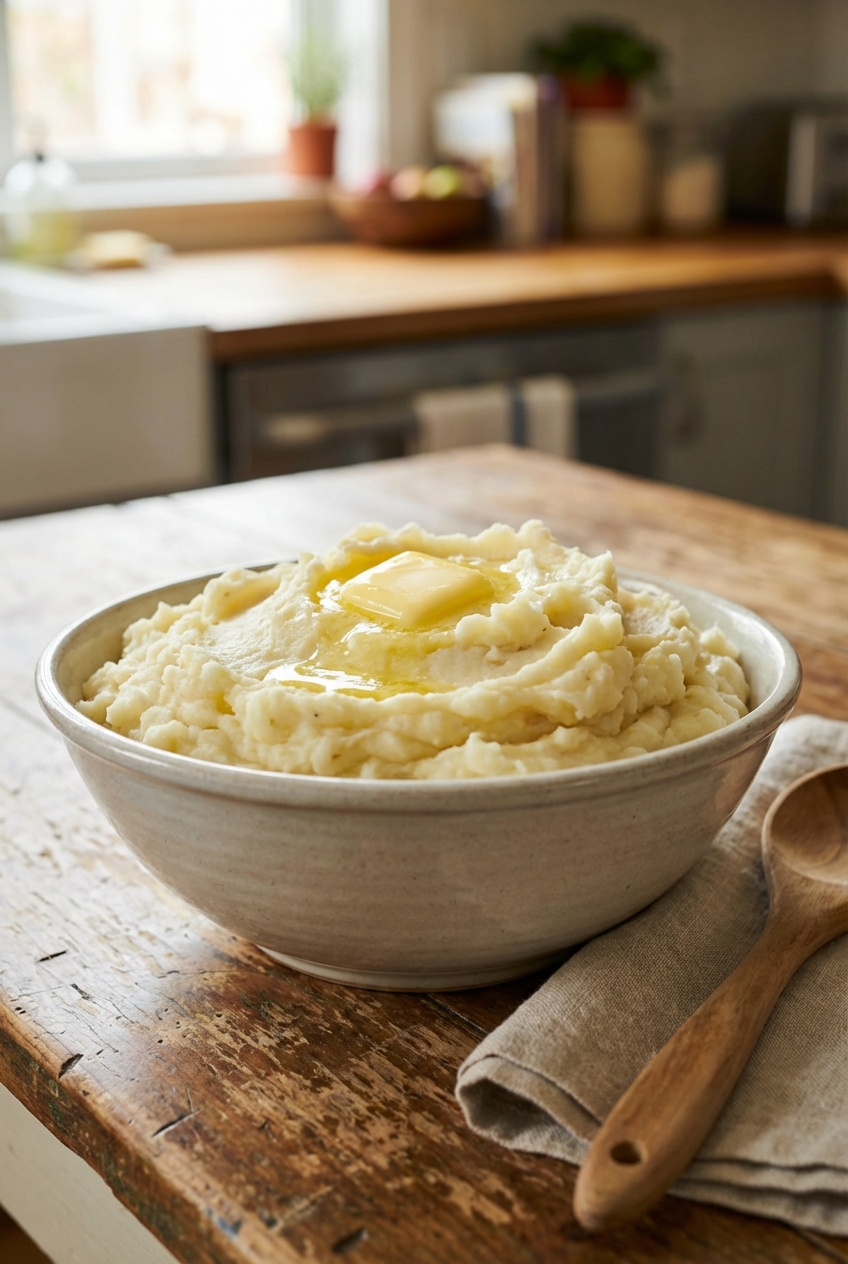
  • Creamy Mashed Potatoes

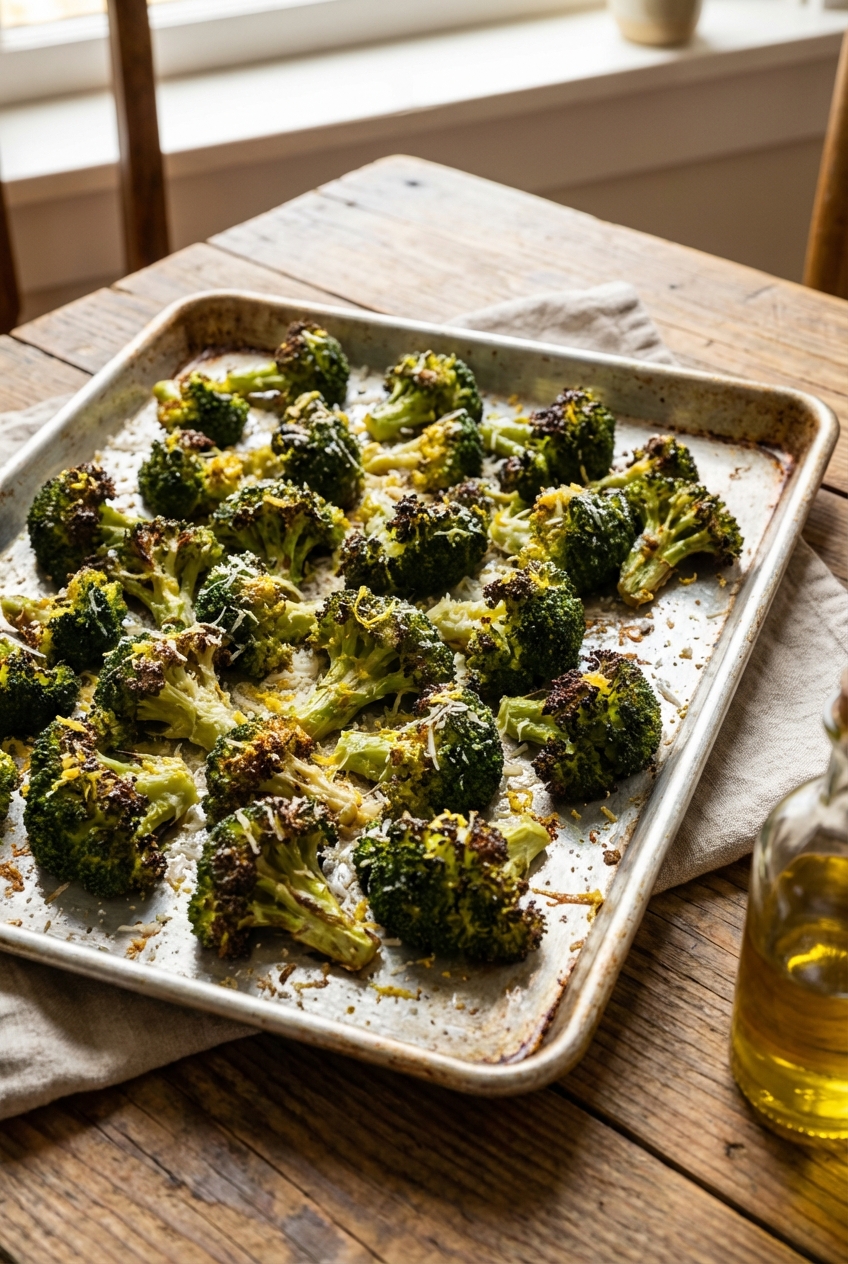
  • Crispy Roasted Broccoli

  • Quick Caesar Salad

  • Buttered Egg Noodles

Storage Tips

Keep It Juicy

Fridge: Store sliced steak in an airtight container for up to 4 days. If you have any sauce, spoon a little over the slices before chilling. It helps prevent that dry, sad leftover steak vibe.

Freezer: Freeze tightly wrapped portions for up to 2 months. Thaw overnight in the fridge.

Reheat: For best texture, warm gently. Think low heat in a covered skillet with a splash of broth or water, or a quick dip in warm au jus. Microwave works, but do 50 percent power in short bursts so it does not seize up.

Leftover ideas: Steak salad, steak and egg breakfast, quick stir fry, or a toasted sandwich with horseradish mayo.

Common Questions

What cut of meat is London broil?

“London broil” is often a method more than a specific cut. In many grocery stores it is sold as top round. This recipe also works great with flank steak or top sirloin. The key is high heat to build a crust, then pulling it at the right temperature and slicing thin against the grain.

Why is my London broil tough?

The usual culprits are: not enough marinating time, overcooking, or slicing with the grain. Let it rest 10 minutes, then slice thin across the grain at a slight angle.

How long should I marinate London broil?

Minimum 2 hours, ideal 8 to 12 hours. If you are using a very salty marinade, do not push past 24 hours or it can start to cure the surface and change the texture.

What internal temperature should I aim for?

For the most tender bite, pull at 125 to 130 F for medium-rare. After a 10 minute rest, the final temp often lands around 130 to 135 F, depending on thickness. If you prefer medium, aim to pull at 135 to 140 F.

Can I broil it instead?

Yes. If you want broiler char, you can broil from raw, flipping once, until it reaches your target temperature. For this recipe as written (sear plus finish), the oven at 400 F is the safest way to avoid burning the sugary, garlicky marinade.

I started making London broil when I was in my “feed-a-crowd-on-a-budget” era, which is basically every era if we are being honest. It was the first steak dinner I could pull off that felt restaurant-ish without needing a fancy cut. The moment it clicked for me was realizing the whole thing is won or lost in two places: the marinade and the slicing. Once I stopped carving thick chunks and started shaving thin slices against the grain, it went from chewy to dangerously snackable. Now I make it when I want a big payoff dinner that still leaves room for messy, fun cooking.