Mom's Best Recipes
Recipe

Classic Meatloaf Recipe

Tender slices, crisp edges, and a sticky-sweet glaze. This classic meatloaf stays moist thanks to a simple panade and smart mixing, not mystery ingredients.

Author By Matt Campbell
4.8
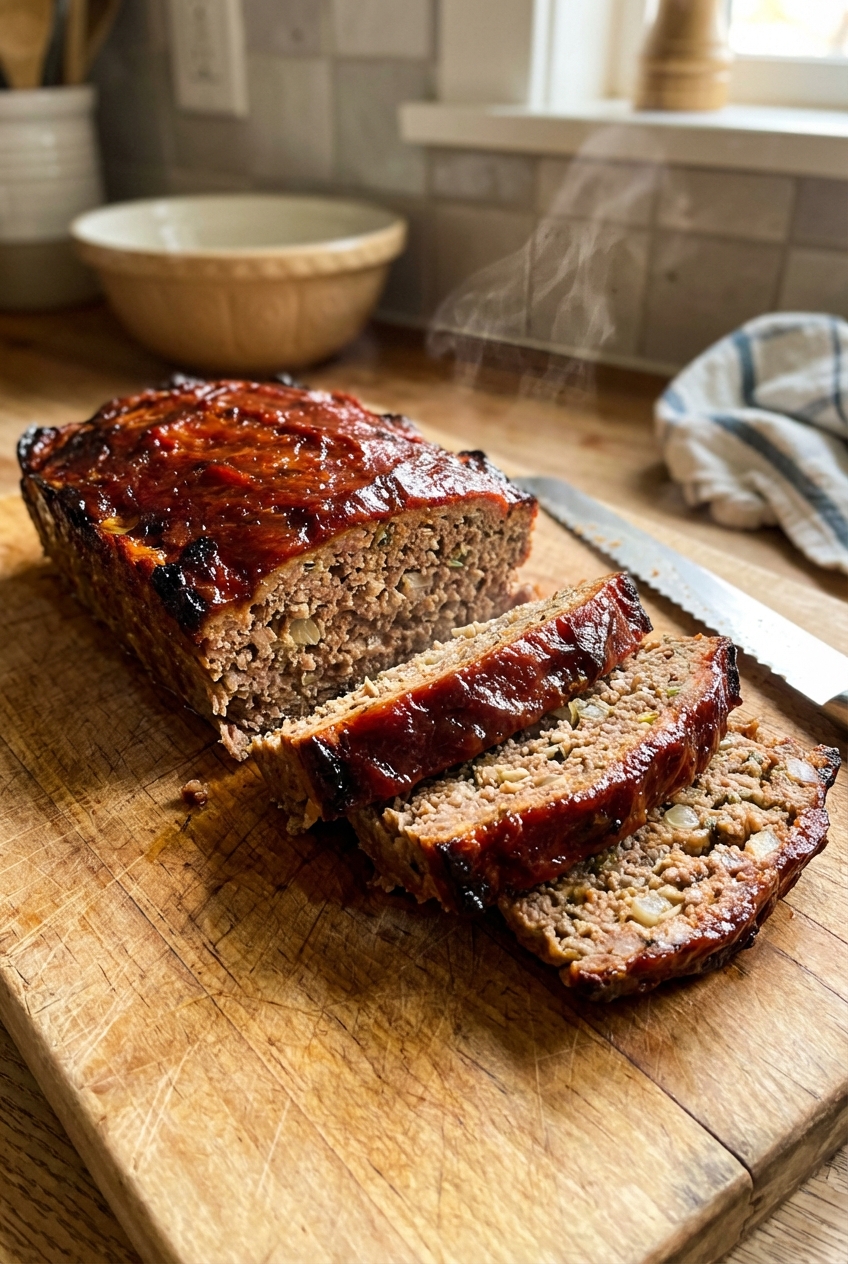
A real photograph of a glazed classic meatloaf sliced on a cutting board with a few slices fanned out, showing a moist interior and caramelized edges

Meatloaf gets a bad rap because we have all had the dry, crumbly version that tastes like it spent a little too long in the oven. This one is the opposite. It is juicy, tender, and nicely seasoned, with that glossy ketchup-brown sugar glaze that turns sticky at the edges in the best way.

My goal here is simple: use everyday ingredients, keep the steps clear, and build in the little tricks that make meatloaf feel like a win, not a gamble. We are doing three things that matter most: a quick panade (bread plus milk), gentle mixing, and a shape that cooks evenly.

If you want the kind of meatloaf that makes a next day sandwich taste like a reward, you are in the right kitchen.
Why It Works

  • The panade keeps it moist: Breadcrumbs soaked in milk help hold onto moisture and fat as the meat cooks, giving you a tender slice instead of a tight, bouncy brick.
  • Gentle mixing prevents toughness: Overworking ground meat makes proteins bind up and squeeze out juices. We mix just until it holds together.
  • Free-form loaf equals better texture: Baking on a sheet pan lets hot air circulate so the edges brown and the glaze caramelizes, instead of steaming.
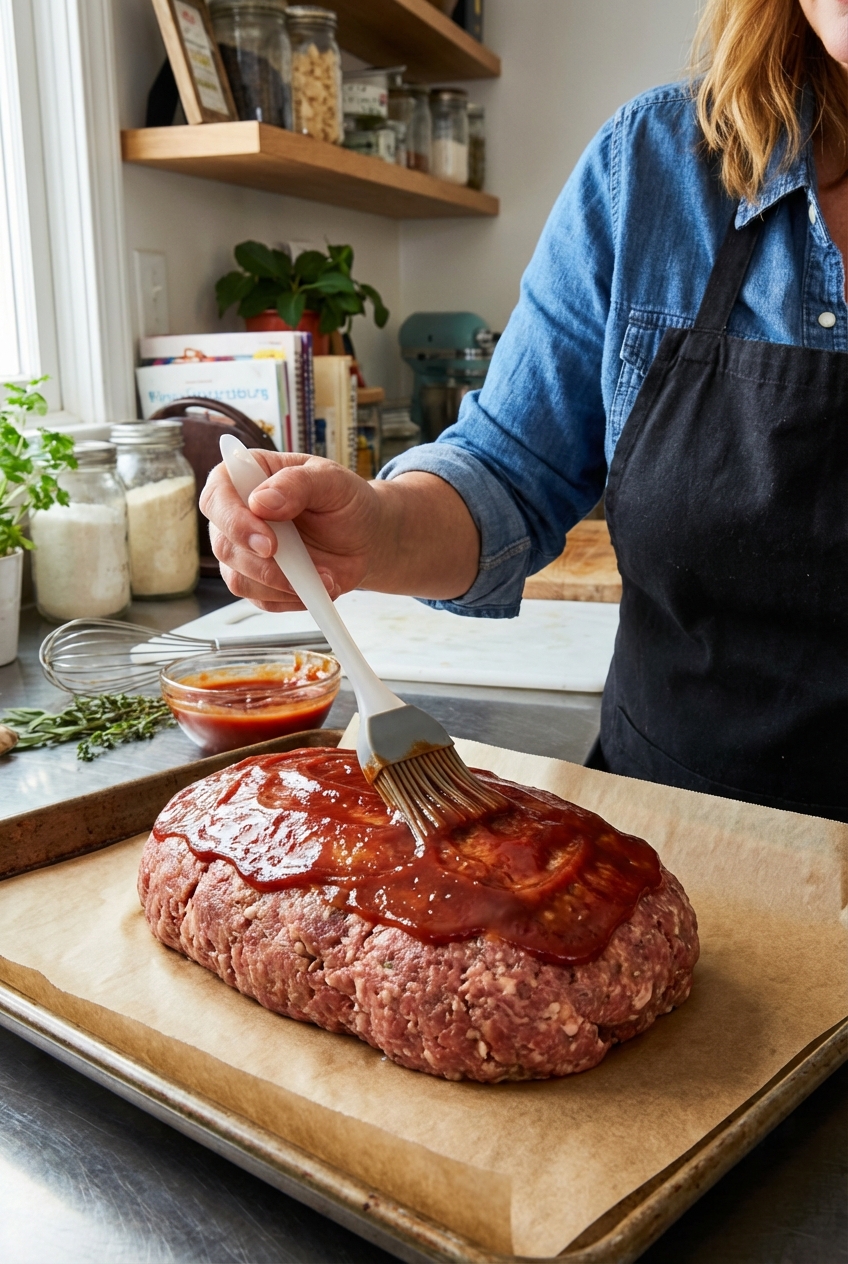
  • Two-stage glazing: A first coat bakes in. A final coat near the end stays glossy and punchy.

A real photograph of a hand brushing a ketchup glaze over an unbaked meatloaf on a parchment-lined sheet pan

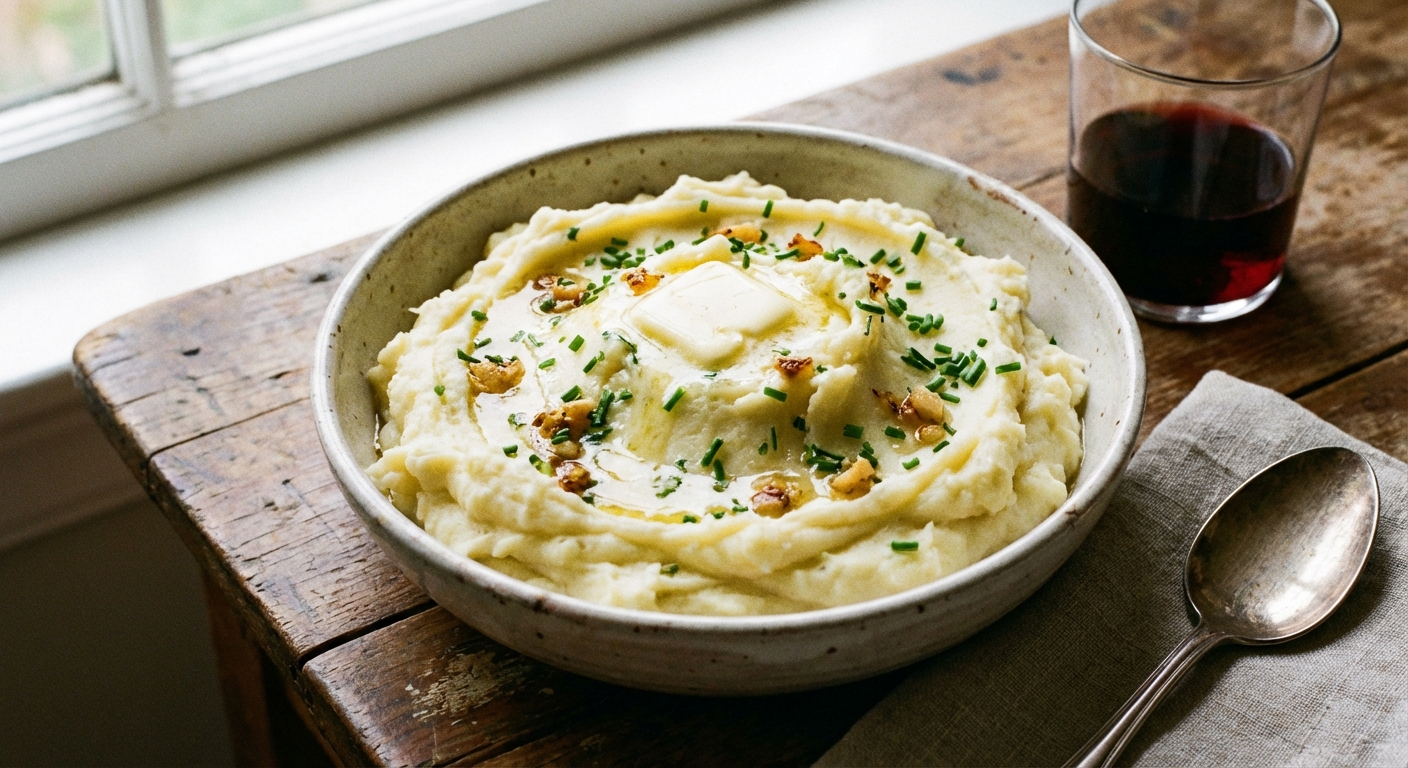
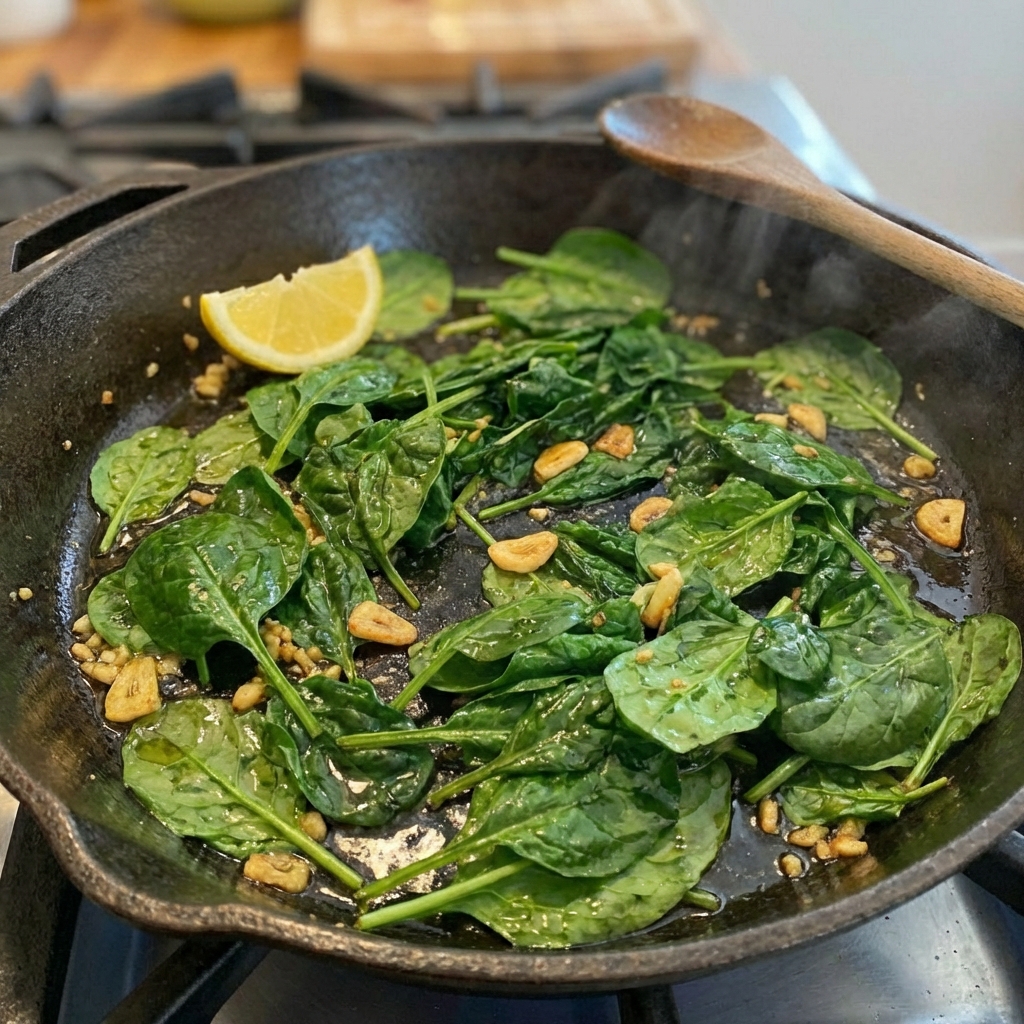
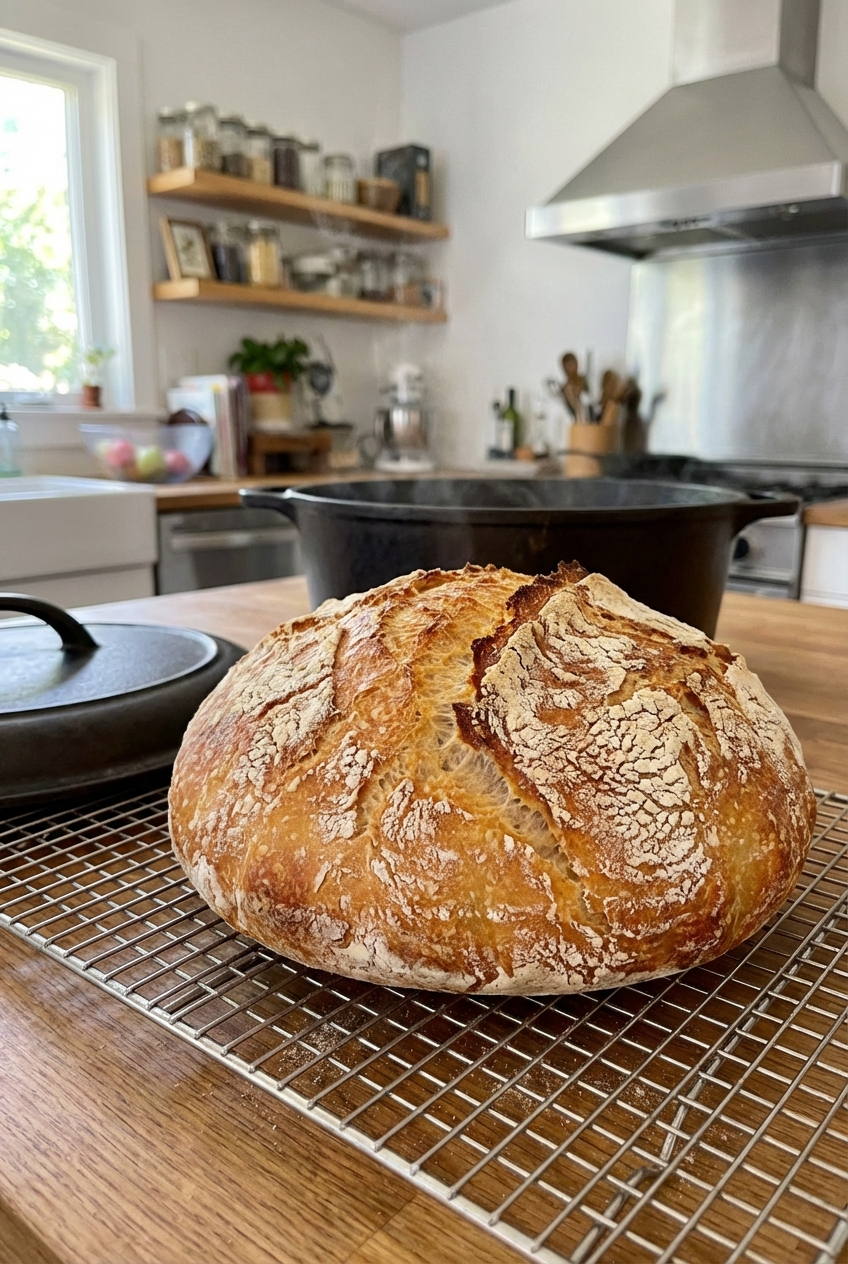
Pairs Well With

Storage Tips

How to Store Leftover Meatloaf

  • Refrigerator: Cool completely, then store slices in an airtight container for 3 to 4 days. Slicing first makes reheating faster and helps keep it from drying out.
  • Freezer: Wrap individual slices tightly in plastic wrap, then place in a freezer bag. Freeze up to 3 months. Thaw overnight in the fridge.
  • Best reheating: Warm slices in a skillet with a tiny splash of water and a lid, or in the oven at 325°F until hot. Microwave works, but do it in short bursts and cover the slice so it does not dry out.
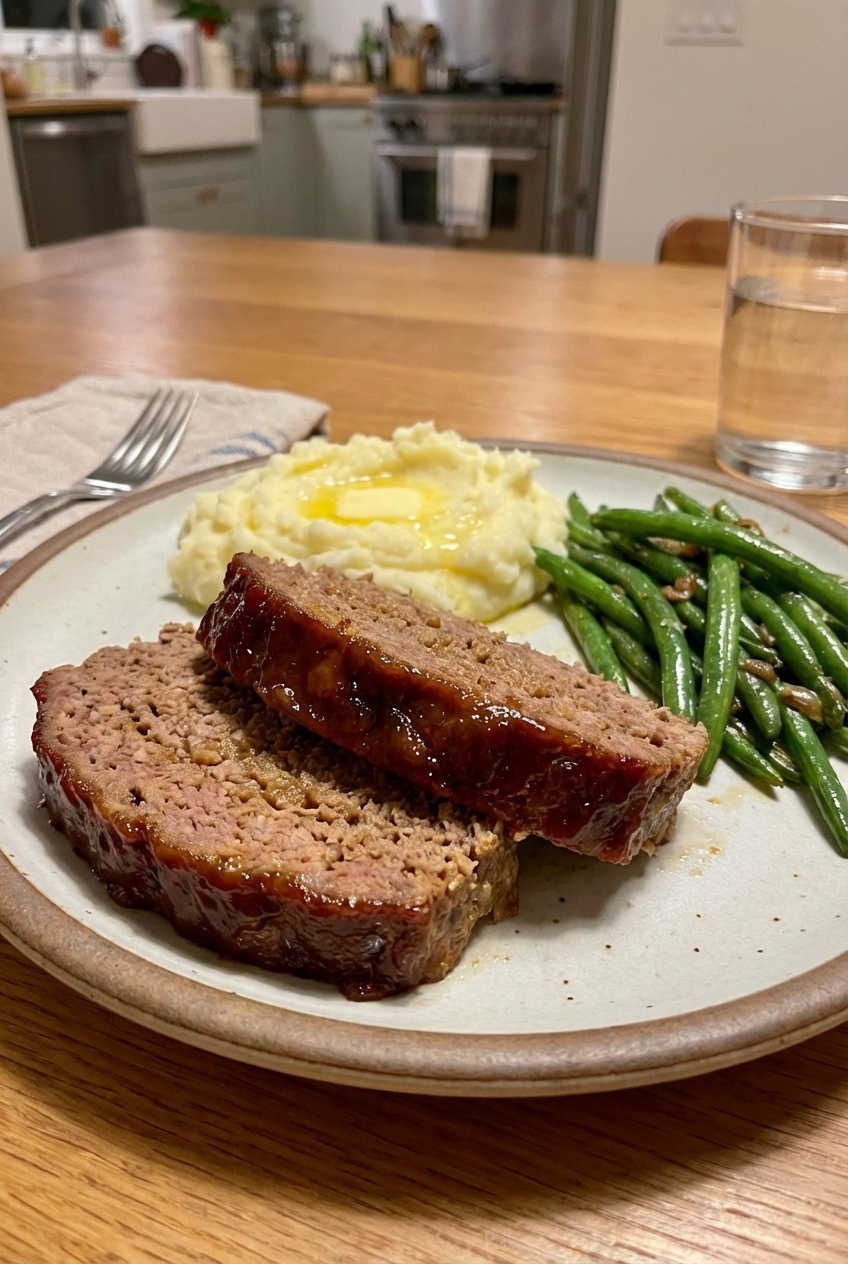
  • Leftover glow-up: Toasted bread, mayo, meatloaf slice, pickle, and a little extra glaze or mustard. It is elite.

Common Questions

FAQ

What keeps meatloaf from falling apart?

You need a binder and the right amount of moisture. Eggs help bind, and the panade (breadcrumbs plus milk) helps the mixture hold together while staying tender. Also, let it rest 10 to 15 minutes before slicing so the juices settle and the loaf firms up.

Should I bake meatloaf in a loaf pan or on a sheet pan?

For the juiciest interior and better browning, I prefer a free-form loaf on a sheet pan. A loaf pan can trap grease and steam, which often means softer edges and less caramelization. If you love a loaf pan, you can still get great results, especially if you drain carefully and avoid letting it sit in the rendered fat.

How do I know when meatloaf is done?

Use an instant-read thermometer. Pull it when the center hits 160°F. If you are using ground turkey or chicken, aim for 165°F.

Can I make it ahead?

Yes. Shape the loaf and store it covered in the fridge for up to 24 hours. Keep the glaze separate, then brush on right before baking. You can also bake it fully, cool, refrigerate, and reheat slices as needed.

What is the secret to juicy meatloaf?

Three things: panade, do not overmix, and do not overbake. The panade helps hold onto moisture and fat and keeps the texture tender by preventing the meat proteins from tightening up too much. The thermometer is your best friend here.

Meatloaf is one of those dishes that taught me a very adult cooking lesson: comfort food still deserves technique. The first one I ever made on my own was fine, technically edible, but the texture was not exactly what I was going for. Once I learned the panade trick and stopped treating the meat like bread dough, everything changed. Now it is my go-to when I want a cozy dinner that feeds a crew and sets me up for excellent leftovers. Also, I will never stop chasing those crisp, caramelized edges. They are the best part and I will argue about it politely at the table.