Mom's Best Recipes
Recipe

Classic Meatloaf

Juicy, tender meatloaf with a tangy-sweet glaze and crisp edges, made with simple pantry ingredients.

Author By Matt Campbell
4.8
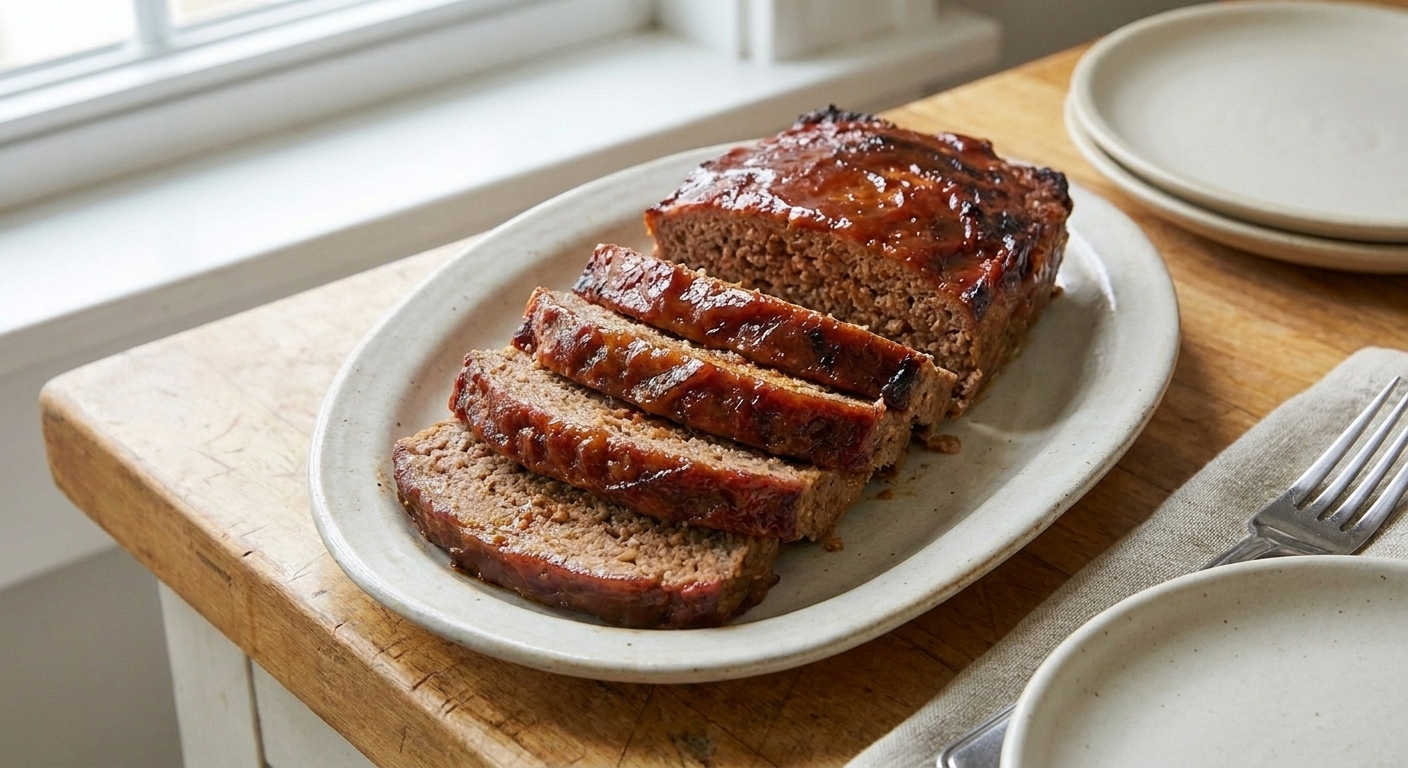
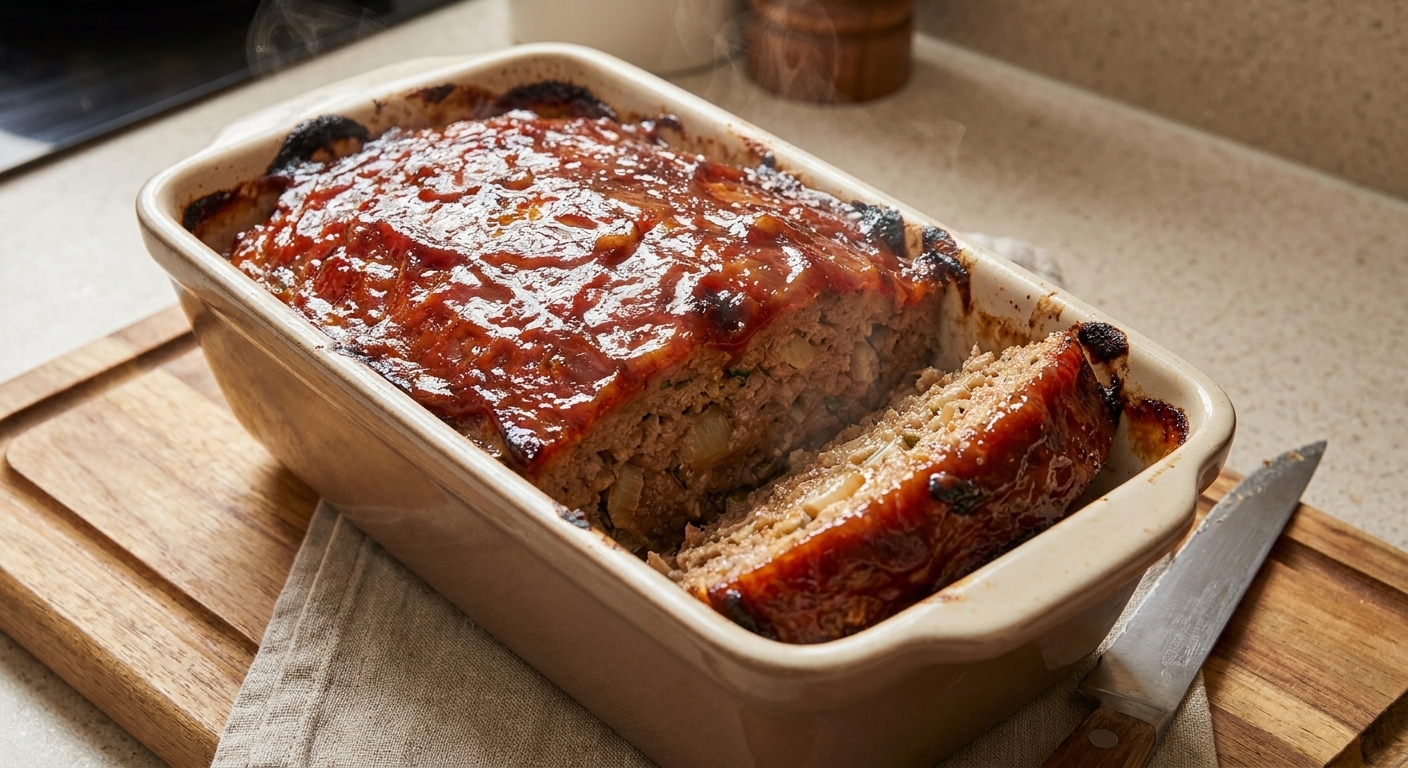
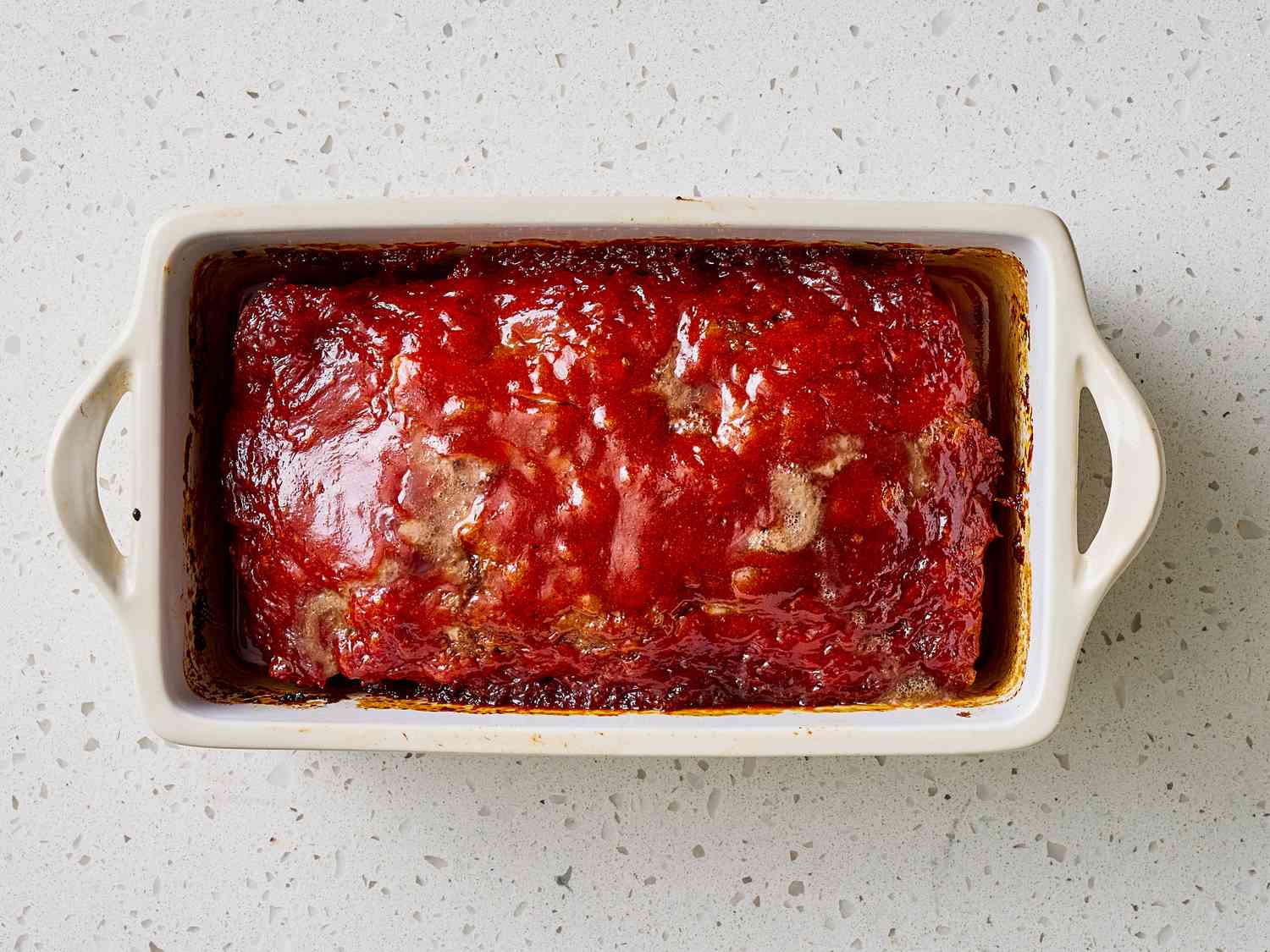
A freshly baked glazed meatloaf resting in a loaf pan with a shiny ketchup and brown sugar glaze, sliced to show a juicy interior
Jump to Recipe

Meatloaf gets a bad rap because we have all met the dry, gray brick version at least once. This is not that meatloaf. This one is juicy, tender, and actually seasoned, with a glaze that turns sticky and glossy in the oven and a few crisp edges that make the end slices worth fighting over.

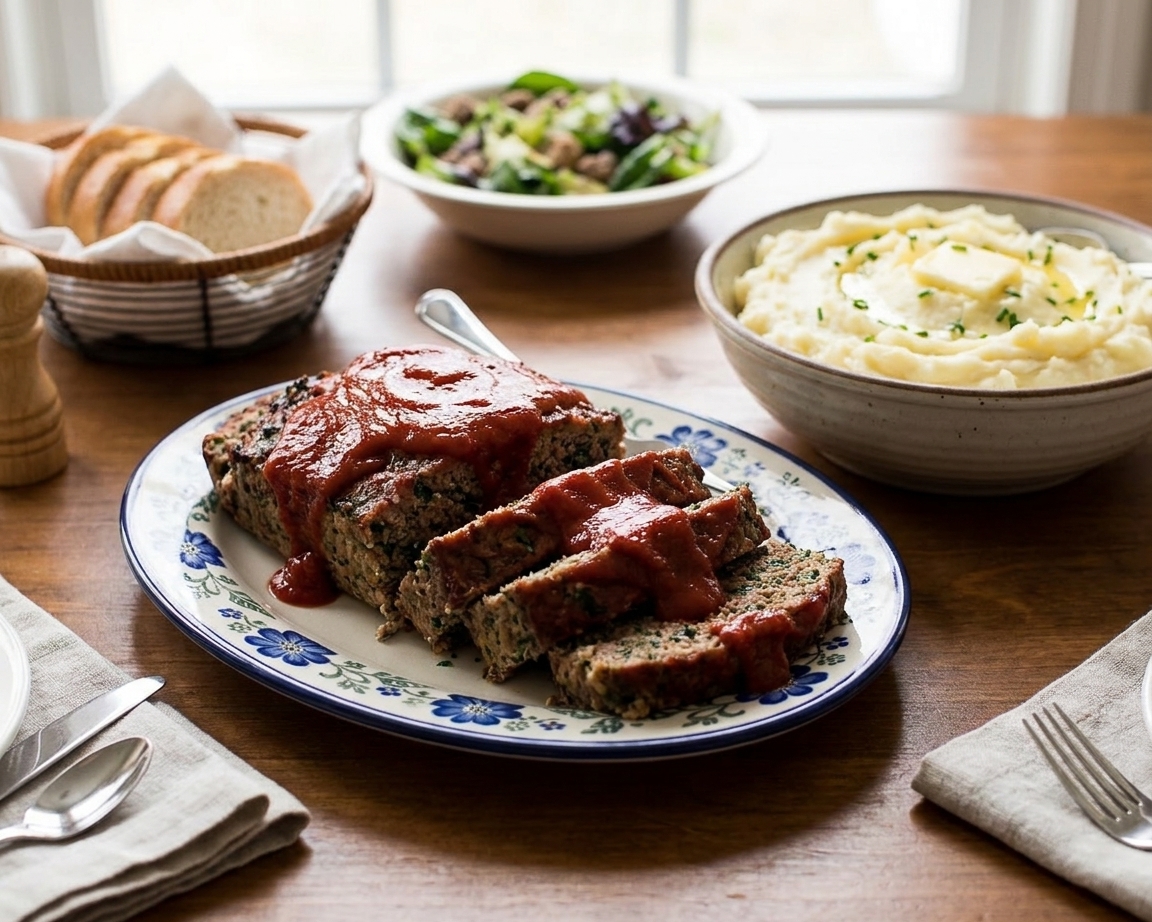
It’s also busy-life friendly. The ingredients are basic, the steps are clear, and you can prep it ahead so dinner feels like you planned your whole week on purpose. Serve it with mashed potatoes, rice, or whatever carb is currently keeping your household together.
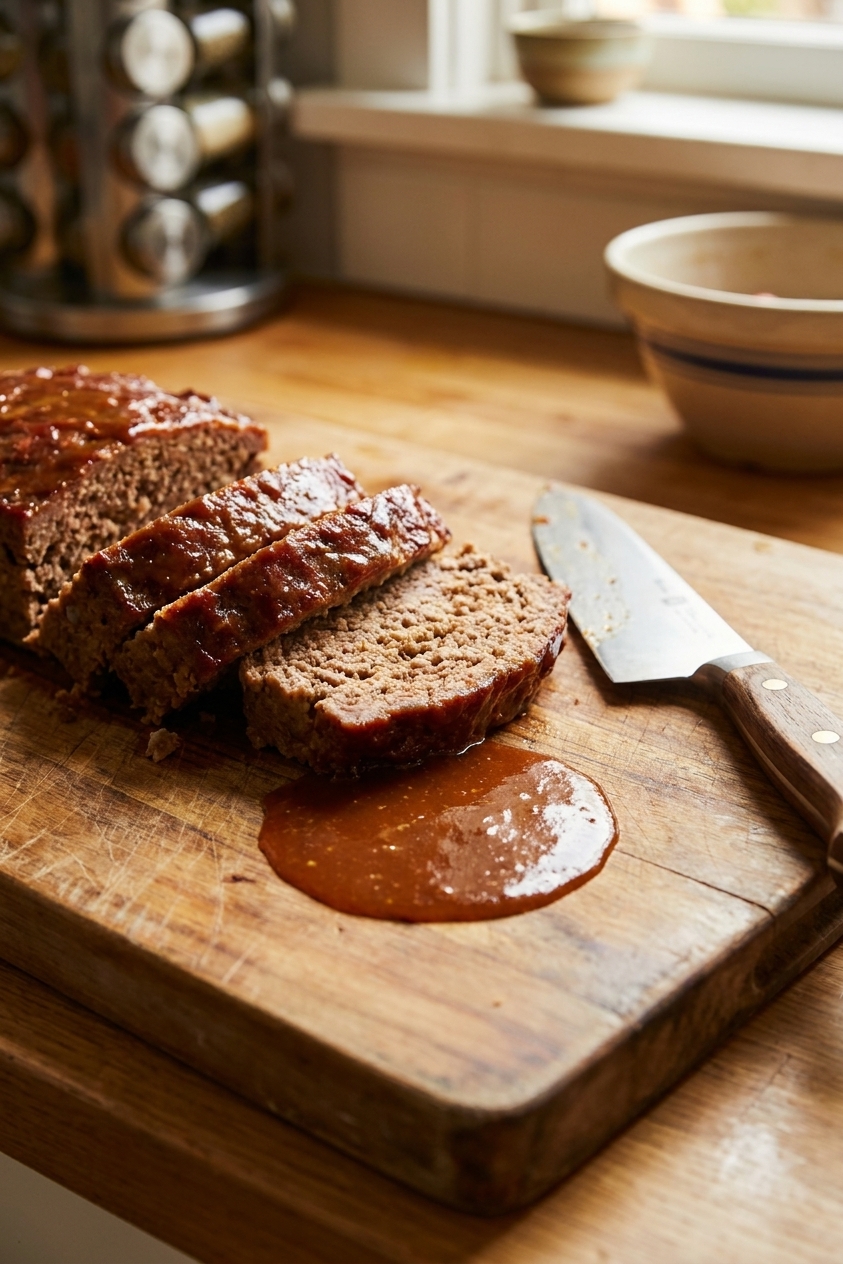
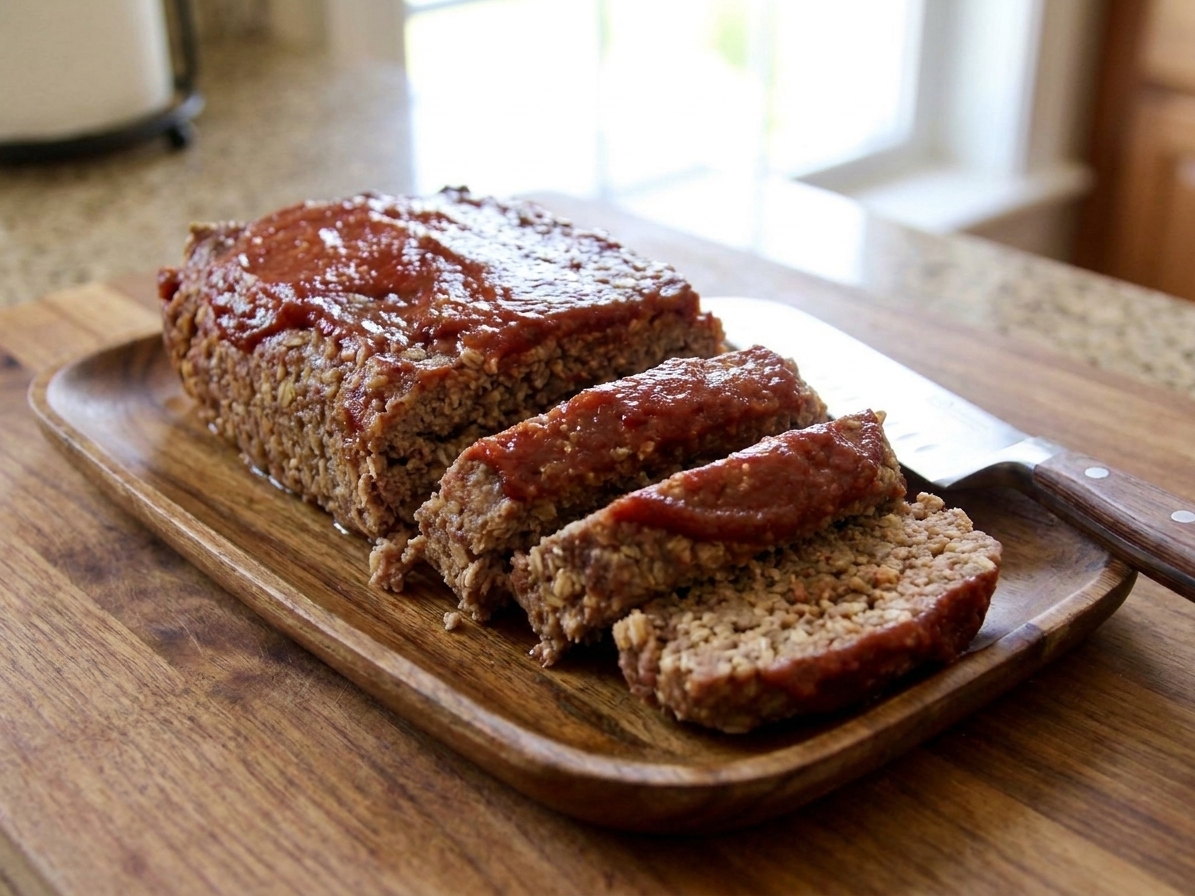
Thick slices of meatloaf on a wooden cutting board with a small pool of glaze and a knife nearby

Why It Works

  • Moist texture, not mushy: A mix of breadcrumbs, milk, and eggs keeps it tender while still sliceable.
  • Big flavor fast: Onion, garlic, Worcestershire, and a smart amount of salt do the heavy lifting.
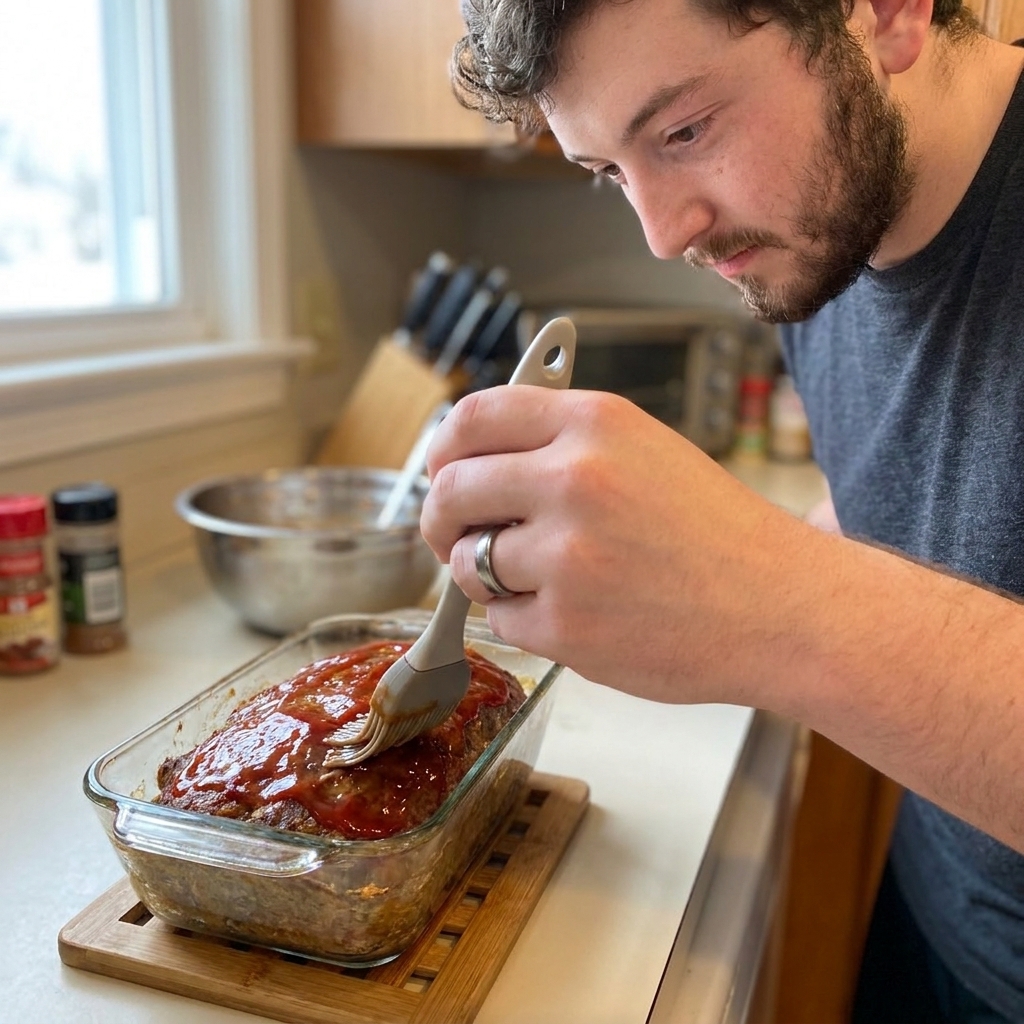
  • Glaze that actually matters: Sweet, tangy, and slightly smoky, baked on in two rounds so it clings instead of sliding off.
  • Better leftovers: It slices cleaner after resting and tastes even better the next day.

Pairs Well With

Storage Tips

How to Store Leftovers

  • Cool first: Let meatloaf cool at room temperature for about 30 minutes, then refrigerate. Do not leave it out for more than 2 hours total (or 1 hour if it’s over 90°F/32°C).
  • Refrigerate: Store slices in an airtight container for 3 to 4 days. Keep extra glaze on the side if you can, or spoon a little over each slice before storing.
  • Freeze: Wrap the whole loaf or individual slices tightly, then freeze up to 3 months. Slices are clutch for quick lunches.
  • Reheat: Warm slices in a covered skillet with a splash of water or broth, or microwave in short bursts. For best texture, reheat at 325°F in the oven until hot.

Leftover move: Meatloaf sandwich with mayo, mustard, pickles, and a quick pan toast on the bread. It is not fancy, it is perfect.

Common Questions

Common Questions

How do I keep meatloaf from falling apart?

You need a binder and a gentle hand. Eggs plus breadcrumbs moistened with milk hold everything together. Also, do not overmix, and let it rest 10 to 15 minutes before slicing so the juices settle.

Is it better to bake meatloaf in a loaf pan or on a sheet pan?

Both work. A loaf pan keeps it super moist but can steam the sides. Baking it free-form on a lined sheet pan gives you more crisp edges and better browning. This recipe uses a loaf pan for ease, with an option to go free-form.

What internal temperature should meatloaf be?

Cook until the center hits 160°F on an instant-read thermometer. Bake times can vary by pan and loaf thickness, so start checking around 50 minutes if yours is on the thinner side.

Can I use ground turkey instead of beef?

Yes. Use ground turkey (or a turkey and pork mix), and do not skip the milk and glaze. Turkey is leaner, so it benefits from the extra moisture. Pull it at 165°F.

Can I make it ahead?

Totally. Mix and shape the loaf, cover, and refrigerate up to 24 hours. Let it sit at room temp for 20 to 30 minutes before baking so it cooks evenly.

Do I have to cook the onion first?

No, but raw onion can stay a little crunchy. If that is not your vibe, either grate the onion (a quick fix) or sauté it 3 minutes in a teaspoon of oil until softened, then cool before mixing in.

Meatloaf is one of those dishes that feels like a hug, but only if you treat it like actual food and not cafeteria homework. The first time I made one that stayed juicy, I realized the secret was not a mystery ingredient. It was just respecting the basics: salt, a little moisture, and not manhandling the meat. Now it’s my go-to when I want dinner to feel cozy without needing a whole new personality to pull it off.