Common Questions
What is the best custard ratio for flan?
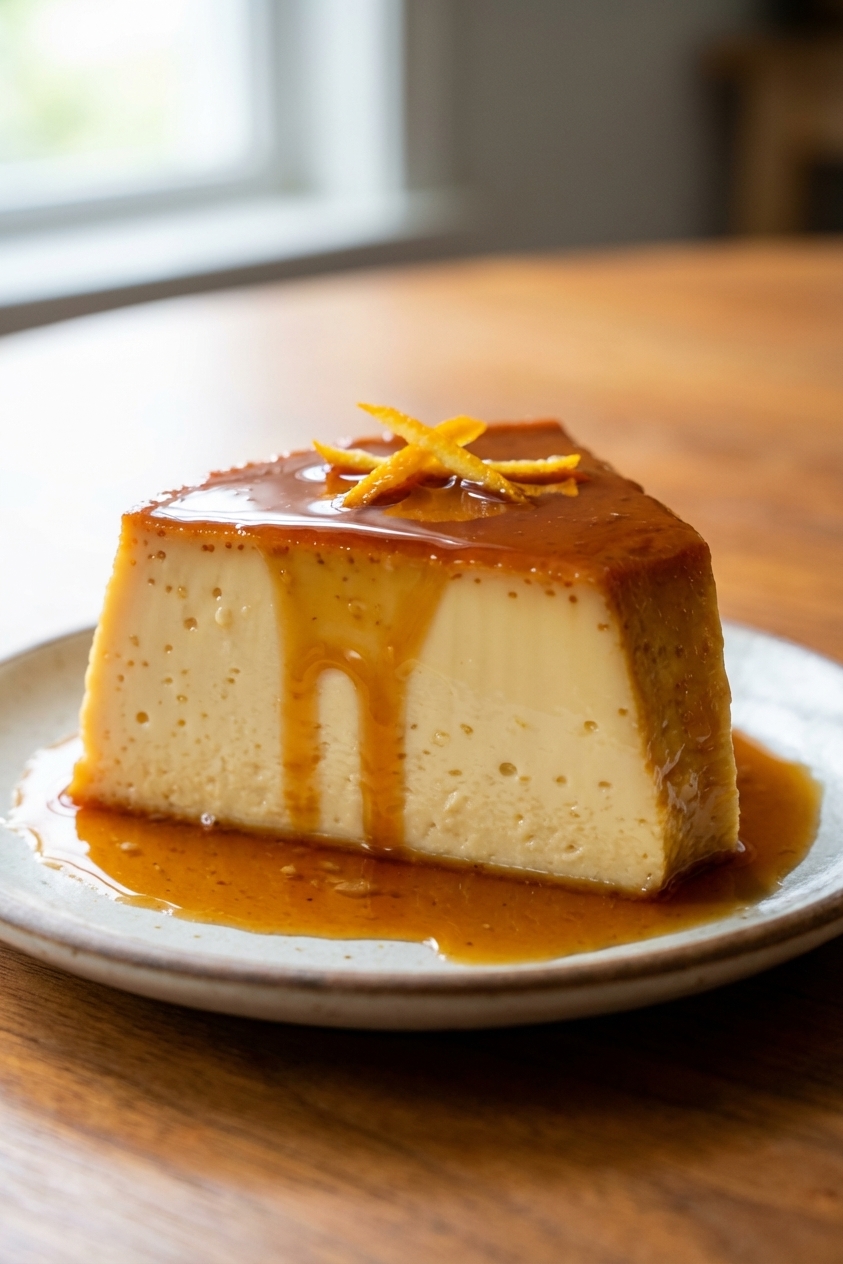
A reliable sweet spot is a mix of whole eggs for structure plus extra yolks for silk, with enough dairy to stay creamy. In this recipe: 4 whole eggs + 2 yolks with 1 (14-ounce) can sweetened condensed milk + 1 (12-ounce) can evaporated milk. It sets firmly enough to slice, but still melts in your mouth.
Why does my flan have bubbles or a spongy texture?
That is almost always from too much air (over-blending or whisking) or too high heat. Blend only until smooth, then let the mixture rest 5 minutes and skim foam. Bake in a water bath and pull it when the center still has a gentle jiggle.
How do I prevent curdling?
Curdling happens when the custard cooks too hot or too fast. Use hot water in the water bath, bake at 325°F, and do not let the flan bake until fully firm in the center. If you have a thermometer, aim for about 170°F to 175°F for a softer, silkier set, or up to 180°F for a slightly firmer slice, depending on your pan depth and preference.
My caramel hardened into a rock. Did I ruin it?
Nope. Caramel will harden in the pan and that is normal. In the oven and during chilling, it usually loosens into sauce. If it was cooked very dark or poured on extra thick, a little may cling to the pan. The fix is simple: warm the bottom of the pan briefly before unmolding so it releases cleanly.
How do I unmold flan without breaking it?
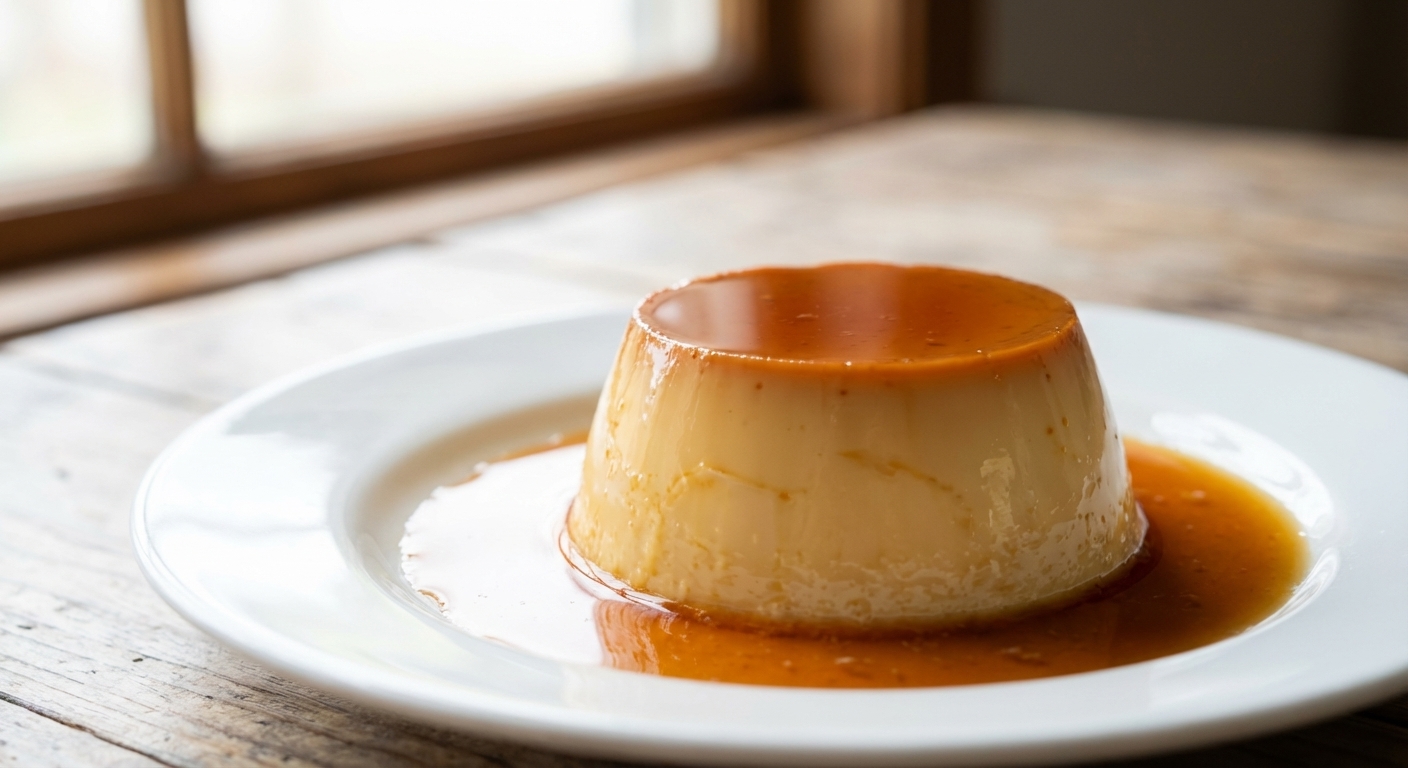
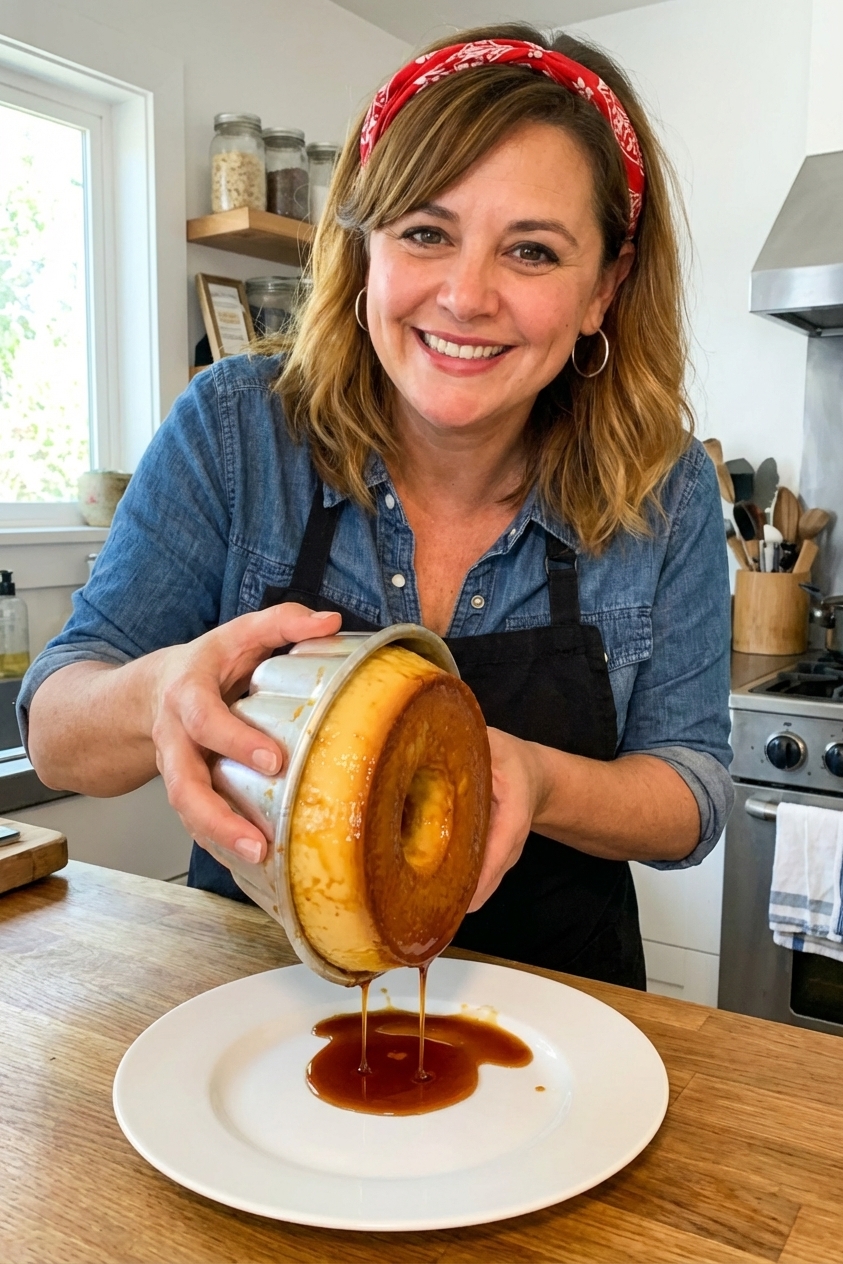
Warm the pan briefly to loosen the caramel, run a thin knife around the edge, then flip with confidence. Details are in the instructions, and yes, confidence is an ingredient here.
Can I make flan in ramekins instead of one pan?
Yes. Divide caramel and custard among 6 to 8 ramekins. Bake them in a water bath and start checking early, around 30 to 40 minutes, depending on size.
What garnish looks great for photos?
Keep it simple: berries (strawberries, raspberries, blackberries) or a small sprig of mint. A tiny pinch of flaky salt on the caramel is also a sneaky pro move.