Mom's Best Recipes
Recipe

Classic Minestrone Soup

A hearty Italian vegetable soup with pasta, white beans, zucchini, carrots, tomatoes, and fresh herbs. Cozy, flexible, and even better the next day.

Author By Matt Campbell
4.8
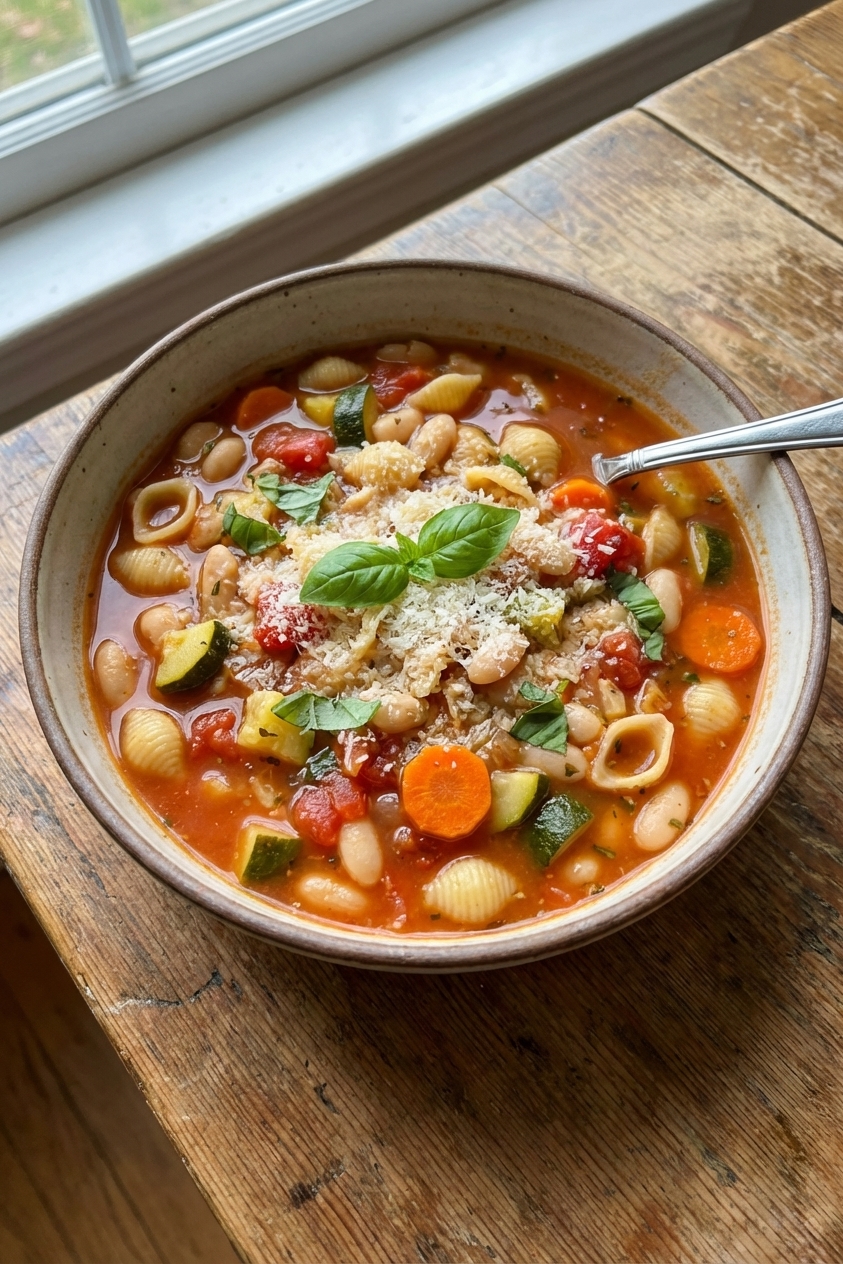
A bowl of classic minestrone soup with pasta, white beans, zucchini, carrots, and tomatoes, topped with grated Parmesan and fresh basil on a wooden table

Minestrone is the soup equivalent of a good playlist. Familiar, comforting, and somehow always exactly what you needed. It’s the kind of pot you can make on a Sunday and feel smug about on Tuesday when dinner is basically done. We’re talking tender vegetables, white beans that make it hearty, a tomato-y broth that tastes like it simmered all day (it didn’t), and pasta that turns every bowl into a full meal.

This version keeps ingredients easy to find and the steps low drama. It also leaves room for one of the best traditions: using what you have. Seasonal swaps aren’t a compromise here. They’re the point.
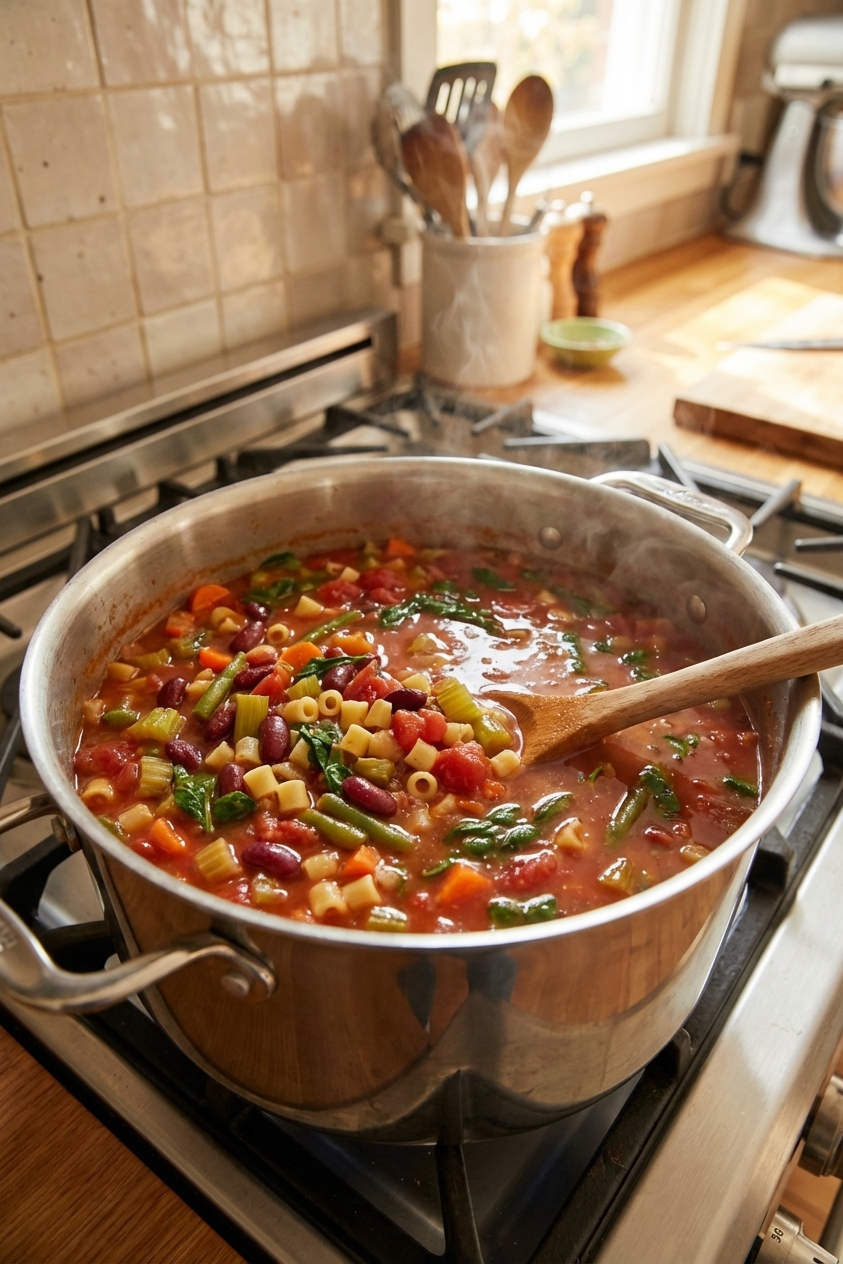

A pot of minestrone soup simmering on a stovetop with visible vegetables and small pasta

Why It Works

  • Hearty but not heavy: Beans plus pasta make it filling, while the vegetables keep it bright.
  • Big flavor fast: Tomato paste, garlic, and Italian herbs build a rich base without hours of simmering.
  • Flexible by design: Swap in seasonal vegetables and it still tastes like classic minestrone.
  • Make-ahead friendly: The broth gets better overnight. Cook pasta separately so leftovers stay perfect.

Pairs Well With

Storage Tips

How to Store Minestrone

  • Fridge: Store soup in an airtight container for up to 4 days, if cooled and refrigerated promptly.
  • Best move: If you can, store pasta separately and add it to each bowl when reheating. Pasta in the soup will keep absorbing broth and soften over time.
  • Reheat: Warm on the stovetop over medium-low to medium heat, stirring occasionally. Add a splash of broth or water if it thickened.
  • Freeze: Freeze the soup base (without pasta) for up to 3 months. Cool completely first. Thaw overnight in the fridge, reheat, then add freshly cooked pasta.

Common Questions

Common Questions

What makes minestrone “classic”?

Classic-style minestrone is a vegetable-forward Italian soup that usually includes a tomato-based broth, beans, and a small pasta. The vegetables change by region and season, which is why minestrone is both traditional and flexible.

Do I have to use zucchini?

Nope. Zucchini is common, but you can swap in green beans, diced potatoes, cauliflower florets, chopped spinach, or even butternut squash depending on what’s in season.

Can I make this vegetarian or vegan?

Yes. Use vegetable broth and skip the Parmesan rind. Finish with a squeeze of lemon and a drizzle of good olive oil for that “something extra” feeling. If you want a cheesy vibe, use a vegan Parmesan alternative.

Should I rinse canned beans?

For this soup, yes. Rinsing removes some sodium and washes away the canning liquid, which can taste a little starchy or tinny to some people. The soup will still be plenty hearty.

How do I keep the vegetables from turning to mush?

Add quick-cooking vegetables like zucchini and greens closer to the end. Also, keep the simmer gentle. Boiling is where veggies go to retire early.

Can I use different pasta?

Absolutely. Ditalini is a common “classic” choice, but small shells, elbow macaroni, or orzo work great. If you’re gluten-free, use a small gluten-free pasta and cook it separately for the best texture.

I love minestrone because it feels like teamwork in a pot. Everyone shows up. Carrots bring sweetness, tomatoes bring backbone, beans do the heavy lifting, and zucchini is the friend who’s chill but still makes the party better. The first time I made it “right,” I threw in a Parmesan rind and suddenly the whole thing tasted like I knew someone’s Italian grandma. Now it’s my go-to soup when the fridge is a little chaotic and I still want dinner to feel intentional.