Mom's Best Recipes
Recipe

Classic Mornay Sauce

A smooth béchamel upgraded with melty Gruyere and Parmesan for a rich, spoon-coating cheese sauce.

Author By Matt Campbell
4.8
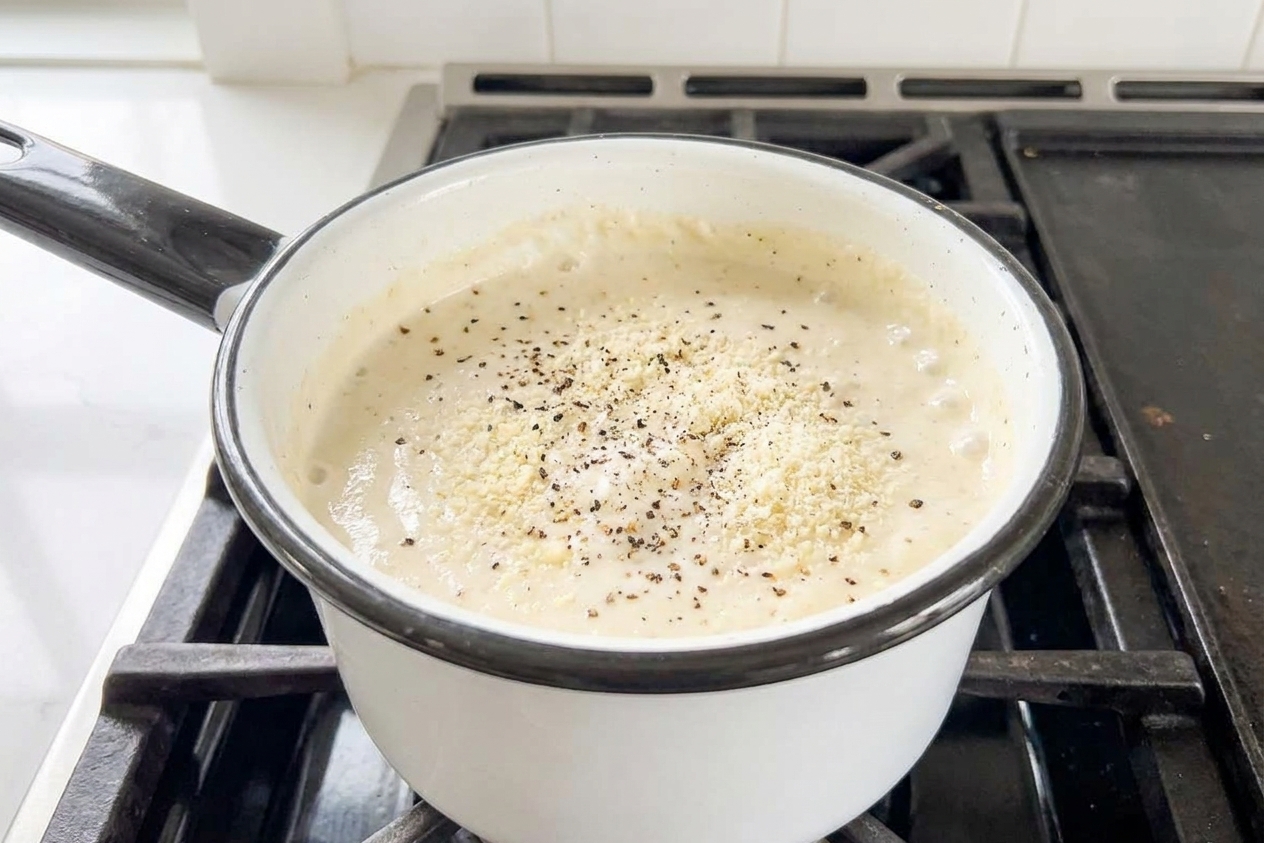
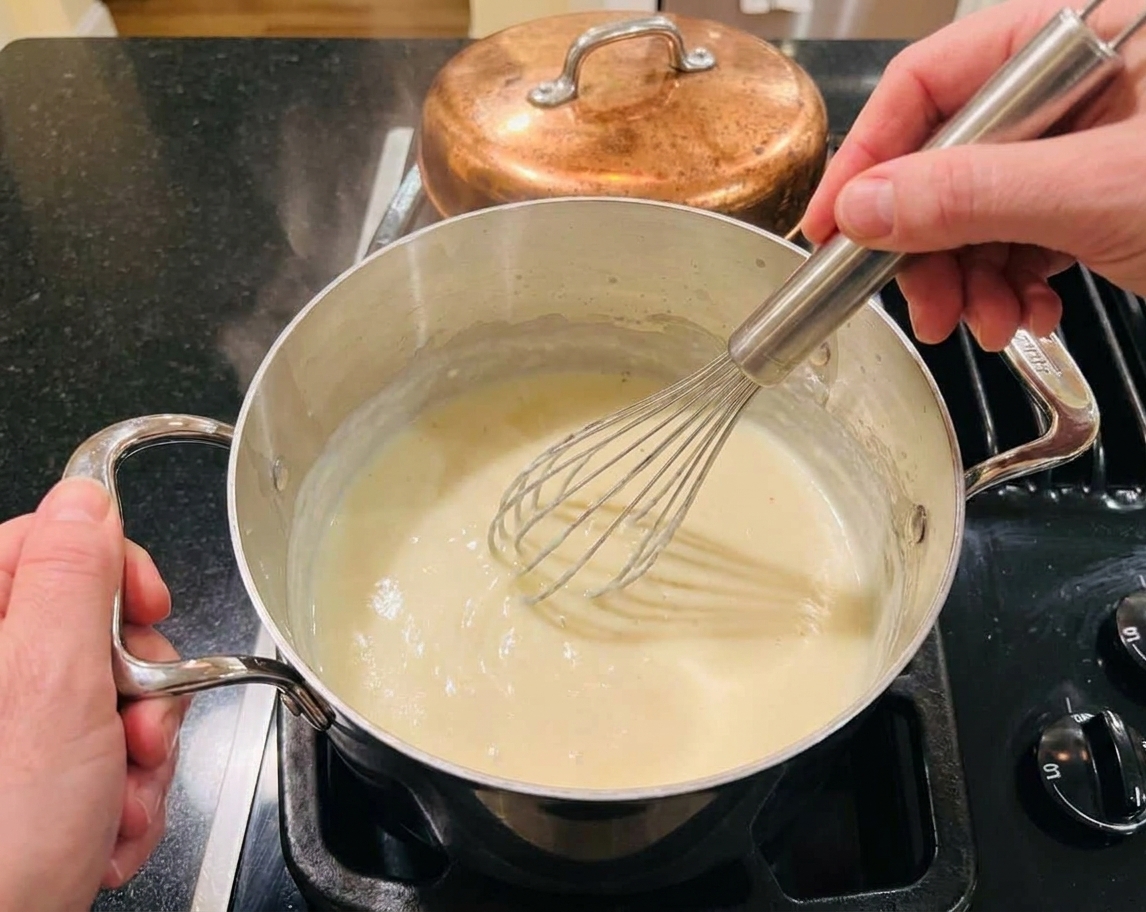
A small saucepan on a stove with creamy Mornay sauce being whisked until smooth, warm kitchen lighting

Mornay sauce is what happens when béchamel decides to be the main character. It is creamy, cheesy, and just fancy enough to make Tuesday night feel like you tried.

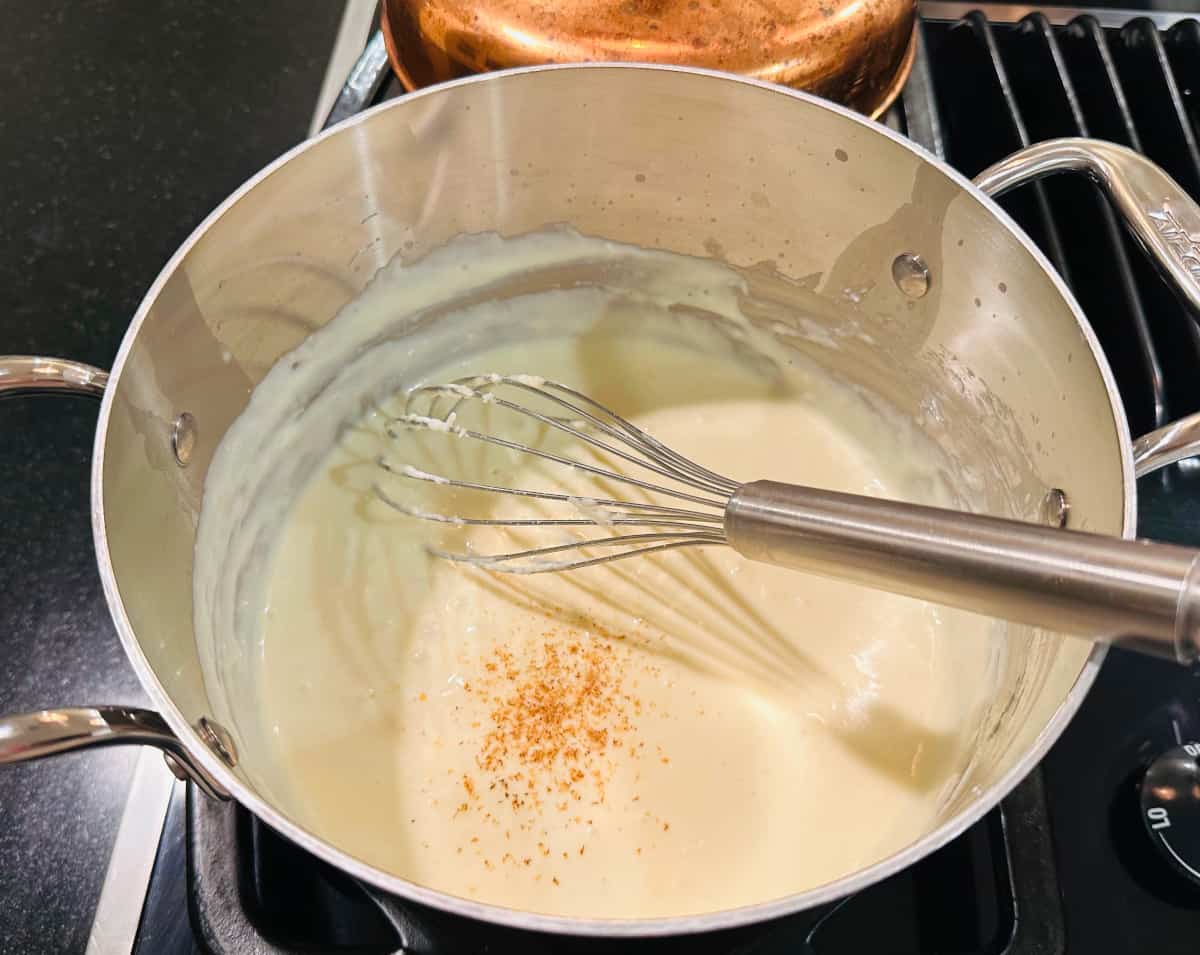
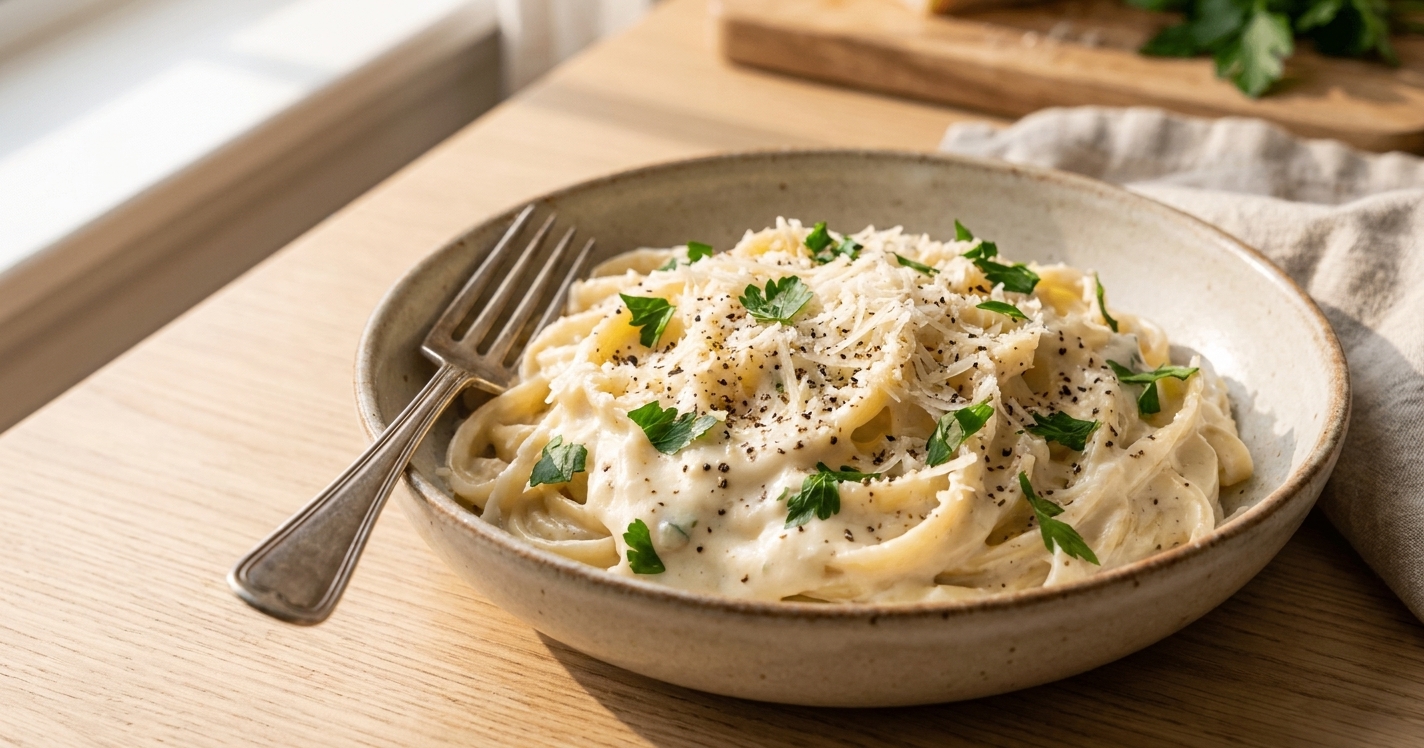
The best part is that it is not complicated. You build a quick roux, whisk in warm milk, and then stir in cheese off the heat so it melts silky instead of turning grainy. From there, you can pour it on pasta, roasted veggies, eggs, chicken, or anything that would appreciate a creamy blanket.

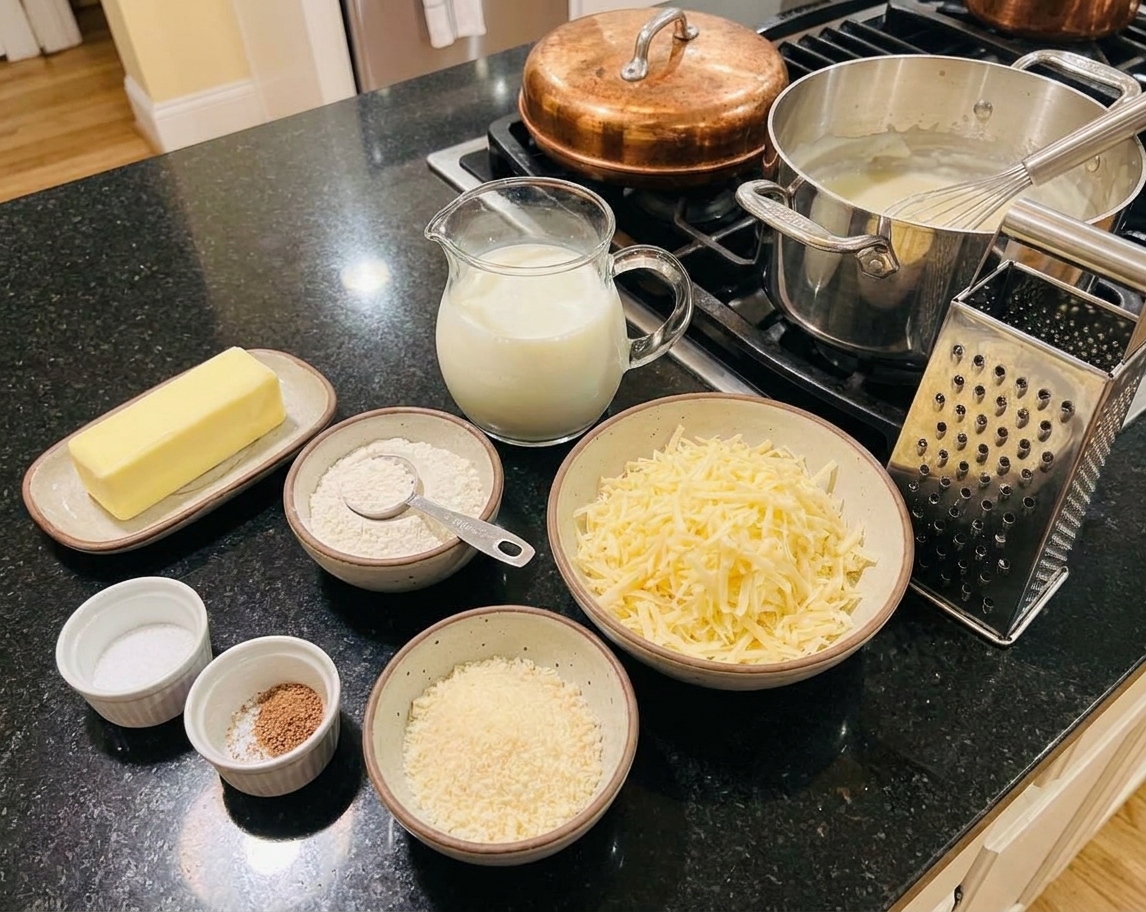
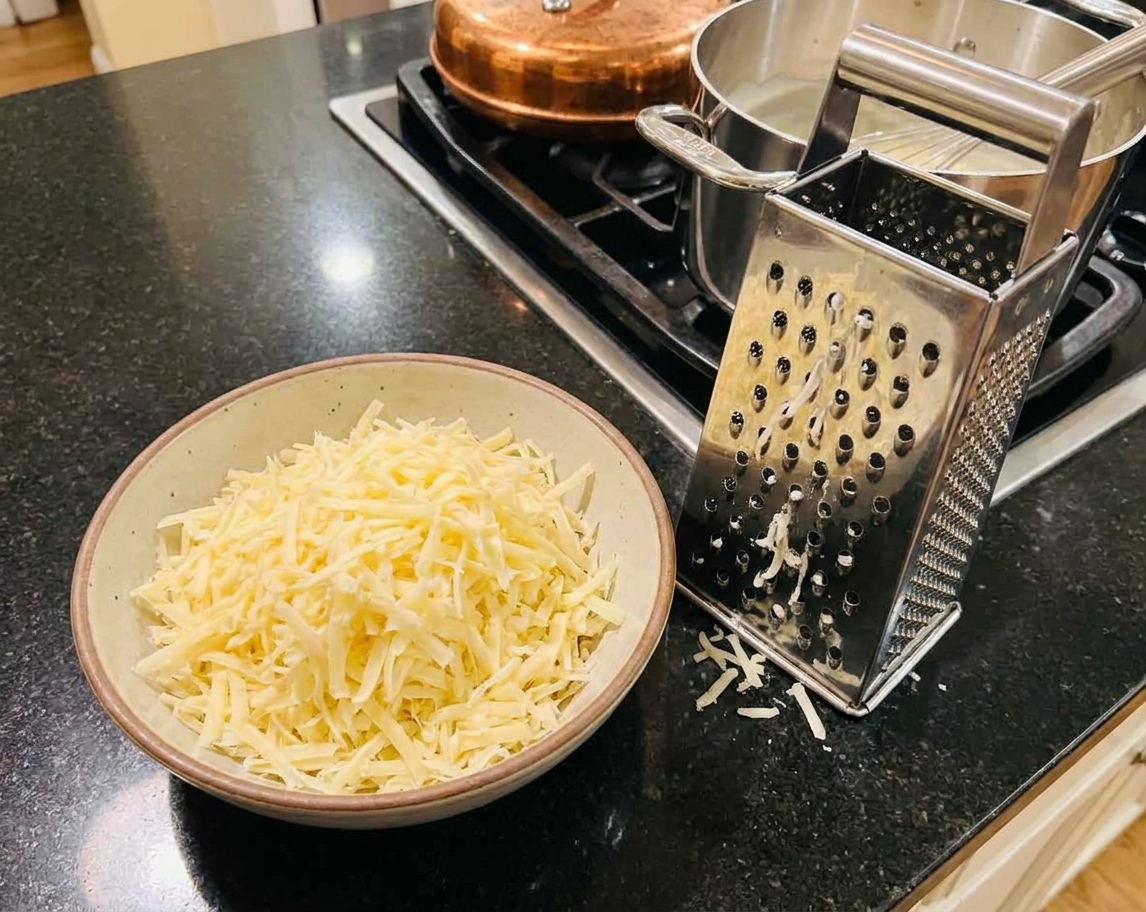
A kitchen counter with butter, flour, milk, shredded Gruyere, grated Parmesan, and seasonings set out for making Mornay sauce

Why It Works

  • Silky, not grainy: We melt the cheese off the heat so it stays smooth and glossy.
  • No lumps: A steady whisk and warm milk keep the béchamel base drama-free.
  • Big flavor from few ingredients: Gruyere brings nuttiness, Parmesan brings punch, and a tiny pinch of nutmeg makes it taste like you know what you are doing.
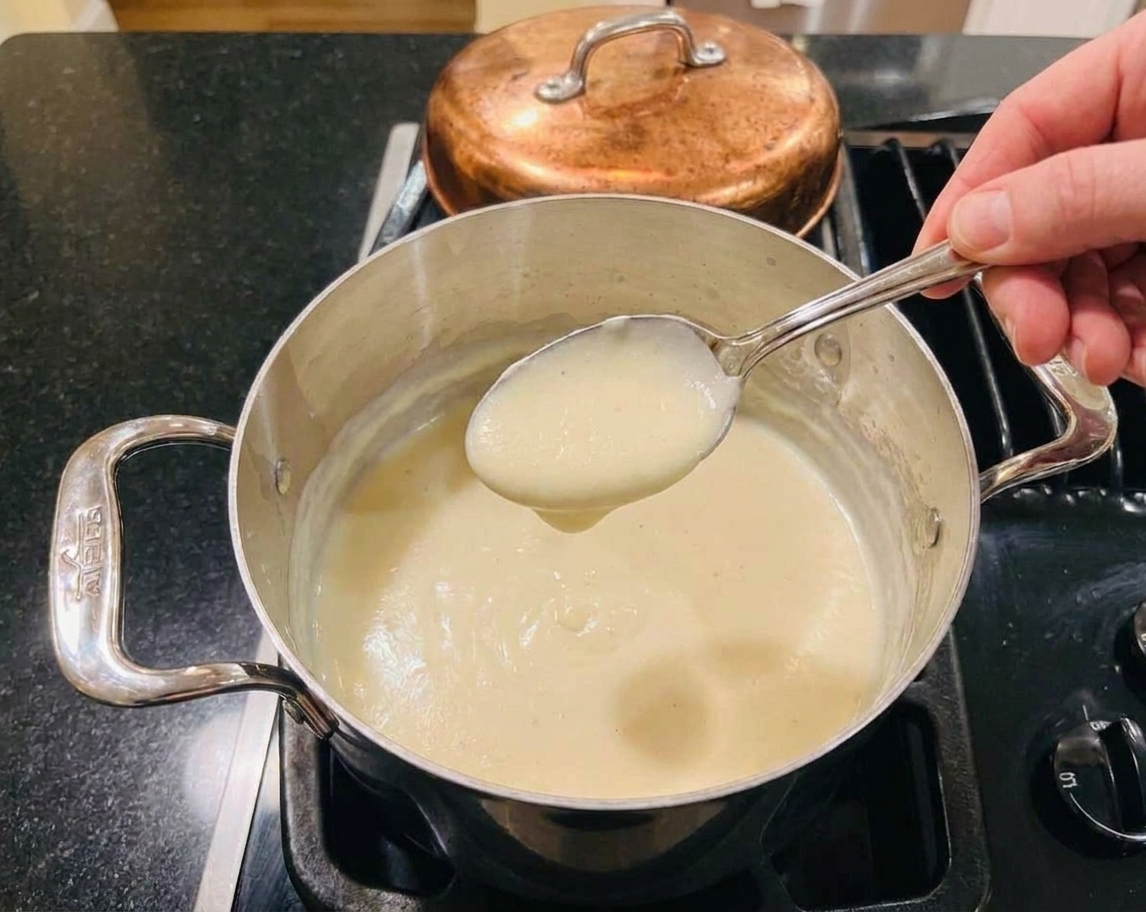
  • Flexible thickness: Keep it looser for veggies or tighten it up for baked mac, casseroles, and gratins.

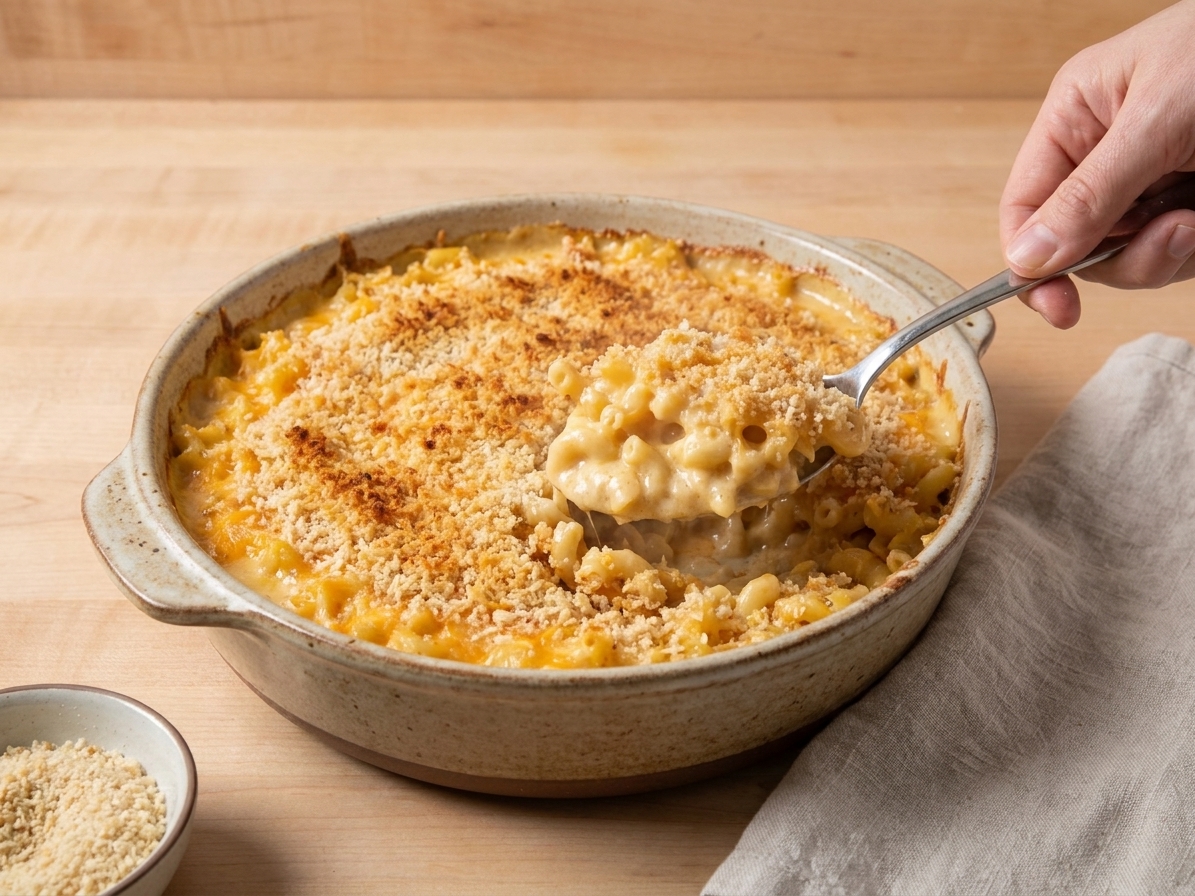
Pairs Well With

Storage Tips

Refrigerate: Cool the sauce quickly, then store in an airtight container for 3 to 4 days. Expect it to thicken as it chills.

Reheat: Warm gently in a saucepan over low heat, whisking often. Add a splash of warm milk a tablespoon at a time until it is smooth again. Avoid boiling.

Can you freeze it? You can, but dairy sauces can separate. If you do freeze, thaw overnight in the fridge and reheat slowly while whisking. If it looks a little broken, a tablespoon or two of warm milk plus vigorous whisking can sometimes help it come back together.

Common Questions

What is Mornay sauce, exactly?

Mornay is a French cheese sauce made by adding cheese to béchamel (a white sauce of butter, flour, and milk). Think of it as béchamel’s richer, cheesier cousin.

What cheese is best for Mornay sauce?

Common modern “classic” choices are Gruyere and Parmesan. Many traditional versions lean on Gruyere and or Emmental. Swiss works in a pinch. For a sharper sauce, swap in a little white cheddar. Use cheeses that melt well and grate them yourself if you can.

Why did my Mornay turn grainy?

Usually the heat was too high when the cheese went in, or the sauce boiled after the cheese was added. Take the pan off the heat, let it cool 30 seconds, then add cheese gradually while whisking. Keep it warm gently, but do not let it boil. Also avoid pre-shredded cheese if possible since anti-caking agents can mess with smooth melting.

How do I fix a sauce that is too thick?

Whisk in warm milk a splash at a time over low heat until it loosens up.

How do I fix a sauce that is too thin?

Simmer it gently for 2 to 4 minutes, whisking, to reduce. If it is still thin, mix 1 teaspoon flour with 1 teaspoon softened butter into a paste, then whisk that in and simmer gently for 2 to 3 minutes to cook out the flour.

Can I make it gluten-free?

Yes. Use a gluten-free all-purpose flour blend in the roux. Cook it for a full minute or two so it does not taste starchy, then proceed as written.

Can I double this recipe?

Yes. Double everything and use a slightly larger saucepan so it can simmer without splashing. Keep the heat gentle and whisk often.

Any allergy notes?

This sauce contains dairy (and gluten unless you use gluten-free flour).

I learned to love Mornay because it rewards “taste as you go” cooking. The first time I made it, I was aiming for something elegant and ended up with a sauce that was basically cheese lava. Still delicious, just not subtle.

Now I make it when I want comfort that feels a little grown-up. I whisk, I snack on a shred of Gruyere, I add a pinch of nutmeg like I am starring in my own cooking show, and suddenly steamed broccoli is something people fight over.