Mom's Best Recipes
Recipe

Classic New York Cheesecake

Creamy, tangy, and tall with a buttery graham crust and a smooth top. Built for home bakers who want reliable results without culinary school drama.

Author By Matt Campbell
4.8
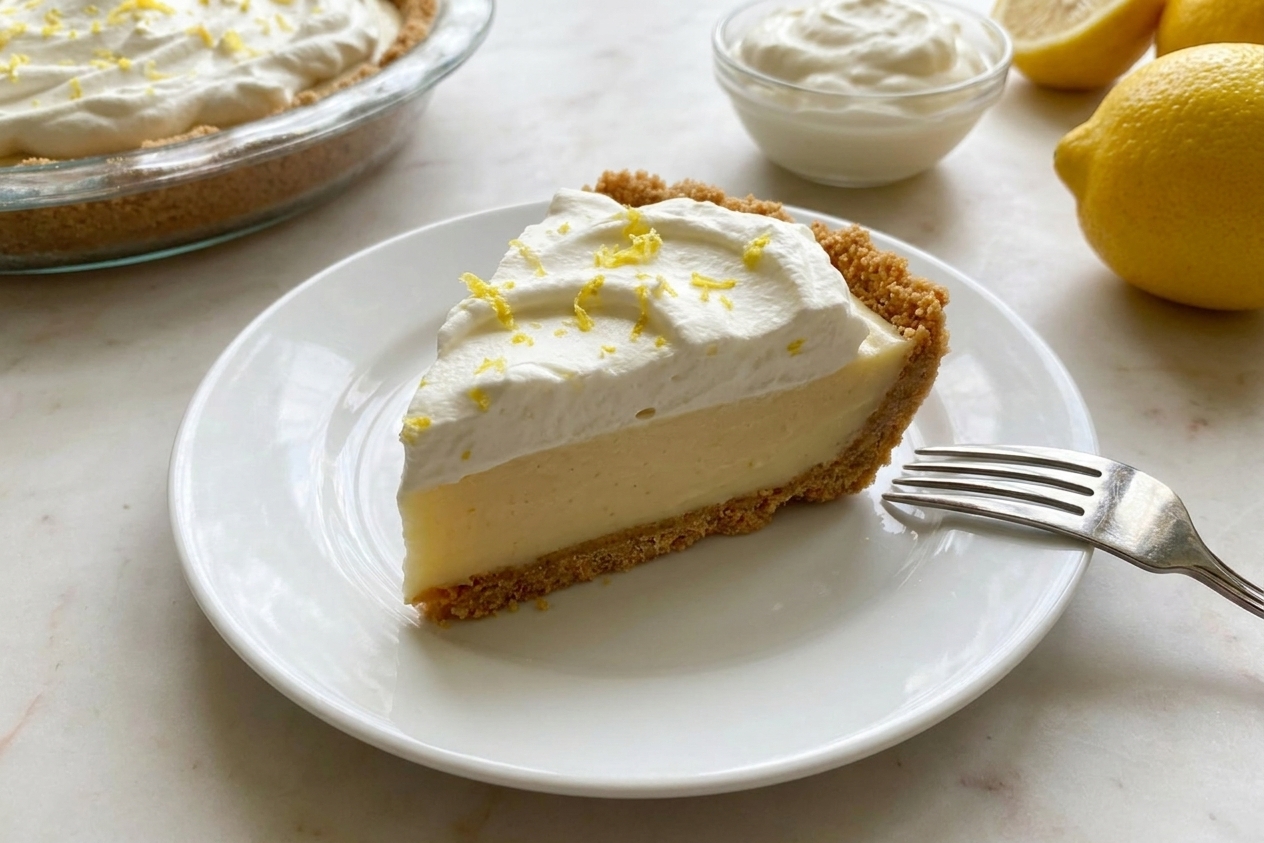
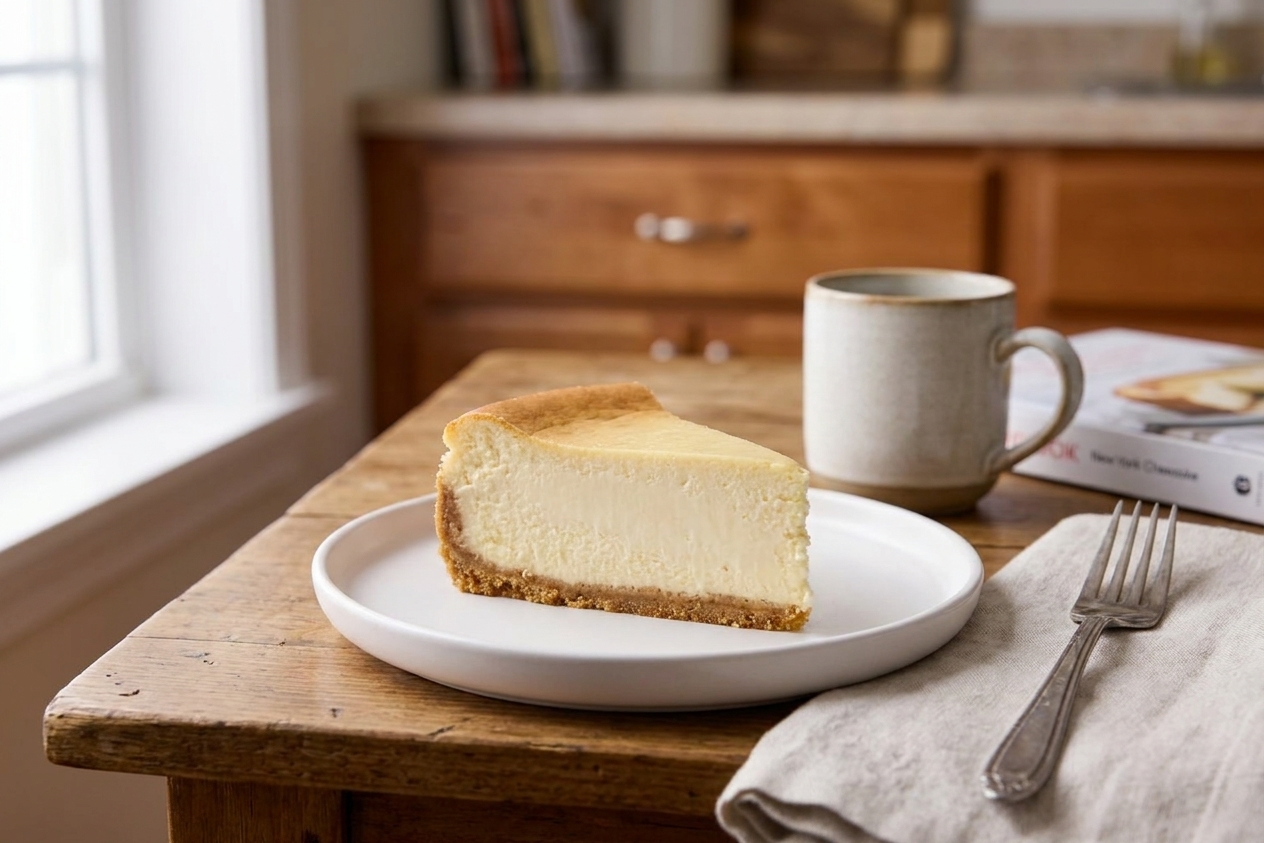
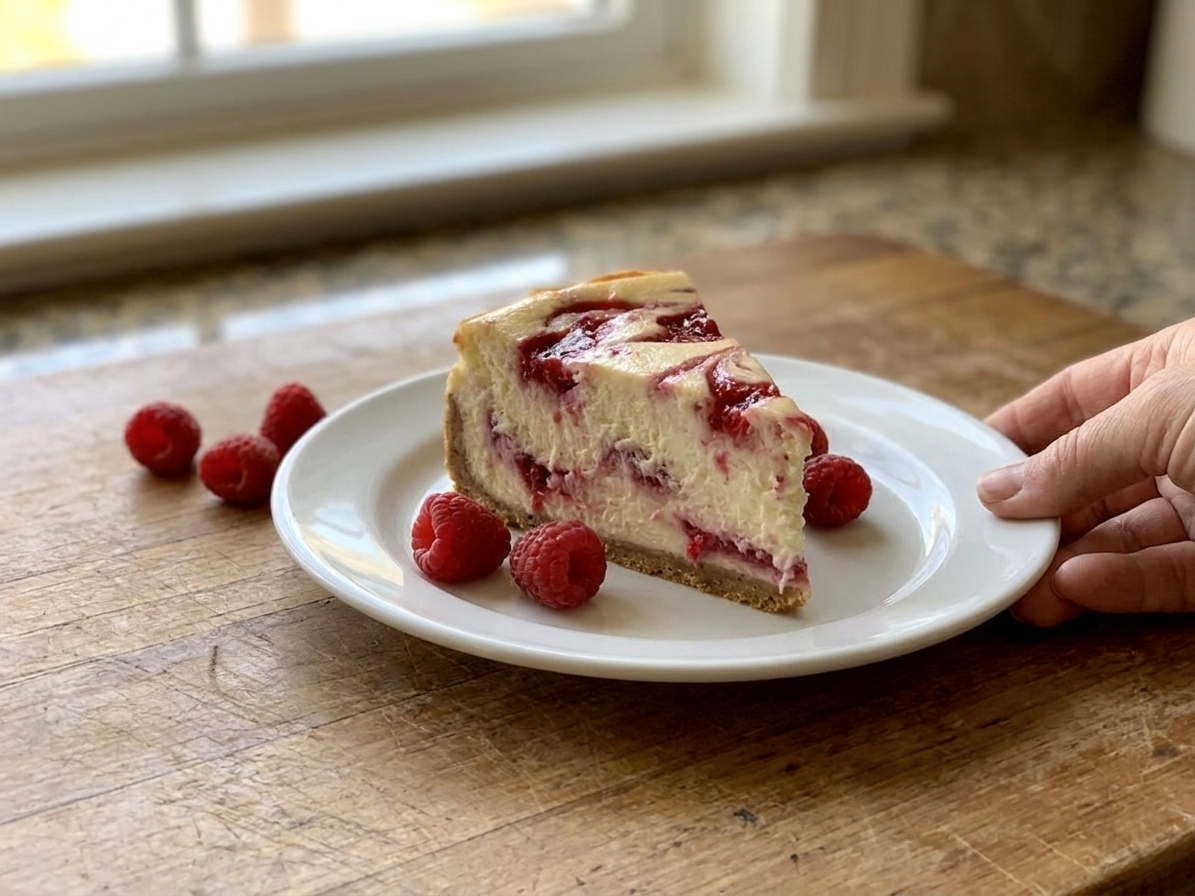
A single slice of classic New York cheesecake with a smooth, creamy interior and a golden graham cracker crust on a white plate on a cozy kitchen table

Cheesecake has two modes: chill, creamy luxury and why is my cake cracked like the desert floor. Today we are firmly choosing the first one.

This classic New York-style cheesecake is the one I make when I want a dessert that feels like a mic drop without requiring a pastry degree. It is rich but not heavy, tangy in the right way, and it slices clean if you give it the one thing it always begs for: time to cool and chill.

We are going to keep ingredients accessible, instructions clear, and the vibes friendly. I will also give you the small saves that matter: how to stop lumps before they start, how to dodge cracks, and how to know it is done without overbaking it into a rubbery situation.
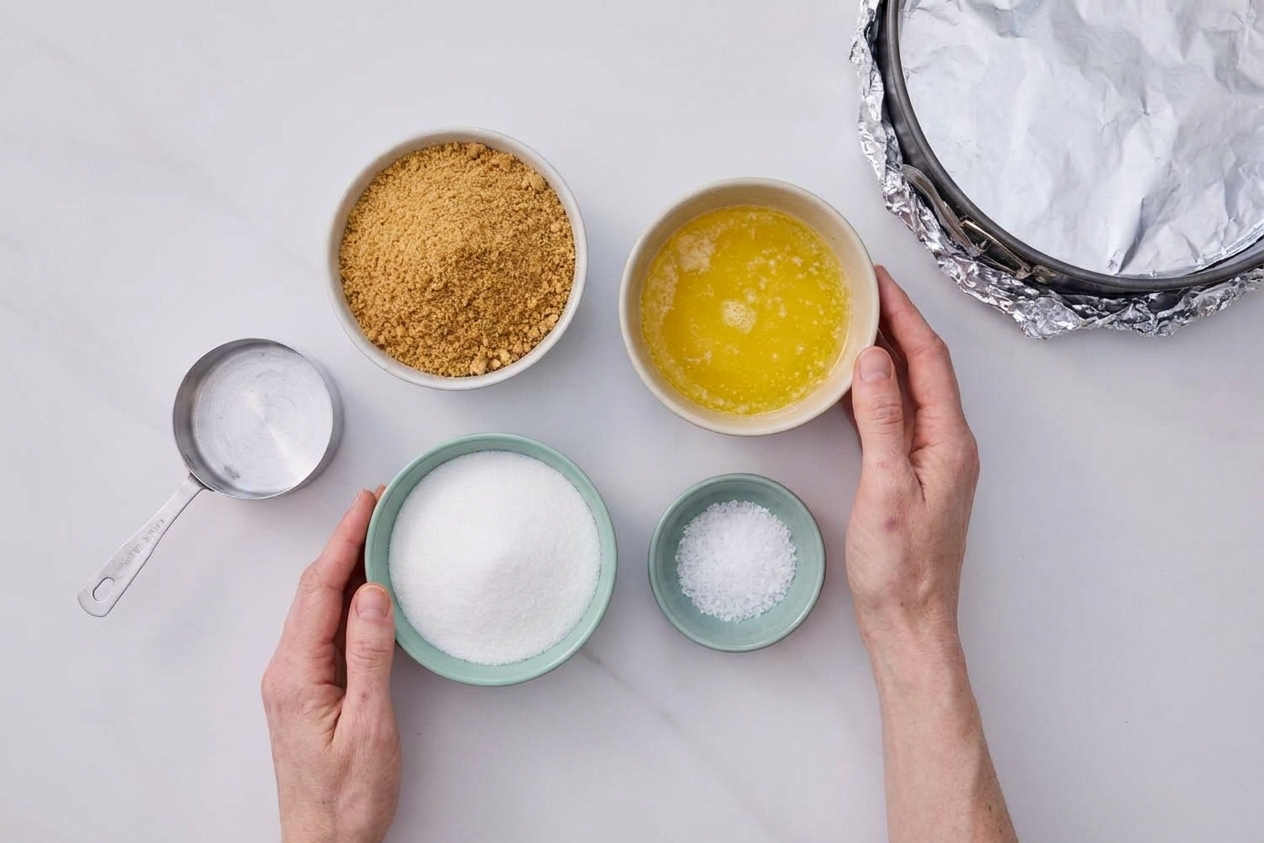
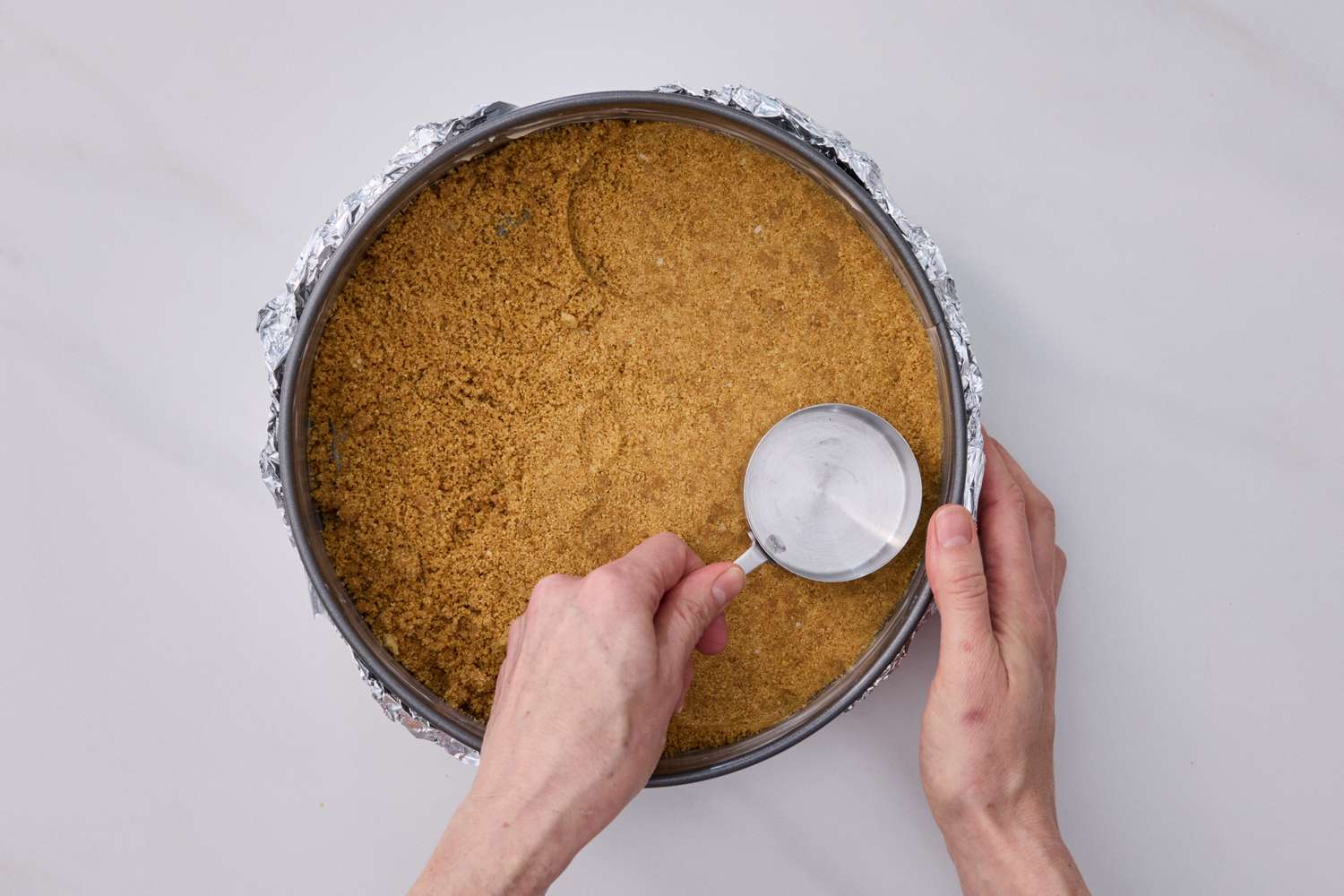
Graham cracker crumbs, melted butter, sugar, and salt in small bowls on a light kitchen counter ready for cheesecake crust

Why It Works

  • Ultra-creamy texture: Room-temperature dairy plus gentle mixing keeps the batter silky and helps limit air bubbles that can contribute to cracks.
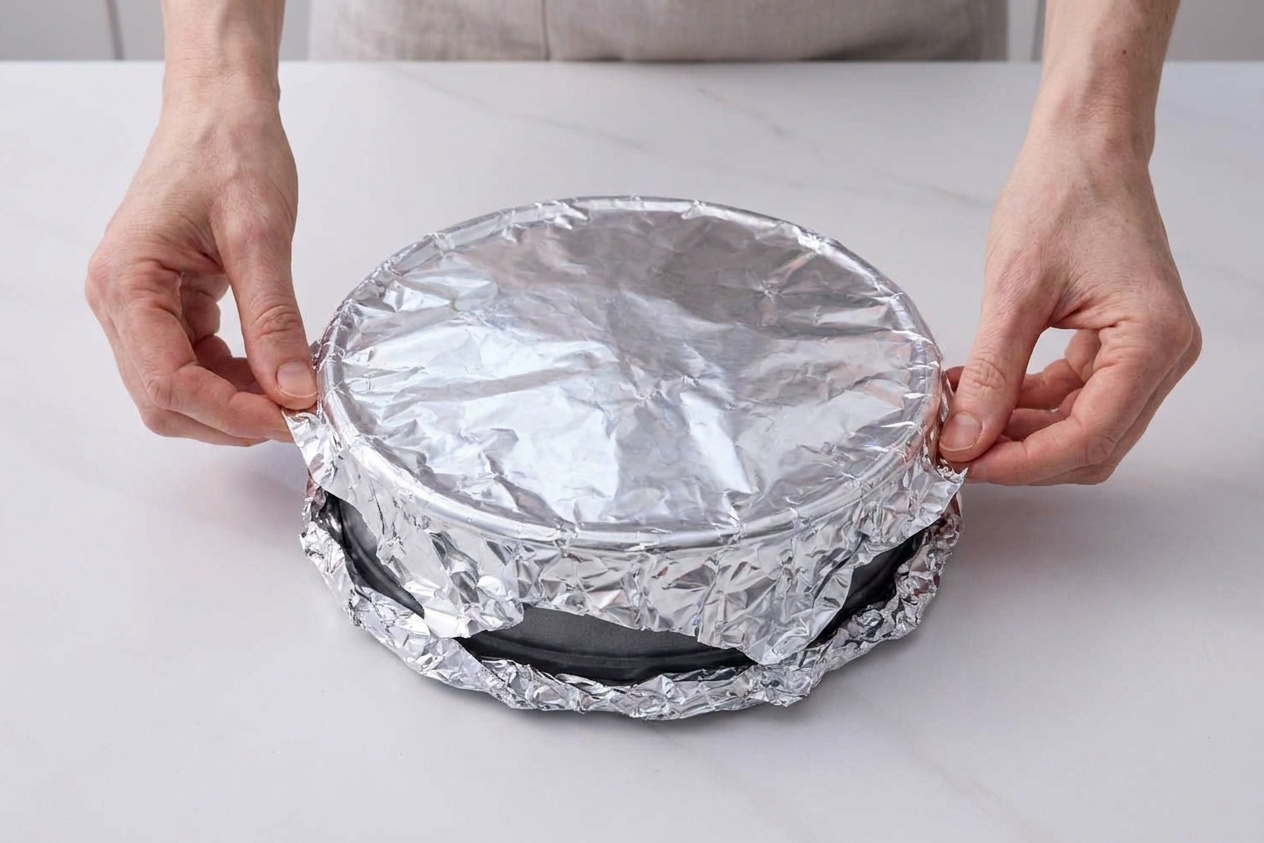
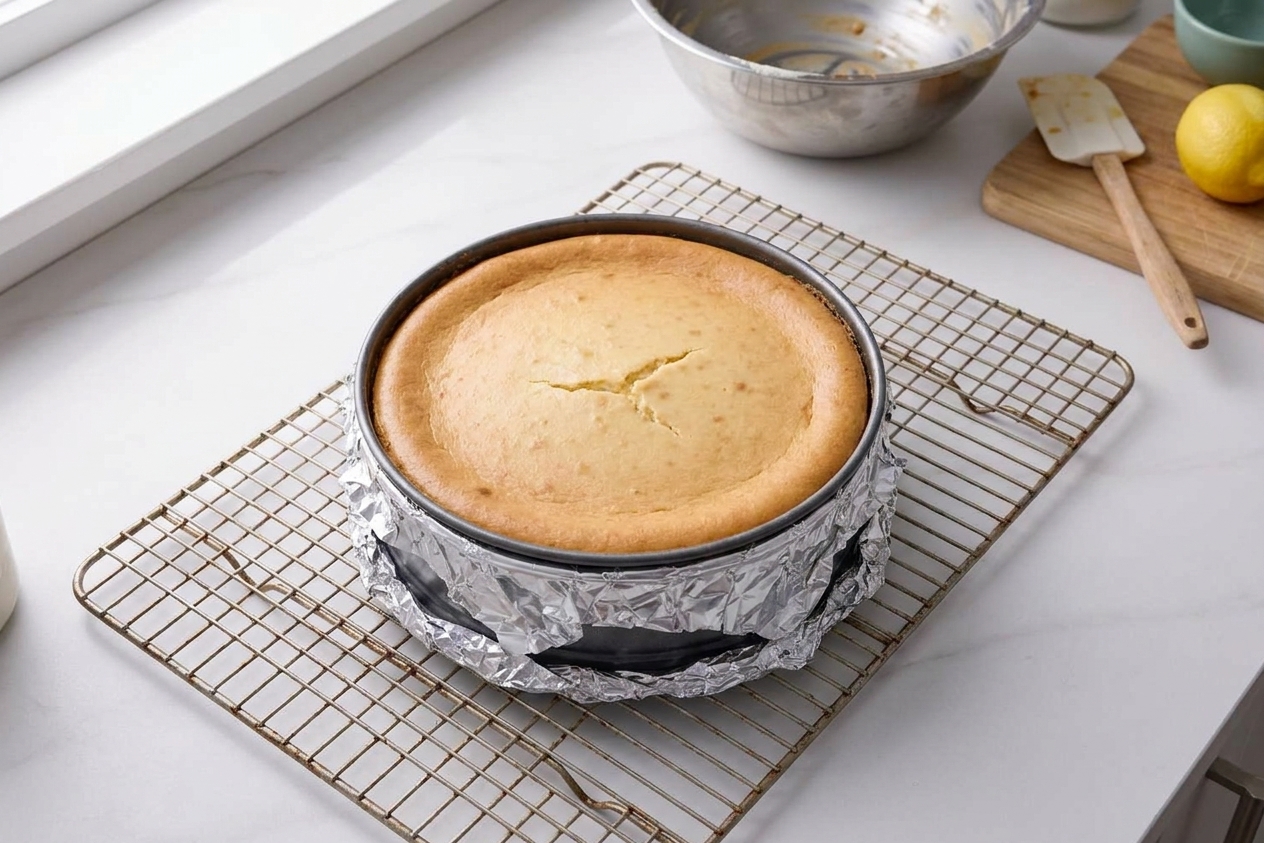
  • Confident bake: A water bath (plus simple leak protection) gives steady, moist heat so the cheesecake bakes evenly.
  • Clean slices: A long chill sets the custard fully, so you get neat slices instead of cheesecake lava.
  • Balanced flavor: Vanilla and lemon brighten the richness, and a little sour cream adds classic tang.

Pairs Well With

Storage Tips

How to Store Cheesecake

Refrigerator: Cover the cheesecake (still in the pan or sliced) and refrigerate up to 5 days. For the best texture, press a piece of parchment paper lightly against any cut edges to keep them from drying out.

Freezer: Cheesecake freezes beautifully. Chill the cheesecake first, then freeze slices on a sheet pan until firm. Wrap each slice tightly in plastic wrap, then foil. Freeze for up to 2 months for best quality (it can often keep a bit longer, but texture is at its peak in that window). Thaw overnight in the fridge.

Best texture tip: Cheesecake is happiest served cool, not ice-cold. Let slices sit at room temp for 10 to 15 minutes before serving.

Common Questions

Common Cheesecake Questions

Do I really need a water bath?

You can skip it, but the water bath is the easiest way to get an evenly baked cheesecake with fewer cracks. Think of it as cheesecake insurance. If you skip it, bake with a pan of hot water on the rack below and expect a slightly more browned top and a higher chance of cracks.

How do I prevent cracks?

Cracks usually come from a combination of things: too much air in the batter, overbaking, and big temperature changes. Here is the best prevention plan.

  • Use room-temperature cream cheese, eggs, and sour cream.
  • Mix on low and stop as soon as it is smooth.
  • Bake gently and do not overbake. You want a wobbly center.
  • Cool slowly: turn off the oven, crack the door, and let it sit.

How do I know the cheesecake is done?

The edges should look set and slightly puffed, and the center should still have a 2 to 3 inch wobble when you gently nudge the pan. If you have an instant-read thermometer, aim for about 150°F in the center (up to around 155°F is fine). Temp the center of the cheesecake and try not to hit the crust or the pan, which can throw off the reading.

Why is my batter lumpy?

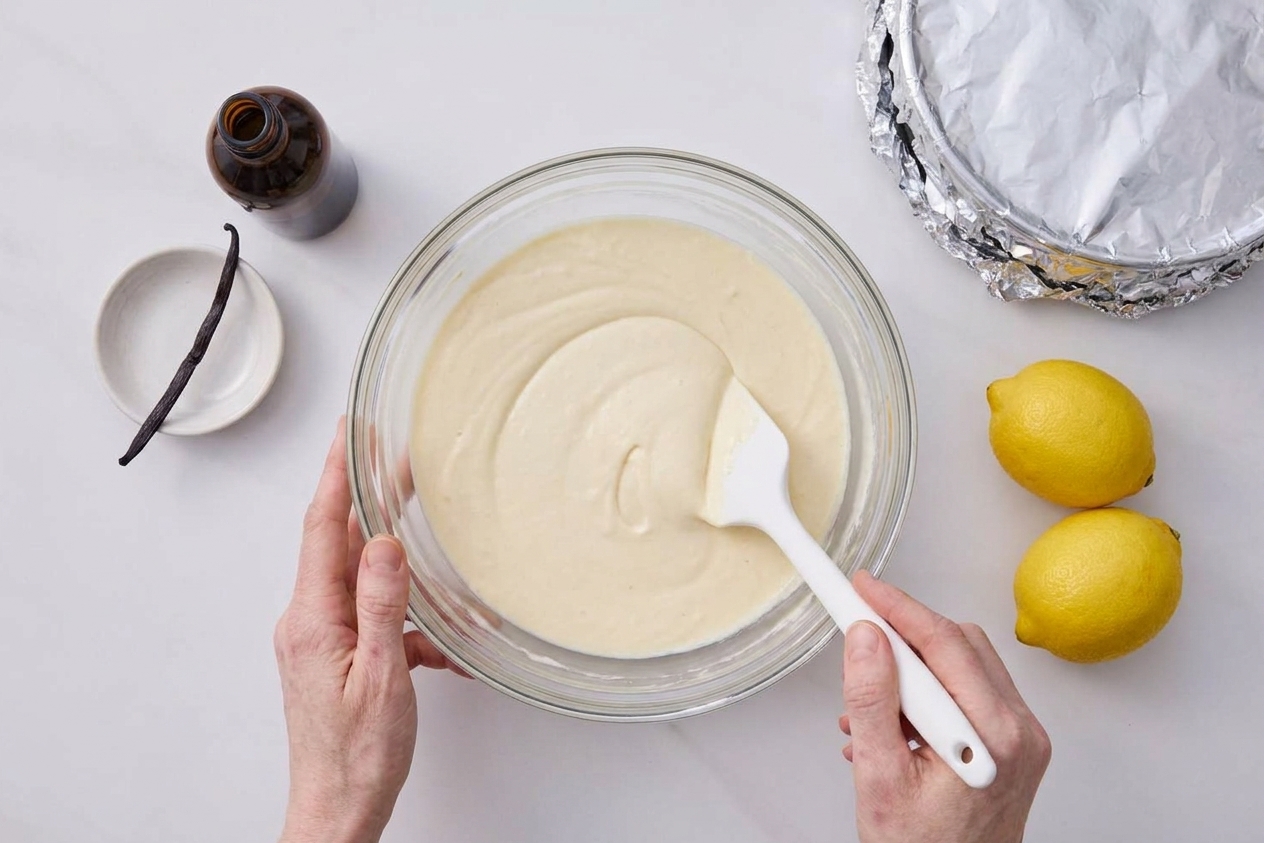
Cold cream cheese is the main culprit. Let it soften fully, then beat the cream cheese and sugar until smooth before adding anything else. If lumps happen anyway, press the batter through a fine-mesh sieve. No shame, only solutions.

Can I make this ahead?

Yes and you should. Cheesecake tastes best after an overnight chill. Make it 1 to 2 days ahead for the calmest hosting experience.

I used to think cheesecake was reserved for people with quieter lives than mine. Like, folks who own matching mixing bowls and never misplace the vanilla. Then I started treating cheesecake like what it really is: a custard with good PR. Keep it gentle, do not whip in a bunch of air, and give it time to cool down like it just ran a marathon.

This is the version I make when I want that classic diner-style slice at home, the one that makes you pause mid-bite and go, “Okay, wow.” Usually followed by me cutting a second slice for quality control.