Mom's Best Recipes
Recipe

Classic Oil and Vinegar Dressing

A crisp, tangy, everyday vinaigrette with a foolproof ratio, tons of variation options, and the little tricks that keep it bold instead of bland.

Author By Matt Campbell
4.8
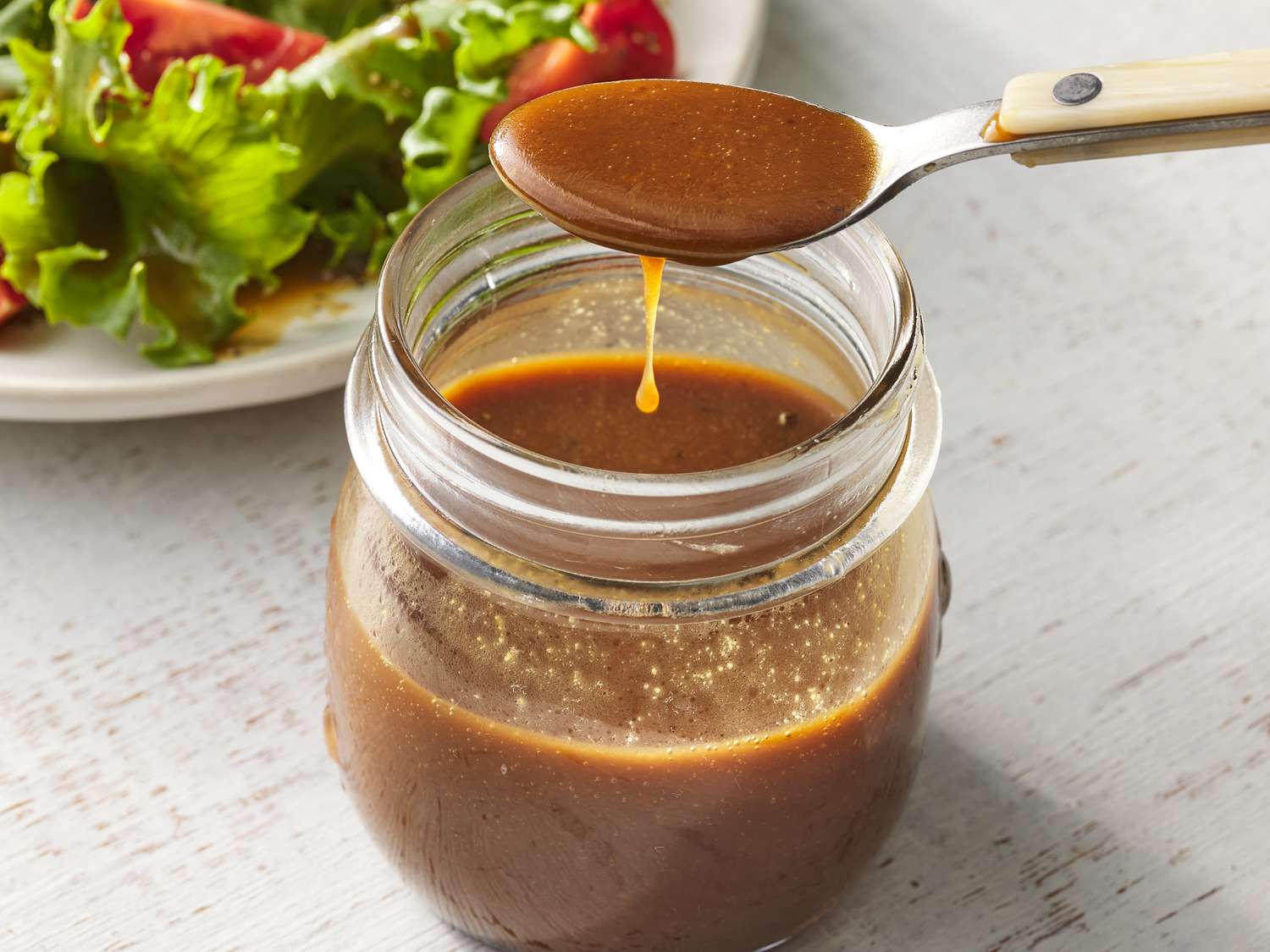
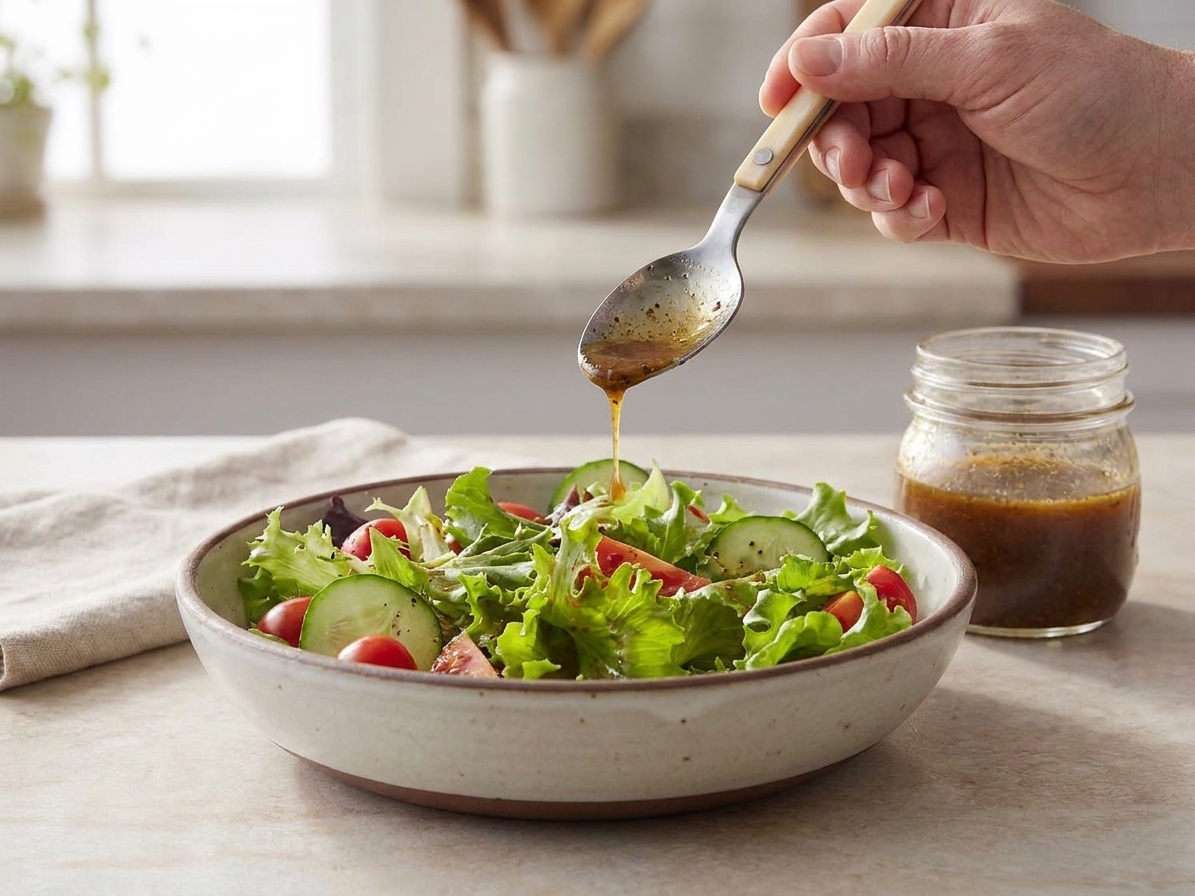
A small glass jar of oil and vinegar dressing with visible pepper flecks on a light stone kitchen counter, next to a spoon and a simple green salad

Oil and vinegar dressing is the tiny kitchen miracle that makes a Tuesday salad feel like you tried. It is bright, a little sharp, and somehow makes even the saddest bag of greens taste like it has a plan.

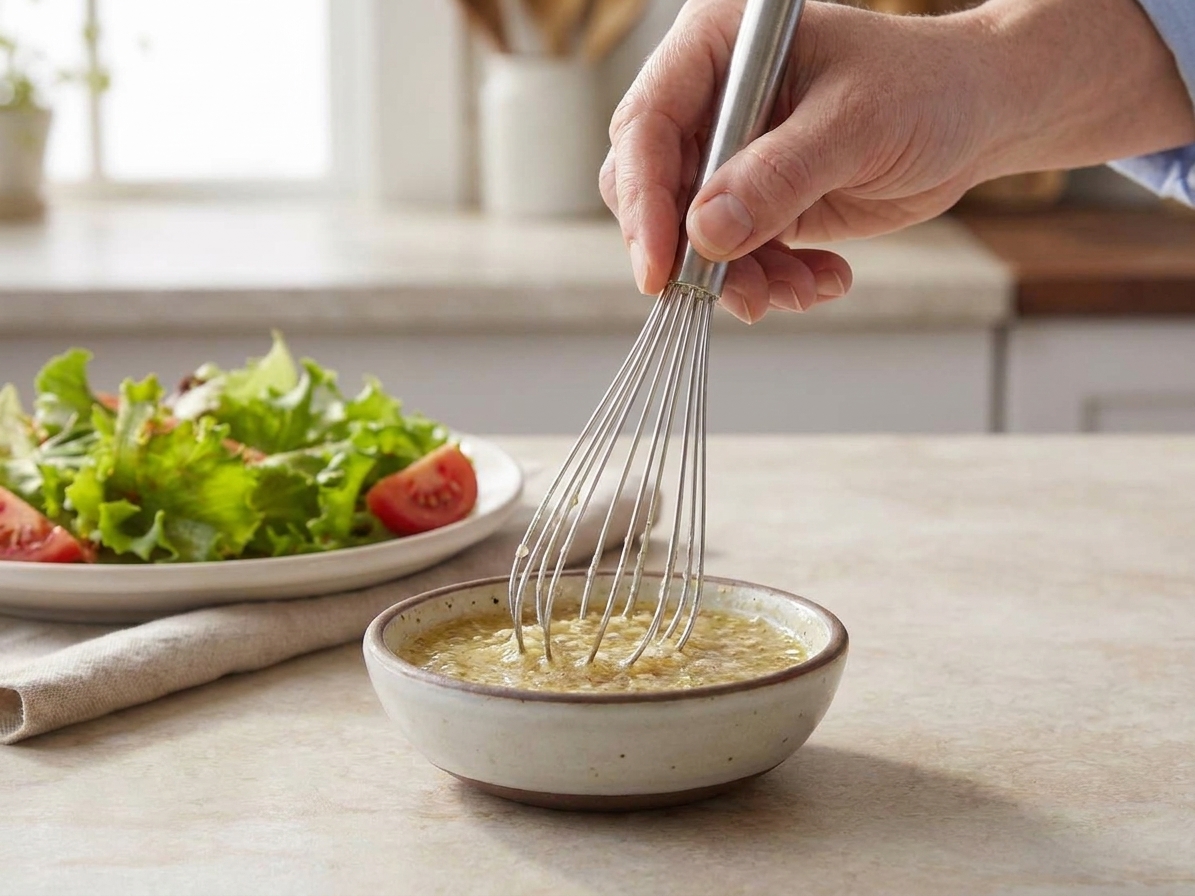
This version sticks to the classic vinaigrette idea, but with a few no-drama upgrades: mustard for grip, a touch of sweetness to round the corners, and enough salt and pepper to make the flavors actually show up. Whisk it in a bowl or shake it in a jar. Either way, taste as you go. That is the whole point.

Olive oil, red wine vinegar, Dijon mustard, honey, garlic, salt, and black pepper arranged on a bright kitchen counter

Why It Works

  • Balanced every time: A dependable 3 to 1 oil-to-vinegar ratio, plus a simple way to adjust if you like it tangier.
  • It actually emulsifies: Dijon mustard helps the dressing stay together longer so your first bite and last bite taste the same.
  • Big flavor, basic ingredients: Pantry staples, one small garlic clove, and you are in business.
  • Flexible: Swap the vinegar, add herbs, or turn it into a quick marinade without doing math.

Pairs Well With

Storage Tips

Refrigerate: Store in a jar with a tight lid for up to 7 days.

Expect separation: This is normal. Shake hard for 10 to 15 seconds, or whisk again.

If it thickens: Olive oil can solidify in the fridge. Let the jar sit at room temp for 10 minutes, then shake.

Garlic and herbs note: Raw garlic can get a little louder and sharper as it sits, and fresh herbs are best in the first 2 to 3 days. If anything smells or tastes off, toss it. For longer storage, make a smaller batch or swap fresh garlic for a pinch of garlic powder.

Common Questions

What is the best oil-to-vinegar ratio?

The classic ratio is 3 parts oil to 1 part vinegar. If you like a sharper dressing, go 2 to 1. If your vinegar is strongly flavored or especially sharp (like red wine or sherry vinegar), start at 3 to 1 and adjust from there. If you are using a sweeter vinegar (like balsamic), you may want a little less sweetener.

How do I keep oil and vinegar from separating?

You cannot stop it forever, but you can make it behave. Use Dijon mustard (or a little mayo), whisk while slowly streaming in the oil, and shake right before serving.

Can I make it without mustard?

Yes. It will separate faster, but it still tastes great. Add an extra pinch of salt and whisk well. A small spoon of honey can help the dressing feel a bit more cohesive (more body), but it is not a true emulsifier.

Why does my dressing taste flat?

Usually it needs one of three things: more salt, a touch of sweetness, or freshness (a squeeze of lemon or a tiny splash more vinegar). Add in small increments, taste, repeat.

Is this the same as Italian dressing?

It is the base of it. Add dried oregano, basil, a pinch of red pepper flakes, and a little grated Parmesan and you are basically in Italian dressing territory.

How do I make it vegan or sugar-free?

Vegan: use maple syrup instead of honey. Sugar-free: skip the sweetener and add a little extra Dijon or a tablespoon of finely minced shallot to round it out.

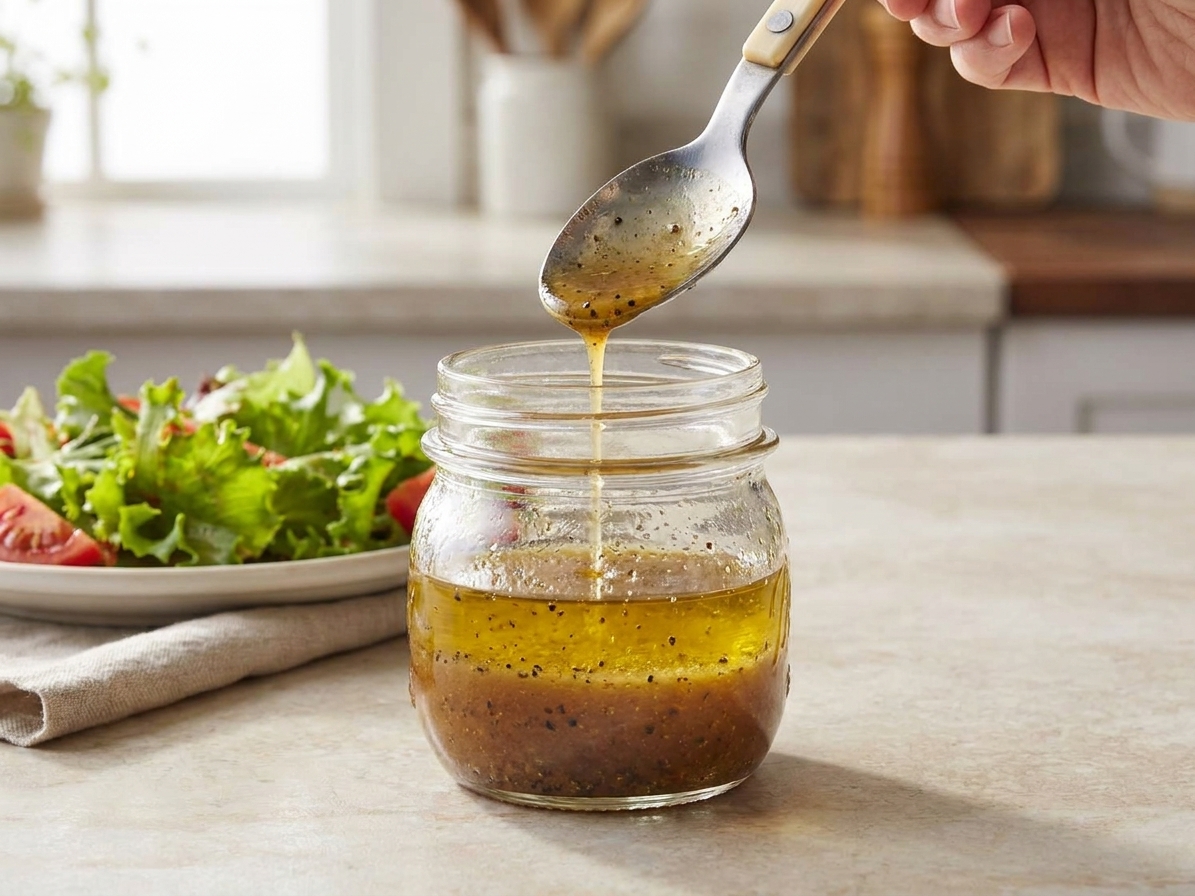
I started making oil and vinegar dressing on purpose when I realized I was buying bottles for one salad mood, then banishing them to the fridge door to expire in shame. Homemade takes five minutes, costs less, and tastes like you meant it. Also, it gives you full control over the tang level, which is important because some of us want “lightly dressed” and some of us want “make the lettuce flinch.”