Mom's Best Recipes
Recipe

Classic Omelette: Light and Fluffy

A simple, French-leaning diner omelette that stays tender, folds cleanly, and tastes like you actually know what you’re doing. Ready in 10 minutes with everyday ingredients.

Author By Matt Campbell
4.9
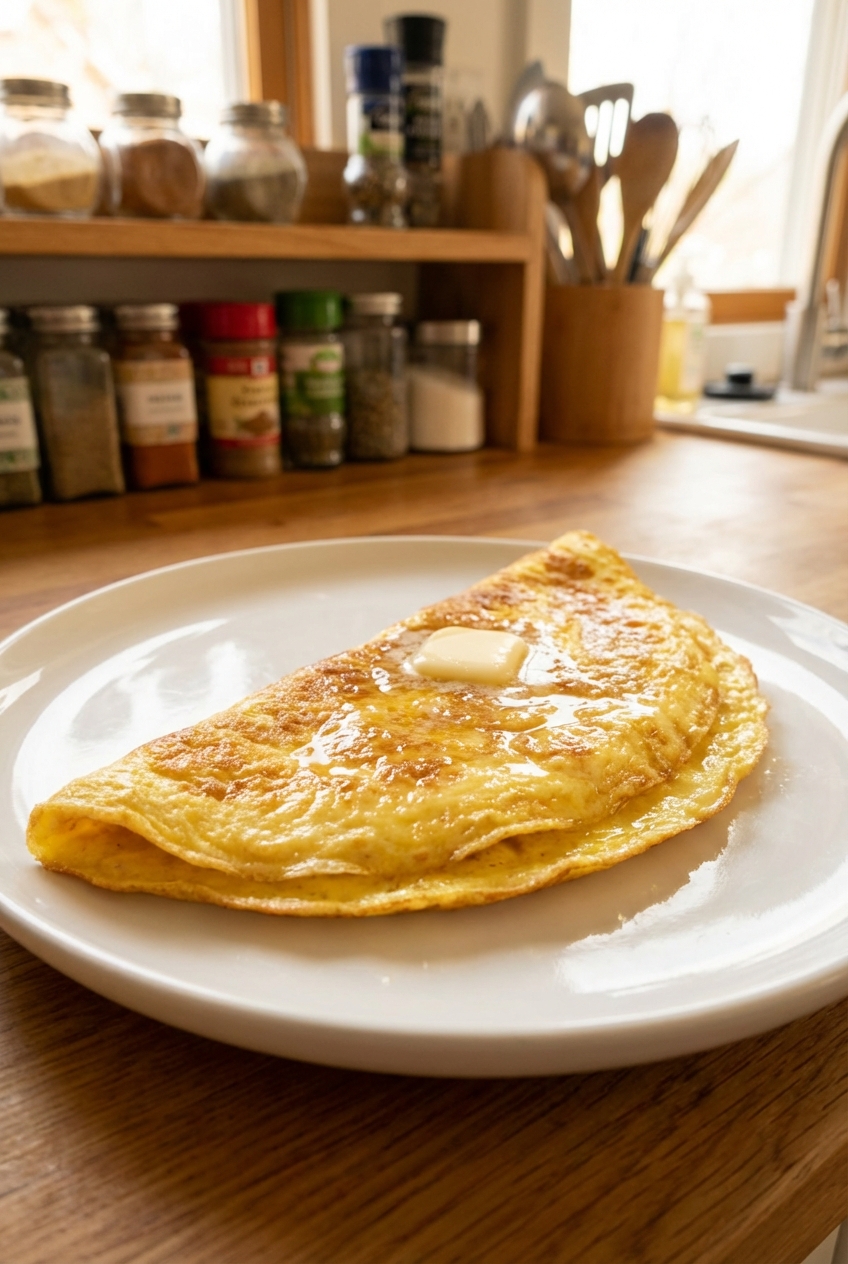
A golden, lightly browned omelette folded in half on a white plate with a pat of butter melting on top

Let’s talk about the classic omelette. Not the overstuffed, dry egg burrito situation. I mean the real deal: pale-golden on the outside, soft in the middle, seasoned like you meant it, and folded with confidence even if you don’t feel confident yet.

This is a tender, French-leaning omelette with a little diner energy: quick, buttery, and comforting. The method’s simple, the ingredients are basic, and the results are wildly satisfying. You’ll learn the two big secrets: gentle heat and steady movement at the start. Think of it like guiding the eggs into place, not bullying them into submission.

Grab your nonstick pan, crack a couple eggs, and taste as you go. Omelettes reward the cook who pays attention for like, three minutes straight.
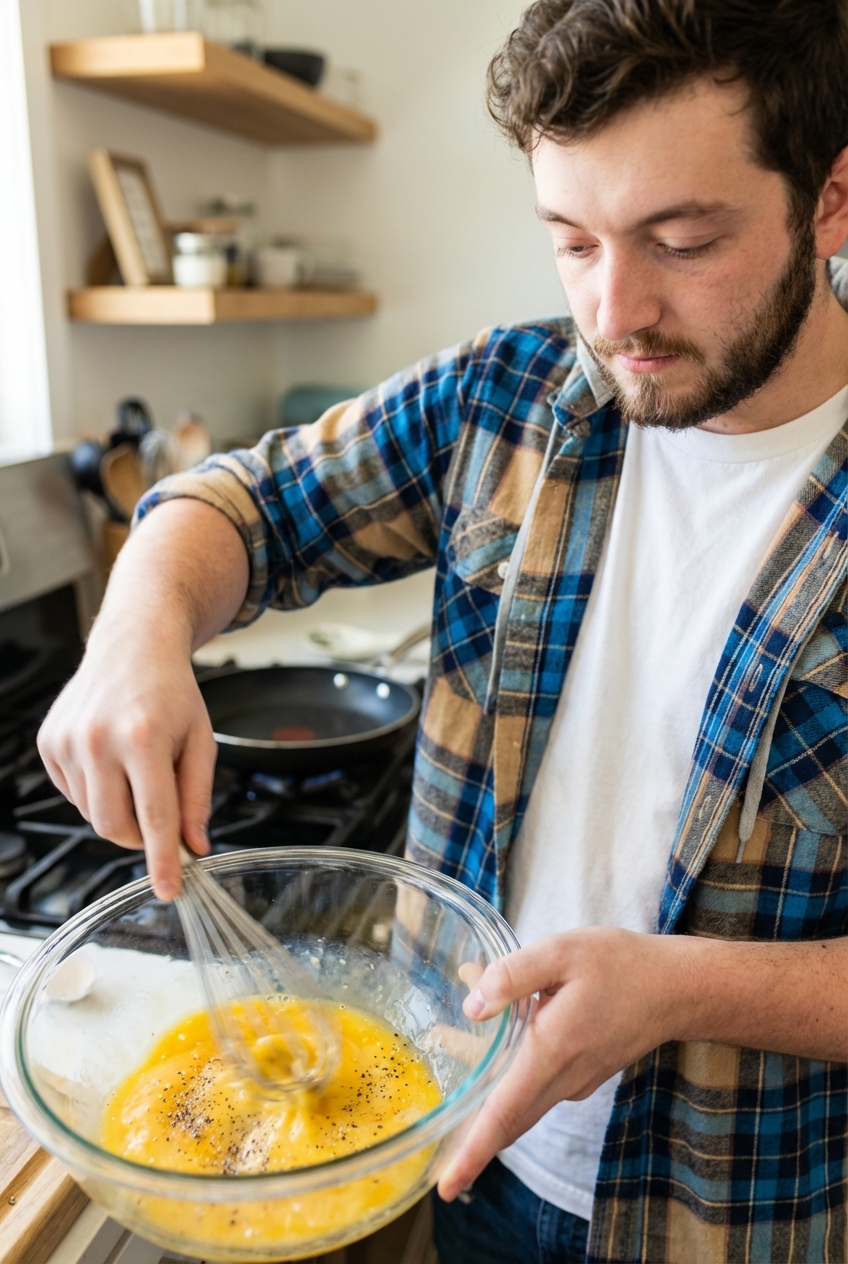
Eggs being whisked in a bowl with salt and pepper, with a nonstick skillet heating on the stove in the background

Why It Works

  • Light and fluffy texture: Whisking well and cooking over medium-low keeps the eggs tender instead of tight and rubbery.
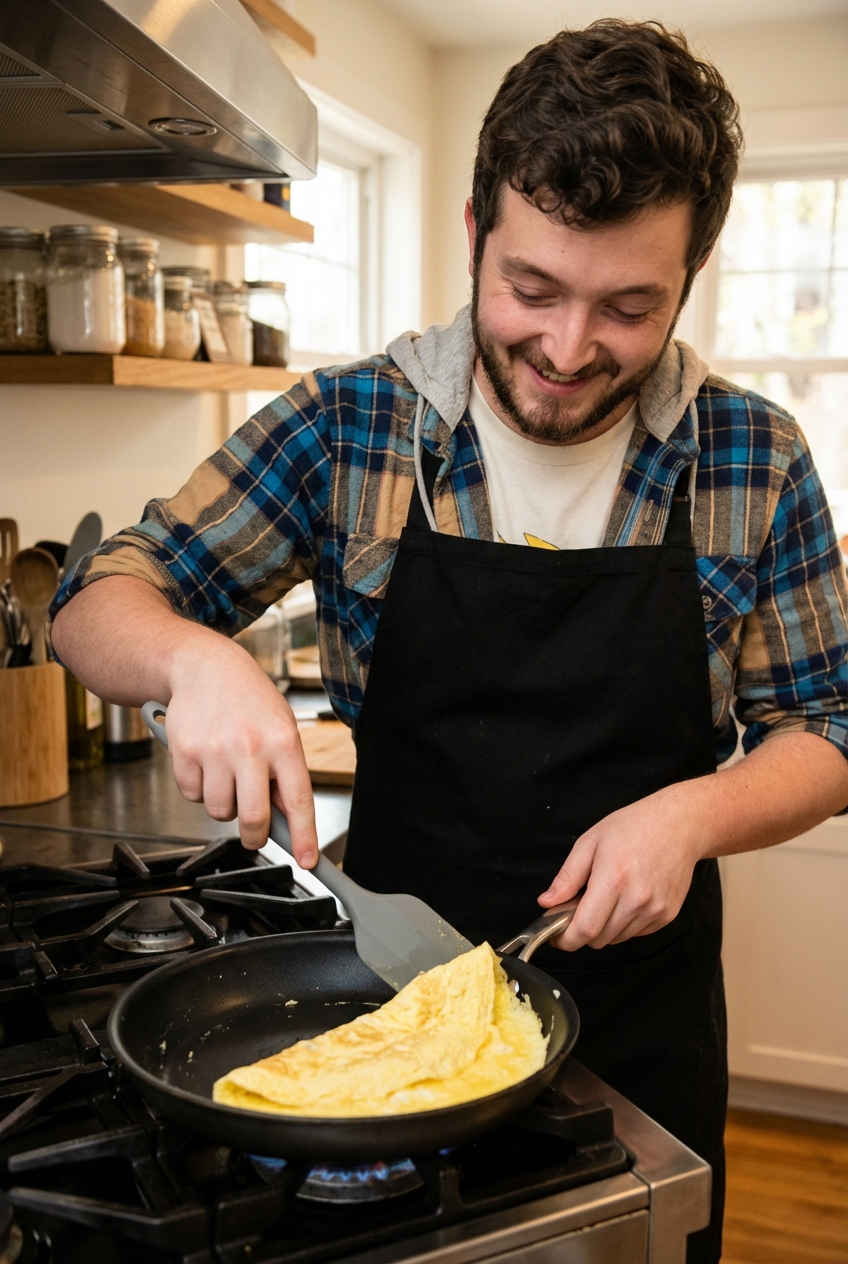
  • Clean fold, no cracks: We let the bottom set just enough, then fold while the center still has a moist sheen so it finishes gently.
  • Real flavor from simple ingredients: Butter, salt, and a small amount of filling bring big comfort without needing a long ingredient list.
  • Quick but not rushed: This is a 10 minute recipe that feels calm, not frantic, which is the energy breakfast deserves.

Pairs Well With

Storage Tips

Omelettes are best fresh, but life happens. Here’s how to keep leftovers from turning sad.

Refrigerate

  • Cool promptly, then store in an airtight container for 1 to 2 days.

Reheat (best method)

  • Skillet: Warm a nonstick skillet over low heat with a tiny bit of butter. Cover and heat 2 to 4 minutes until warmed through.
  • Microwave: Use 50% power in 20 second bursts. Stop when just hot. Overheating makes eggs tough fast.

Food safety note: Reheat leftovers until they’re hot all the way through.

Freezing

I don’t recommend freezing a classic omelette. The texture gets watery and spongy when thawed.

Common Questions

How do I make my omelette fluffier?

Whisk like you mean it. You want the whites and yolks fully blended and a little frothy. Also, cook over medium-low and keep the eggs moving at the start so small curds form, which reads as fluffy.

Should I add milk or water to omelette eggs?

You can, but you don’t need to. A teaspoon of water can create a little steam and make the texture feel a touch lighter, but the difference is subtle. Milk can mute the egg flavor and sometimes makes the omelette softer but less “eggy.” My take: skip it unless you love the milkier vibe.

Why does my omelette tear when I fold it?

Two common reasons: the pan’s too hot, or you waited too long and the eggs got dry. Fold when the top still has a moist sheen (not puddles of liquid egg), and use a flexible spatula to gently loosen the edge first.

What’s the best pan for an omelette?

A small 8-inch nonstick skillet is the easiest route for 2 eggs. Stainless steel can work, but the heat control and sticking risk aren’t beginner-friendly.

How do I know when it’s done?

The outside should be set and the center should look just barely soft. Residual heat finishes the job after folding, especially if you cover the pan for 30 to 60 seconds.

Can I scale this recipe?

Yep. For 3 eggs, use a 10-inch nonstick skillet and add about 1 extra teaspoon of butter. Keep the same gentle heat, and add a bit more cook time as needed. If it’s setting too fast, lower the heat. If nothing’s happening after about 30 seconds, nudge the heat up.

I used to treat omelettes like a speed test. High heat, aggressive flipping, and then I’d act surprised when breakfast turned into scrambled eggs with a bruise. The first time I slowed down and cooked one gently in butter, it clicked. Omelettes aren’t hard, they’re just picky about attention. Now it’s one of my favorite quick wins, especially on mornings when I want something cozy but I’m not trying to wash ten dishes before coffee.