Mom's Best Recipes
Recipe

Classic Pad See Ew

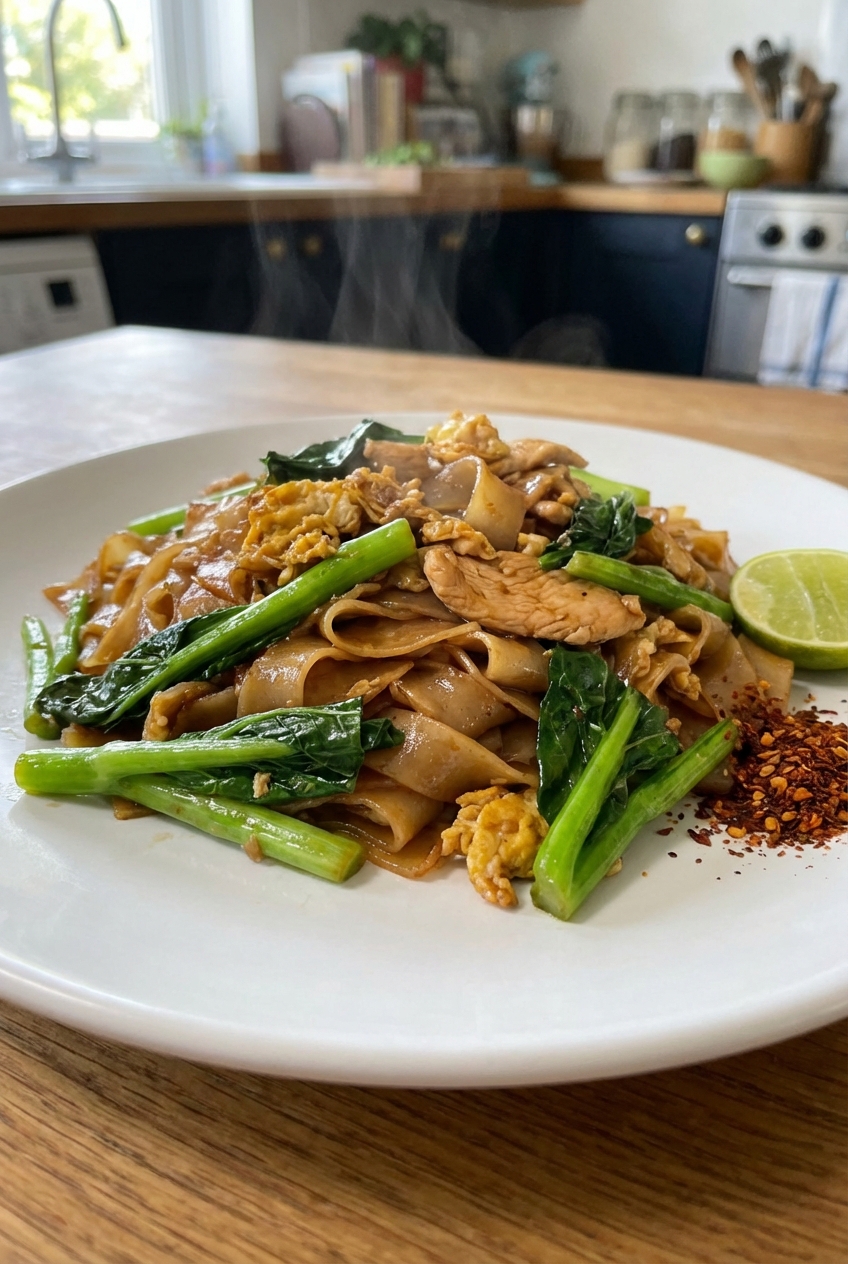
Chewy wide noodles, crisp edges, and a glossy soy sauce that clings in all the right places. This classic Pad See Ew stays light, fluffy, and weeknight friendly.

Author By Matt Campbell
4.8
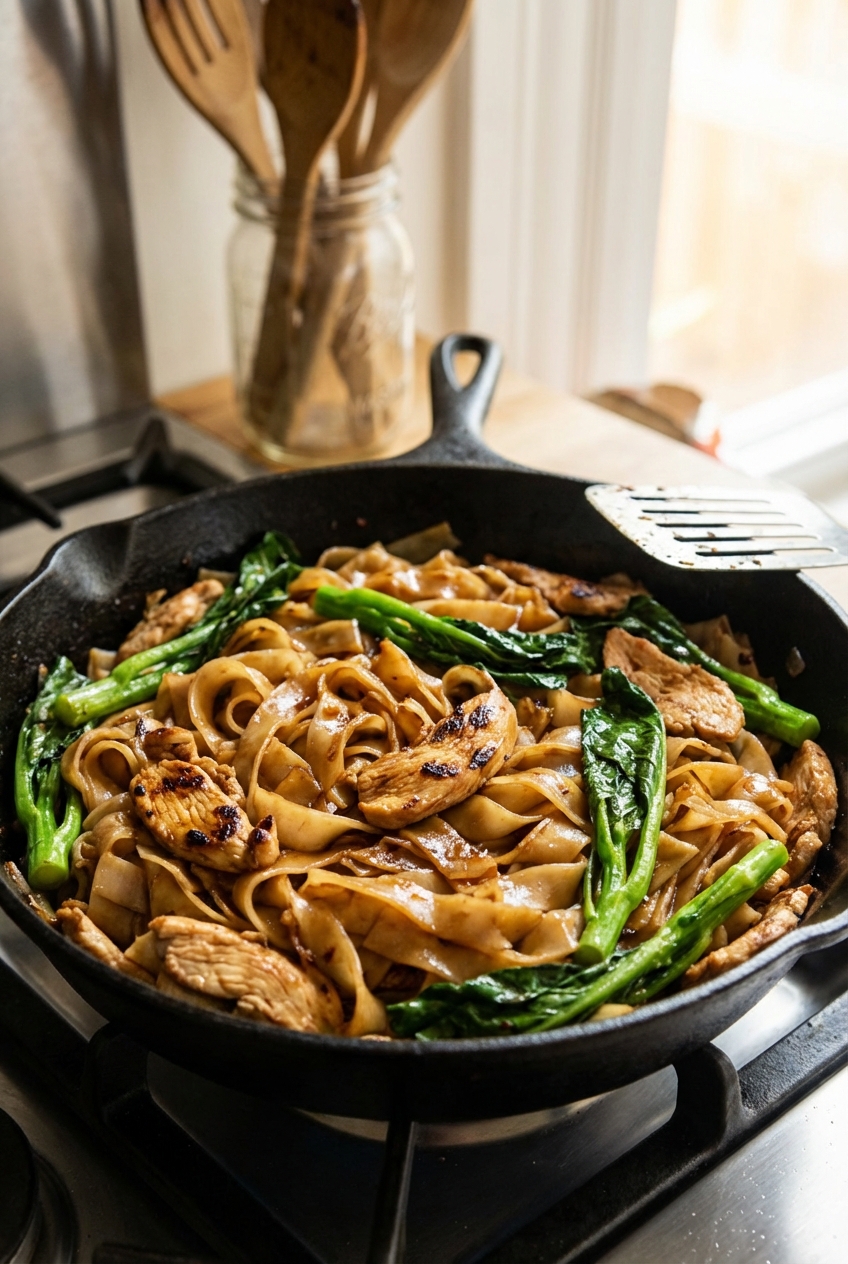
A skillet of pad see ew with wide rice noodles, Chinese broccoli, and sliced chicken, glossy sauce, and lightly charred edges

Pad See Ew is one of those dishes that feels like takeout comfort but cooks like a quick stir fry once you know the rhythm. Wide rice noodles get a little char, a little chew, then soak up a savory sweet sauce that tastes way more complex than the ingredient list suggests.

Here is the trick to keeping it light and fluffy instead of heavy and clumpy: you cook in batches, keep the heat high, and let the noodles sit long enough to pick up those crisp, toasty edges before you start tossing. It is relaxed cooking, but it rewards a tiny bit of patience.
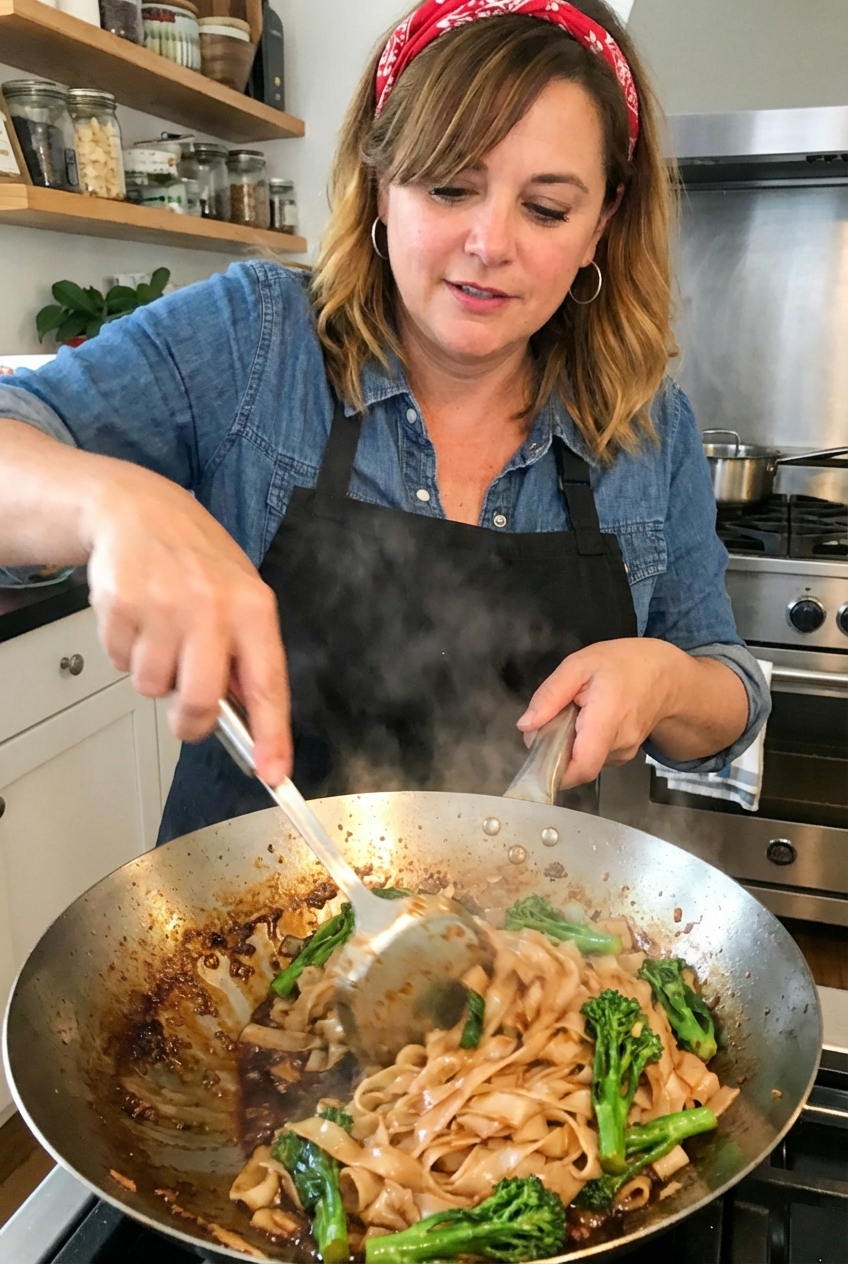
Hands stirring wide rice noodles in a hot wok with Chinese broccoli and sauce starting to caramelize

Why It Works

  • Light, not greasy: We use just enough oil to coat the pan and prevent sticking, then rely on high heat for flavor.
  • Fluffy noodles, not a brick: Separating fresh noodles, softening dried noodles correctly, and cooking in batches keeps everything loose.
  • Restaurant style flavor: Dark soy for color, light soy for salt, oyster sauce for depth, and a touch of sugar to help it caramelize.
  • Crisp edges: The noodles get a quick sear time. Stir less, trust the pan more.

Pairs Well With

  • A bowl of Thai cucumber salad with sliced cucumbers, red onion, and herbs

    Thai Cucumber Salad

  • A plate of crispy vegetable spring rolls with sweet chili sauce

    Crispy Spring Rolls

  • A bowl of tom yum soup with shrimp, mushrooms, and herbs

    Tom Yum Soup

  • A plate of mango sticky rice with coconut cream

    Mango Sticky Rice

Storage Tips

How to store

  • Fridge: Cool completely, then store in an airtight container for up to 3 days.
  • Freezer: You can freeze it, but the noodles soften a lot. If you do, freeze up to 1 month and thaw overnight in the fridge.

How to reheat without turning it gummy

  • Skillet method (best): Add a splash of water (1 to 2 tablespoons), cover for 30 seconds to steam, then uncover and stir fry over medium high until hot. Add a tiny drizzle of oil only if it looks dry.
  • Microwave method: Sprinkle with water, cover loosely, microwave in 30 second bursts, stirring between rounds.

Common Questions

What makes Pad See Ew taste like it came from a restaurant?

High heat, a little char, and the right sauce balance. Dark soy gives that signature color, oyster sauce adds savory depth, and sugar helps everything caramelize. Also, do not overcrowd the pan.

Can I use dried wide rice noodles instead of fresh?

Yes. Cook them to just under al dente, rinse briefly, then toss with a teaspoon of oil so they do not glue together. They will finish cooking in the pan.

What is the best substitute for Chinese broccoli (gai lan)?

Broccolini is the closest. Regular broccoli works too, just slice it thin and blanch or microwave it for a minute so it does not stay crunchy in a weird way.

My noodles keep breaking. What did I do wrong?

Dried noodles can break if they are overcooked or if you stir aggressively. Keep them slightly firm when boiling, then use a wider spatula and more pushing than tossing in the pan.

Is Pad See Ew supposed to be spicy?

Not traditionally. If you want heat, serve with Thai chili flakes, sliced fresh chiles, or chili vinegar on the side.

I started making Pad See Ew when I realized I was chasing the same takeout order every week. The first few tries were… aggressive. I kept stirring like my life depended on it and ended up with noodles that looked fine but ate like a single connected sheet of pasta.

Then I learned the move: hot pan, quick batches, and a little bravery. Let the noodles sit. Let them hiss. And when the kitchen smells like toasted soy and caramelized edges, you know you nailed it.