Mom's Best Recipes
Recipe

Classic Pasta Primavera Recipe

Bright lemon, sweet blistered tomatoes, crisp spring veggies, and a silky Parmesan finish. This tangy and sweet pasta is weeknight-friendly but feels restaurant-level.

Author By Matt Campbell
4.8
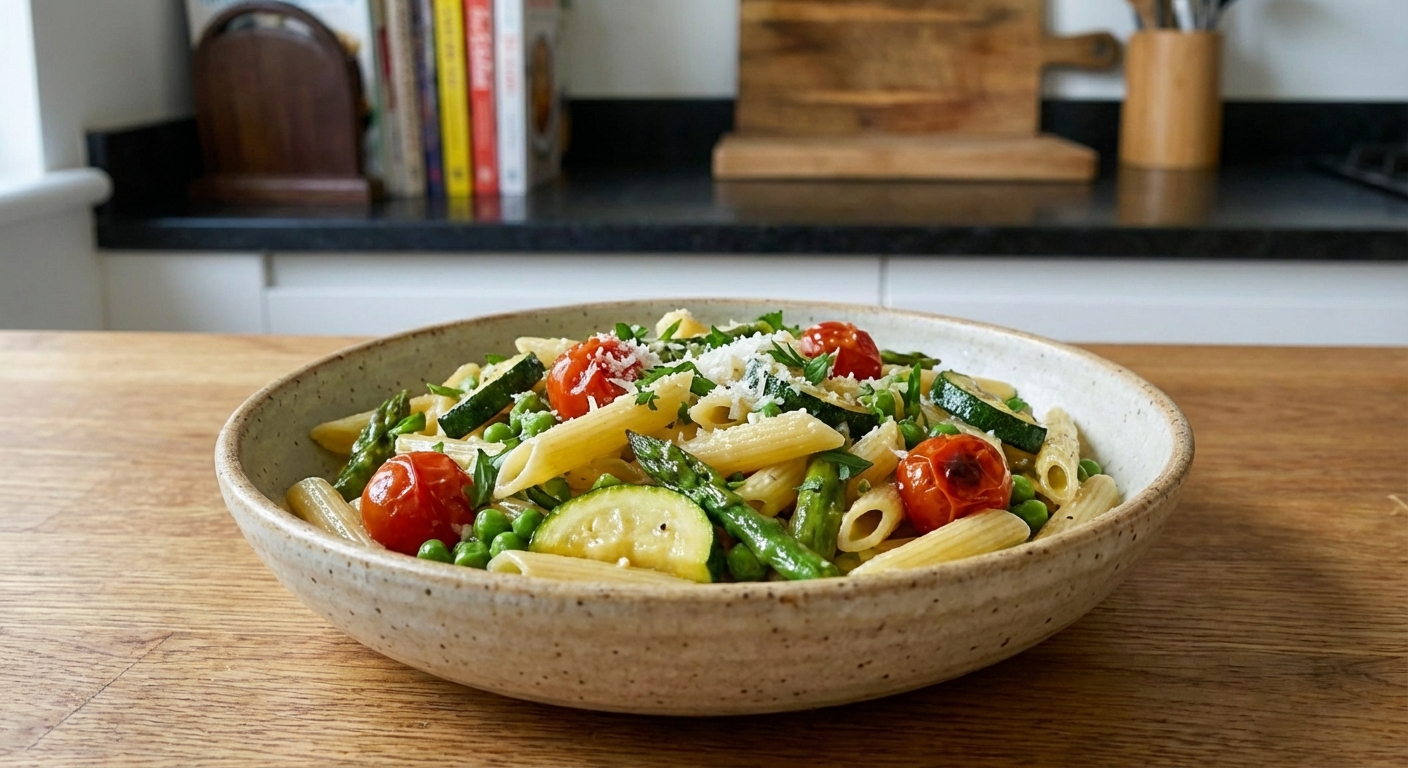
A bowl of pasta primavera with penne, blistered cherry tomatoes, zucchini, asparagus, peas, and a glossy lemon Parmesan sauce on a wooden table

Pasta Primavera has a funny reputation. Sometimes it shows up as a sad pile of overcooked veggies on noodles. Sometimes it is basically a cream bomb with a single pea waving from the sidelines. We are not doing either.

This is the version I actually want to eat: crisp-tender vegetables, sweet blistered tomatoes, and a tangy lemon and Parmesan sauce that clings to every ridge of pasta. It tastes fresh and bright, but it still has that cozy, twirlable comfort that makes you go back for one more forkful.

Also, quick note on the word “classic”: Primavera is an Italian-American favorite, so “authentic” here is about the method (good timing, staged veg, and pasta water magic), not pretending it came straight from a nonna’s village kitchen.
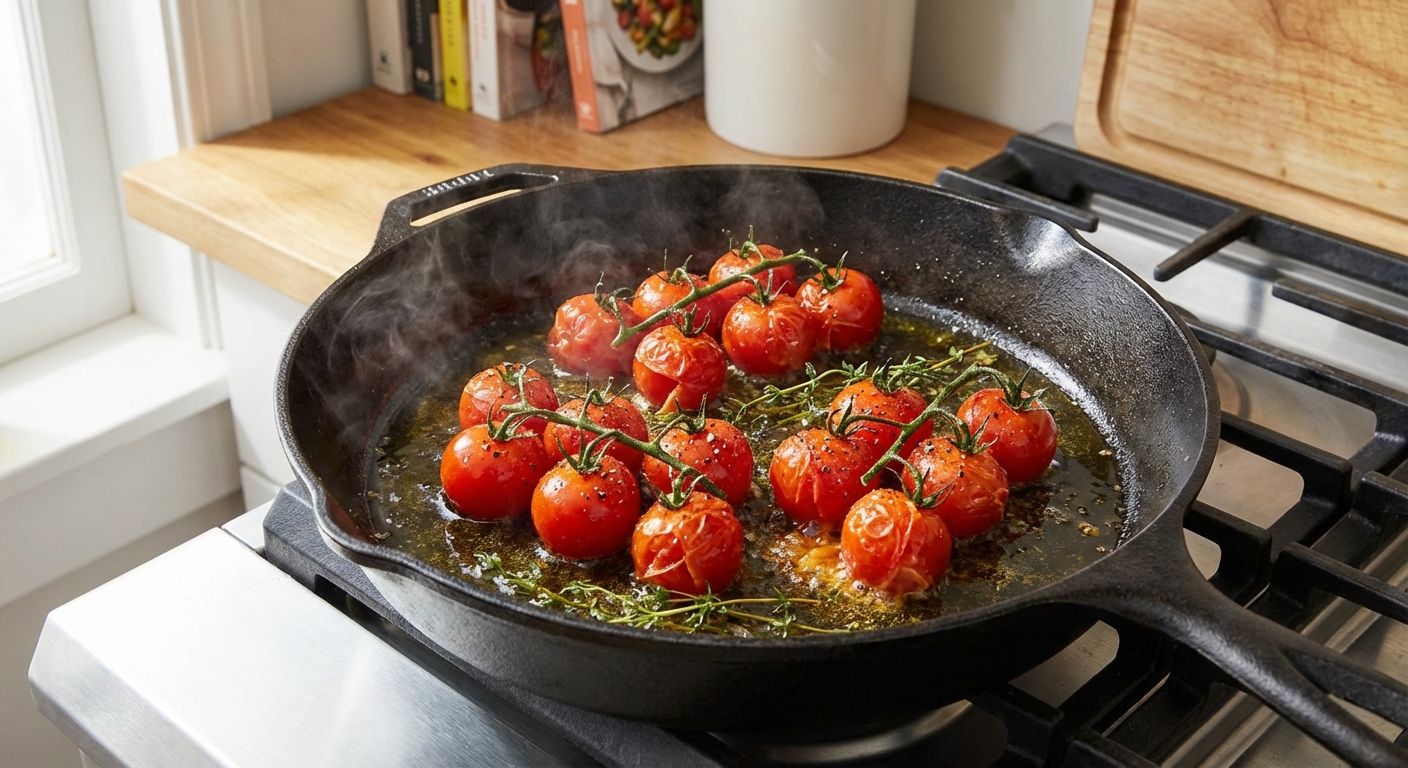
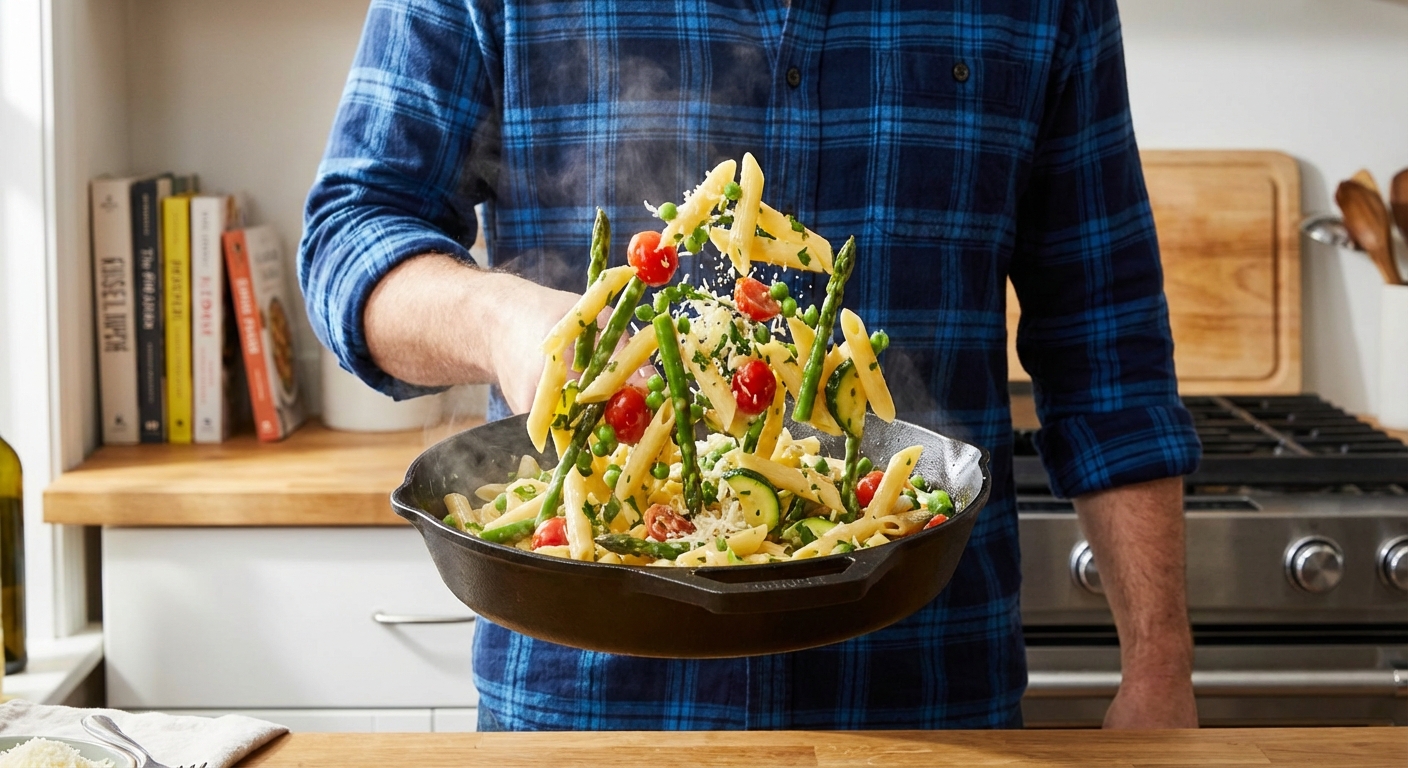
Cherry tomatoes blistering in a skillet with olive oil

Why It Works

  • Tangy and sweet balance: Lemon zest and juice wake everything up, while blistered tomatoes and a tiny touch of honey round the edges.
  • No mushy vegetables: We cook in stages so zucchini stays a little snappy and asparagus keeps its bite.
  • Sauce that actually coats the pasta: Pasta water plus olive oil and Parmesan creates a glossy, emulsified finish without heavy cream.
  • Flexible and accessible: Use what is in the fridge. The method stays the same.

Pairs Well With

Storage Tips

Fridge: Store in an airtight container for up to 3 days. The vegetables will soften a bit, but the flavor stays solid.

Reheat (best way): Add pasta to a skillet with a splash of water or broth and warm over medium heat, tossing until glossy again. Finish with a squeeze of lemon and a pinch of salt.

Microwave: Totally fine. Cover loosely and add 1 to 2 tablespoons water first so it steams instead of drying out.

Freezer: Not my favorite for this one. The vegetables lose their crispness and the sauce can separate.

Common Questions

Is Pasta Primavera actually Italian?

Despite the Italian name, Pasta Primavera is generally considered an Italian American restaurant dish, popularized in the United States in the late 20th century. The spirit of it is very Italian though: great produce, good olive oil, and smart use of pasta water.

Do I have to use cream?

Nope. This recipe uses olive oil, pasta water, and Parmesan to make a light, silky sauce. If you want it richer, you can add a small splash of heavy cream at the end, but it is optional.

What pasta shape is best?

Penne, rigatoni, or farfalle are perfect because they catch the vegetables and sauce. Spaghetti works too, just be extra generous with pasta water when tossing.

How do I keep vegetables from turning soggy?

Cook in stages over fairly high heat, then toss everything together at the end. Also, do not overcrowd the pan. If your skillet is small, cook the zucchini in two batches.

Can I add protein?

Absolutely. Try grilled chicken, shrimp, crispy chickpeas, or white beans. Keep seasoning simple so the lemon and veggies still shine.

I love dishes like this because they feel like a restaurant move, but they are really just good timing and a little confidence. The first time I made a Primavera I went full chaos, dumped every vegetable in at once, and ended up with a watery pan of sadness. Once I started cooking the veggies in stages and treating pasta water like the secret sauce ingredient it is, everything clicked. Now it is my go-to when I want something bright and springy that still counts as comfort food.