Mom's Best Recipes
Recipe

Classic Pecan Pie

Sweet, nutty, and gloriously gooey with a crisp pecan top, this old-school pecan pie bakes up rich without being fussy.

Author By Matt Campbell
4.8
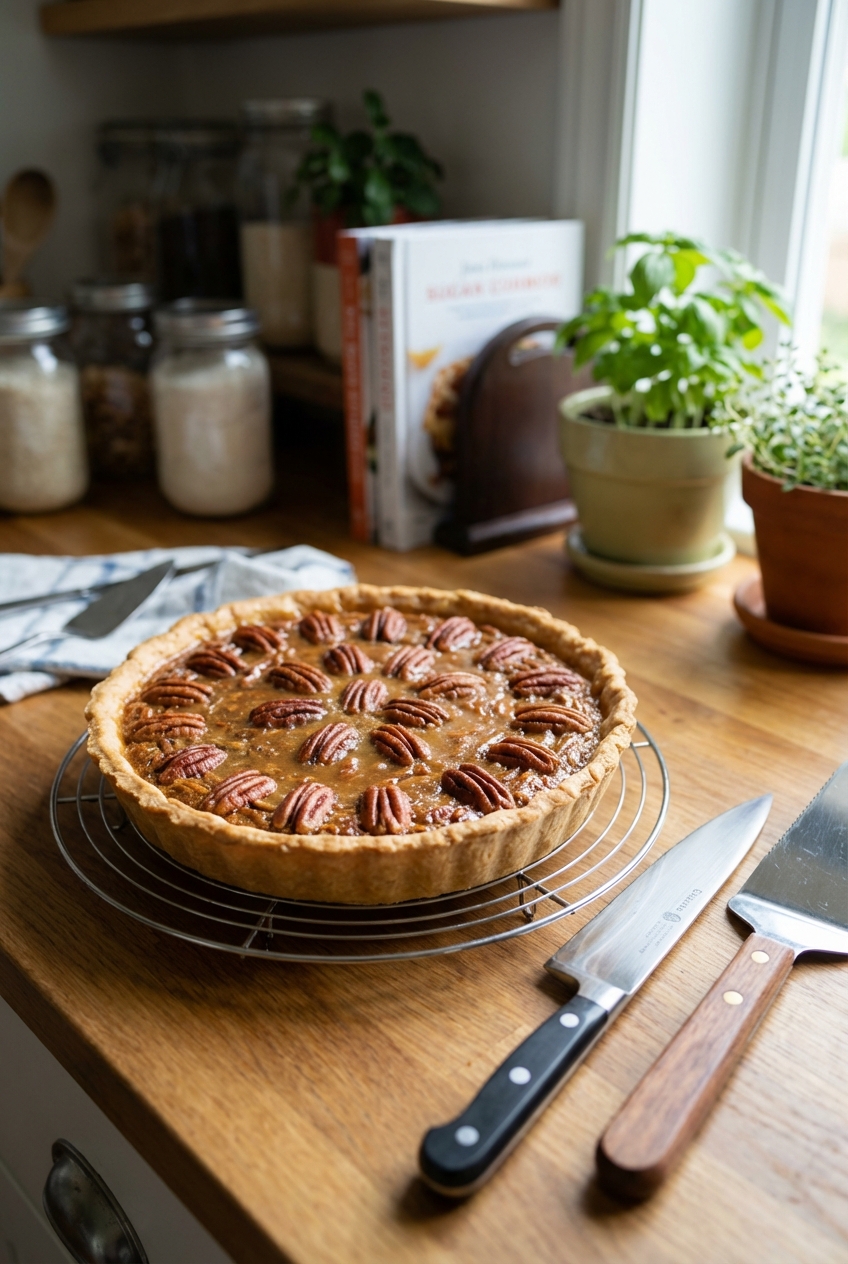
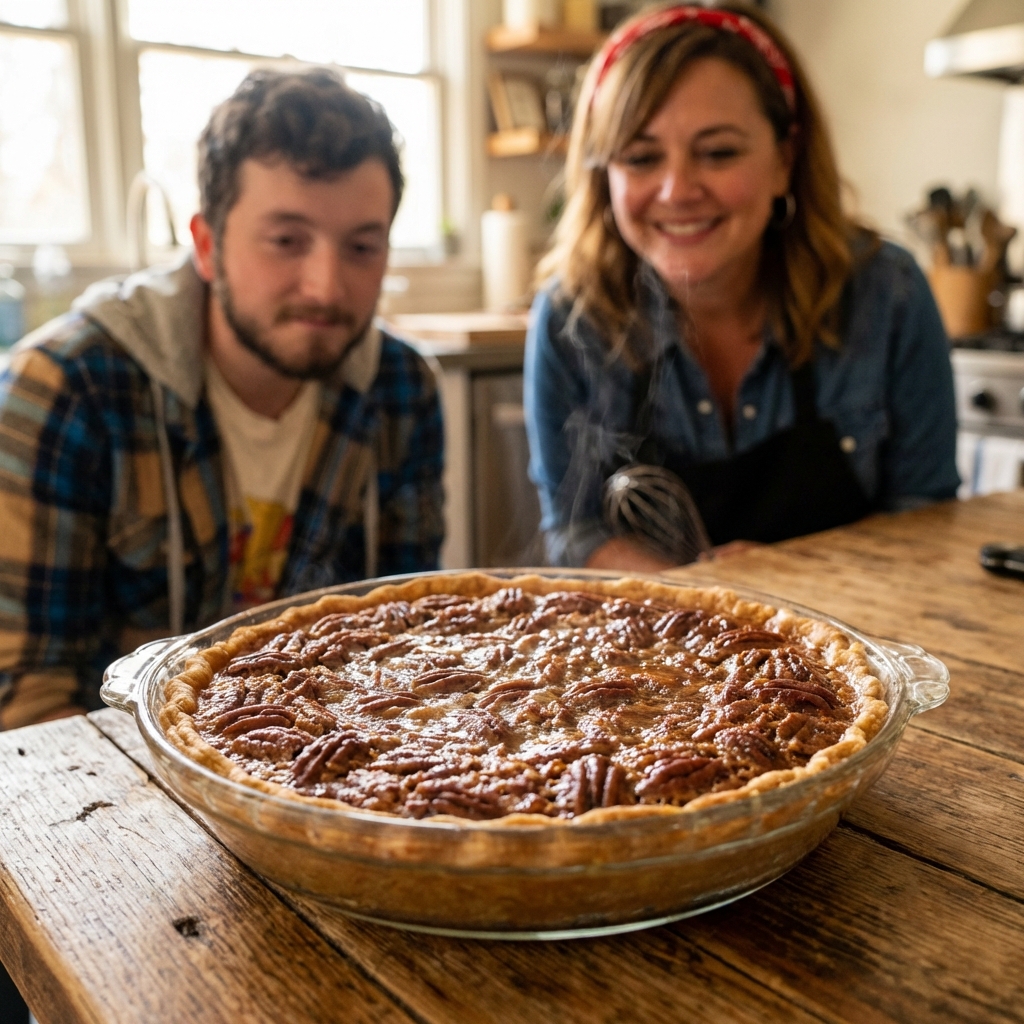
A freshly baked pecan pie with a glossy pecan topping in a glass pie dish on a wooden table

Pecan pie is one of those desserts that shows up to the party already wearing its fancy shoes. It is glossy, golden, and unapologetically rich, like it knows it is going to steal the last five minutes of every holiday conversation. And honestly, it should.

This is my go-to classic pecan pie recipe with a buttery crust, a custardy brown sugar filling, and a top layer of toasted pecans that turns into that signature crackly, caramelized lid. It is sweet and nutty, but not flat or cloying. A little salt and vanilla keep it interesting, and a quick “shield the crust edges” move keeps the crust from over-browning while the center sets.

If you have ever worried about pecan pie being runny, burnt, or weirdly grainy, you are in good hands. We are keeping the ingredients accessible, the steps clear, and the payoff big.

Why It Works

  • Set, sliceable filling with a soft, custardy center that is gooey in a good way, not soupy.
  • Toasty pecan flavor from a quick pre-toast, plus a glossy top that looks bakery-level without extra effort.
  • Balanced sweetness thanks to brown sugar depth, vanilla, and enough salt to make the caramel notes pop.
  • Reliable bake with doneness cues you can actually use, including a simple jiggle test.

Pairs Well With

Storage Tips

Cool first: Let the pie cool completely at room temperature. For food safety, do not leave it out for more than 2 hours total.

Refrigerator: Cover tightly and refrigerate for up to 4 days. The filling firms up when chilled, which makes for very clean slices.

Freezer: Wrap the whole pie or individual slices in plastic wrap, then foil. Freeze for up to 2 months. Thaw overnight in the fridge.

Reheating: Warm slices in a 300°F oven for about 8 to 12 minutes or microwave for 15 to 25 seconds for that just-baked gooeyness. If microwaving, do short bursts so the filling does not bubble aggressively.

Common Questions

How do I know when pecan pie is done?

Look for a pie that is puffed slightly with edges that are set and a center that still has a gentle wobble, like Jell-O. If the center waves like liquid, it needs more time. If you use a thermometer, aim for about 195°F to 200°F in the center. (Temperature is a great backup, but the jiggle test is your best friend.)

Why did my pecan pie turn out runny?

Usually it is one of three things: it was underbaked, it was sliced while warm, or the oven ran cool. Bake until the wobble is small, then let it cool completely, at least 3 to 4 hours.

Why is my pecan pie grainy?

Graininess is typically undissolved sugar or a filling that got a little too hot and started to curdle. Whisk until the sugar looks mostly dissolved, scrape the bowl, avoid over-whisking (bubbles can make the texture weird), and bake to a gentle wobble, not a full set. Also make sure your butter is melted but not scorching hot before it goes in.

Can I use only corn syrup?

Yes. This recipe uses a mix of corn syrup and brown sugar for deeper flavor. If you want an all-corn-syrup version, replace the 1/2 cup packed brown sugar with 1/2 cup corn syrup. The pie will be a bit lighter in caramel flavor and can bake up slightly softer, so use the wobble cue (and the thermometer range) to guide you.

Do I need to pre-bake the crust?

Not mandatory, but a short blind bake helps avoid a soggy bottom, especially in glass pans. If you skip it, bake the pie on a preheated sheet pan to help the bottom crust cook through.

Can I make it ahead?

Absolutely. Pecan pie is a great make-ahead dessert. Bake it 1 day in advance, cool completely, then refrigerate. Bring to room temperature or warm slices before serving.

What if I do not have a pie shield?

Just shield the edges with foil once they are nicely browned, usually around the 30-minute mark. You can fold a long strip of foil into thirds and loosely wrap it around the rim, like a little crust belt.

The first time I made pecan pie on my own, I treated it like a science experiment and a vibe check at the same time. I hovered. I overthought the jiggle. I opened the oven too often. It still disappeared in minutes, which taught me something important: pecan pie is forgiving, but it rewards a little calm confidence. Now I do it like I cook most things, relaxed and tasting the process, even if “tasting” is really just stealing a warm pecan from the pan and calling it quality control.