Mom's Best Recipes
Recipe

Classic Pot Roast Recipe

Fall-apart tender beef, carrots and potatoes, and a glossy gravy that tastes like Sunday dinner on a Tuesday. Simple ingredients, clear steps, and cozy results every time.

Author By Matt Campbell
4.8
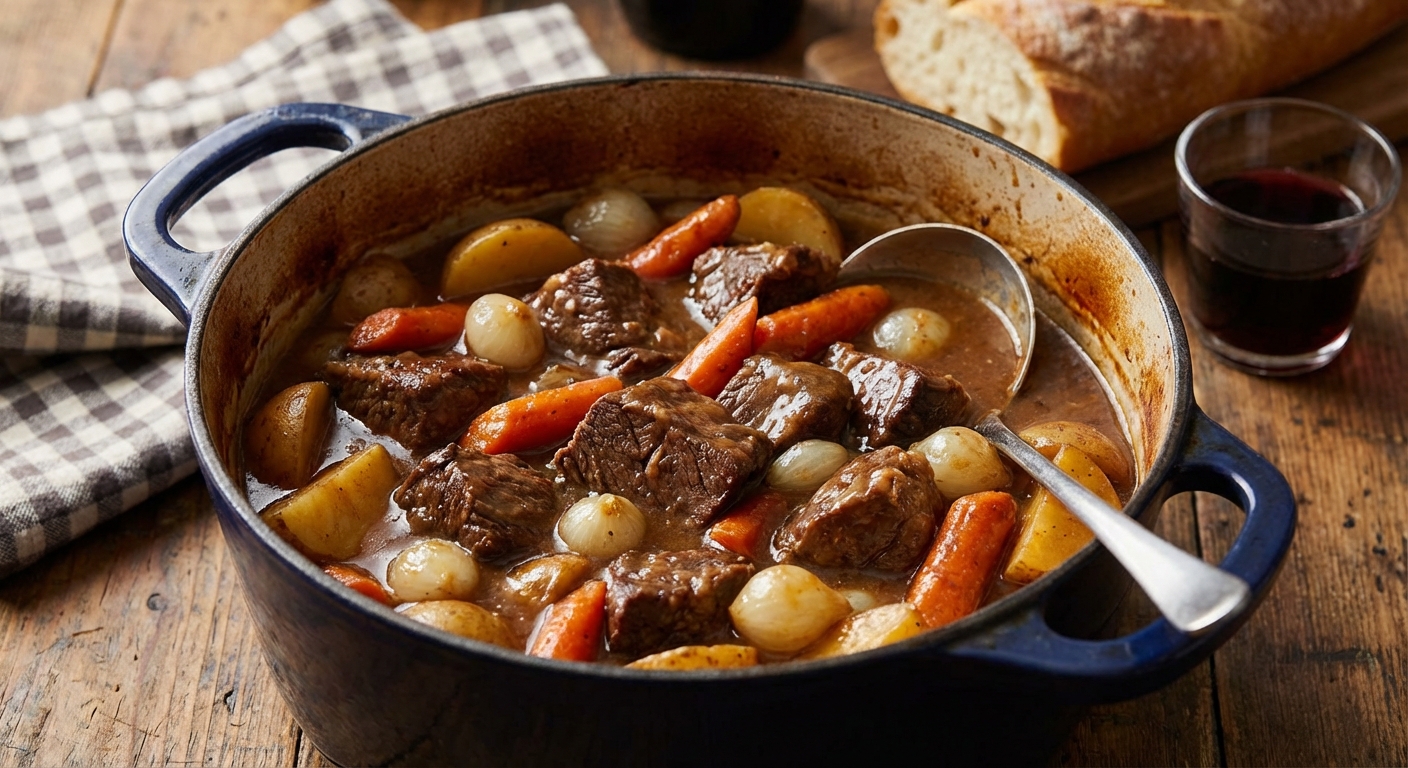
A Dutch oven filled with tender pot roast surrounded by carrots, potatoes, and onions in rich brown gravy on a rustic wooden table

Pot roast is one of those meals that makes the whole house smell like you have your life together, even if your kitchen is currently a little chaotic. It is humble food with serious payoff: seared beef, a handful of sturdy vegetables, and a slow braise that turns everything into something you want to scoop up with bread when nobody is looking.

This is my classic pot roast recipe, built for maximum tenderness and that deep, savory gravy that makes mashed potatoes feel like the only logical side. No weird ingredients, no fussy steps. Just a few smart moves that guarantee juicy meat and real flavor.
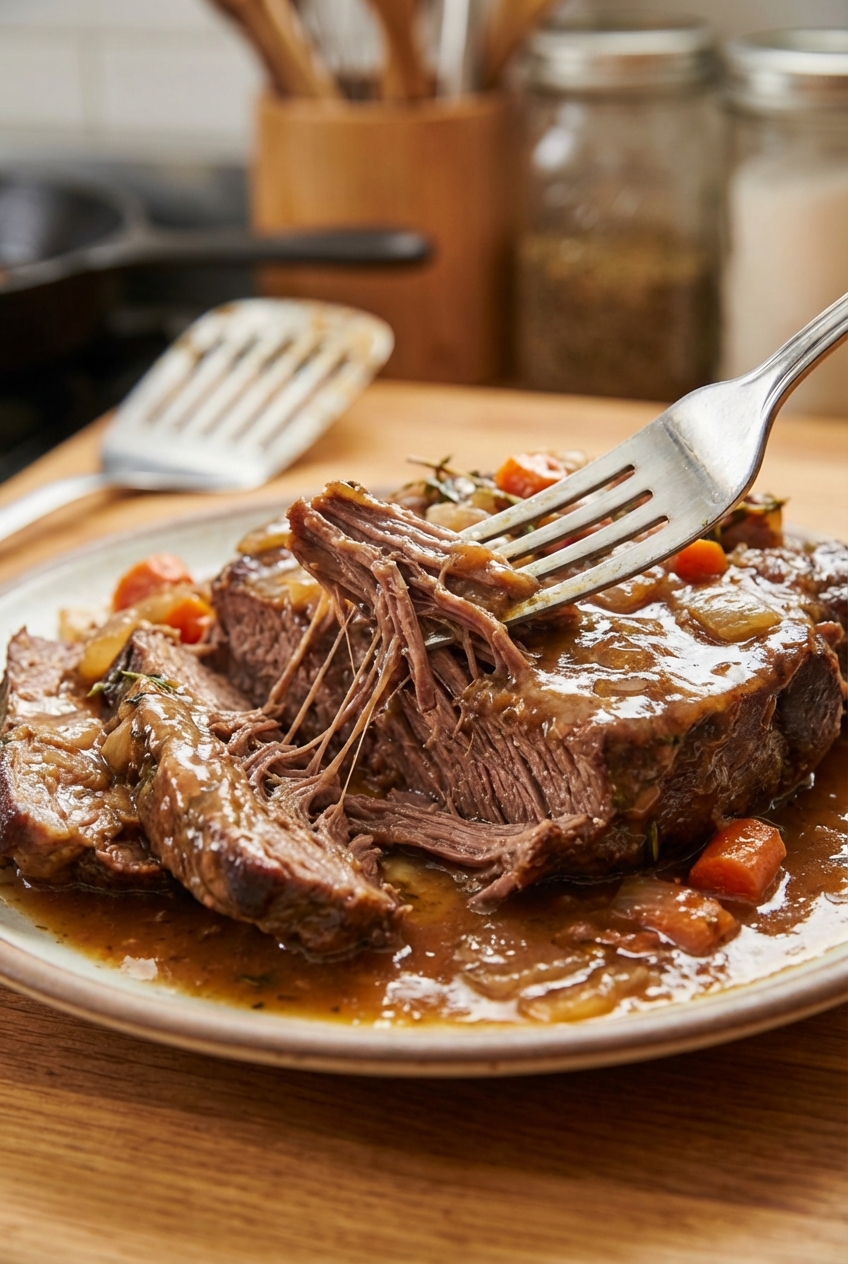
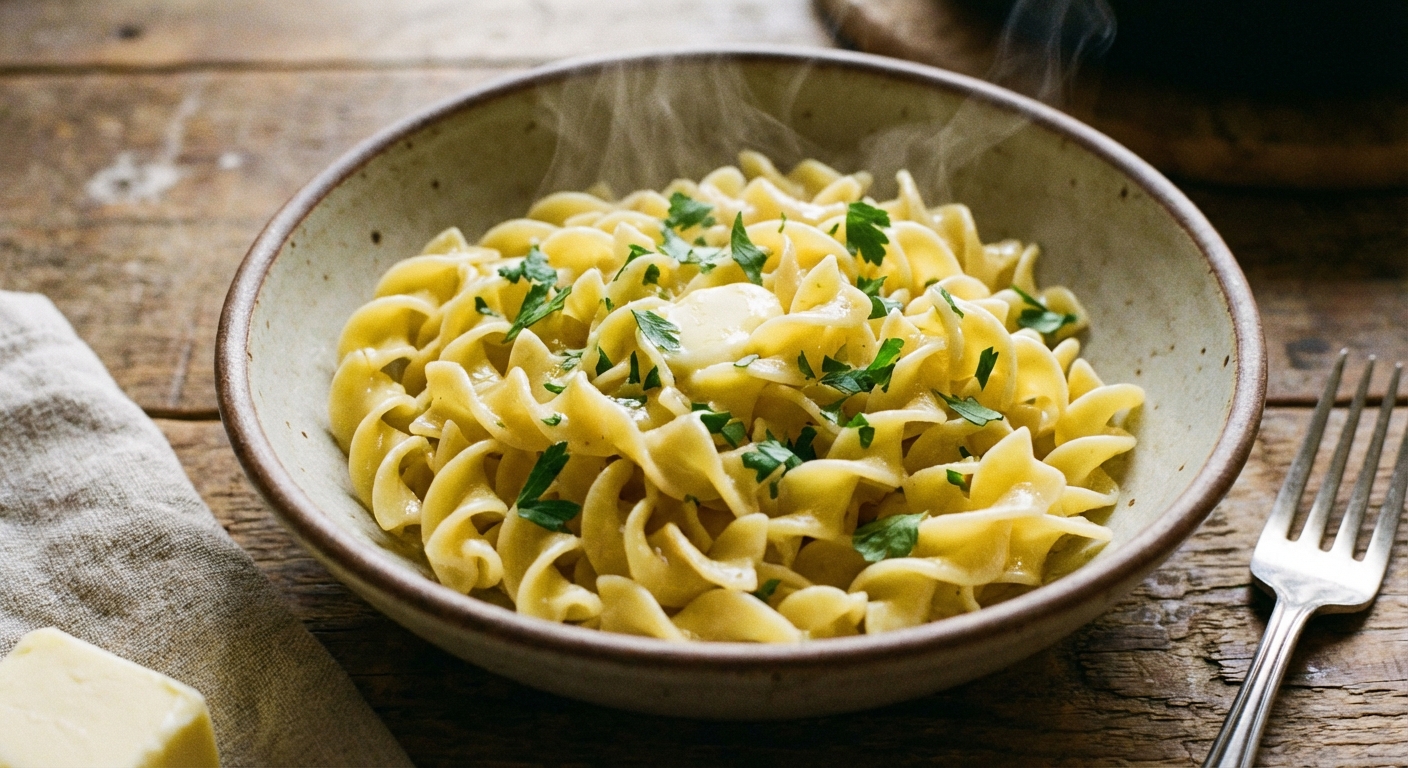
A close-up photograph of a fork pulling apart a slice of pot roast showing tender strands and glossy gravy

Why It Works

  • Juicy, tender beef: We use a well-marbled chuck roast and cook it low and slow until it is pull-apart soft.
  • Big flavor from simple steps: A hard sear plus tomato paste and aromatics builds a rich base fast.
  • Vegetables that do not turn to mush: Add potatoes and carrots at the right time so they stay hearty, not sad.
  • Gravy you actually want: The braising liquid reduces into a glossy, spoon-coating sauce. Optional cornstarch makes it extra silky.

Pairs Well With

Storage Tips

Food safety note: Refrigerate leftovers within 2 hours of cooking, and reheat until steaming hot (aim for 165°F if you want a number).

Refrigerate: Cool leftovers, then store beef and vegetables with plenty of gravy in an airtight container for up to 4 days. Keeping the meat in the liquid helps it stay juicy.

Freeze: Freeze in a freezer-safe container for up to 3 months for best quality. Freeze the beef with gravy for the best texture. Potatoes can get a little grainy after freezing, so you can freeze them separately or plan to serve leftovers over mashed potatoes or noodles instead.

Reheat: Warm gently on the stove over low heat, covered, adding a splash of broth or water if the gravy has thickened too much. Microwave works too, but do it in short bursts and stir the gravy so it heats evenly.

Leftover ideas: Shred beef into toasted sandwiches with provolone, fold into quesadillas, or pile onto baked potatoes with extra gravy.

Common Questions

What cut of beef is best for pot roast?

Chuck roast is the gold standard. It has enough fat and connective tissue to turn buttery during a long braise. Brisket and bottom round can work, but chuck is the most forgiving for juicy results.

Why is my pot roast tough?

Tough usually means it needs more time, not less. Collagen takes time to break down. Keep braising until a fork twists easily in the meat. If you like using a thermometer, shreddable pot roast often lands around 190 to 205°F, but tenderness is the real test. Also make sure you are cooking at a gentle simmer, not a hard boil.

Do I have to sear the roast?

You do not have to, but you really should. Searing builds deep flavor through browning. Think of it as the difference between “fine” and “wow.”

When do I add potatoes and carrots?

Add them for the last 60 to 90 minutes so they turn tender but do not collapse. Cut them into similar-size pieces so they cook evenly. They do not need to be fully submerged, just nestled into the braise.

How do I thicken the gravy?

You can reduce it on the stove until glossy, or whisk in a cornstarch slurry. Both work. Reducing gives the deepest flavor. For slurry, start small and add more as needed.

Can I make this in a slow cooker?

Yes. Sear the meat and sauté the onions, garlic, and tomato paste on the stove first, then transfer to the slow cooker. Cook on LOW for 8 to 9 hours or HIGH for 4 to 5 hours, until the roast is fork-tender. Add potatoes and carrots during the last 2 to 3 hours on LOW so they do not turn mushy.

The first time I made pot roast on my own, I was convinced it would be one of those meals that only works when someone’s grandma is supervising. But pot roast is basically a team project where time does most of the heavy lifting. You sear, you stir, you put the lid on, and then you let the oven do its slow, cozy magic. Now it is one of my favorite “feed people without stress” dinners. The best part is watching everyone go quiet after the first bite, because the gravy is doing its job.