Mom's Best Recipes
Recipe

Classic Gravy Recipe

Silky, lump-free gravy with big savory flavor in under 15 minutes. Works with turkey, chicken, beef, or veggie broth and tastes like you babysat it all day.

Author By Matt Campbell
4.8
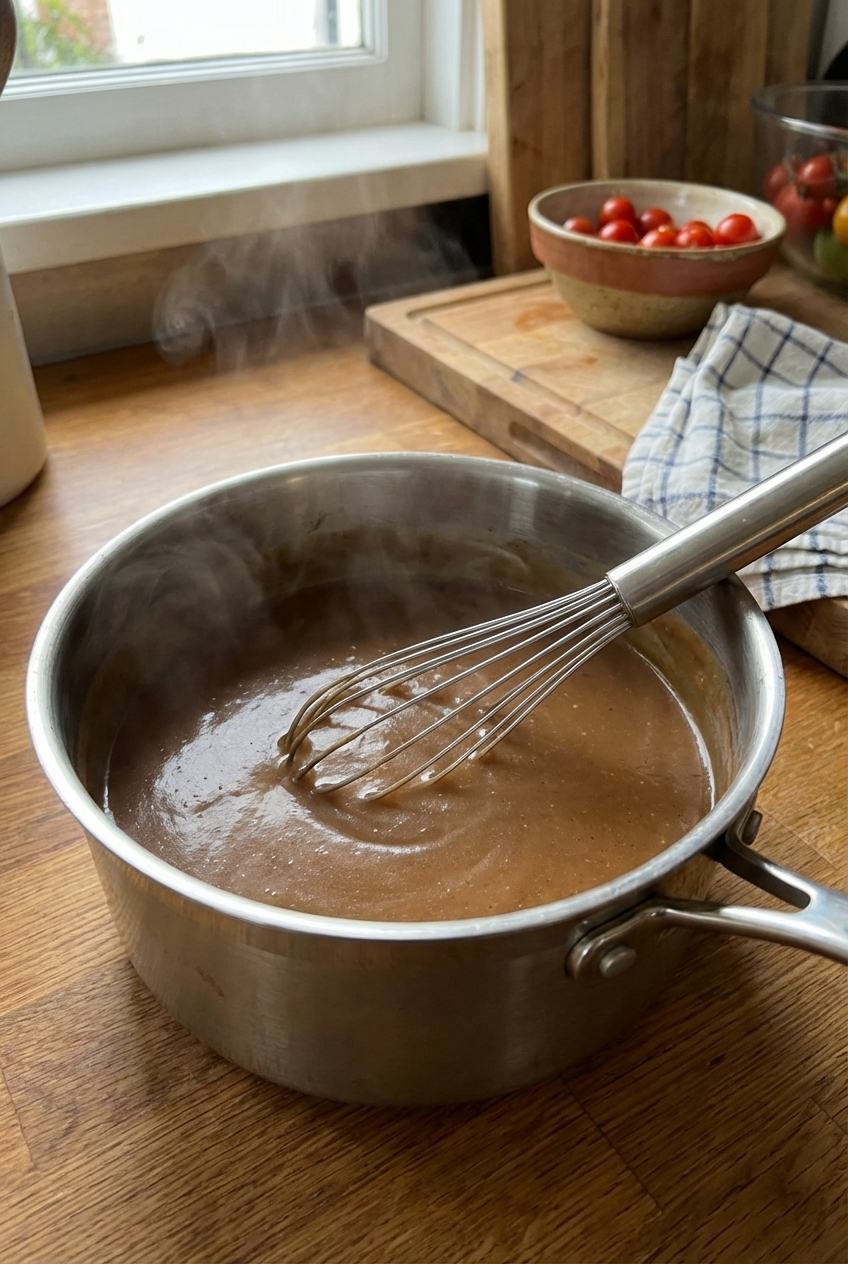
A small saucepan of glossy brown gravy being whisked on a stovetop with a wooden spoon and cracked black pepper nearby

Gravy is one of those things that feels mysterious until you make it once, then you’re like, wait, that’s it? The not-so-secret formula is roux + warm broth + steady whisking, and a little patience while the starch does its thickening magic.

This is my classic, smooth gravy that plays nice with whatever you’ve got: turkey drippings, chicken fat, beef drippings, or just butter when the pan is tragically empty. It lands glossy, savory, and spoon-coating, with zero lumps and no weird floury aftertaste.

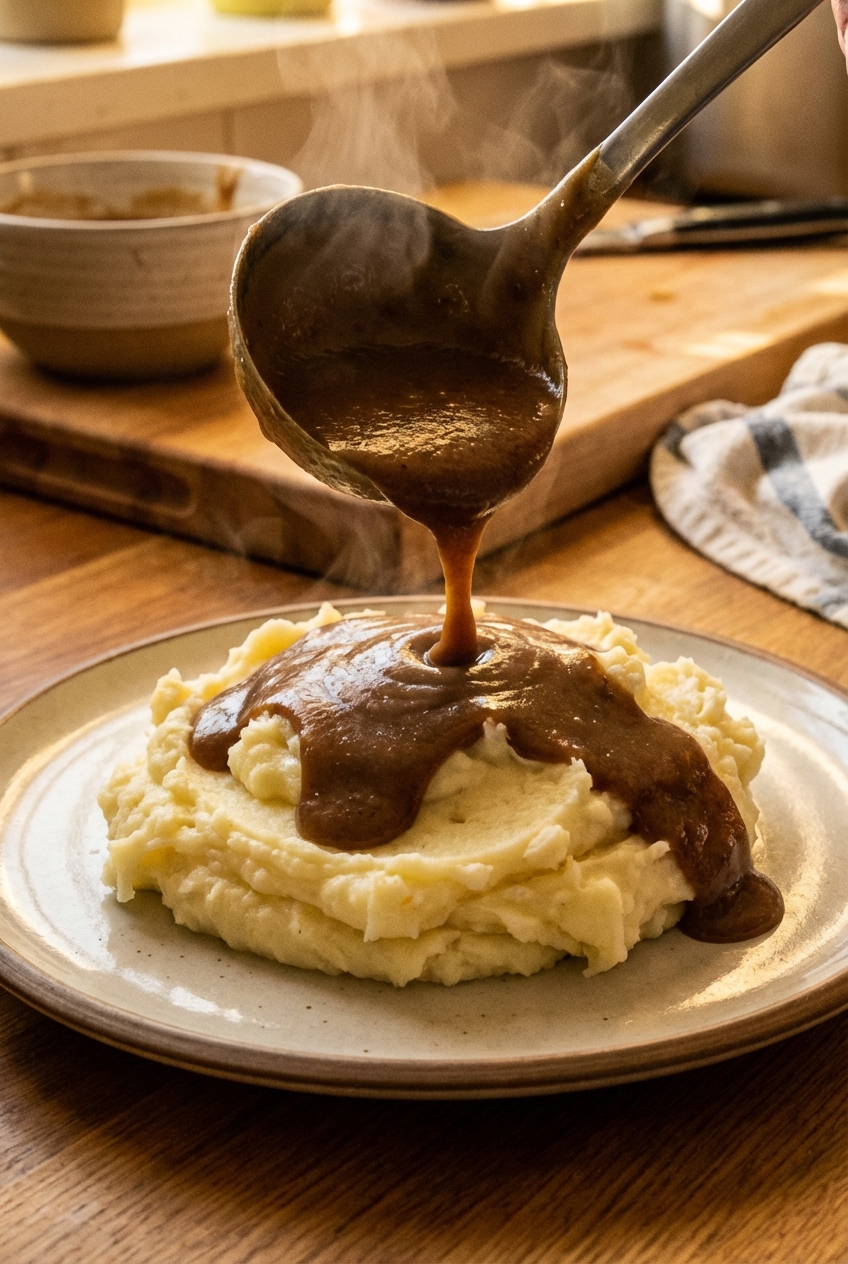
A ladle pouring smooth gravy over mashed potatoes on a dinner plate under warm kitchen lighting

Why It Works

  • Silky texture, no lumps: We cook the flour in fat first, then whisk in liquid gradually so the starch disperses and hydrates smoothly instead of clumping.
  • Deep flavor fast: Drippings add instant roastiness, plus a quick simmer smooths everything out.
  • Easy to adjust: Too thick? Add broth. Too thin? Simmer or whisk in a tiny slurry.
  • Flexible: Works with pan drippings or plain butter, and any broth you have in the pantry.

Pairs Well With

Storage Tips

How to Store and Reheat Gravy

  • Refrigerate: Cool, then store in an airtight container for up to 4 days.
  • Freeze: Freeze up to 3 months. (Butter-based gravies freeze well. Gravy with lots of cream can separate a bit, but usually comes back with whisking.)
  • Reheat: Warm in a saucepan over low heat, whisking often. Add a splash of broth or water to loosen if needed.
  • If it thickens too much: Whisk in warm broth 1 to 2 tablespoons at a time until it’s glossy again.

Common Questions

Common Questions

How do I keep gravy smooth?

Make a roux first, then whisk in broth gradually. Warm broth helps it blend in faster, but the real key is pace. Add liquid a little at a time and whisk like you’re trying to prove a point for the first minute. If you pour too much too fast, lumps can happen even with warm broth.

I already have lumps. Can I fix it?

Yes. Strain it through a fine-mesh sieve, or blitz briefly with an immersion blender. Then return to the pot and simmer for 1 to 2 minutes to smooth out the texture.

What if I do not have drippings?

Use butter plus broth. To add more “roasty” flavor, whisk in a tiny splash of soy sauce or Worcestershire at the end, then taste.

My drippings are super fatty. What do I do?

Totally normal. Spoon off excess fat or use a fat separator, then measure 3 tablespoons fat for the roux. Use broth (and any defatted juices) for the rest of the liquid so your gravy tastes rich, not greasy.

How do I make it darker and more flavorful?

Cook the roux a little longer, 2 to 4 minutes, until it turns light golden and smells nutty. If you have browned bits in the pan (fond), deglaze with a splash of broth (or a little wine), scrape it up, then proceed. Your gravy will taste like it came from a restaurant.

How do I thicken gravy quickly?

Option 1: simmer uncovered until thicker. Option 2: mix 1 tablespoon cornstarch with 1 tablespoon cold water, whisk it in, and simmer 1 to 2 minutes. That amount gives light to medium thickening for about 2 cups of liquid, so repeat in small increments if you want it thicker.

Can I make this gluten-free?

Yes. Skip the flour roux and use a cornstarch slurry (start with 1 tablespoon cornstarch mixed with 1 tablespoon cold water per 2 cups broth for light to medium thickness). Simmer 1 to 2 minutes until glossy and thickened, then add more slurry if needed.

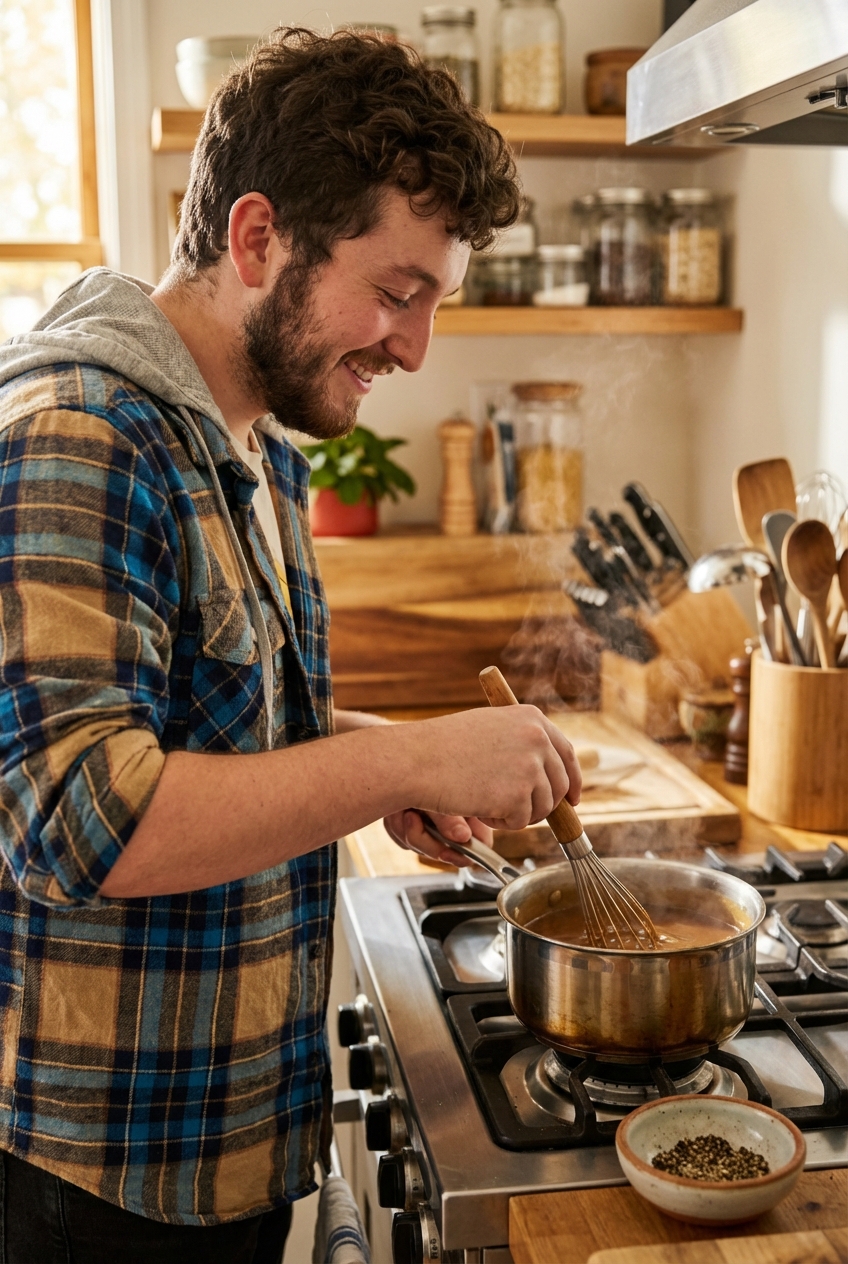
The first time I made gravy on my own, I treated it like a fragile science experiment. I stared at the flour like it might personally betray me. It did. Lumps happened. But then I strained it, tasted it, and realized something important: gravy is forgiving if you keep moving and keep tasting. Now it’s one of my favorite last-minute kitchen moves, because it turns a simple plate of potatoes and chicken into “someone cares about me” food.