Mom's Best Recipes
Recipe

Classic Spam Musubi

A classic-style Spam musubi with a glossy soy-sugar glaze, furikake rice, and a warm hit of ginger, garlic, and sesame.

Author By Matt Campbell
4.8
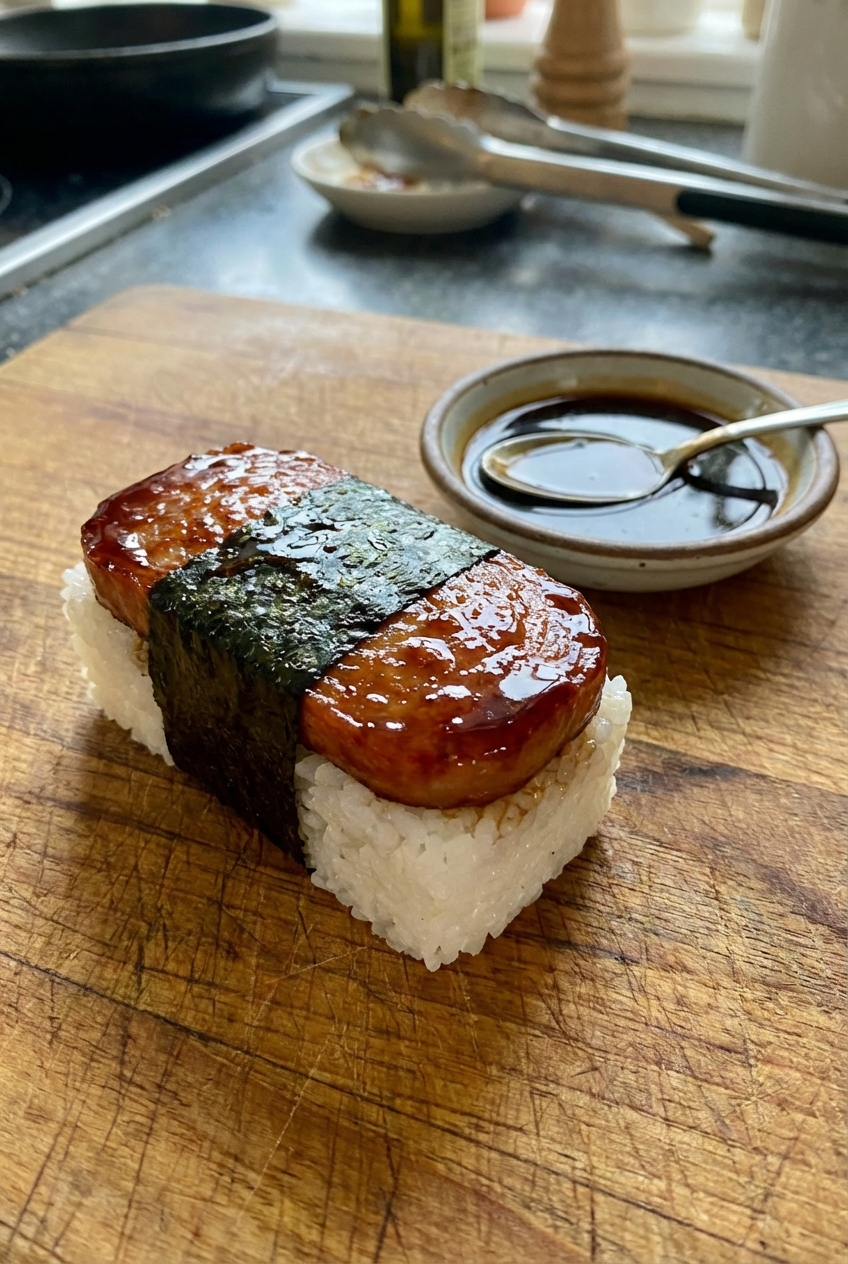
A close-up photograph of Spam musubi on a wooden cutting board, showing glossy glazed Spam on compacted rice wrapped with nori, with a small dish of sauce nearby

Spam musubi is the snack that proves two things can be true at once: it can be ridiculously simple and still taste like you did something special. You have warm rice, a salty-sweet slab of Spam, and a crisp nori wrap that makes the whole thing feel handheld and official.

This version keeps it classic-style, but leans into spiced and aromatic flavor with ginger, garlic, and toasted sesame. Nothing fancy, nothing hard to find. Just the kind of seasoning that makes you pause mid-bite and go, “Okay, wow.”
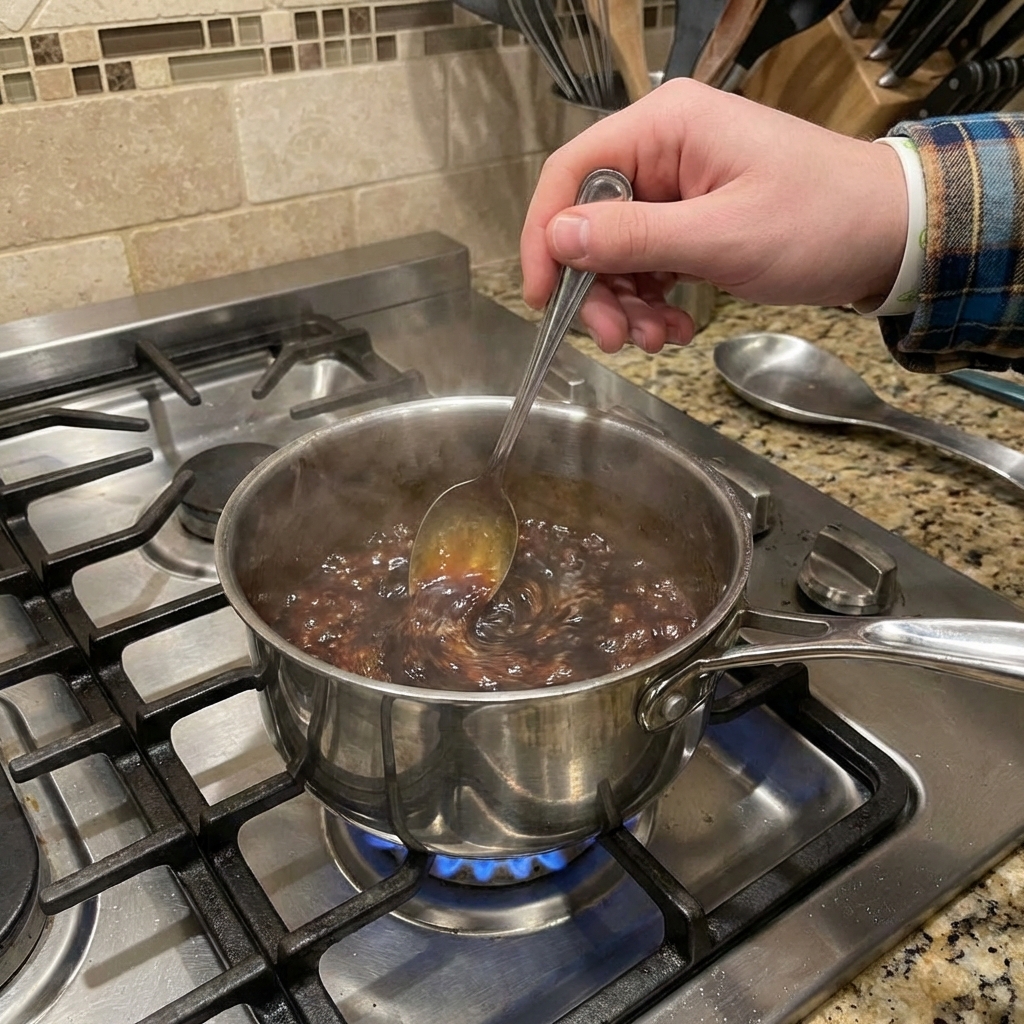
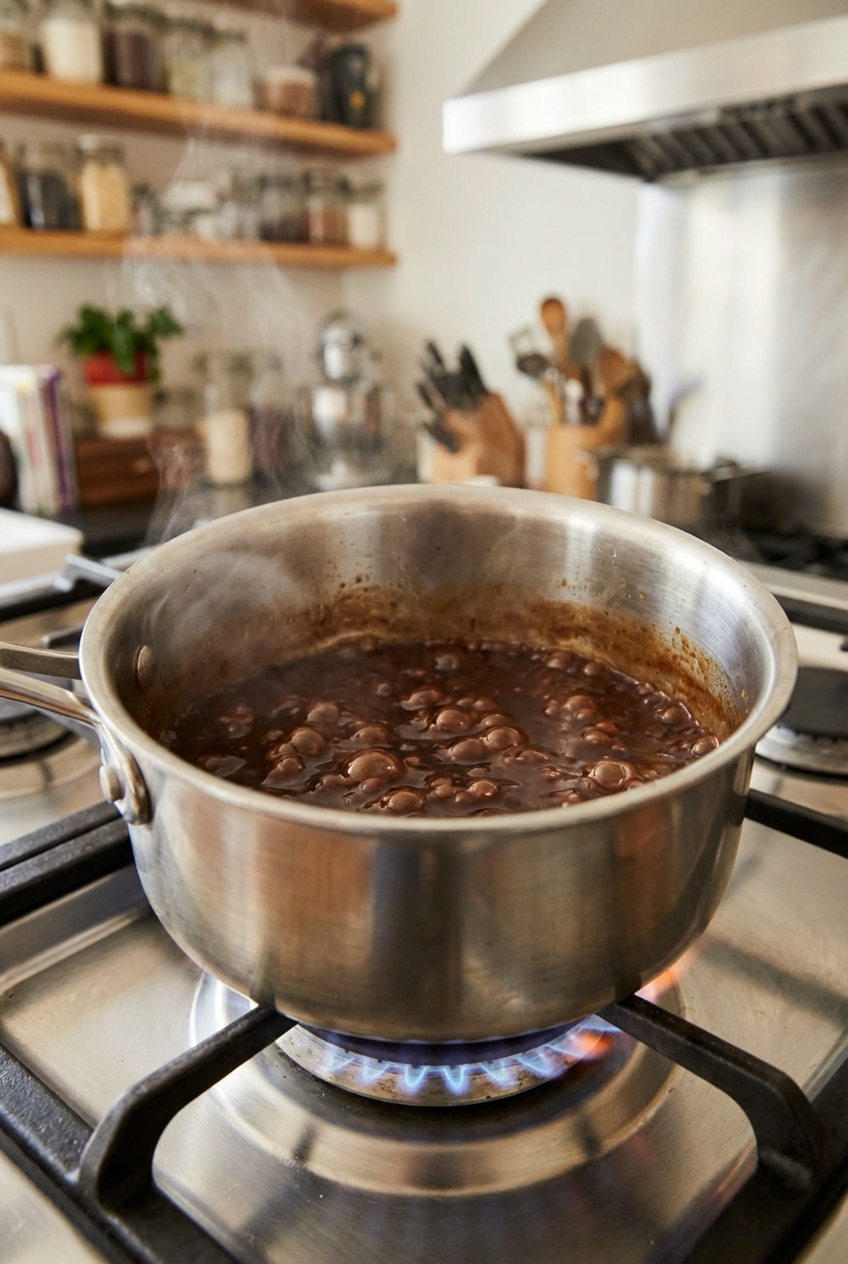
A real photograph of a small saucepan on a stove with a dark soy glaze simmering and a spoon stirring it

Why It Works

  • Glossy, clingy glaze that caramelizes on the Spam instead of sliding off.
  • Rice that holds together without turning gummy, thanks to a quick cool-down and light (optional) seasoning.
  • Big flavor with minimal ingredients: soy sauce, sugar, ginger, garlic, and sesame do the heavy lifting.
  • Weeknight friendly: the whole thing is faster than ordering takeout once you have rice cooked.

Pairs Well With

Storage Tips

Musubi is best the day you make it, but leftovers can still be great if you store them the right way.

Fridge

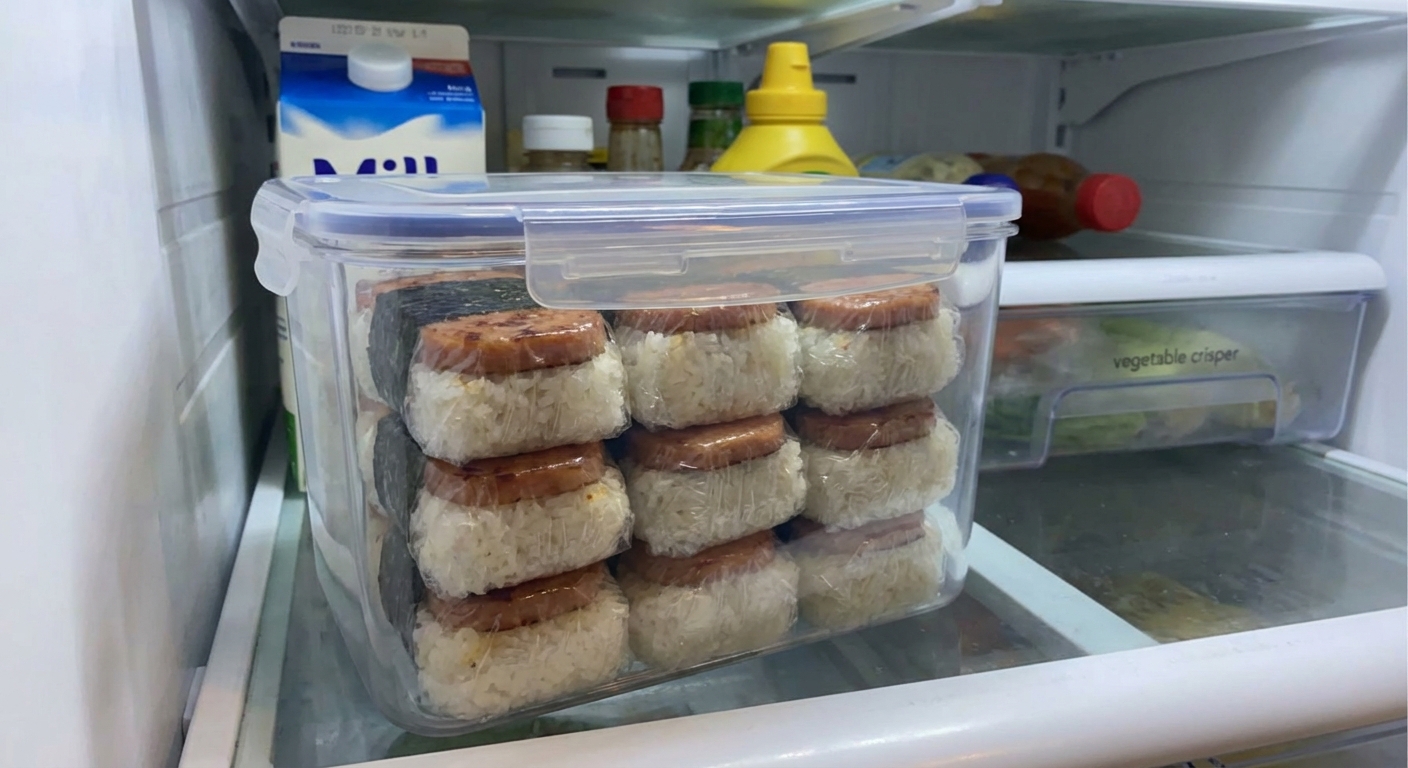
  • Wrap each musubi tightly in plastic wrap or foil, then place in an airtight container. This helps prevent the rice from drying out.
  • Refrigerate up to 2 days.

Reheating tip (so the rice is not rock-hard)

  • Unwrap, then wrap loosely in a damp paper towel and microwave 20 to 40 seconds, just until the rice softens.
  • For best texture (and for food safety), reheat until the rice is steaming hot, then let it sit 1 minute.
  • Add the nori back on after warming if you prefer it crispier.

Freezer

  • You can freeze musubi up to 1 month, but the nori texture changes.
  • Best move: freeze rice + Spam wrapped well, and add fresh nori after reheating.

A real photograph of individually wrapped Spam musubi stacked in a clear airtight container in a refrigerator

Common Questions

Do I need a musubi mold?

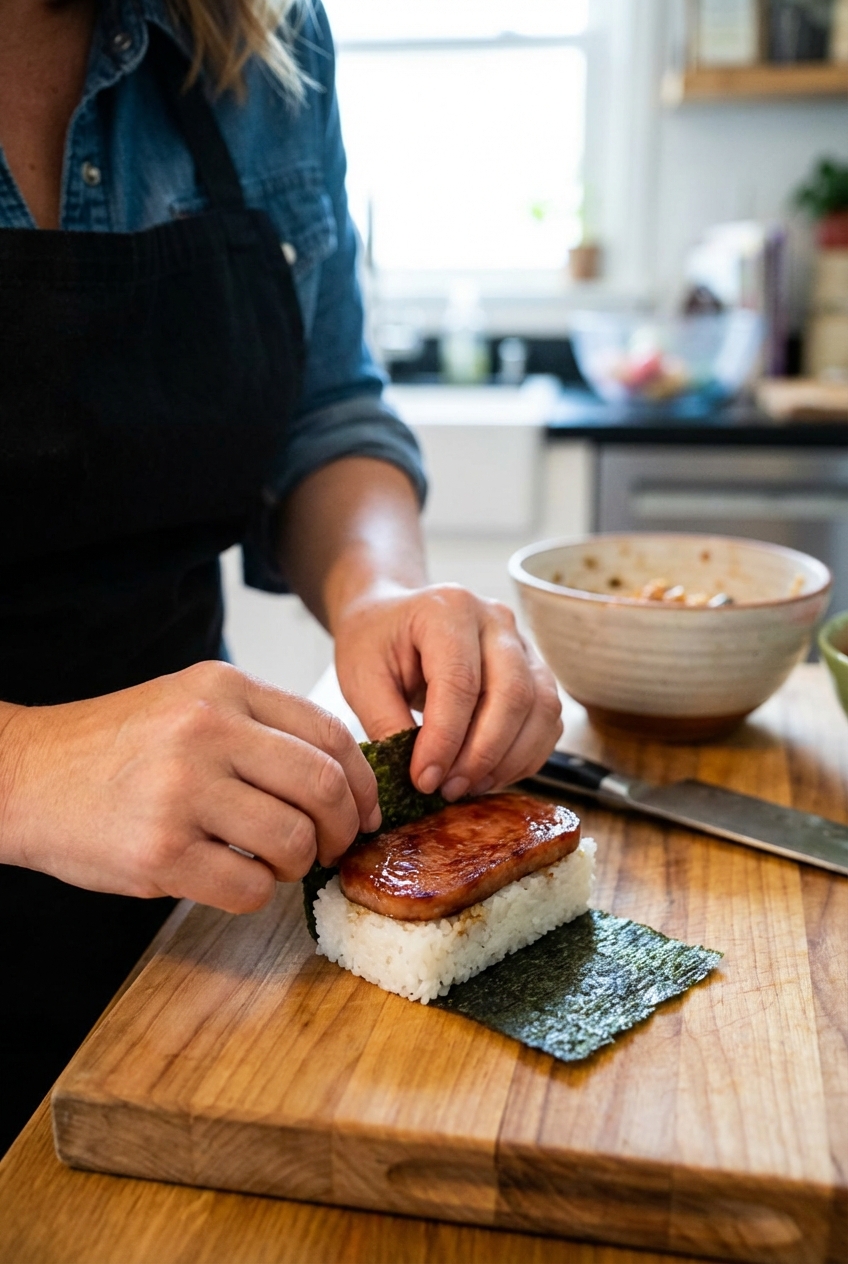
No, but it helps. You can use the clean Spam can as a mold: line it with plastic wrap, press in rice, then lift it out. A small ramekin also works.

What kind of rice should I use?

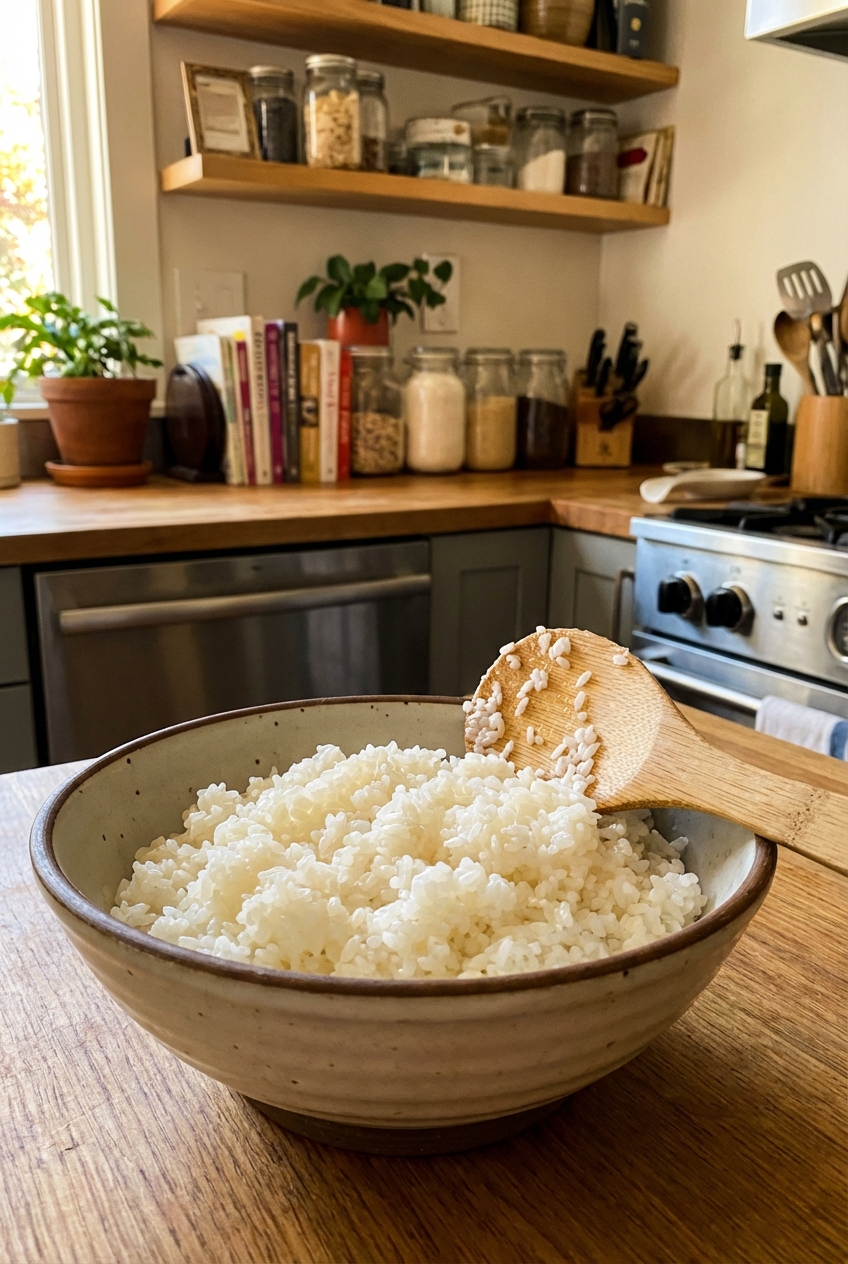
Use short-grain Japanese rice if you can. It sticks together properly and gives musubi that classic bite. Medium-grain can work in a pinch. Long-grain tends to fall apart.

Can I make it less salty?

Yes. Use low-sodium Spam and low-sodium soy sauce. Also, keep the glaze thick and glossy so you need less of it to get great flavor.

What is furikake and is it optional?

Furikake is a Japanese seasoning blend, often seaweed, sesame, and sometimes bonito or egg. It is optional, but it adds that “why does this taste so good?” layer. If you skip it, add a pinch of toasted sesame and a tiny crumble of nori over the rice.

My nori gets chewy. How do I keep it crisp?

Wrap right before eating. If you are packing lunch, keep nori separate and wrap at the last minute. Warm rice also makes nori soften faster, so let the rice cool slightly before assembling.

I love dishes that look like a project but cook like a snack, and musubi lives right in that sweet spot. The first time I made it, I was convinced I needed a special mold, specialty rice, a whole setup. Turns out, you mostly need confidence, a hot pan, and permission to press the rice like you mean it. Now it is my go-to when I want something cozy and salty-sweet that travels well, plus it makes me feel like I have my life together even if my kitchen says otherwise.