Mom's Best Recipes
Recipe

Classic-Style Alfredo Pasta

Silky, cheese-forward Alfredo with a bright tang and a subtle sweetness, finished with plenty of black pepper and glossy noodles.

Author By Matt Campbell
4.8
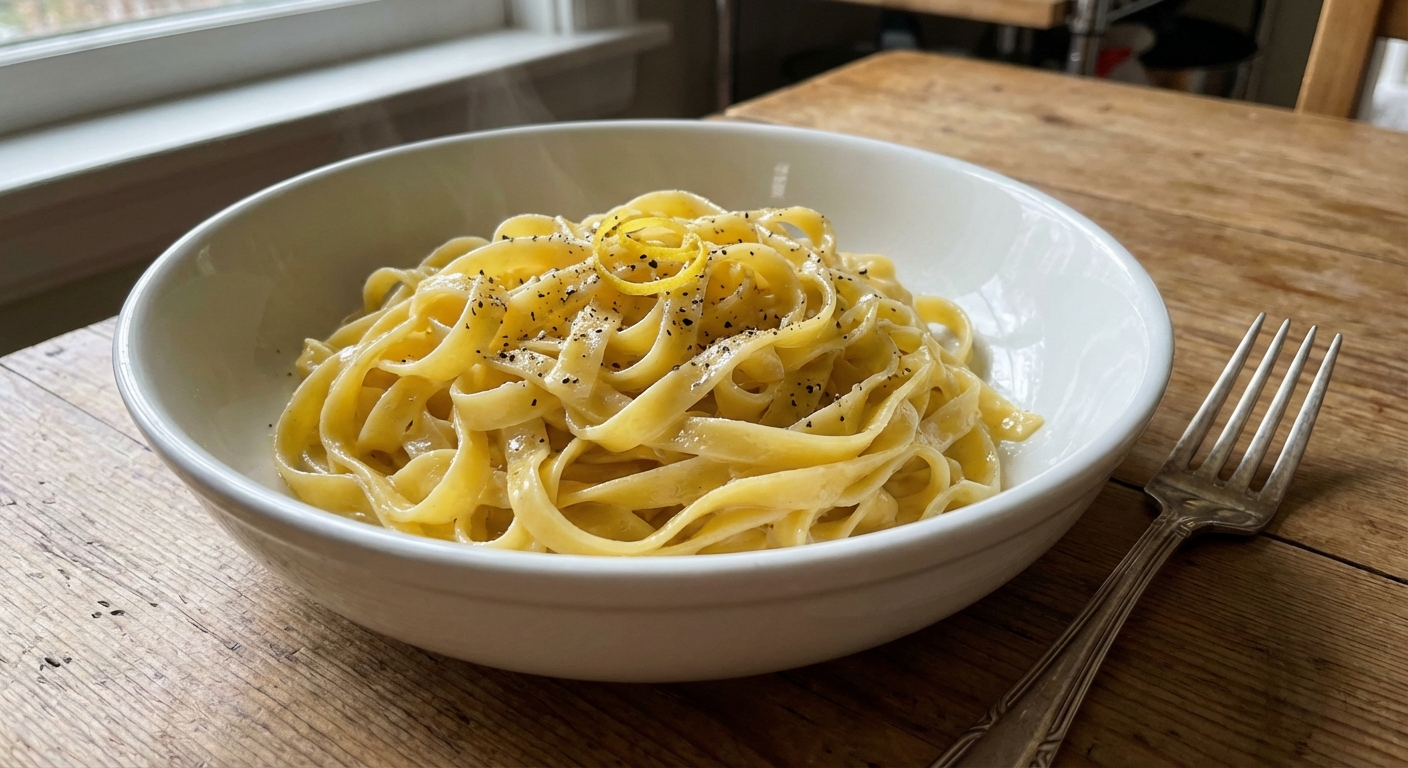
A real photograph of fettuccine Alfredo in a warm white bowl, coated in a glossy Parmesan butter sauce, with cracked black pepper and a few lemon zest curls on top, on a wooden table with a fork beside it

Alfredo has a reputation for being heavy, one-note, and kind of sleepy. This one is not. This is the version I make when I want that classic, Rome-born comfort, but with a little sparkle: a gentle tang (hello, lemon) and the tiniest hint of sweetness to round out the Parmesan bite.

It is still simple. It is still butter, cheese, and pasta water doing that magical kitchen handshake. But with two small moves that make you pause mid-bite and think, “Okay, wow.”

Quick note: traditional Alfredo, in its original style, is not a cream sauce. The classic method is butter + Parmigiano-Reggiano + starchy pasta water. Many American versions add heavy cream, and that is delicious too. We are keeping the authentic method here, then nudging the flavor with lemon and a touch of honey. Accessible ingredients, clear steps, and full permission to taste as you go.
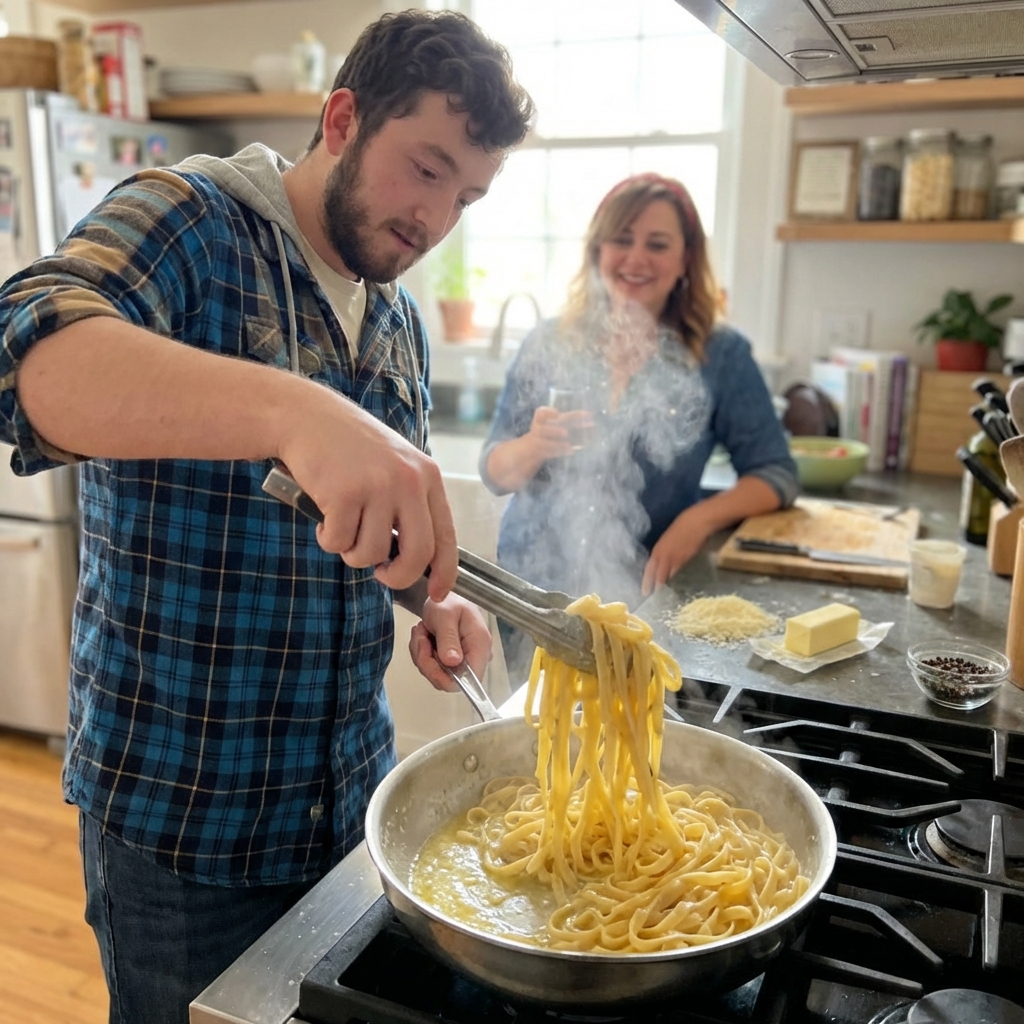
A real photograph of a stainless steel skillet on a stove with fettuccine being tossed in a glossy butter and Parmesan sauce, with steam rising and tongs in the pan

Why It Works

  • Glossy, not gloppy: the sauce emulsifies with pasta water, so it clings in a smooth coat instead of turning into a thick paste.
  • Tangy and sweet balance: lemon lifts the richness, and a small touch of honey softens the Parmesan’s sharp edge.
  • Cozy carbs with crisp edges: optional quick pan-crisp of a little pasta in butter at the end gives you a few browned noodles for texture.
  • Fast but special: weeknight speed with dinner-party energy, especially if you finish with extra cheese and pepper.

Pairs Well With

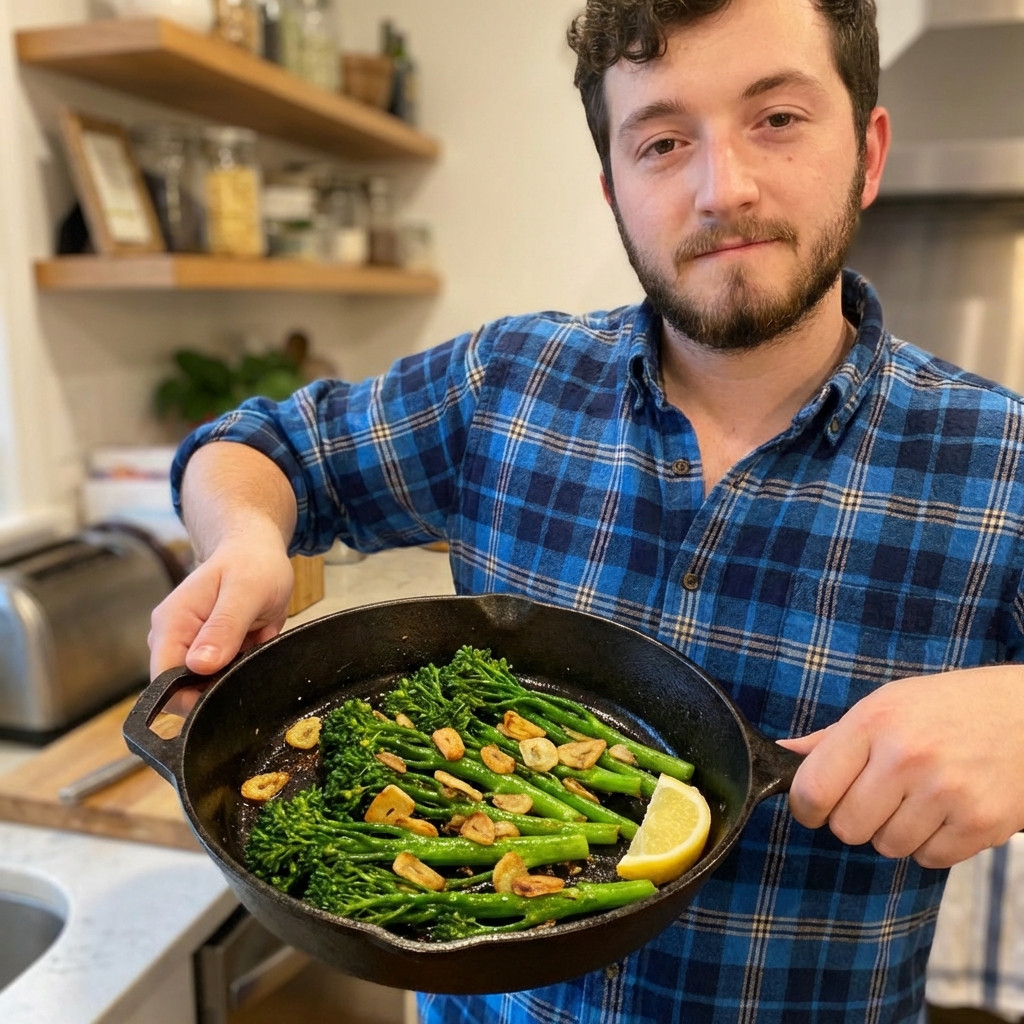
  • A real photograph of garlicky roasted broccolini on a sheet pan with charred tips

    Garlicky roasted broccolini

  • A real photograph of an arugula salad with shaved Parmesan and lemon vinaigrette in a ceramic bowl

    Lemon arugula salad with shaved Parmesan

  • A real photograph of sliced crispy chicken cutlets on a cutting board with flaky salt

    Crispy chicken cutlets

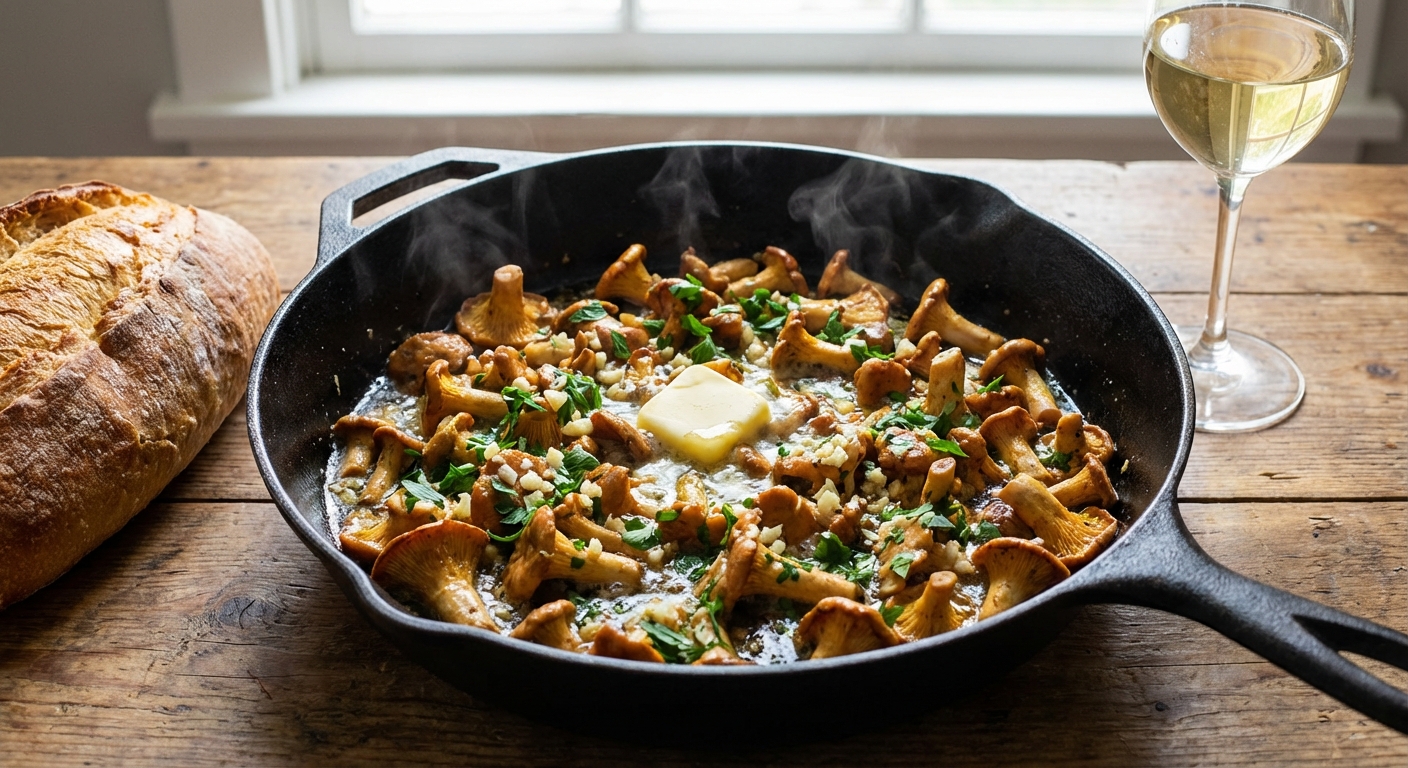
  • A real photograph of sautéed mushrooms browning in a skillet with a wooden spoon

    Buttery sautéed mushrooms

Storage Tips

Alfredo is at its best right after it is made, but leftovers can still be very good if you reheat gently.

Refrigerate

  • Cool quickly, then store in an airtight container for up to 3 to 4 days.

Reheat without breaking the sauce

  • Stovetop is best: add pasta to a skillet over low heat with a splash of water or milk, then toss until glossy again.
  • Microwave method: cover loosely and heat in short bursts, stirring often. Add a teaspoon of water between rounds if it looks tight.
  • If the sauce looks greasy, whisk in a little hot water and a pinch more finely grated Parmesan to bring it back together. A small knob of butter can help too.

Freezing

  • I do not recommend freezing this. Cheese-based emulsions tend to split and get grainy after thawing.

Common Questions

Is this “real” Alfredo if there is no cream?

Yes, in the classic method sense. The original restaurant style is butter + Parmigiano-Reggiano + starchy pasta water. Creamy texture comes from emulsification and starch, not cream. That said, many American Alfredo recipes use heavy cream, so if that is what you grew up with, think of this as the Rome-born technique.

Why did my sauce turn stringy or clumpy?

Usually the heat was too high or the cheese went in too fast. Keep the skillet on low or off-heat when adding cheese, use finely grated Parmesan, and add hot pasta water a little at a time while tossing. Also, do not let the sauce boil after the cheese goes in.

What makes this version tangy and sweet?

Lemon zest and a small squeeze of juice provide the tang. A tiny bit of honey adds sweetness to balance the salt and sharpness of the cheese. You can skip the honey if you prefer a more purely savory finish.

Can I use pre-shredded Parmesan?

You can, but it is more likely to clump because it often contains anti-caking agents. For the smoothest sauce, buy a wedge and grate it very fine.

Which pasta works best?

Fettuccine is the classic. Linguine works. For short pasta, use rigatoni or mezze rigatoni so the sauce can hide inside the tubes.

How do I make it kid-friendly?

Go lighter on black pepper and lemon juice, keep the zest, and let everyone add extra cheese at the table.

The first Alfredo I ever felt proud of was also the first one I almost ruined. I had the heat too high, dumped in the cheese too fast, and ended up with a sauce that was not exactly thriving.

So I tried again, slower. Off heat. Finer grate. More tossing. More tasting. Then I did the thing I always do when a dish feels a little too rich: I added lemon. The sauce woke up. Later, I added a whisper of honey and suddenly the Parmesan tasted rounder.

This is the version I make when I want cozy carbs, bright flavor, and a little reminder that the best kitchen trick is patience.