Mom's Best Recipes
Recipe

Classic Upma

A cozy, savory semolina porridge with toasted edges, tender veggies, and a lemony finish that wakes the whole bowl up.

Author By Matt Campbell
4.8
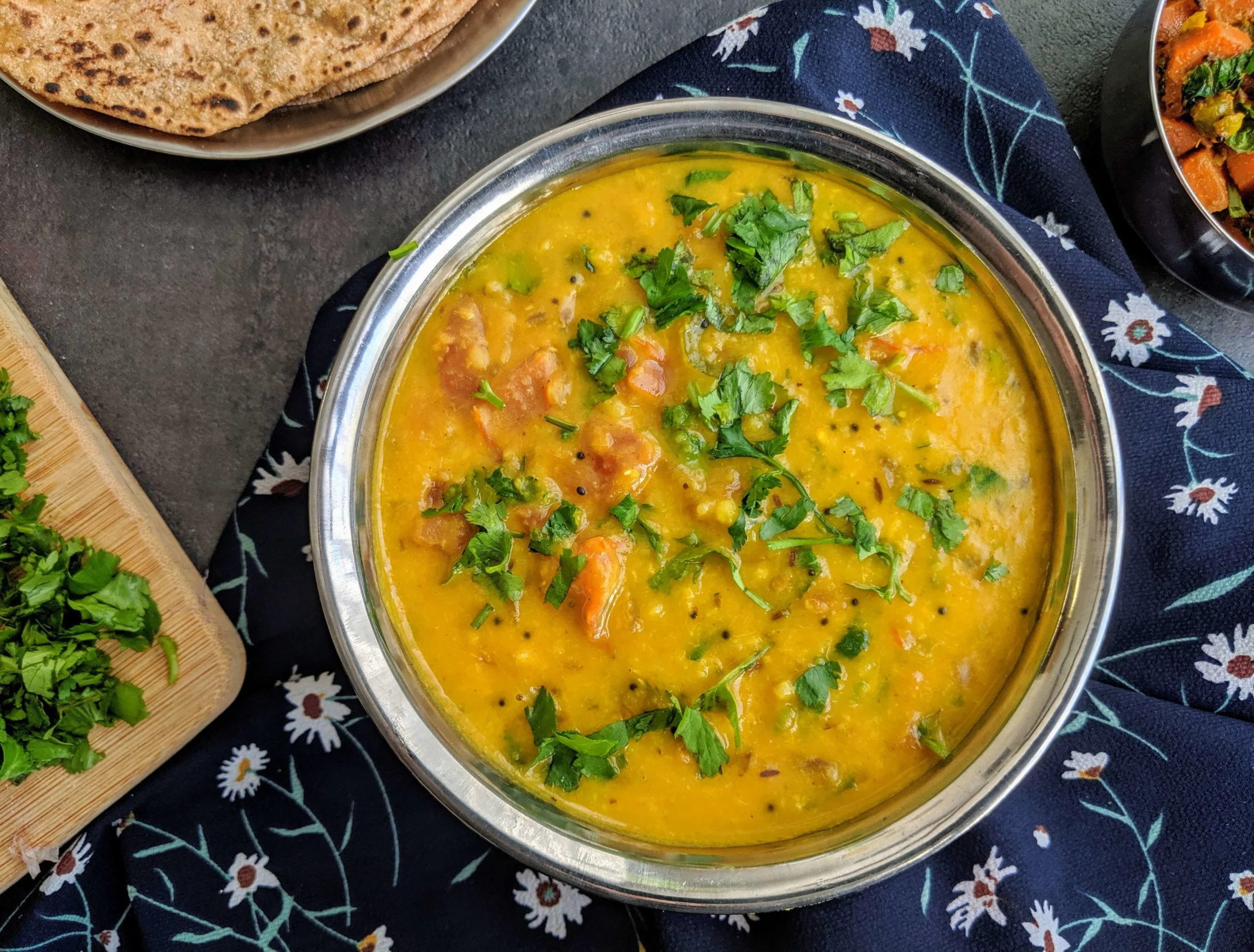
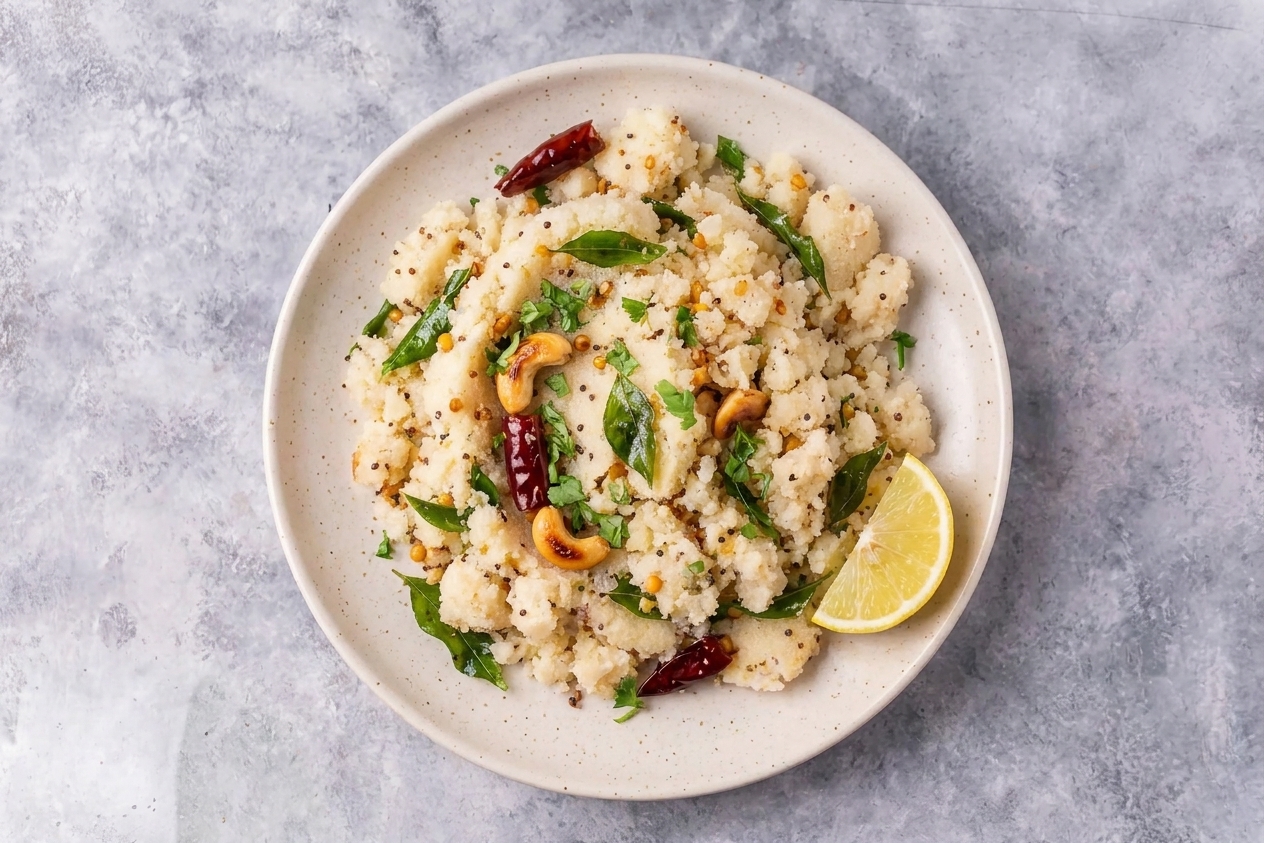
A warm bowl of classic South Indian upma garnished with cilantro and a lemon wedge on a simple wooden table setting with soft morning light

Upma is one of those dishes that looks humble and somehow still hits like a comfort-food mic drop. It is warm, savory, and spoonable, with just enough spice and crunch to keep you coming back for “one more bite” until your bowl is mysteriously empty.

My version sticks to accessible ingredients and the two moves that separate fluffy, fragrant upma from the gummy stuff: toasting the semolina and adding hot liquid slowly while stirring. Finish with lemon for brightness and you have a breakfast, lunch, or late-night snack that shows up for you.

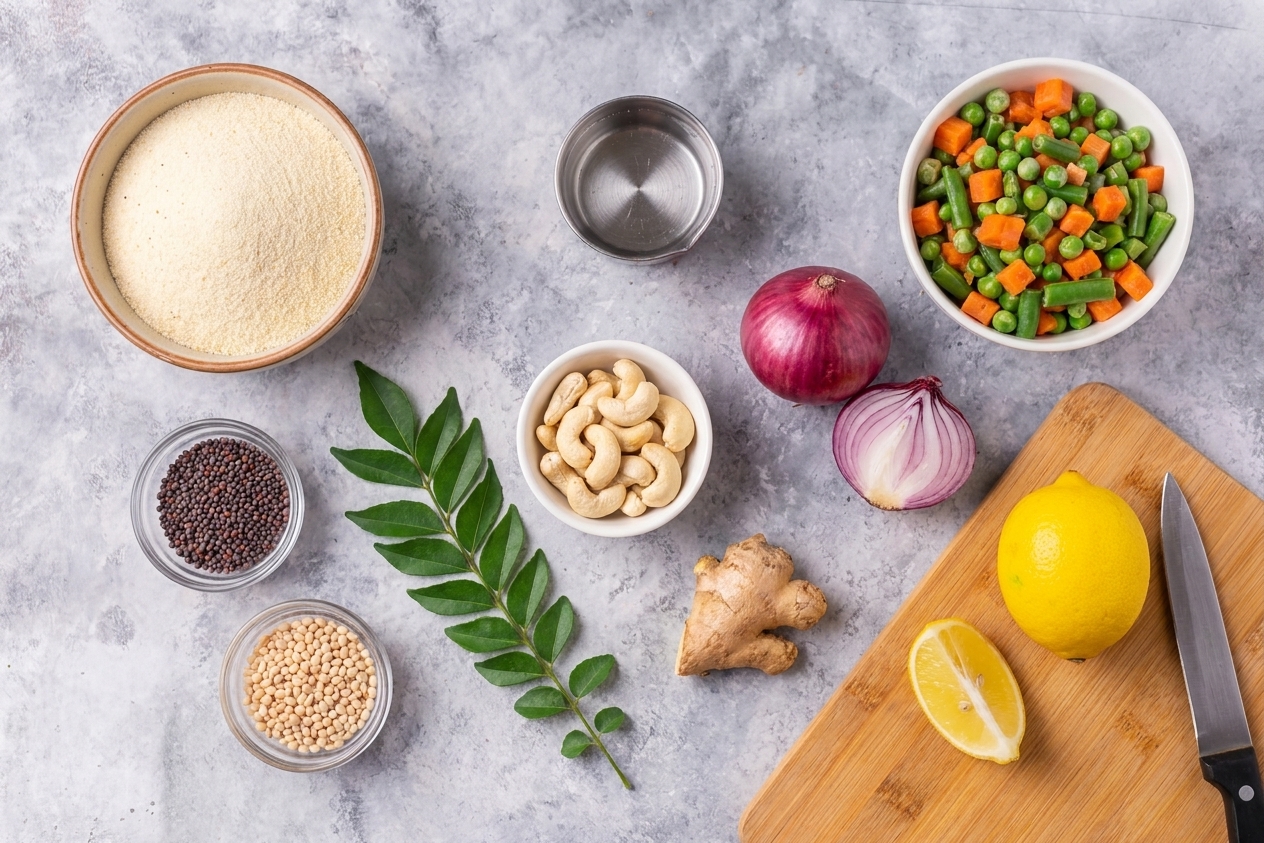
Measured semolina, mustard seeds, urad dal, cashews, curry leaves, ginger, onion, mixed vegetables, and a lemon arranged on a bright kitchen counter

Why It Works

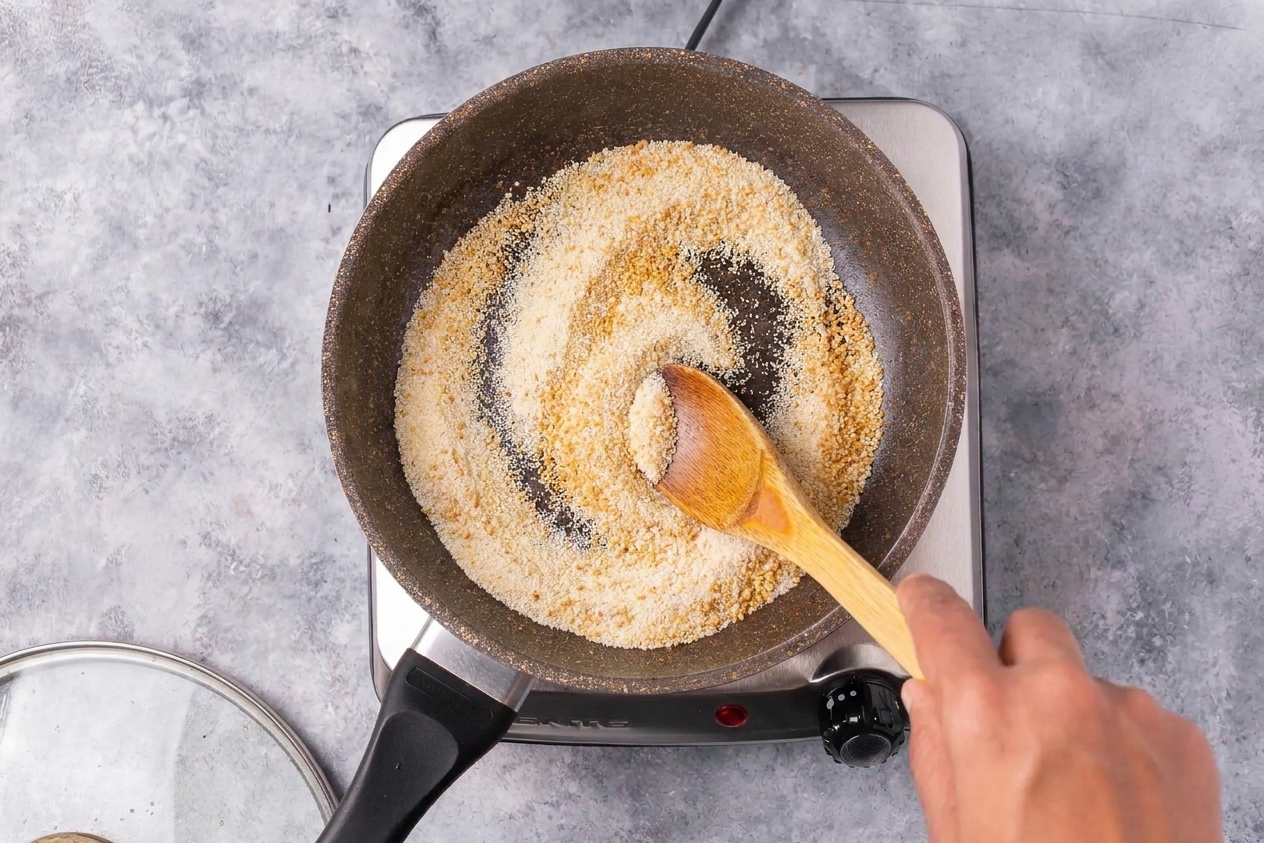
  • Fluffy texture, not gluey: Toasting the rava (semolina) builds nutty flavor and helps it stay separate.
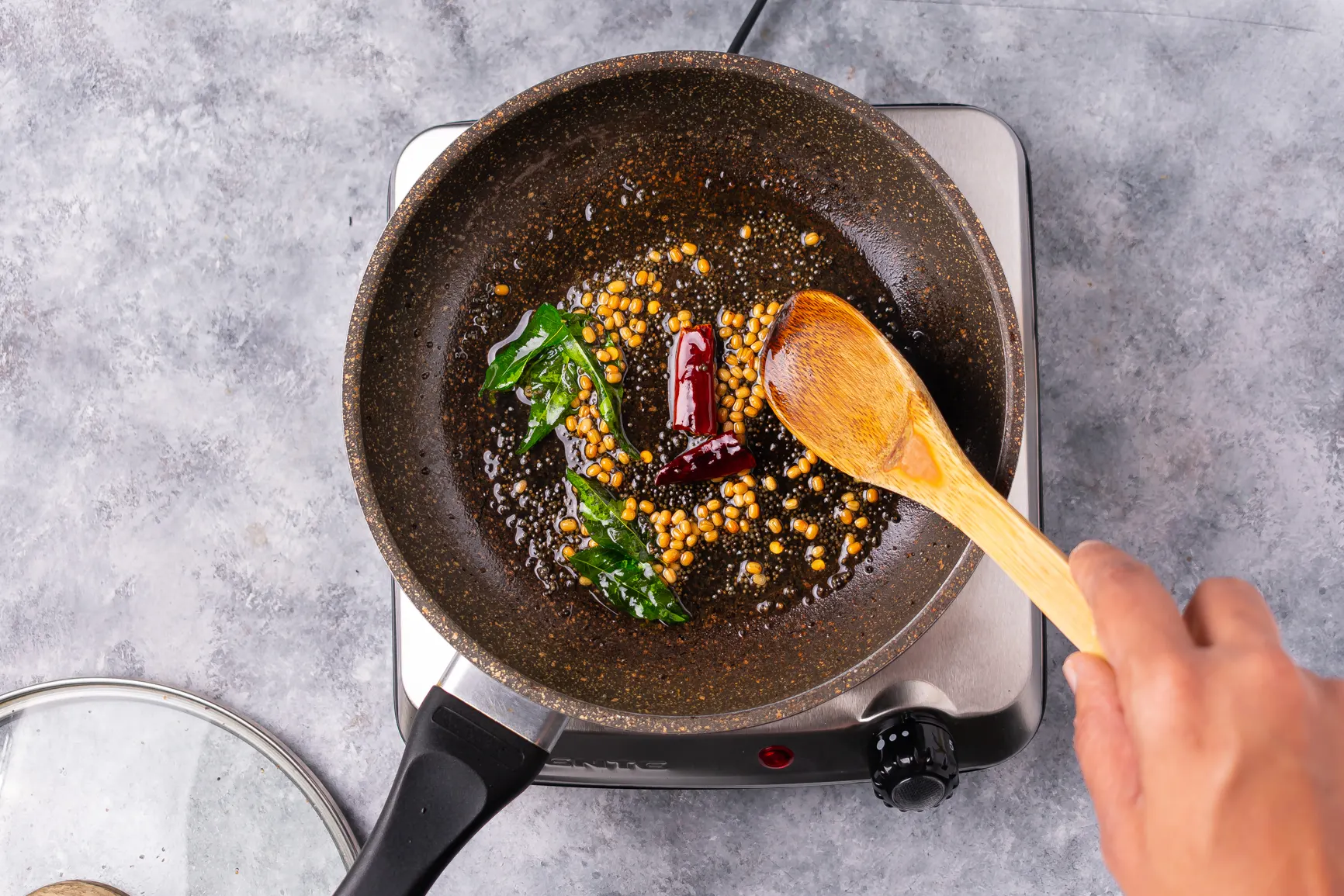
  • Fast flavor layering: A quick tempering of mustard seeds, urad dal, curry leaves, and ginger perfumes the whole pot in minutes.
  • Balanced bite: A little heat, a little crunch (cashews), and a lemon finish so every spoonful tastes lively.
  • Flexible: Use whatever veggies you have and scale the spice up or down without breaking the recipe.

Pairs Well With

Storage Tips

Refrigerate: Cool upma quickly, then store in an airtight container for up to 3 days.

Reheat (best method): Add a splash of water (1 to 3 tablespoons per serving) and reheat in a covered skillet over medium-low, stirring until steamy and fluffy again.

Microwave: Sprinkle water over the top, cover loosely, and microwave in 30-second bursts, stirring between rounds, until steaming hot.

Freezing: You can freeze it, but the texture softens. If you do, freeze in portions up to 1 month and reheat with extra water, then finish with fresh lemon.

Food safety note: Storage times are general guidance. When in doubt, use your senses and reheat leftovers until fully steaming hot throughout.

Common Questions

What is upma made of?

Traditional upma is made with rava (also called semolina or sooji) cooked in hot water after a quick tempering of spices like mustard seeds and curry leaves. Many versions include onion, ginger, chiles, and mixed vegetables, plus a squeeze of lemon at the end.

Why did my upma turn sticky or lumpy?

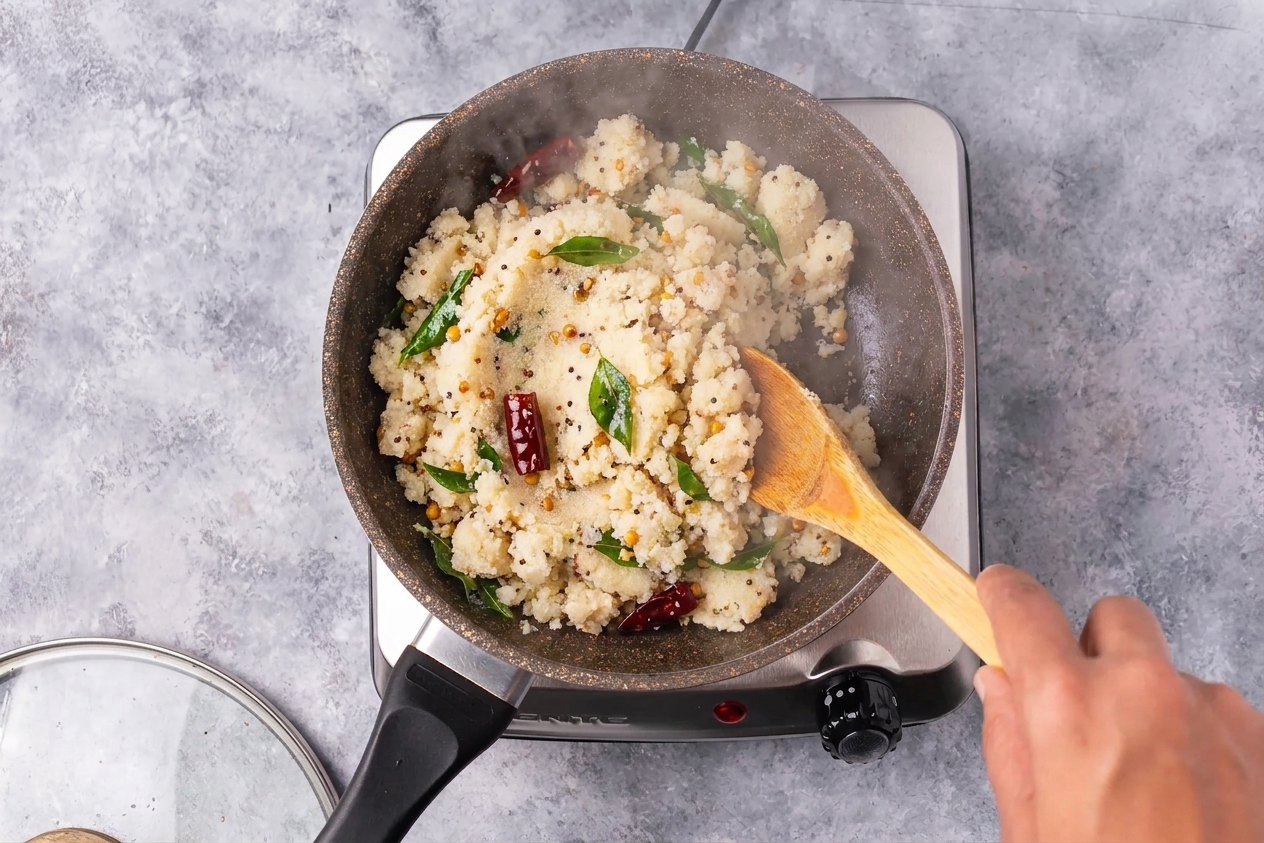
The usual culprits are not toasting the semolina long enough, using liquid that is not hot, or adding the rava too quickly. For smooth, fluffy upma: toast rava until it smells nutty and turns pale golden, bring the water to a simmer, and add the rava in a steady rain while stirring like you mean it.

Do I have to use curry leaves?

No, but they add that signature South Indian aroma. If you cannot find them, skip them and add a little extra cilantro at the end plus a tiny pinch of lime zest if you have it.

What can I use instead of urad dal?

Urad dal adds a toasty crunch in the tempering. If you do not have it, use chana dal (it takes a touch longer to brown), or just increase cashews or add a tablespoon of roasted peanuts.

Is upma gluten-free?

Classic rava upma is not gluten-free because semolina is wheat. For a gluten-free option, look for rice rava (broken rice) and make a similar upma-style version using the same tempering and method, adjusting water and cook time as needed. You can also do an upma-style porridge with coarse rice flour or cornmeal, but the flavor and texture will be different from classic semolina upma.

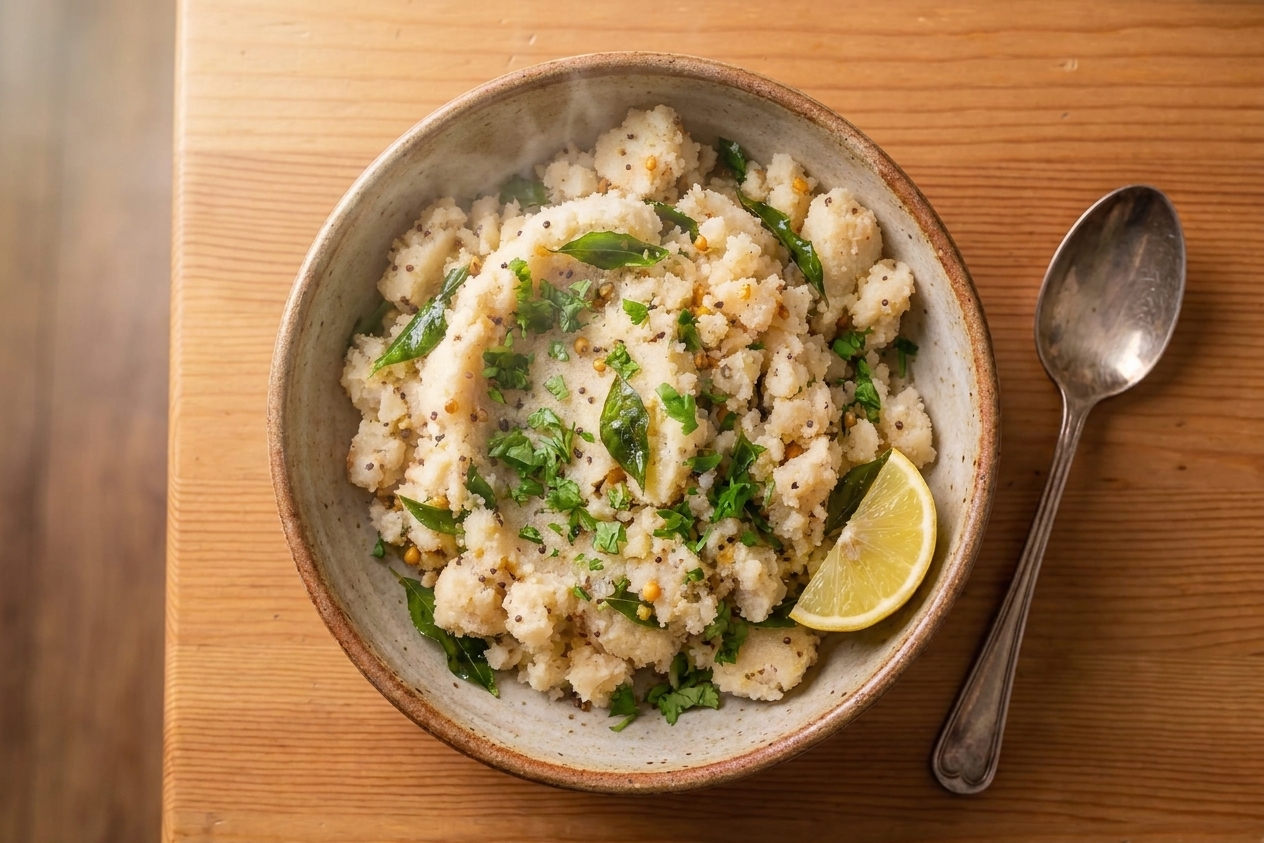
The first time I made upma, I treated semolina like it was just “small pasta that wants to be porridge.” Bold. Incorrect. I ended up with something that could have patched drywall.

Then I learned the rhythm: toast first, temper fast, pour slow, stir like you mean it, and finish with lemon. Now upma is one of my favorite low-drama wins. It tastes like you planned your life, even if you absolutely did not.