Mom's Best Recipes
Recipe

Classic Vanilla Frozen Custard

Dense, ultra-creamy vanilla frozen custard made with egg yolks for that signature scoop-shop richness.

Author By Matt Campbell
4.8
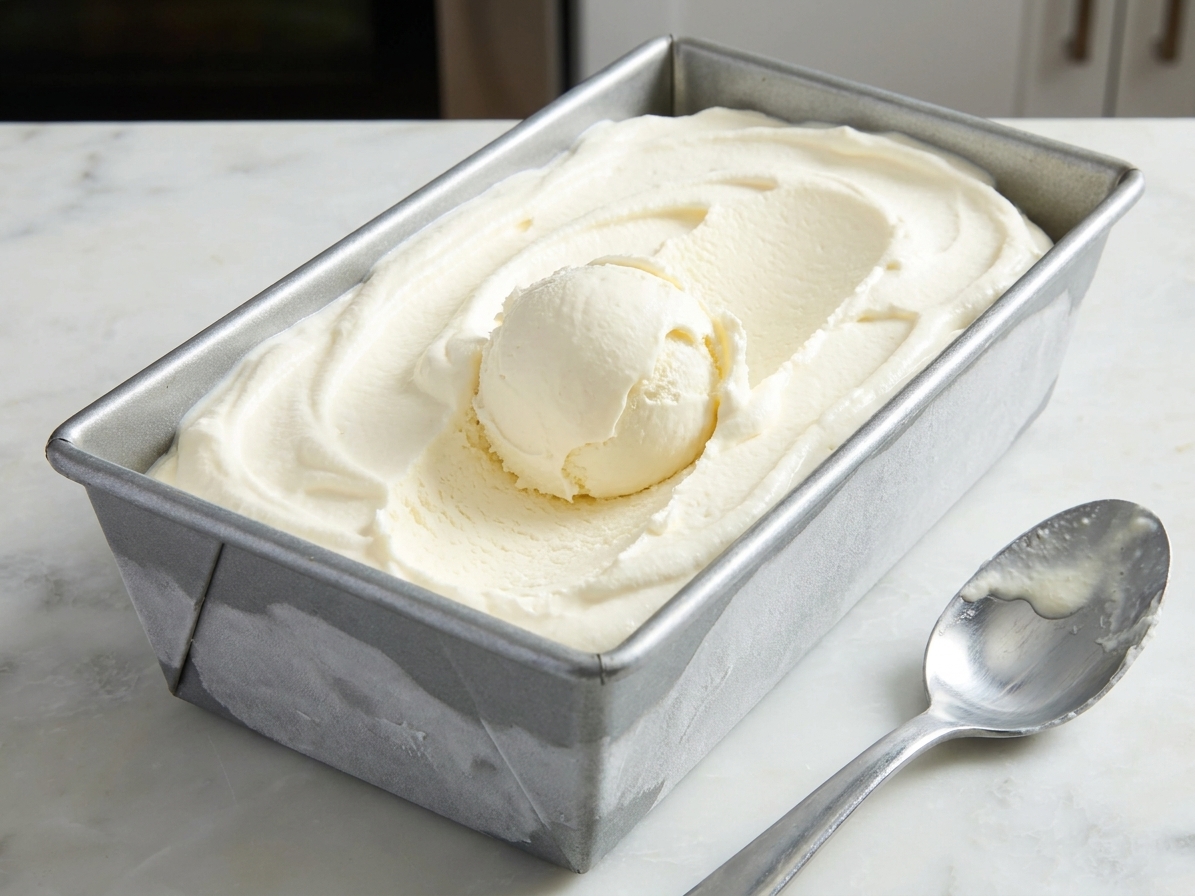
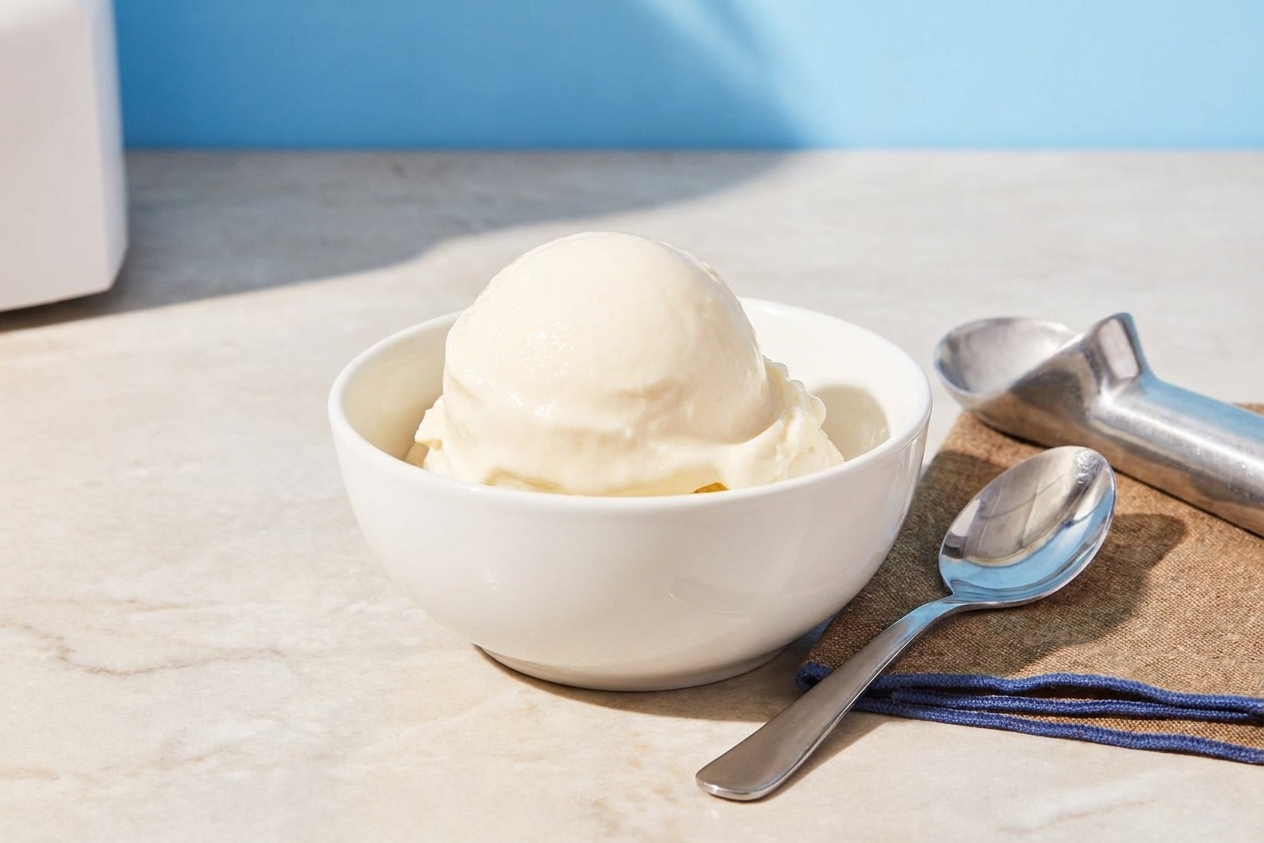
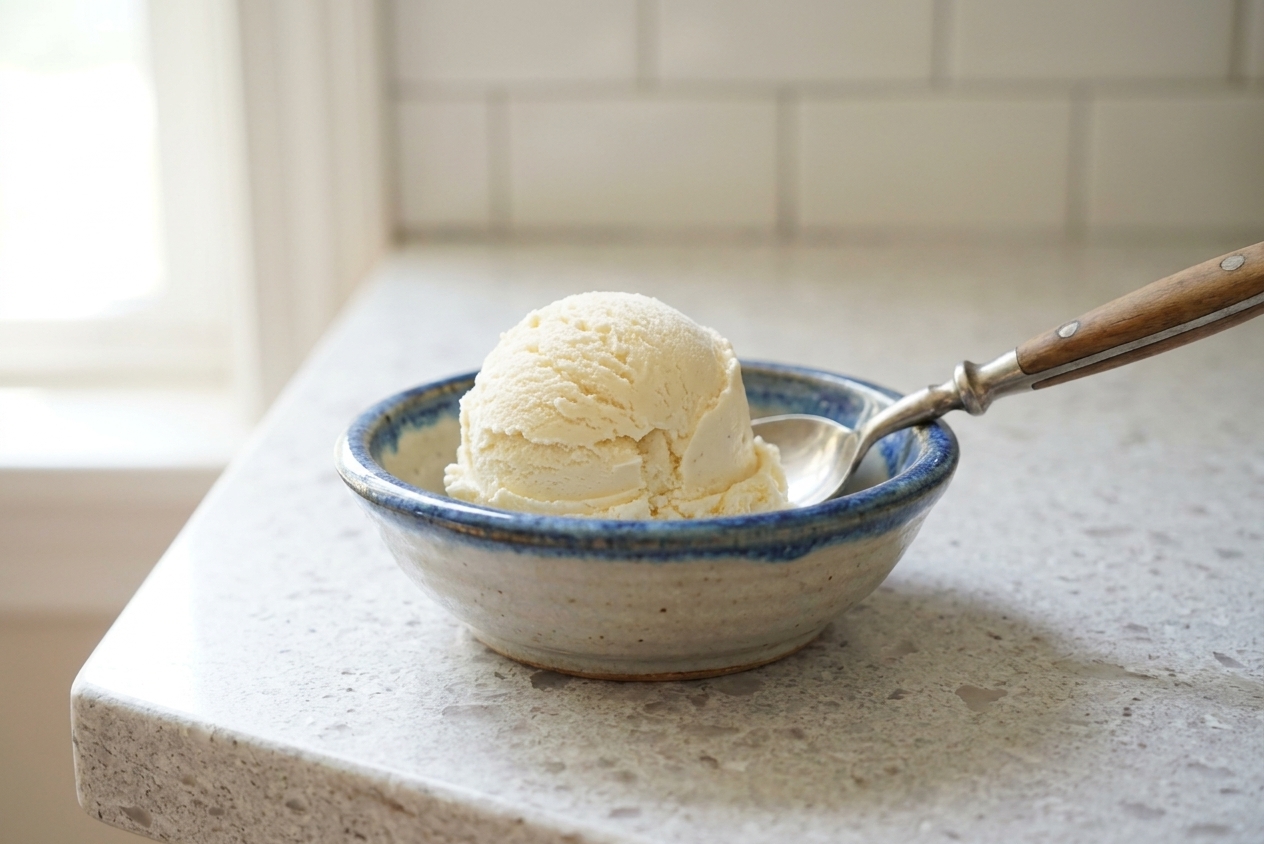
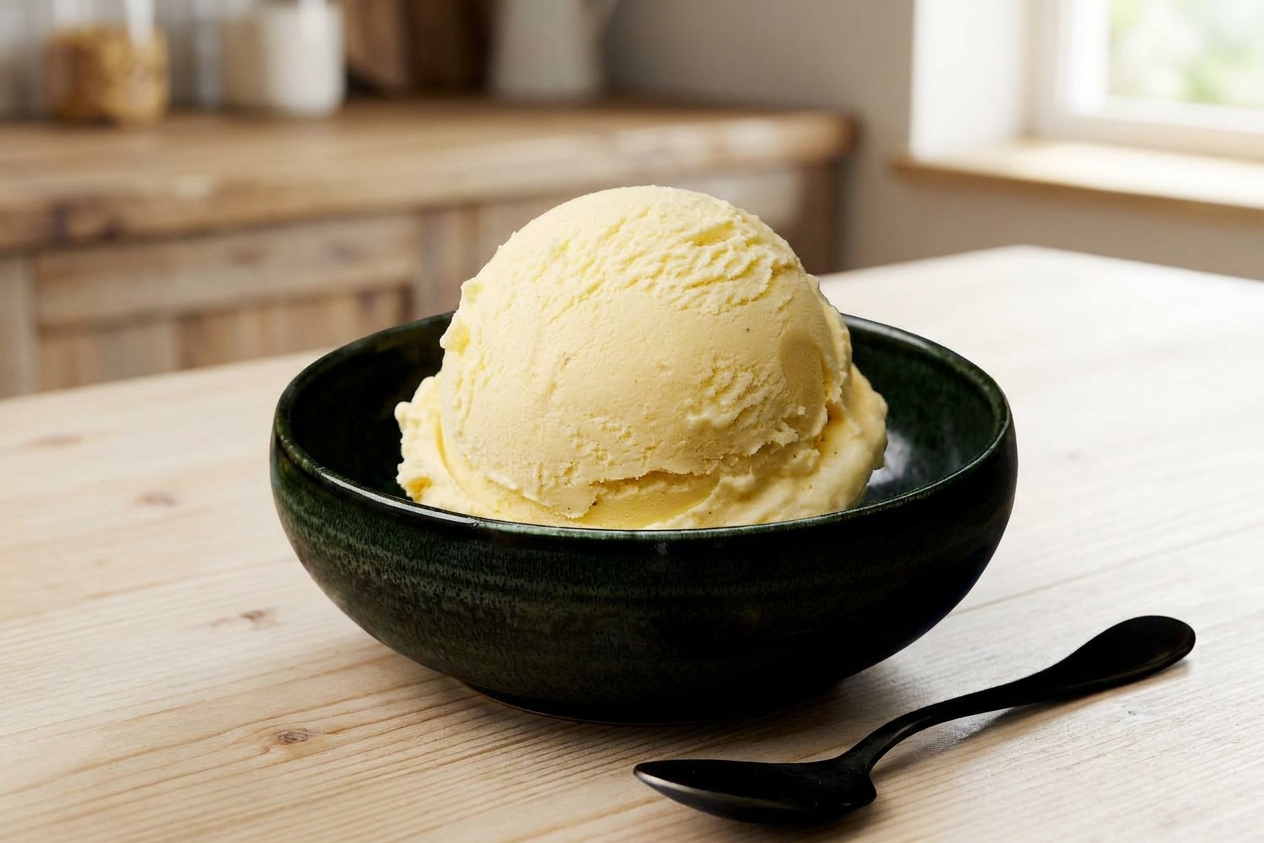
A bowl of pale vanilla frozen custard with a glossy surface and one perfect scoop, set on a light stone kitchen counter with a spoon beside it

Frozen custard is ice cream’s slightly extra cousin. Same basic idea, but with egg yolks in the base, which gives you that dense, velvety texture that feels like it came straight from a boardwalk stand. If ice cream is fluffy and friendly, frozen custard is the one with a leather jacket and great taste in music.

This is a classic vanilla version because once you nail the base, you can go anywhere. Chocolate. Strawberry swirl. Or yes, a chaotic handful of crushed cookies. But first, let’s make a custard that tastes clean, rich, and unapologetically creamy.
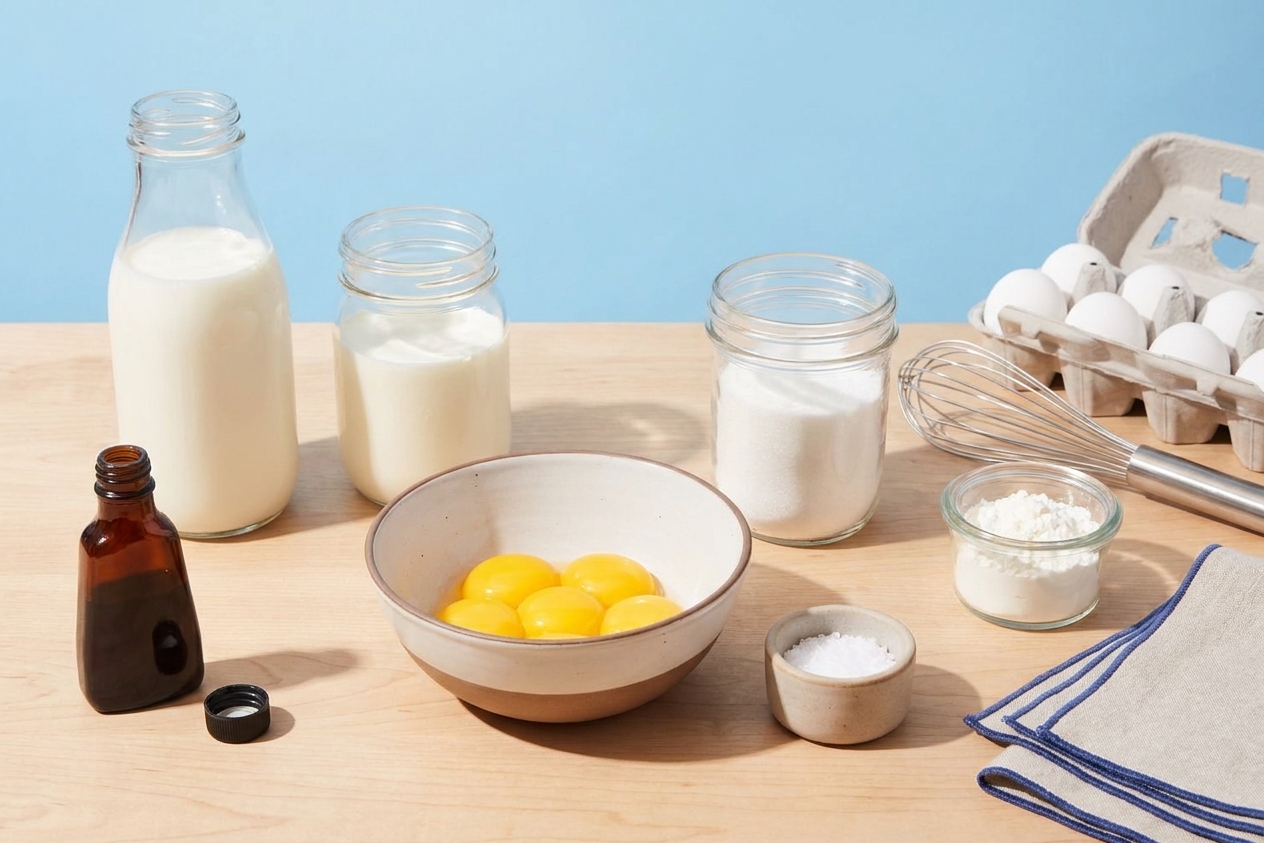
All ingredients for frozen custard arranged on a bright kitchen counter including milk, cream, egg yolks, sugar, cornstarch, salt, and vanilla

Why It Works

  • Dense and scoopable: Egg yolks plus a proper chill give you that thick custard body, not airy soft serve vibes.
  • Big vanilla flavor: You get a warm, bakery-style vanilla that does not taste watery or flat.
  • Smooth texture, no drama: Cornstarch is optional, but it can help stabilize the base and reduce curdling risk if your heat control is not perfect.
  • Reliable at home: Designed for a standard home ice cream maker and normal grocery store ingredients.

Pairs Well With

Storage Tips

How to Store Frozen Custard

Best container: A shallow, freezer-safe container with a tight lid. Shallow means faster, more even freezing.

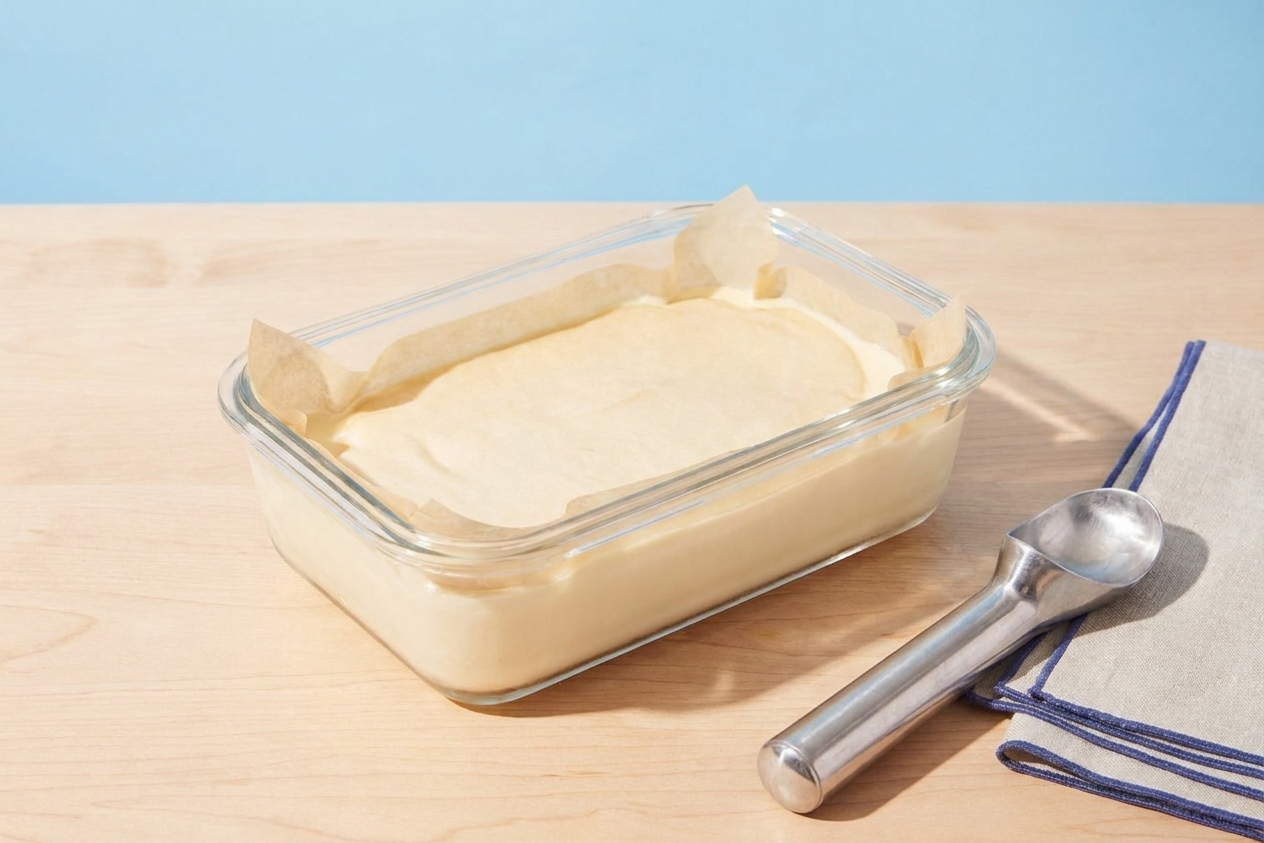
Anti-ice-crystal trick: Press parchment paper or plastic wrap directly onto the surface before putting the lid on.

  • Freeze: 3 to 5 days for best texture and flavor. It is still safe after that, but it gets icier.
  • How to serve: Let it sit at room temp for 5 to 10 minutes, then scoop. If it is rock hard, your freezer is doing its job a little too well.
  • Avoid melt and refreeze cycles: Repeated melting and refreezing wrecks texture and can become a food-safety issue if it sits warm. If it fully melted and was left out, discard it.

Quick Troubleshooting

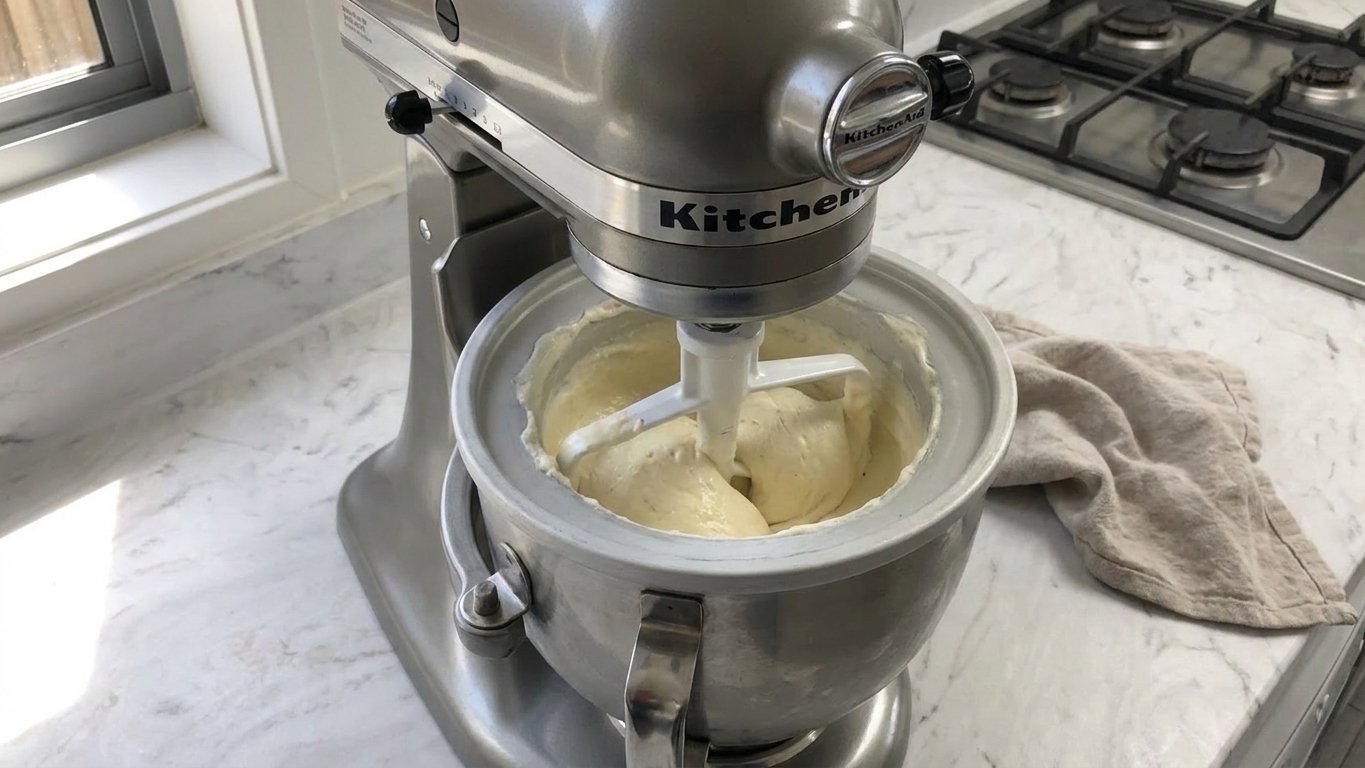
  • Too soft after churning: Your base was not cold enough, or the freezer bowl was not fully frozen. Chill the base colder next time and freeze the bowl 24 hours. For now, harden it in the freezer 4 hours.
  • Icy texture: Usually not enough chill time, a warm churn, or too much time in the freezer without surface protection. Use the parchment-on-top trick and keep it tightly covered.
  • Curdled base: Strain immediately and chill fast. Next time, lower the heat and keep whisking. Cornstarch (if you use it) helps as a buffer, but it is not a force field.
  • Base too thin: Cook a little longer until it coats a spoon and holds a clean line. Temperature can help, but the spoon test is your north star.
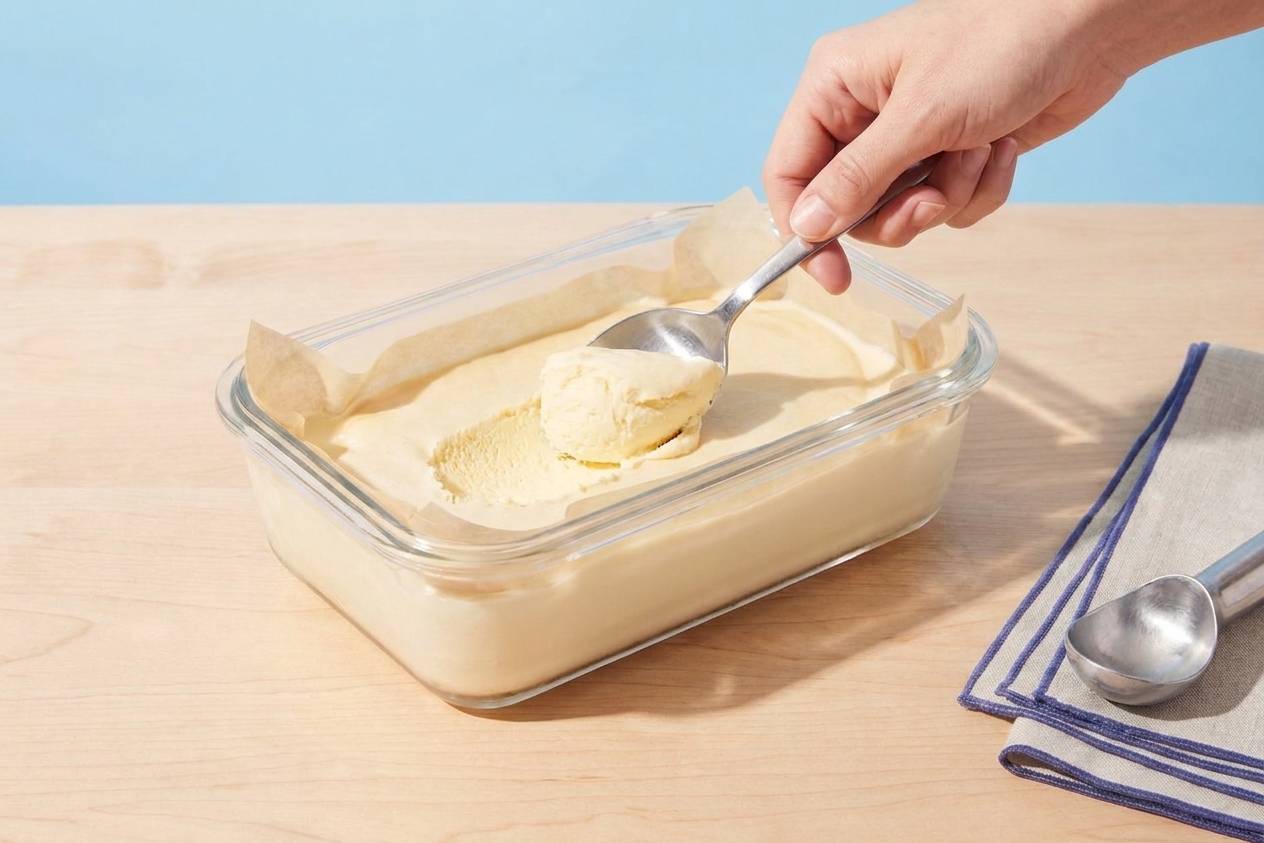
A freezer-safe container of vanilla frozen custard with parchment pressed on the surface, sitting on a kitchen counter before going into the freezer

Common Questions

Frozen Custard FAQs

What is the difference between frozen custard and ice cream?

A big difference is egg yolks. Frozen custard typically uses more yolks than standard ice cream, which makes it taste richer and feel denser. It is also often served very fresh and a bit warmer than hard-packed ice cream, which keeps it extra smooth and scoopable.

Do I have to use an ice cream maker?

For true frozen custard texture, yes, an ice cream maker is your best friend. You can do a no-churn freeze in a loaf pan, but it will be closer to a frozen pudding situation. Still tasty, just not that classic scoop-shop bite.

How do I know my custard base is cooked enough?

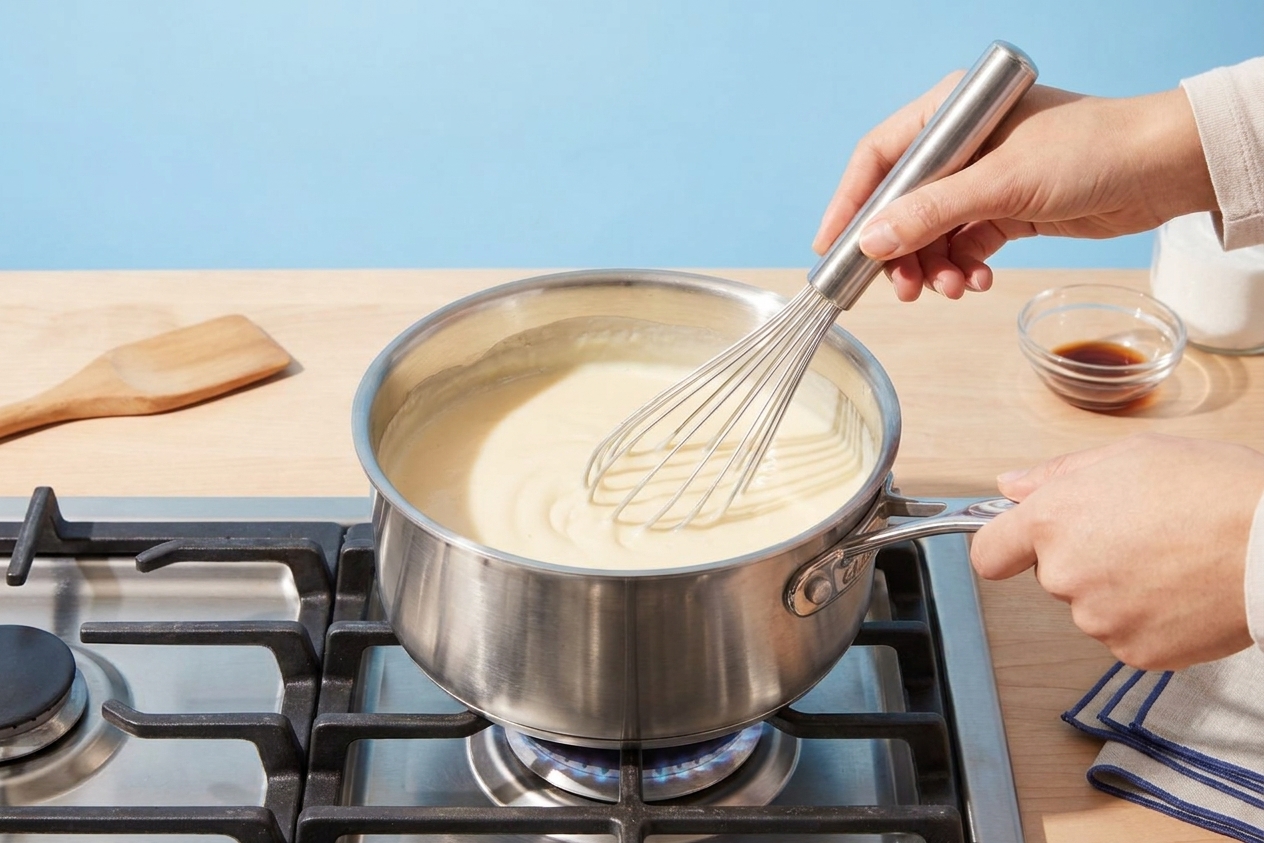
Look for the visual cue first: it should thicken enough to coat the back of a spoon, and when you run a finger through it, it should leave a clean path that holds for a second. If you like numbers, aim for about 175°F to 180°F. Avoid a hard boil.

Why did my custard turn grainy?

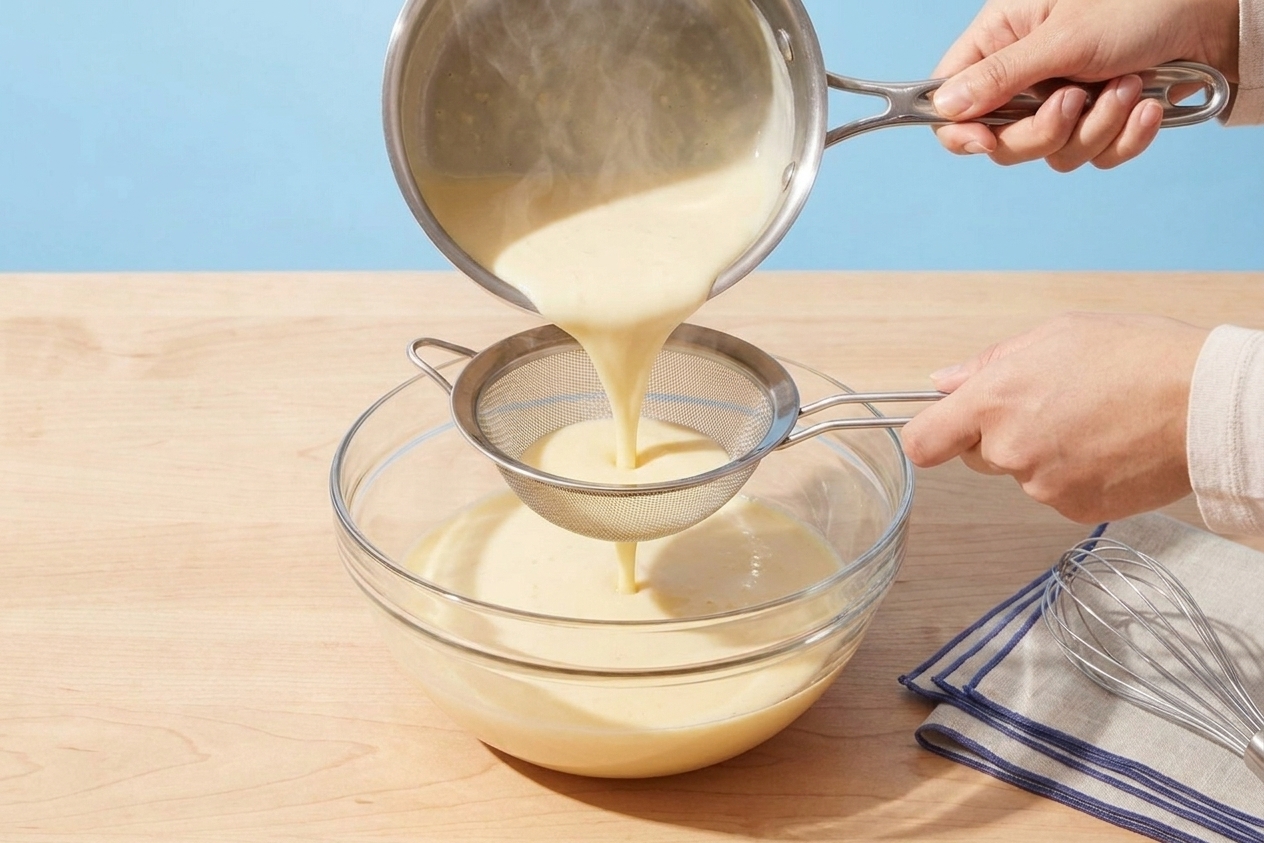
Usually overheating, or the eggs were not tempered slowly enough. Strain it right away and chill fast. The flavor will still be good, and the texture often improves after churning.

Can I make this ahead?

Absolutely. The base is happiest after chilling overnight. Make it today, churn it tomorrow, and suddenly you are a person with a plan.

I love cooking the kind of food that feels like you got away with something, and frozen custard is exactly that. The first time I made it at home, I expected ice cream. What I got was this thicker, smoother, almost satin-y scoop that made me stop and stare into my bowl like it had just told me a secret.

Also, I learned fast: custard rewards patience. Low heat, steady whisking, and tasting as you go. It is not fussy, it just wants you to show up.

Hands whisking a pale custard base in a stainless steel saucepan on a stovetop